How Satellite Internet Is Transforming Remote Communication
15 February 2026
The way we connect with the world is undergoing a massive transformation, and satellite internet is leading the charge. Imagine living in a remote village, surrounded by mountains, far from fiber-optic cables and cell towers. A few years ago, reliable internet in such places was a distant dream. Today, satellite internet is bridging that gap, revolutionizing communication for millions who were once isolated. But how exactly is this technology reshaping remote communication? Let’s dive into it.
What Is Satellite Internet?
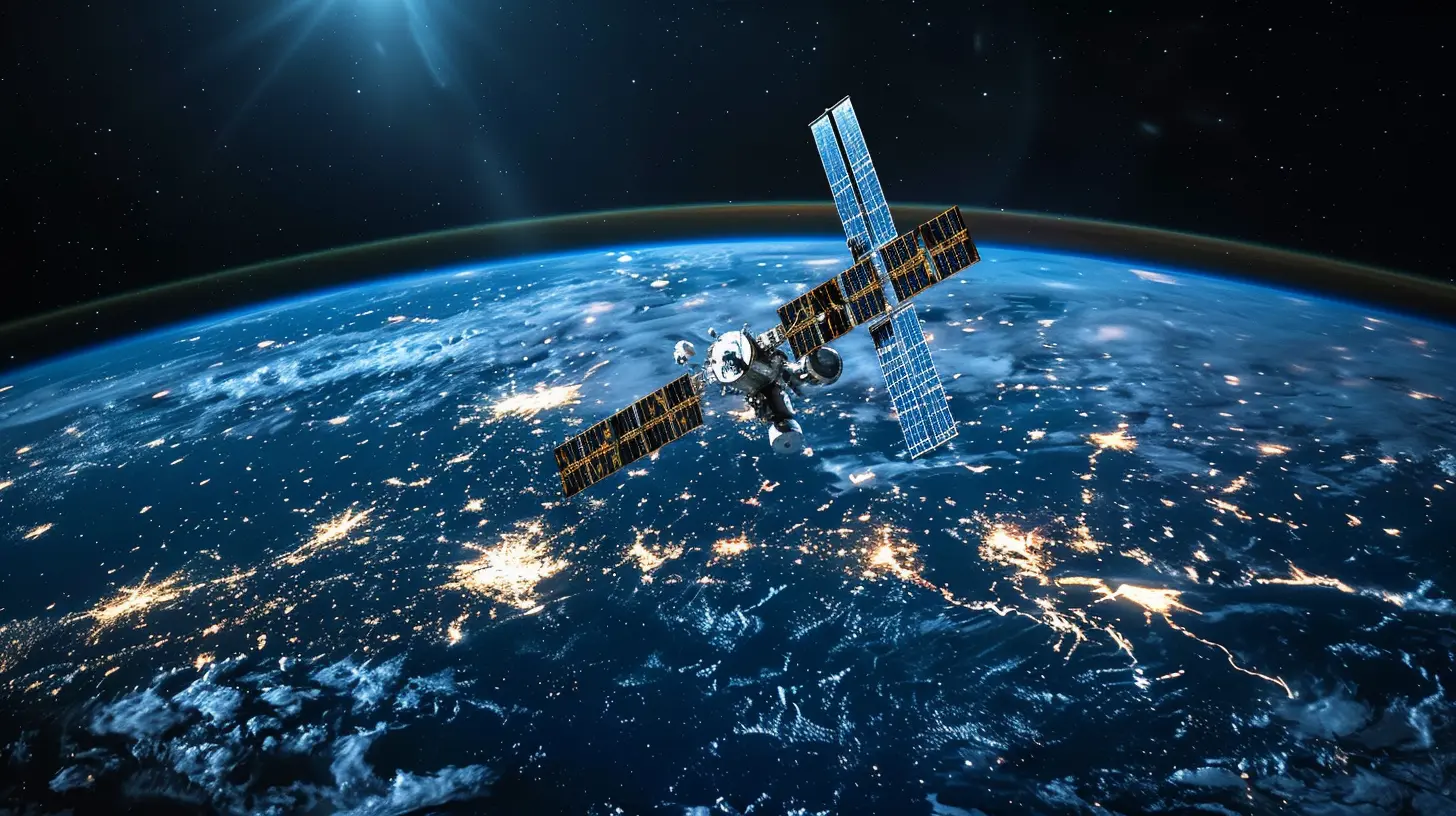
Before we get into its impact, let’s break down what satellite internet actually is. Unlike traditional broadband, which relies on underground cables and cell towers, satellite internet beams data between a satellite orbiting Earth and a ground-based dish. This means that even in the most isolated locations, as long as you have a clear sky view, high-speed internet is within reach.
The Growing Importance Of Satellite Internet
The world is becoming more connected every day, but not everyone has access to high-speed internet. Rural areas, disaster-stricken regions, ships in the middle of the ocean, and even airplanes flying at 30,000 feet rely on satellite internet to stay connected. The need for seamless communication in these areas is greater than ever, and satellite internet is stepping up to meet the challenge.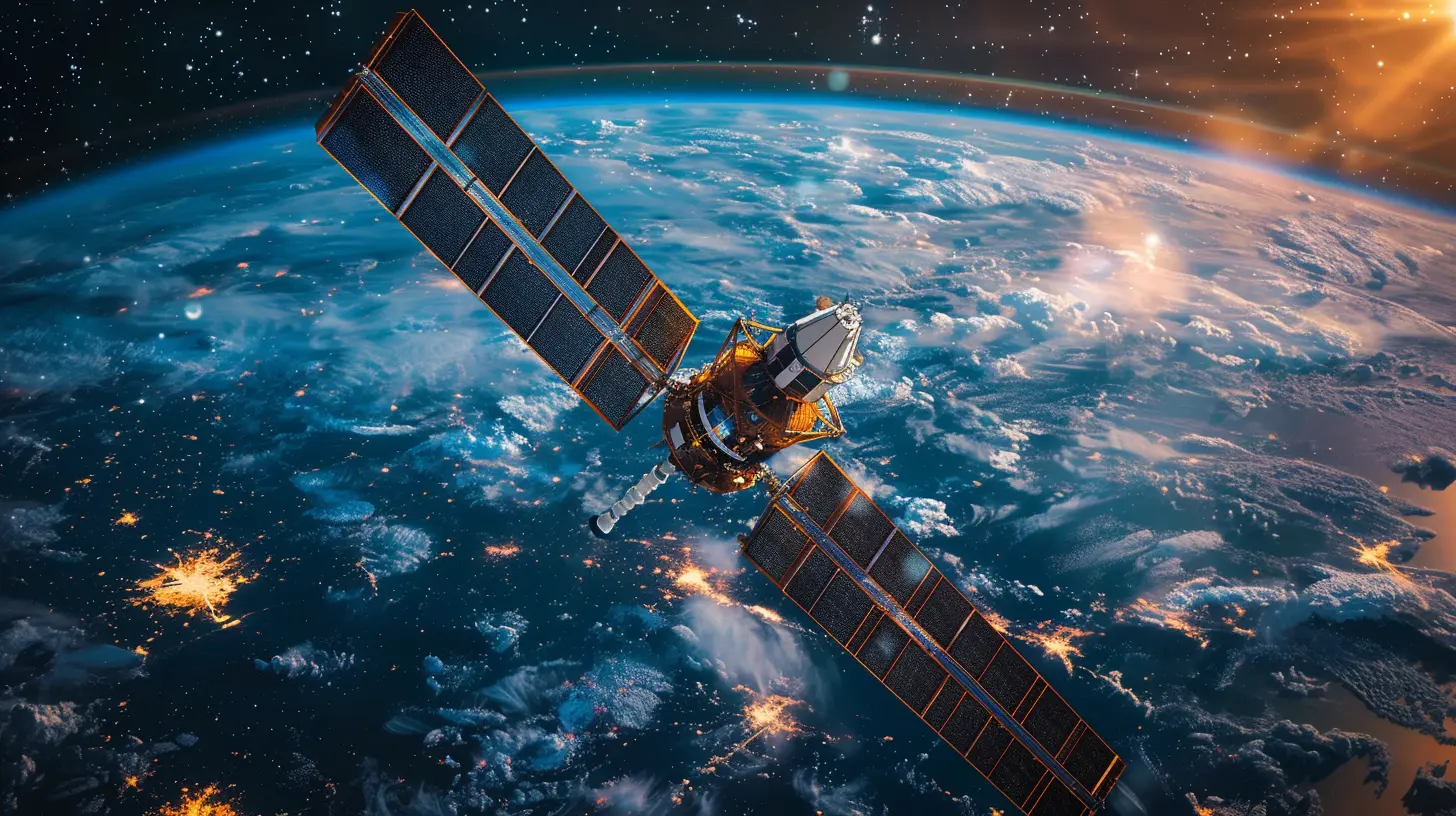
How Satellite Internet Is Revolutionizing Remote Communication
1. Bringing the Internet to the Unreachable
Satellite internet is a game-changer for people living in remote regions where traditional broadband infrastructure is non-existent or too expensive to install. Whether it's a small village in the mountains, a research station in Antarctica, or a farm in the middle of nowhere, satellite internet ensures that communication is possible.Think about it—before this technology, businesses, students, and professionals in these areas struggled to send emails, attend virtual meetings, or even make simple online transactions. Today, they have access to nearly the same digital resources as city dwellers.
2. Empowering Businesses and Education
For businesses in remote areas, reliable internet is essential. Farmers can monitor weather conditions and market prices in real time; entrepreneurs can sell their products online; and remote workers can collaborate with teams worldwide.Education has also seen a major boost. Students in rural areas can attend online classes, access learning materials, and even take part in virtual exchanges with schools around the world. This is a huge step toward closing the digital divide and providing equal learning opportunities for all.
3. Improving Emergency and Disaster Response
When natural disasters strike, ground-based communication networks often fail. Hurricanes, earthquakes, and floods can destroy fiber-optic cables and cell towers, cutting off entire communities from the outside world. Satellite internet, however, remains functional, allowing first responders to coordinate rescue operations, provide medical aid, and reconnect survivors with their loved ones.Agencies like FEMA and the Red Cross rely on satellite internet to keep communication running smoothly during emergencies. In many cases, it has been the difference between life and death.
4. Supporting Military and Government Operations
Satellite internet plays a crucial role in national security and military operations. Troops stationed in remote locations use it for communication, intelligence gathering, and coordination. Governments also rely on satellite-based networks for secure and uninterrupted communication, especially in areas where conventional networks are unreliable or vulnerable to attacks.5. Enabling Connectivity at Sea and in the Air
Ever wondered how cruise ships and airplanes provide Wi-Fi even when they’re far from land? Satellite internet makes it possible. Whether you’re in the middle of the Atlantic Ocean or flying across continents, you can browse the web, send messages, and even stream your favorite shows, all thanks to satellite technology.For the maritime industry, this is a big deal. Sailors and cargo ship crews can stay connected with their families, access real-time navigation data, and improve overall safety on long voyages.

Challenges of Satellite Internet
Despite its benefits, satellite internet isn’t perfect. There are still hurdles to overcome:1. Latency Issues
Since data has to travel to space and back, satellite internet can suffer from latency (delays). However, newer low-Earth orbit (LEO) satellites, like those deployed by Starlink, are significantly reducing this problem.2. High Costs
Setting up and maintaining satellite internet infrastructure is expensive. The service subscriptions can also be pricey compared to traditional broadband. But as more companies enter the market, prices are expected to drop.3. Weather Interference
Satellite signals can be affected by bad weather, such as heavy rain or storms. Although advancements in technology are improving reliability, this remains a common issue.The Future of Satellite Internet
With tech giants like SpaceX (Starlink), Amazon (Project Kuiper), and OneWeb investing heavily in satellite broadband, the future of global internet connectivity looks bright. These companies are launching thousands of satellites into low Earth orbit (LEO) to provide faster, more affordable, and widespread internet coverage.Looking ahead, we could see more innovations such as:
- 5G integration with satellite networks to improve speed and reliability.
- AI-powered satellite systems that optimize data transmission.
- Advanced solar-powered satellites that reduce operational costs and enhance sustainability.
Final Thoughts
Satellite internet is no longer just a backup for traditional networks—it’s becoming a primary solution for millions of people worldwide. Whether it’s helping rural communities stay connected, supporting disaster relief efforts, or enabling communication in the harshest environments, satellite internet is transforming remote communication in ways we never imagined.As technology advances and costs decrease, we’re moving toward a world where high-speed internet is available everywhere, for everyone. And that, my friends, is a revolution worth watching.
all images in this post were generated using AI tools
Category:
TelecommunicationAuthor:

Ugo Coleman
Discussion
rate this article
2 comments
Dax Thornton
This article effectively highlights the revolutionary impact of satellite internet on remote communication. It’s exciting to see how improved connectivity enhances opportunities for remote work, education, and access to information, bridging gaps in underserved areas globally. Great read!
March 6, 2026 at 3:40 AM
Ugo Coleman
Thank you for your thoughtful comment! I'm glad you found the article insightful and appreciate your support for the positive changes satellite internet brings to remote communities.
Ranger Graham
Satellite internet is revolutionizing remote communication by providing high-speed connectivity in previously inaccessible areas. This technology enhances telehealth, education, and business operations, bridging the digital divide and fostering greater social and economic inclusion.
February 21, 2026 at 12:51 PM
Ugo Coleman
Thank you for highlighting the transformative impact of satellite internet! It's indeed a game-changer for remote areas, empowering communities and enhancing access to essential services.