How Space-Based Sensors are Revolutionizing Earth Observation
4 June 2026
Ever feel like Big Brother is watching? Well, he is—but in a good way! Thanks to space-based sensors, we now have an all-seeing eye in the sky, constantly monitoring our planet with laser-like precision. These high-tech tools are changing the game when it comes to Earth observation, and no, they’re not just there to spy on your embarrassing backyard dance sessions.
From tracking climate change to improving disaster response, these sensors are transforming the way we understand and interact with our world. So, buckle up and get ready for a wild ride through the cosmos of cutting-edge tech!
The Rise of Space-Based Sensors
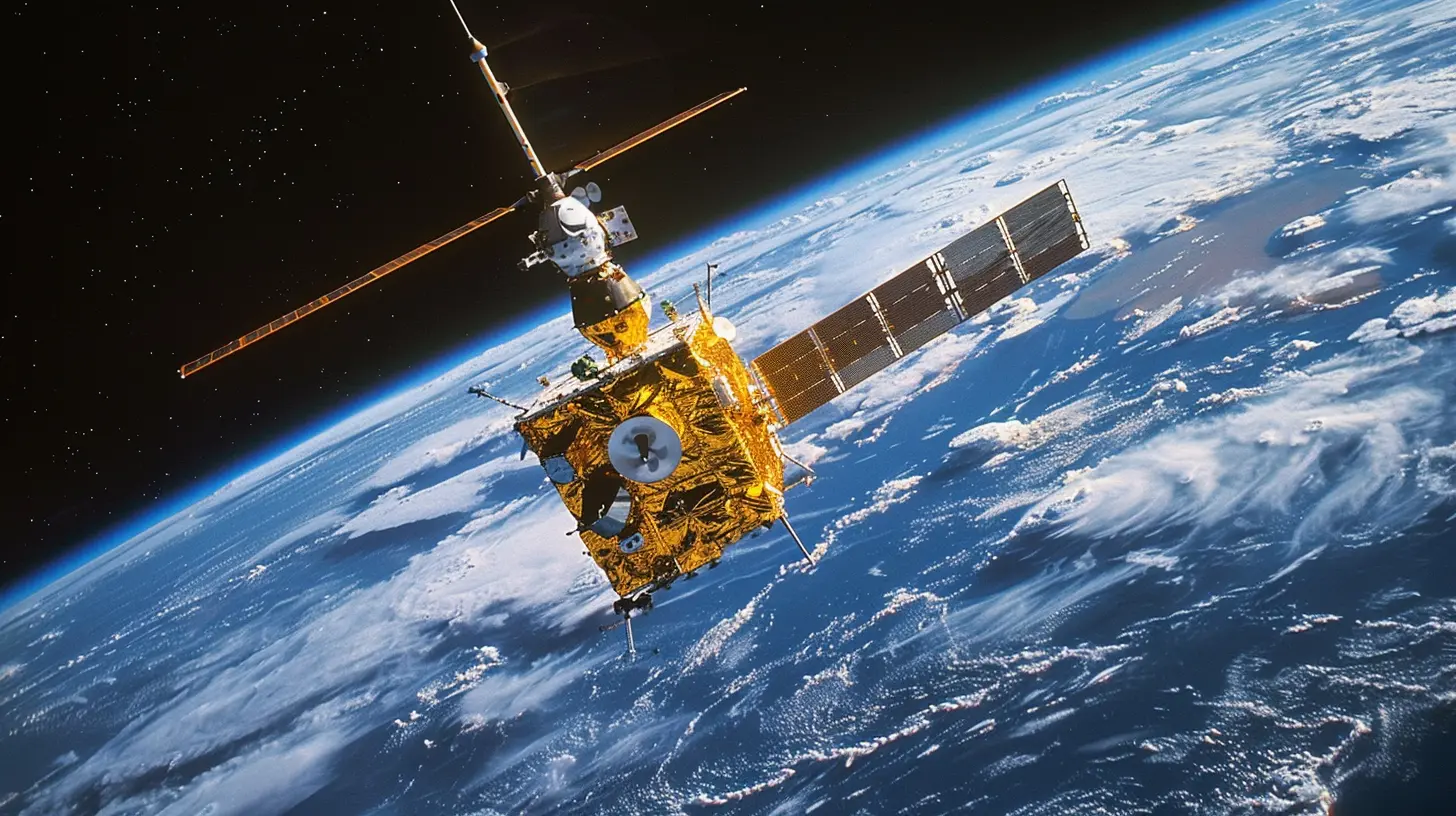
Once upon a time, if we wanted to study Earth, we had to rely on weather balloons, ground-based telescopes, and the occasional lucky comet flyby. Fast forward to today, and we have a fleet of satellites equipped with sensors that would make even the most advanced sci-fi movies look outdated.These sensors are tucked neatly into satellites orbiting Earth, capturing everything from weather patterns to deforestation rates. And let’s be honest—without them, we’d still be relying on questionable weather predictions from that one guy who swears he can "smell the rain coming."
From Old-School to High-Tech: A Quick History
Before space-based sensors, scientists had to rely on land-based systems that were, well… let’s just say "hit or miss" at best. Early satellites in the 1960s kicked things off with grainy black-and-white images of Earth. Fast forward to today, and we’ve got high-resolution, multispectral, hyperspectral, and even thermal imaging sensors that can analyze everything down to soil moisture levels.And no, this isn’t just for government spies or NASA nerds—this tech is benefiting pretty much everyone on the planet.
How Space-Based Sensors Work (Without Frying Your Brain)
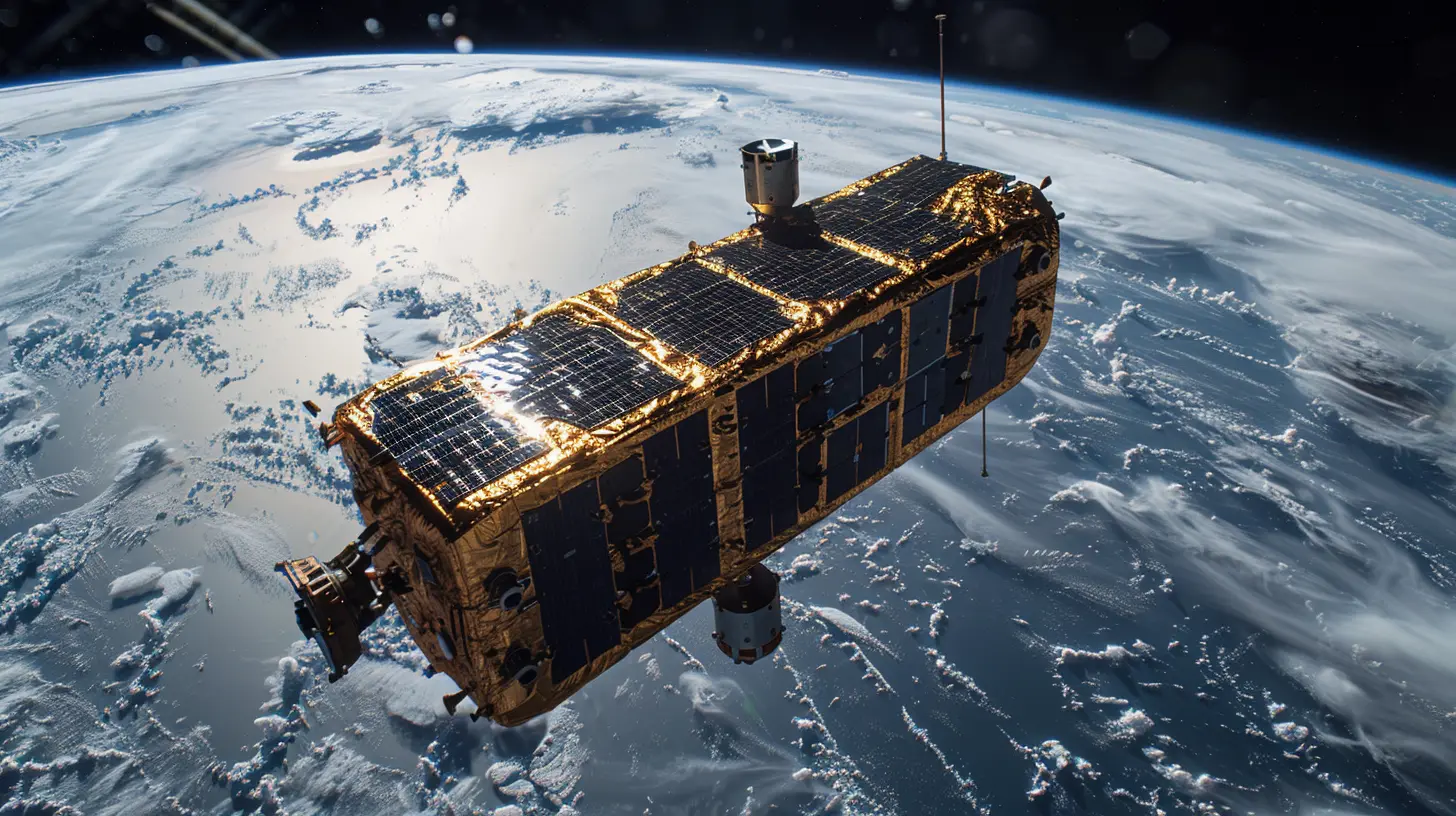
Alright, here’s the deal—these sensors might be ridiculously complex, but understanding how they work doesn’t require a PhD in rocket science (thankfully).At their core, space-based sensors collect data by capturing different types of electromagnetic radiation—think visible light, infrared, and even radio waves. Depending on what kind of sensor it is, it can measure anything from temperature changes to pollution levels.
But don’t worry—you don’t need to wear a tinfoil hat. These sensors aren’t blasting dangerous rays down at us; they’re just passively collecting information, much like a nosy neighbor with a pair of binoculars.
Types of Sensors That Are Watching Over Us (In a Good Way)
1. Optical Sensors – Think of these like the world's most powerful digital cameras, snapping high-resolution images of Earth's surface.2. Infrared Sensors – These babies detect heat, making them perfect for tracking forest fires, volcanic eruptions, and even urban heat islands.
3. Radar Sensors – Can’t see through clouds? No problem! Radar sensors use radio waves to "see" through weather and even measure ground movements (bye-bye, earthquake surprises).
4. Hyperspectral Sensors – These are like the superhero version of optical sensors, detecting hundreds of wavelengths to analyze things like crop health and water quality.
Why Should You Care? (No, Seriously)
At this point, you might be thinking, “Cool tech, but why does it matter to me?” Well, unless you enjoy completely ignoring things like climate change, natural disasters, and environmental destruction, this tech is incredibly important.1. Climate Change: The Ultimate Reality Check
Remember when people used to argue about whether climate change was real? Yeah, space-based sensors pretty much ended that debate. These bad boys have been tracking rising temperatures, melting ice caps, and increasing carbon dioxide levels for decades. And if that’s not enough proof, just ask the polar bears—they’re not big fans of disappearing ice sheets.2. Disaster Response: Saving Lives from Space
Natural disasters don’t exactly send out invitations, but thankfully, space-based sensors can give us a heads-up before calamity strikes. Whether it's detecting hurricanes, wildfire risks, or looming droughts, satellites help emergency responders prepare in advance. In other words, they’re basically the world’s most advanced weather forecasters—minus the cheesy TV graphics.3. Agriculture: Farming Like a Sci-Fi Movie
You don’t have to be a farmer to appreciate the magic of precision agriculture. Thanks to hyperspectral sensors, farmers can monitor crop health, detect pest infestations, and even optimize irrigation—all from outer space. Who needs a scarecrow when you’ve got a satellite watching over your fields?4. Urban Planning: Because Cities Shouldn’t Be a Hot Mess
Ever wonder how city planners decide where new buildings and roads should go? Space-based sensors help analyze urban sprawl, traffic patterns, and pollution levels, making cities smarter and (hopefully) less chaotic. So next time you see a well-planned highway, give a little nod to the satellites above.5. Wildlife Conservation: Nature’s Guardian Angels
Poachers and illegal loggers beware—space-based sensors are watching! Satellites help track deforestation, monitor wildlife migration patterns, and even catch illegal fishing operations. It’s like having space cops keeping an eye on Mother Nature.
The Future of Earth Observation: What’s Next?
If you think today’s space-based sensors are impressive, just wait—things are about to get even crazier.- AI and Machine Learning Integration – Smarter satellites that can analyze and interpret data on their own? Yes, please!
- Miniature Satellites (CubeSats & Nanosats) – Smaller, cheaper, and just as powerful, these tiny tech wonders will make real-time Earth observation even more accessible.
- Quantum Sensors – The holy grail of sensing technology, quantum sensors could one day detect underground water sources and even predict earthquakes.
Oh, and let’s not forget the private sector getting involved—companies like SpaceX, Planet Labs, and Amazon are all jumping into the space-based sensor game. We’re basically living in a sci-fi movie at this point.
Final Thoughts: The Sky Is Literally the Limit
Space-based sensors are proving to be one of humanity's greatest tools for understanding our planet. They’re watching over us (without being creepy), helping us protect the environment, and even keeping us safe from disasters.So, the next time someone tells you that satellites are just floating junk in space, hit them with some of these mind-blowing facts. Because let’s be real—Earth observation has never been cooler.
all images in this post were generated using AI tools
Category:
Space TechnologyAuthor:

Ugo Coleman
Discussion
rate this article
1 comments
Zaid Barker
What unique insights are these sensors revealing about our planet's changes?
June 5, 2026 at 5:02 AM
Ugo Coleman
These sensors are uncovering details about climate trends, deforestation rates, and urban expansion, providing real-time data that helps us understand and respond to changes on our planet.