How Space Technology is Contributing to the Development of Autonomous Vehicles
23 January 2026
Autonomous vehicles, or self-driving cars, are not just science fiction anymore. They’re becoming a reality faster than most of us imagined. Behind this rapid progress is a surprising ally – space technology. Yes, you read that right! The tech originally designed to send rockets hurtling through space is now helping cars drive themselves on Earth. But how exactly is space tech playing a role in the development of autonomous vehicles? Let’s dive into the details.
What Exactly Are Autonomous Vehicles?
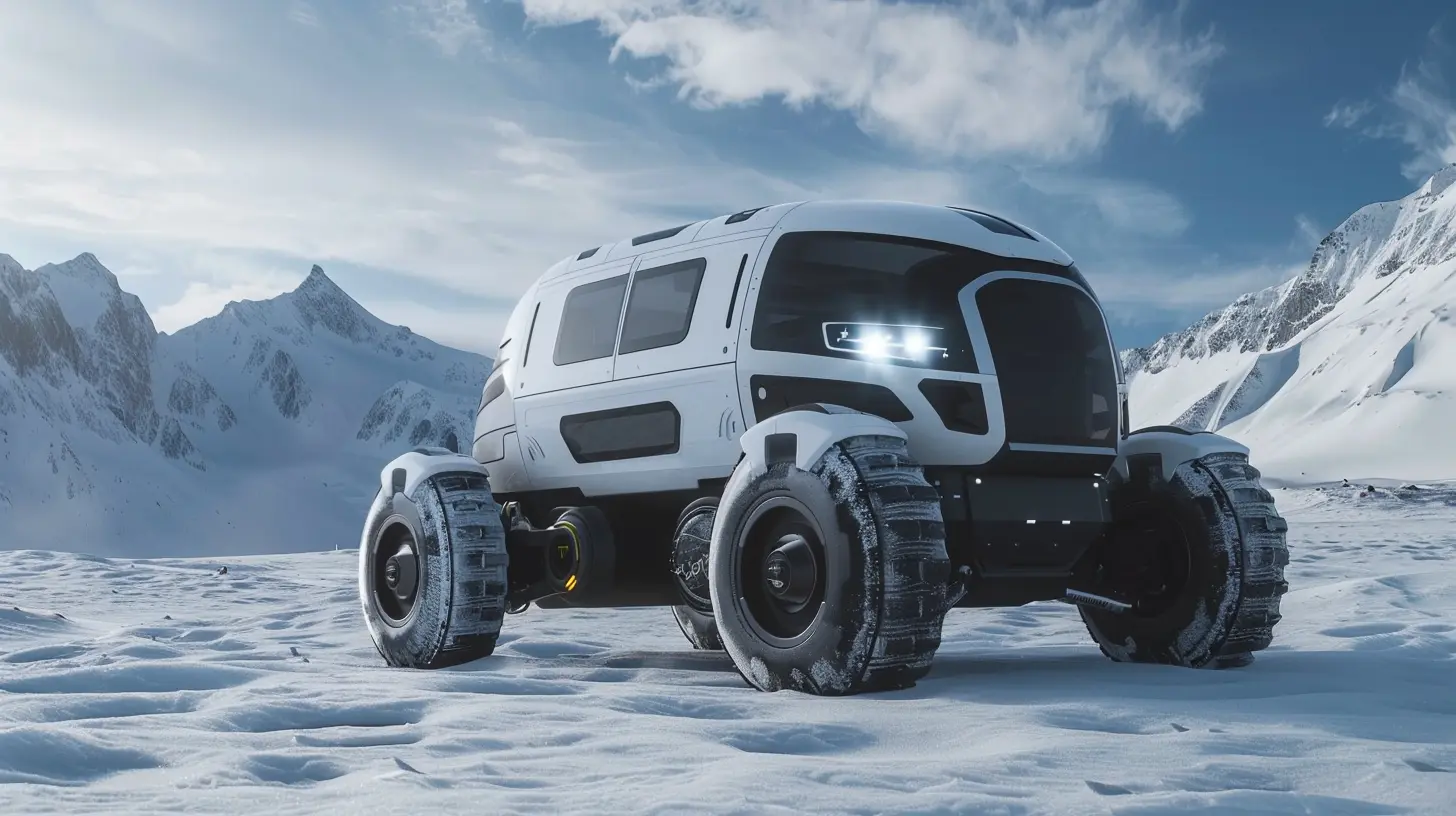
Before we get into the nitty-gritty of how space technology helps, let’s quickly define autonomous vehicles. These are cars or trucks that can drive themselves without human intervention. They use a combination of sensors, cameras, artificial intelligence (AI), and machine learning to navigate roads, avoid obstacles, and follow traffic rules.Imagine hopping into a car, relaxing in the backseat, and letting the car do all the driving. Sounds like a dream, right? But this dream is slowly becoming a reality, thanks in part to advancements in space technology.

Space Technology – More Than Just Rockets and Satellites
When we think of space technology, the first things that come to mind are rockets, spaceships, and astronauts floating around in zero gravity. But space technology is much more than that. It includes all the tech that helps us explore outer space, like satellites, navigation systems, and sensors.Interestingly, many of the tools and techniques developed for space exploration have found their way into everyday life. From GPS in our phones to weather forecasting, space technology has already made a significant impact here on Earth. But now, it’s doing something even cooler – helping cars drive themselves.
GPS: The Backbone of Autonomous Vehicles
Let’s start with the obvious one. Global Positioning System (GPS) is one of the most crucial pieces of technology for autonomous vehicles, and guess where it comes from? Space!GPS was originally developed by the U.S. Department of Defense for military use, but today, it’s a part of our daily lives. It’s what powers Google Maps, helps us track our rides, and even lets us know where we are at any given time. For an autonomous vehicle, knowing its exact position on the road is vital. It’s like having a built-in sense of direction.
Autonomous vehicles rely on high-precision GPS to understand their location at all times, down to the centimeter. This level of accuracy is crucial for things like lane-keeping, making turns, and avoiding obstacles. Without GPS, your self-driving car wouldn’t even know which road it’s on, let alone how to get to your destination.
Satellite Imaging: The Eyes from Space
GPS helps autonomous vehicles know where they are, but what about what’s around them? This is where satellite imaging comes into play. Satellites orbiting Earth constantly take high-resolution images of our planet’s surface. These images don’t just provide pretty pictures; they offer detailed maps that help autonomous vehicles understand the terrain.Satellite technology allows for real-time mapping and updating of roads, traffic conditions, and even potential hazards like construction zones or accidents. While the car’s sensors and cameras handle short-range detection (like spotting a pedestrian crossing the street), satellite data can provide a broader view of the environment.
Think of satellite imaging as giving autonomous vehicles a "bird’s-eye view," allowing them to see beyond their immediate surroundings. This is especially useful when planning routes and navigating unfamiliar or complex terrain.
Space-Grade Sensors Driving Precision on Earth
Autonomous vehicles use a variety of sensors, including LiDAR (Light Detection and Ranging), radar, and cameras, to "see" and interpret their surroundings. Interestingly, many of these sensors were originally developed for space missions.Space missions require highly accurate sensors to measure distances, detect objects, and navigate through unknown environments. These same principles apply to autonomous cars. For instance, LiDAR works by shooting out laser beams and measuring how long it takes for them to bounce back. This helps the vehicle create a detailed 3D map of its surroundings, identifying things like other cars, pedestrians, or potholes.
These sensors are what allow autonomous vehicles to react in real-time to changing road conditions, much like how space probes react to unexpected obstacles in space. Without this level of precision, self-driving cars wouldn’t be able to make split-second decisions, which is a must when you’re navigating busy city streets or highways at high speeds.
Communication Networks: Borrowing from Satellite Systems
Autonomous vehicles don’t just need to know where they are and what’s around them; they also need to communicate with other vehicles, traffic systems, and even pedestrians. This is where communication networks come into play, and once again, space technology comes to the rescue.Space communication systems, particularly those involving satellites, allow for real-time data exchange over vast distances. These same principles are now being applied to create "vehicle-to-vehicle" (V2V) and "vehicle-to-infrastructure" (V2I) communication systems on Earth. These systems let autonomous cars talk to each other and to road infrastructure, like traffic lights or stop signs.
For example, imagine two self-driving cars approaching the same intersection. Thanks to V2V communication, they can "talk" to each other to decide who should go first. Similarly, V2I communication allows an autonomous car to know when a traffic light will change, allowing it to adjust its speed accordingly. This kind of communication is essential for creating a safer and more efficient transportation system.
AI and Machine Learning: Inspired by Space Exploration
Space missions have always required a high level of autonomy. After all, a satellite orbiting Mars can’t exactly get real-time instructions from Earth. This need for autonomy in space has driven advancements in AI and machine learning, and these same advancements are now being applied to autonomous vehicles.AI allows autonomous cars to make decisions based on the data they collect from sensors, cameras, and communication systems. Machine learning enables these cars to improve over time by learning from their experiences on the road, much like how space probes adapt to new environments.
For example, if an autonomous vehicle encounters a new type of obstacle, it can "learn" how to deal with it and apply that knowledge in the future. This ability to learn and adapt is crucial for autonomous vehicles to navigate the unpredictable nature of real-world driving.
Space Standards: The Key to Reliability and Safety
When it comes to space exploration, there’s no room for error. A tiny mistake could mean the difference between a successful mission and a catastrophic failure. This focus on precision and reliability has led to the development of rigorous testing standards in space technology—and now, these same standards are being used to ensure the safety of autonomous vehicles.Every component of an autonomous vehicle, from its sensors to its software, needs to be thoroughly tested and validated to ensure it works as expected. The techniques used for testing space technology, like extreme stress tests and simulations, are now being applied to autonomous vehicles. This ensures that they can handle a wide range of conditions, from harsh weather to unexpected obstacles.
In essence, space technology is giving autonomous vehicles a level of reliability and safety that would have been hard to achieve otherwise.
The Future – Where Is This All Headed?
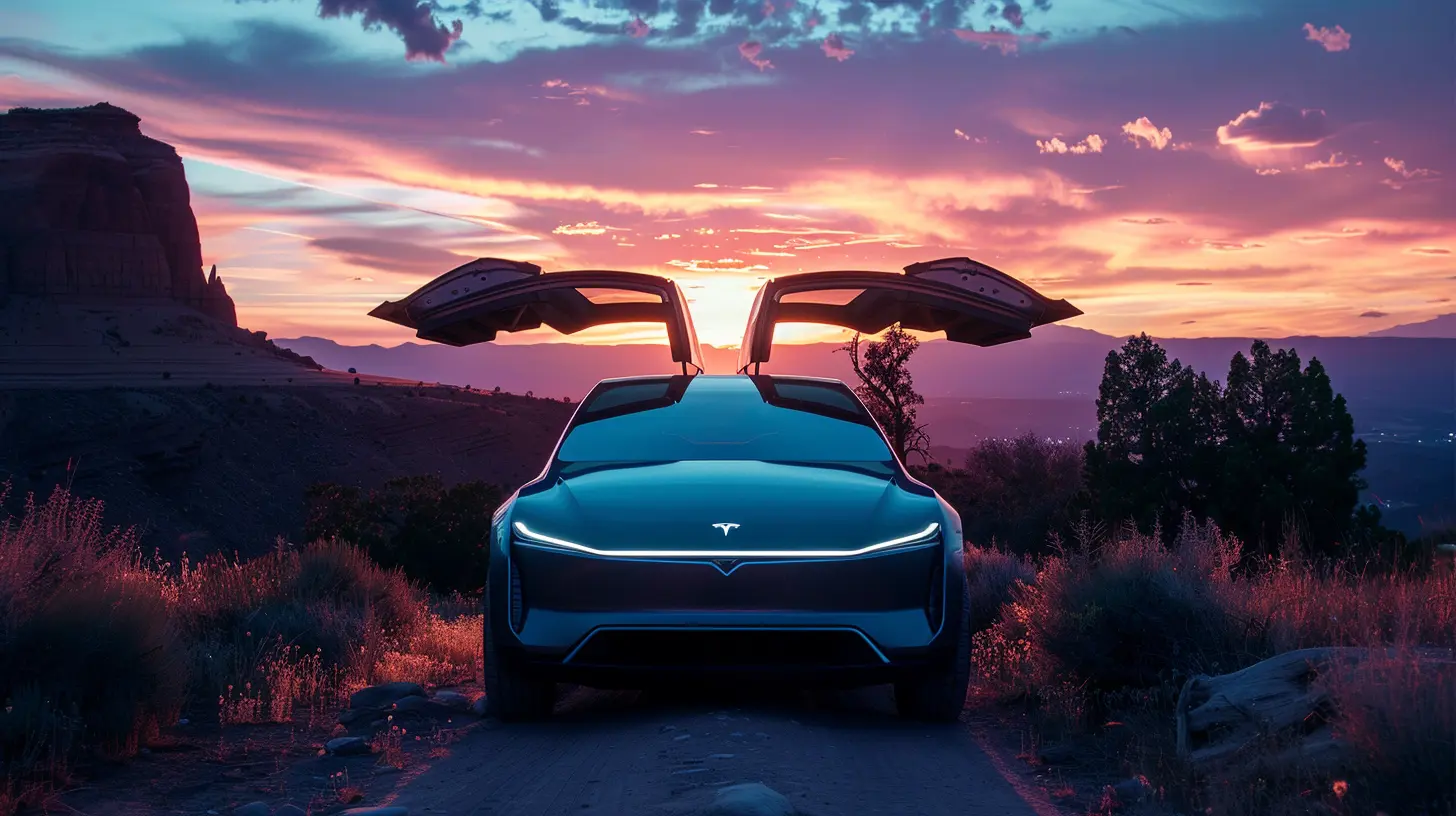
The connection between space technology and autonomous vehicles is only going to grow stronger. As space exploration continues to advance, we can expect to see even more breakthroughs that will benefit autonomous driving.For example, next-gen satellite systems could offer even more precise GPS data, making autonomous vehicles even more accurate. Advances in AI and machine learning, driven by space research, could enable self-driving cars to handle even more complex driving scenarios. And with the rise of 5G and beyond, communication between autonomous vehicles and road infrastructure is set to become faster and more reliable.
In a way, space technology is giving us the tools we need to create a future where autonomous vehicles are not just a novelty, but an everyday reality.

Conclusion
Who would have thought that the technology we use to explore space would end up driving the cars of the future? Whether it’s GPS, satellite imaging, sensors, communication networks, or AI, space technology is playing a huge role in the development of autonomous vehicles.As we continue to push the boundaries of space exploration, we’re also pushing the boundaries of what’s possible on Earth. So, the next time you hear about a self-driving car, remember that it’s not just about fancy algorithms or cool gadgets—it’s also about leveraging the same technology that helps us reach for the stars.
all images in this post were generated using AI tools
Category:
Space TechnologyAuthor:

Ugo Coleman
Discussion
rate this article
2 comments
Lillian McKay
Fascinating connection! How exactly do space tech innovations enhance autonomous vehicle capabilities? Can't wait to learn more!
February 14, 2026 at 5:02 AM
Ugo Coleman
Thank you! Space tech innovations, like advanced sensors and communication systems, improve navigation, data processing, and real-time environmental awareness in autonomous vehicles. Stay tuned for more insights!
Sadie Jordan
Space technology is revolutionizing autonomous vehicles, propelling innovation through advanced navigation systems, precision data analysis, and real-time communication. As we bridge these fields, the future of transportation promises not only efficiency but also unmatched safety—paving the way for a smarter, connected world.
February 5, 2026 at 4:51 AM
Ugo Coleman
Thank you for your insightful comment! Indeed, the integration of space technology is crucial for advancing autonomous vehicles, enhancing their safety and efficiency in our connected world.