How SpaceX is Paving the Way for Commercial Spaceflight
5 July 2026
In recent years, the space industry has seen an unprecedented surge in innovation, excitement, and hope for the future, with one name at the forefront of it all: SpaceX. Founded by Elon Musk in 2002, the company's ambitious goal was to revolutionize space travel, reduce costs, and, ultimately, make life multi-planetary. Fast forward to today, and SpaceX has done much more than just launch a few rockets. They are actively shaping the future of commercial spaceflight, and it’s happening right before our eyes.
So, how exactly is SpaceX paving the way for commercial spaceflight? Let’s dive in and explore everything from reusable rockets to groundbreaking missions and what this means for both space enthusiasts and businesses alike.
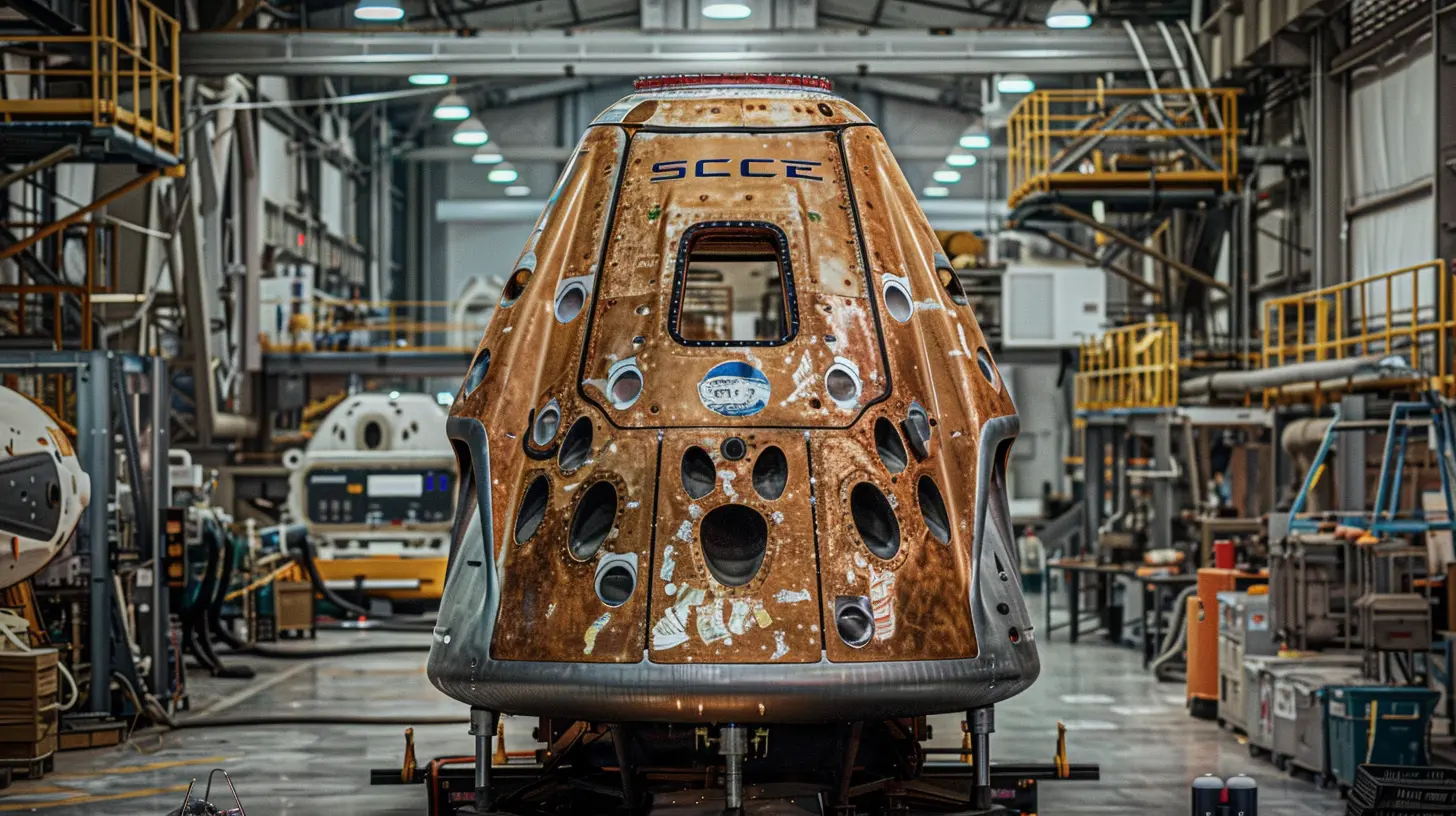
The Dream of Commercial Spaceflight: Why It Matters
Before we get into the nitty-gritty, let’s address the big question: Why does commercial spaceflight matter? For decades, space exploration was the exclusive domain of government agencies like NASA and Roscosmos. While these organizations achieved incredible things (hello, moon landings and Mars rovers), there were limitations—mainly, the astronomical costs and bureaucratic red tape.Enter private companies like SpaceX. The commercial spaceflight sector opens the door for private businesses, researchers, and even tourists to experience and utilize space in ways that were previously unimaginable. It shifts space exploration from a governmental venture into a commercial opportunity, where competition and innovation can thrive.
But it's not just about sending rich folks to space for kicks. Commercial spaceflight has the potential to create new industries, improve satellite communications, advance scientific research, and—dare we say it—lay the groundwork for colonizing Mars.
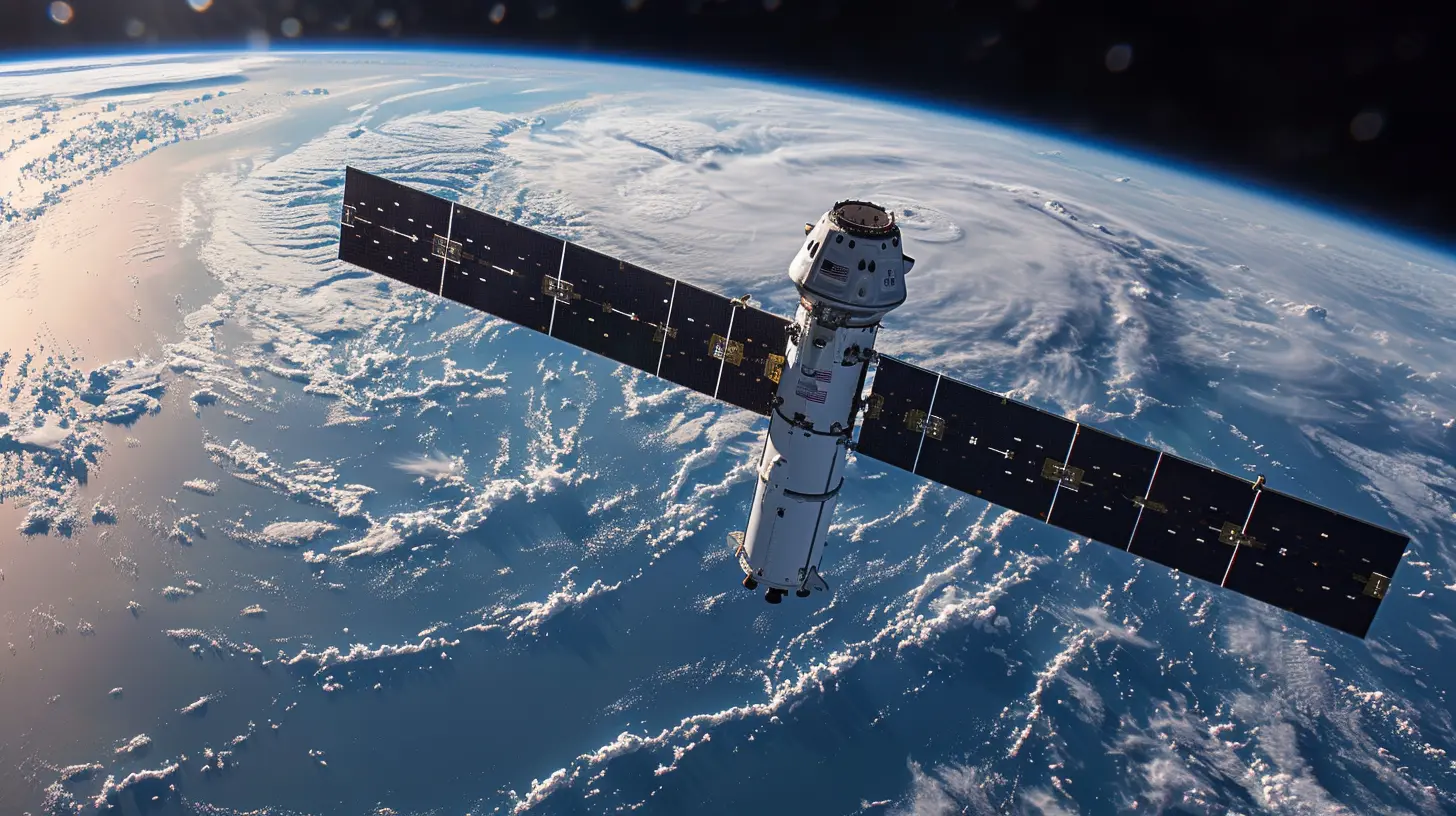
Reusable Rockets: The Game-Changer
SpaceX didn’t just want to build rockets; they wanted to build rockets that could be reused. Why? Because the cost of launching a traditional rocket is astronomical (pun intended), and most rockets are single-use. Imagine flying across the world and then throwing the airplane away after you land. Sounds ridiculous, right? That's essentially what we were doing with rockets.SpaceX set out to change that with the development of the Falcon 9 and Falcon Heavy rockets. These rockets are designed to return to Earth after launch, land vertically, and be used again for multiple flights. This concept of reusability has been a massive breakthrough in lowering the cost of space travel.
In fact, SpaceX has reused the same Falcon 9 rocket on numerous missions, which is unheard of in the rocket industry. By making rockets reusable, SpaceX has significantly driven down the cost per launch, making space more accessible—not just for governments, but for private companies, universities, and even individuals.
The Falcon 9 and Falcon Heavy
Let’s talk specifics. The Falcon 9 has been a workhorse for SpaceX. It’s a two-stage rocket that’s capable of delivering payloads (like satellites) into orbit and then returning the first stage back to Earth for reuse. This has revolutionized how we think about space travel, making it less wasteful and more efficient.Then there’s the Falcon Heavy, essentially a bigger, beefed-up version of the Falcon 9. With 27 engines, the Falcon Heavy is one of the most powerful rockets ever built, capable of lifting massive payloads into space. It’s been used for a variety of missions, including launching Tesla’s Roadster into orbit as part of a demonstration (because, why not?).
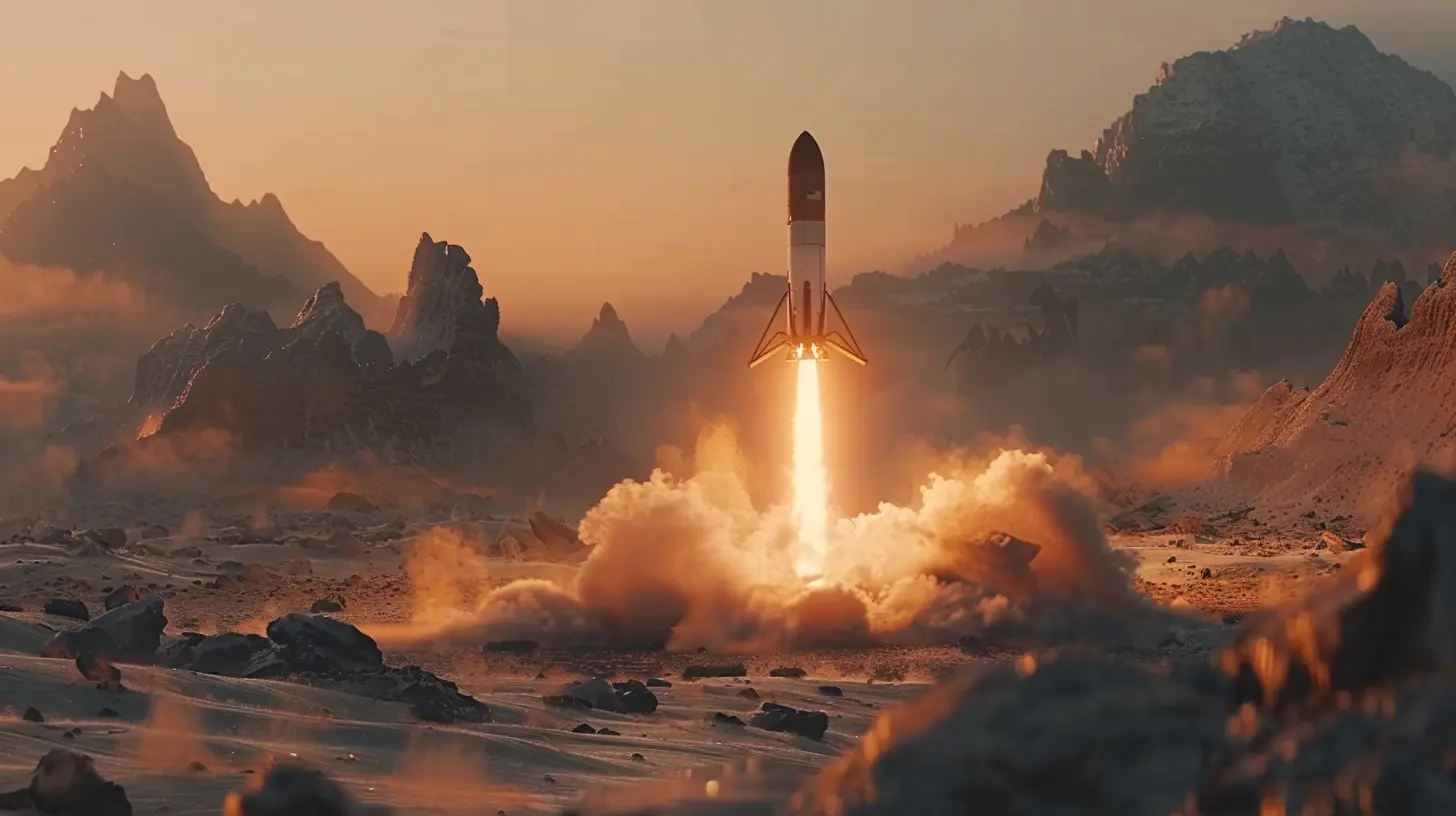
Starship: The Future of Space Travel
While the Falcon 9 and Falcon Heavy are impressive, they pale in comparison to SpaceX’s latest project: the Starship. If Falcon 9 is the family sedan of rockets, Starship is the spaceship right out of a sci-fi movie. It’s designed to be fully reusable, much larger, and capable of carrying humans to the Moon, Mars, and beyond.Starship is intended to be the cornerstone of SpaceX’s efforts to make life multi-planetary. It’s the rocket that Musk hopes will eventually take humans to Mars and establish a colony there. But its applications aren't limited to Mars. Starship could also be used for space tourism, cargo missions to the moon, and even point-to-point travel on Earth. Imagine flying from New York to Tokyo in under an hour—Starship could make that happen.
Currently, Starship is still in the testing phase, but the potential it holds is enormous. If SpaceX can get Starship operational, it could reduce the cost of space travel even further and open up entirely new commercial markets.
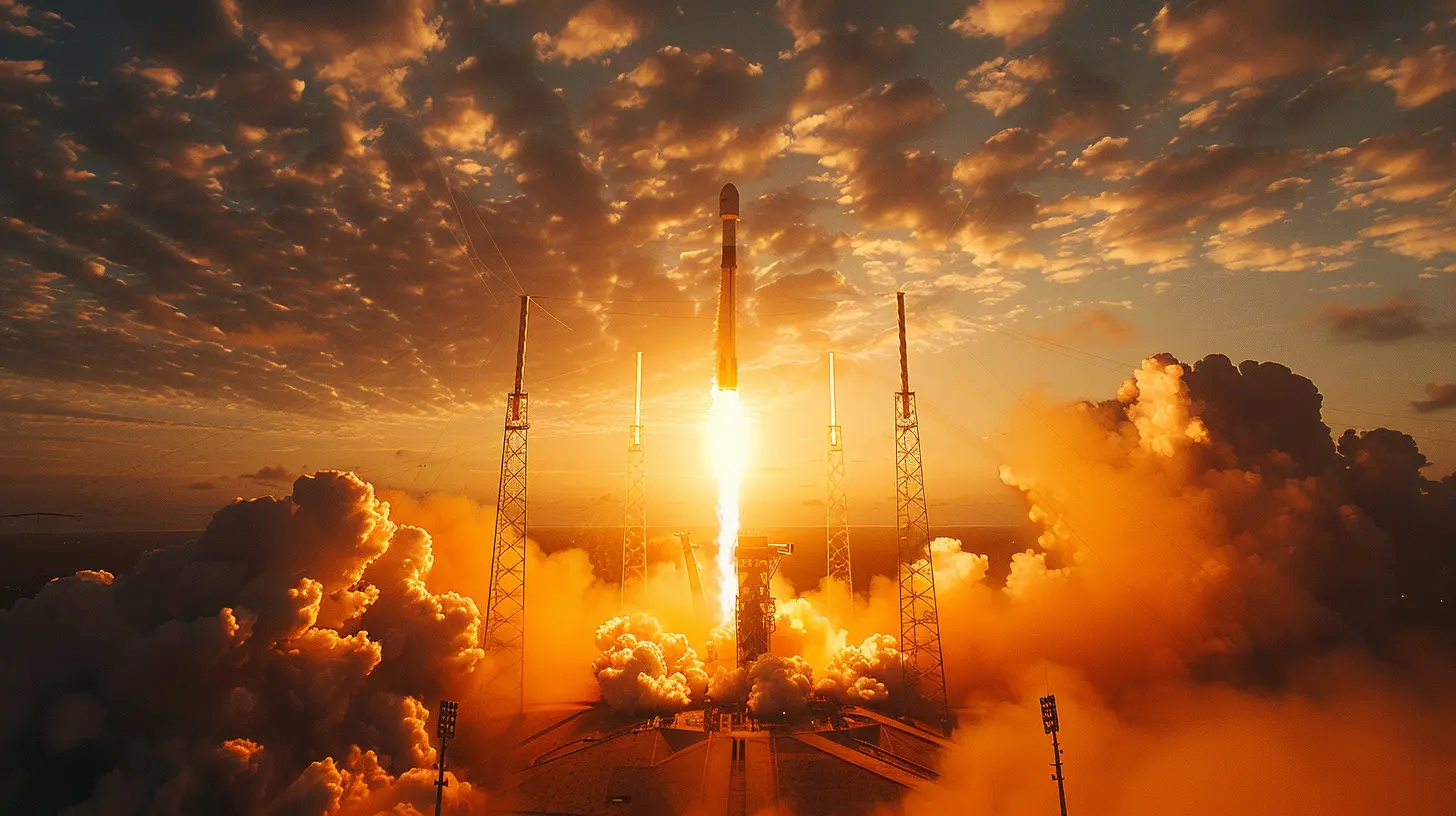
NASA Partnerships: A Boost for SpaceX
SpaceX’s success hasn’t happened in isolation. One of the key factors in their rise has been their partnerships with NASA. SpaceX has been a major contractor for NASA’s Commercial Crew Program, which aims to return human spaceflight capabilities to the United States.In May 2020, SpaceX made history by launching astronauts aboard their Crew Dragon spacecraft to the International Space Station, marking the first time a private company had sent humans into orbit. This partnership has been mutually beneficial: NASA gets a more cost-effective way to get astronauts into space, and SpaceX gains credibility and valuable experience.
The relationship between NASA and SpaceX has been a shining example of how public-private partnerships can accelerate technological advancements. The collaboration has allowed NASA to focus on more distant goals, like returning to the Moon and Mars, while SpaceX handles the heavy lifting of launches and crewed missions.
Space Tourism: The Final Frontier?
Now, let’s talk about something a little more glamorous: space tourism. Yes, SpaceX isn’t just interested in launching satellites or ferrying astronauts to the ISS. They want to take you (yes, you!) to space.In recent years, SpaceX has announced partnerships with companies like Space Adventures to offer seats aboard their spacecraft for civilian passengers. The idea of space tourism has been teased for decades, but now, thanks to SpaceX’s advancements, it’s becoming a reality. SpaceX plans to use its Crew Dragon capsule to carry private citizens into orbit, and eventually, they hope Starship will ferry tourists to the Moon and even Mars.
In fact, Japanese billionaire Yusaku Maezawa has already booked a trip around the Moon aboard Starship, slated for the coming years. While space tourism is still in its infancy, it’s clear that SpaceX is positioning itself as a leader in this emerging market. Who knows? In a few decades, a vacation in orbit may be as common as a cruise to the Bahamas.
The Role of Starlink in Commercial Spaceflight
SpaceX's ambitions in space aren’t just limited to rockets and space tourism. They’re also working on Starlink, a massive satellite network designed to provide high-speed internet to every corner of the globe. While this might not seem directly related to spaceflight, it’s actually a crucial piece of the puzzle.Starlink has the potential to generate billions of dollars in revenue for SpaceX, which can then be funneled into more ambitious projects like Starship and Mars colonization. Additionally, the success of Starlink could create new demand for satellite launches, further driving down the cost of getting to space and making commercial spaceflight more viable.
Plus, imagine being able to video chat with your family from space thanks to Starlink. That’s the kind of future we’re looking at.
Challenges Ahead: It’s Not All Smooth Sailing
Of course, it’s not all sunshine and rainbows for SpaceX. Despite their incredible achievements, there are still significant challenges ahead. Space travel is inherently risky, and there have been setbacks. Rockets have exploded, deadlines have been missed, and critics have raised concerns about the environmental impact of launching so many rockets.Then there’s the issue of regulation. As space becomes more commercialized, there will need to be new laws and frameworks to govern everything from satellite traffic to space tourism safety. It’s a bit like the Wild West up there right now, and figuring out how to manage this new frontier will be a significant hurdle.
But if there’s one thing SpaceX has proven, it’s that they don’t shy away from challenges. In fact, they seem to thrive on them.
The Future of SpaceX and Commercial Spaceflight
So, what’s next for SpaceX and commercial spaceflight? The sky’s not even the limit anymore—SpaceX is thinking much bigger. They’re aiming for Mars, and they’re not shy about it. In the coming years, we can expect to see more advancements in reusable rockets, more partnerships with NASA and other organizations, and yes, more space tourists.But the real game-changer will be when Starship becomes fully operational. If SpaceX can make this happen, the cost of space travel could drop dramatically, opening up the possibility of not just exploring space, but living there.
It’s a bold vision, but if any company can pull it off, it’s SpaceX. With their combination of innovation, ambition, and a bit of Elon Musk’s flair for the dramatic, SpaceX is undeniably paving the way for a new era of commercial spaceflight.
Conclusion: The Space Age is Here
In many ways, we’re living in the future we always dreamed about as kids. SpaceX has taken what once seemed like the stuff of science fiction and turned it into reality. From reusable rockets to partnerships with NASA, and from space tourism to Mars colonization, SpaceX is leading the charge into a new era of space exploration.And the best part? This is just the beginning. As SpaceX continues to push the boundaries of what’s possible, the age of commercial spaceflight is no longer a distant dream—it’s happening right now.
all images in this post were generated using AI tools
Category:
Space TechnologyAuthor:

Ugo Coleman
Discussion
rate this article
1 comments
Kael Ward
SpaceX is turning dreams of space travel into reality for everyday people. Their ambitious projects make it feel like we're on the brink of a new era where orbiting the Earth is no longer just for astronauts. Exciting times ahead!
July 12, 2026 at 11:44 AM
Ugo Coleman
Absolutely! SpaceX is breaking barriers and making space travel accessible. It truly feels like we are entering a thrilling new chapter in exploration.