How Sustainable Tech is Shaping the Future of Fashion
25 January 2026
In recent years, the fashion industry has witnessed a seismic shift — not just in style, but in the way we create, consume, and think about clothing. At the heart of this transformation is the growing demand for sustainability. But what’s really driving this change? You guessed it: technology. Sustainable tech is revolutionizing the fashion world, and it's not just a fleeting trend. It's shaping the future of fashion in ways that we could not have imagined just a decade ago. So, how exactly is sustainable tech making waves? Let’s dive in.

The Intersection of Fashion and Technology
Fashion and technology, two seemingly disparate fields, are now merging in fascinating ways. Traditionally, fashion has been seen as a creative and artistic domain, while technology has been more about efficiency and innovation. But when these two worlds collide, magic happens.Think about it: technology is that genius friend who always knows the shortcut, while fashion is the artistic soul who creates beauty from nothing. Together, they are changing the way clothes are designed, produced, and even worn. And the driving force behind this union? Sustainability.
Why Sustainability Matters More Than Ever
Before we delve into the tech side of things, let’s talk about why sustainability is such a big deal in fashion. The fashion industry has long been criticized for its massive environmental impact. From water pollution caused by textile dyeing to the overcrowded landfills overflowing with discarded garments, fashion has not always been friendly to our planet. In fact, the industry is responsible for about 10% of global carbon emissions and uses around 93 billion cubic meters of water annually. Yikes, right?But here’s the good news: consumers are waking up. People are becoming more conscious of their choices and are demanding more from brands. They want clothes that look good, feel good, and do good for the planet. And that’s where sustainable tech steps in.
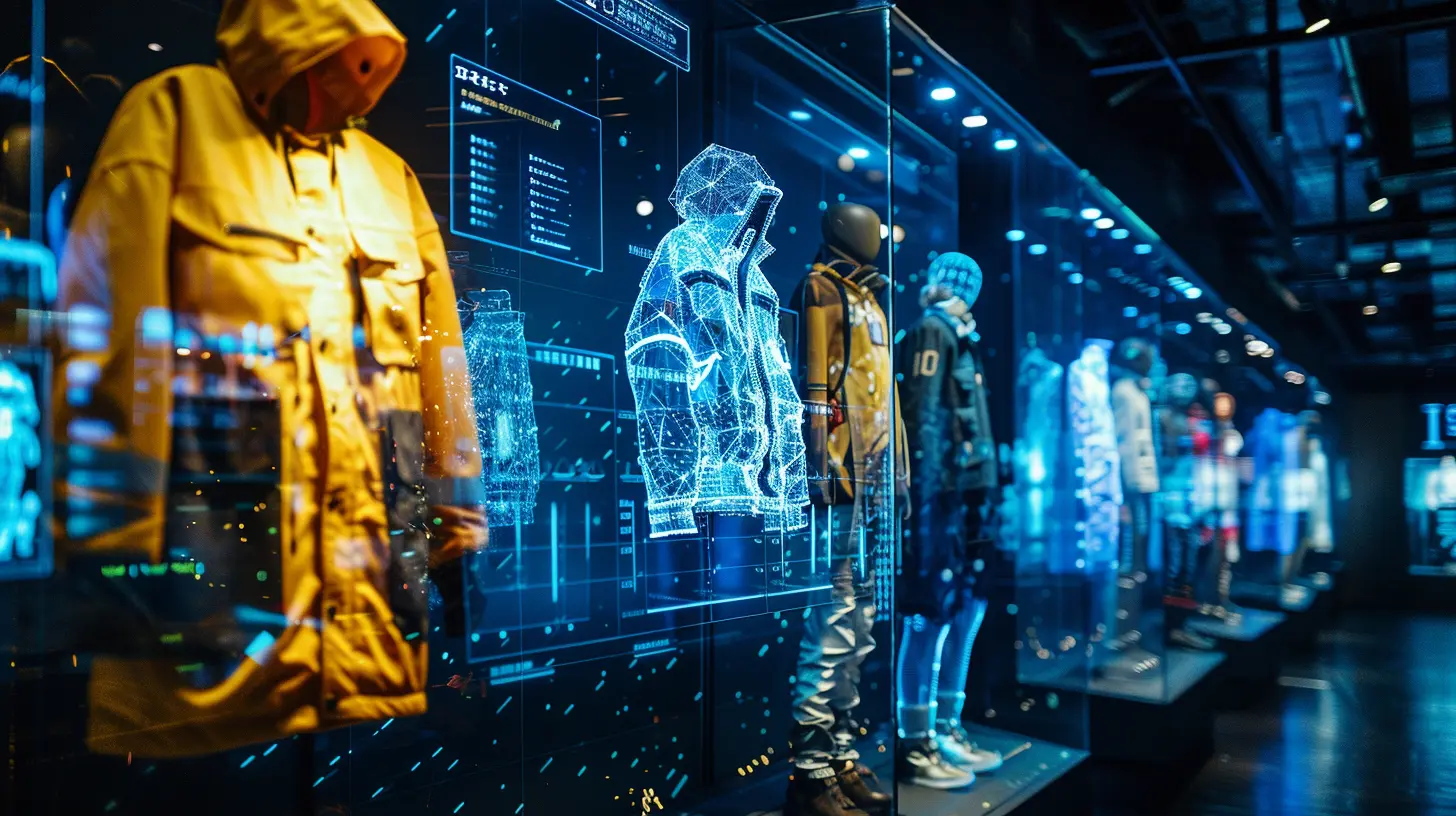
The Role of Sustainable Tech in Fashion
So, what exactly is sustainable tech, and how is it influencing fashion? Simply put, sustainable tech refers to any technology that promotes sustainability — reducing waste, conserving resources, and minimizing environmental harm. In the context of fashion, sustainable tech encompasses innovations in materials, manufacturing processes, and even how we wear and dispose of clothing.Here are some of the key ways sustainable tech is shaping the future of fashion:
1. Eco-Friendly Fabrics: The Rise of Bio-based Materials
When you think of sustainable fashion, the first thing that probably comes to mind is eco-friendly materials. Traditional textiles like cotton and polyester have a huge environmental footprint. Cotton farming uses tons of water and pesticides, while polyester is made from petroleum and contributes to plastic pollution. But sustainable tech is offering alternatives that are both stylish and green.a. Plant-Based Textiles
Enter bio-based materials. These are fabrics made from renewable sources like plants or algae. For instance, Tencel is a fabric derived from wood pulp. It’s biodegradable, uses less water in production, and feels incredibly soft — a win-win for both fashionistas and Mother Nature.Another cool innovation? Piñatex, a leather-like material made from pineapple leaves. That’s right, your shoes could soon be made from leftover pineapple leaves! Not only does this reduce waste from the fruit industry, but it also offers a cruelty-free alternative to traditional leather.
b. Lab-Grown Leather
Speaking of leather, how about growing it in a lab? Companies like Modern Meadow are pioneering lab-grown leather, which replicates the texture and durability of animal leather without the environmental and ethical concerns. This is a game-changer for the fashion industry, allowing designers to create high-quality products without harming animals or the planet.2. 3D Printing: A New Frontier in Fashion Design
3D printing is not exactly new, but its application in fashion is still in its infancy. This technology allows for the creation of intricate designs without the need for traditional sewing or cutting processes, which often result in fabric waste.With 3D printing, designers can create garments with minimal waste, using only the necessary amount of material. Plus, the possibilities for customization are endless. Imagine being able to print a dress that fits your body perfectly, down to the millimeter. No more ill-fitting clothes or awkwardly long sleeves!
But 3D printing is not just about aesthetics. Adidas has already jumped on this bandwagon with their Futurecraft 4D shoes, which use 3D printing technology to create soles that are tailored to each individual’s foot shape and running style. This not only enhances performance but also reduces the need for mass production, which in turn cuts down on waste.
3. Circular Fashion: Closing the Loop
One of the biggest challenges in fashion is what happens after we’re done with our clothes. Right now, most garments end up in landfills, where they take years (if not centuries) to break down. But sustainable tech is offering solutions through circular fashion.a. Recycling Innovations
Companies like Worn Again and Evrnu are developing technologies that can recycle old clothing into new fibers. This means that instead of throwing your worn-out jeans into the trash, they could be transformed into a brand-new pair. Pretty cool, right?Even big brands like H&M and Nike are getting in on the action. H&M’s Conscious Collection features garments made from recycled materials, while Nike’s Grind program turns old sneakers into new shoes or sports surfaces.
b. Renting and Reselling Platforms
Another aspect of circular fashion is the rise of renting and reselling platforms. Apps like Rent the Runway and ThredUp are making it easier than ever to give your clothes a second life. Instead of buying a dress you'll only wear once, why not rent it? Or, if you have items you no longer wear, you can sell them to someone else who will love them. This not only extends the life of garments but also reduces the demand for new clothes, which in turn reduces production-related pollution.4. Smart Textiles: Fashion That Does More Than Look Good
Imagine if your clothes could charge your phone, monitor your heart rate, or adapt to the weather. Sounds like something out of a sci-fi movie, right? But smart textiles are already here, and they’re taking sustainable fashion to the next level.a. Clothes That Adapt
One of the drawbacks of fast fashion is that it encourages us to buy more clothes than we need. But what if one garment could serve multiple purposes? That’s the idea behind adaptive clothing. For example, researchers are developing jackets that can change their insulation levels based on the temperature. So instead of buying a separate winter coat and spring jacket, you could have one versatile piece that adapts to different weather conditions. This reduces the need for multiple purchases and, by extension, the resources needed to produce them.b. Wearable Tech
Wearable tech is another exciting frontier. Imagine workout clothes that monitor your heart rate, calories burned, and even hydration levels. This kind of tech not only enhances the functionality of clothing but also encourages a more mindful consumption pattern. Why buy multiple gadgets when your clothes can do the job?5. AI and Data-Driven Design: Perfecting the Fit
Artificial Intelligence (AI) is making a big splash in fashion, and it’s not just about virtual try-ons (although that’s pretty cool too). AI is helping brands design clothes that fit better, last longer, and are made more sustainably.By analyzing customer data, AI can predict trends, optimize inventory, and reduce overproduction. This is huge because overproduction is one of the leading causes of waste in the fashion industry. When brands produce more than they can sell, the excess often ends up in landfills or incinerators. By aligning production with actual demand, AI can help cut down on this waste and create a more sustainable fashion ecosystem.
AI is also being used to personalize the shopping experience. Companies like True Fit analyze body measurements and preferences to recommend clothes that will fit and flatter your unique shape. This not only reduces the likelihood of returns (which create unnecessary shipping emissions) but also encourages more thoughtful purchases.

The Challenges of Sustainable Tech in Fashion
Of course, it’s not all smooth sailing. As exciting as these innovations are, there are still challenges to overcome. For one, sustainable tech can be expensive to implement, especially for smaller brands. There’s also the issue of consumer education — many people still aren’t aware of the environmental impact of their clothing choices, let alone the solutions that exist.Additionally, while sustainable materials and processes are becoming more popular, they’re not yet the industry standard. Fast fashion brands still dominate the market, and changing the status quo will take time, effort, and, most importantly, consumer demand.

Looking Ahead: The Future of Sustainable Fashion
So, what does the future hold for sustainable fashion? In a word: innovation. As technology continues to evolve, we can expect even more groundbreaking solutions that make fashion not just more sustainable, but also more exciting. From clothes that clean the air to fabrics that heal the skin, the possibilities are endless.But ultimately, the future of fashion depends on all of us. It’s not just about the tech — it’s about how we choose to engage with it. As consumers, we have the power to demand better, more sustainable options from the brands we support. And as brands continue to innovate, we’ll start to see a fashion industry that’s not only stylish but also ethical and eco-friendly.
all images in this post were generated using AI tools
Category:
Environmental TechAuthor:

Ugo Coleman
Discussion
rate this article
2 comments
Remi McNaughton
Sustainable tech transcends mere trends, demanding a reimagining of fashion’s lifecycle—inviting us to consider not just style, but the ethical and environmental footprints of our choices.
February 20, 2026 at 5:17 AM
Ugo Coleman
Absolutely! Sustainable tech encourages us to rethink fashion's impact, prioritizing ethical practices and environmental sustainability alongside style.
Wesley Phillips
This article beautifully highlights the intersection of sustainability and technology in the fashion industry. It's inspiring to see how innovative solutions are reshaping practices and promoting ethical consumption. I believe that with continued awareness and collaboration, we can truly revolutionize fashion for a more sustainable future. Thank you for sharing these insights!
January 25, 2026 at 3:28 AM
Ugo Coleman
Thank you for your thoughtful comment! I completely agree that innovation and collaboration are key to driving sustainability in fashion. I'm glad you found the article inspiring!