How Telecom Is Enabling the Next Generation of Smart Factories
12 July 2026
The factory floor is no longer just a place of conveyor belts and buzzing machines operated by humans in hard hats. Welcome to the era of smart factories—next-level manufacturing hubs where machines talk to each other, decisions are made in milliseconds, and data is the heartbeat of production. But here's the kicker: none of this futuristic goodness is possible without one critical backbone—telecom.
In this article, we’re going to unpack how telecom is playing the unsung hero in powering smart factories. From 5G networks to edge computing and IoT, telecom is quietly revolutionizing how products are made, moved, and managed. So, grab your coffee, and let’s take a deep dive into the digital transformation of manufacturing.
What Exactly Is a Smart Factory Anyway?
Let’s break it down nice and easy. A smart factory is a high-tech production space where physical machines and digital technologies merge. Think AI-driven robots, interconnected sensors, cloud computing, and real-time analytics all working together in harmony. Imagine Iron Man’s lab, but for making cars, electronics, or even sneakers.The goal? To be faster, more efficient, flexible, and resilient. Smart factories self-optimize, self-adapt, and even self-heal. Seriously—if a machine breaks, it can alert maintenance before it causes a problem. Pretty clever, right?
But all of this connectivity and automation doesn’t work in a vacuum. It needs an ultra-reliable, high-speed communication network to function smoothly. That’s where telecom steps in to shine.
The Role of Telecom in Smart Factories
At its core, telecom provides the communication infrastructure smart factories rely on. But it’s not just about voice or internet. We're talking about the wireless networks, protocols, and data highways that allow machines, systems, and people to interact in real time.Let’s zoom into the key telecom technologies making all this possible.
5G: The Superstar of Smart Manufacturing
If telecom was a rock band, 5G would be the lead guitarist. It’s fast, flashy, and game-changing.Why 5G Matters in Smart Factories
Remember buffering video streams or laggy video calls on 4G? Now imagine trying to control a robot or monitor high-speed assembly lines with that kind of delay. No thanks.5G works differently. It offers lightning-fast speeds (up to 100x faster than 4G), ultra-low latency (we’re talking milliseconds), and the ability to connect thousands of devices in one place—you know, like a bustling factory floor.
Here’s how 5G powers smart manufacturing:
- Real-Time Control: Robots and machinery can be controlled with near-zero delay, making precision tasks safer and more reliable.
- Massive IoT Connectivity: Smart factories use tons of sensors and connected devices. 5G supports them all, without dropping the ball.
- Increased Mobility: 5G’s wireless nature means fewer cables. Machines and equipment can move freely or be reconfigured without network hassles.
In short, 5G is to smart factories what electricity was to the first industrial revolution.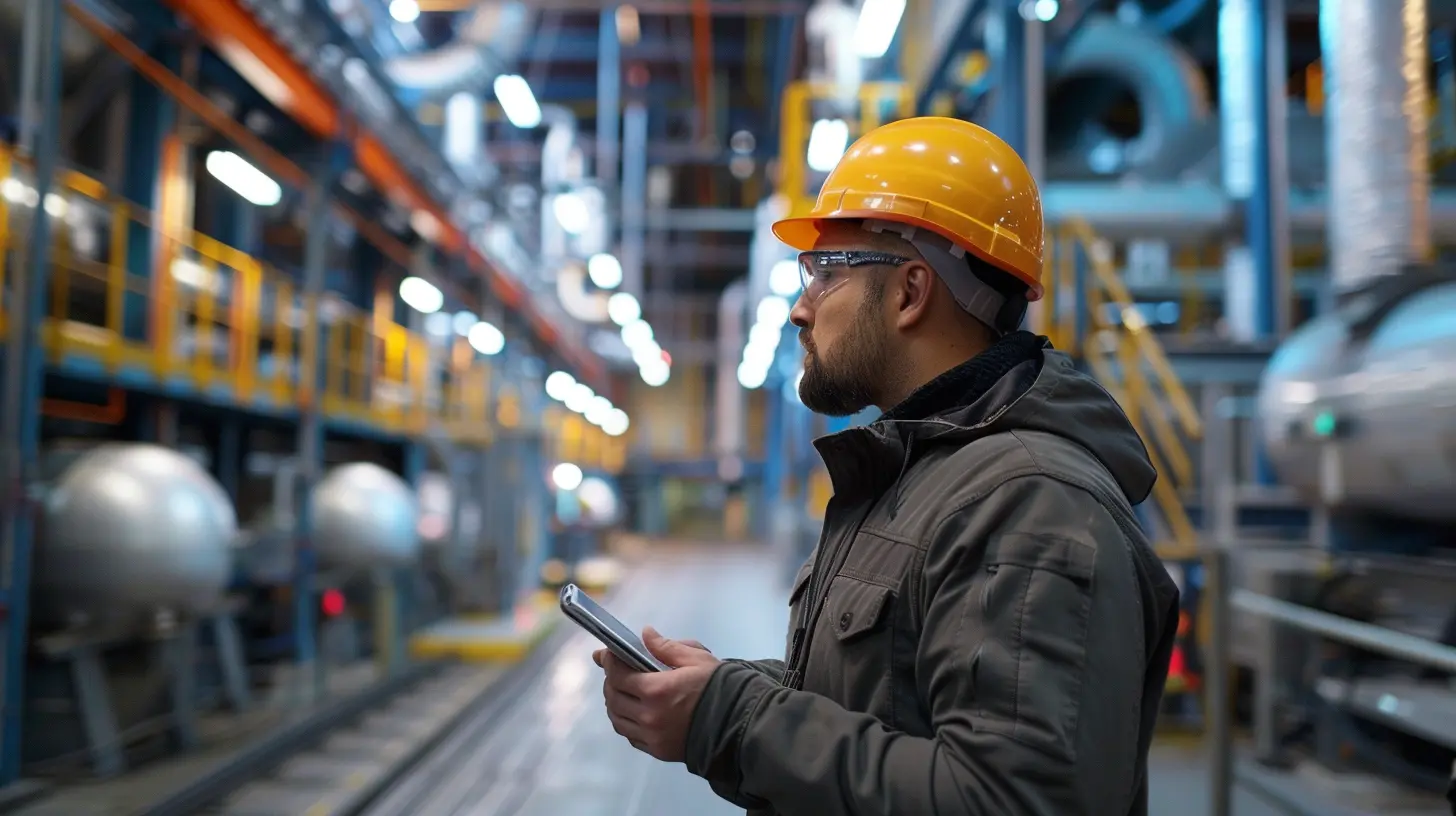
IoT and the Industrial Internet of Things (IIoT)
Let’s talk about the Internet of Things—specifically the Industrial kind. IIoT basically means putting sensors and internet connectivity into machines, tools, and systems on the manufacturing floor.How Telecom Supports IIoT
Every sensor or connected device needs to send data somewhere. Telecom networks carry that data instantly and securely, enabling:- Predictive Maintenance: Machines can tell when they’re about to fail.
- Real-Time Analytics: Data can be analyzed on the fly to optimize operations.
- Energy Monitoring: Track energy usage to reduce waste and cut costs.
Think of telecom here as the nervous system of the factory, carrying signals from every ‘nerve ending’ (sensor) to the brain (AI/analytics systems) for instant decisions.
Edge Computing: Processing Power Where It's Needed
Let’s paint a picture. If your smart factory sends all its data to a distant cloud for processing, that takes time. Sometimes, even half a second is too long. Enter edge computing—a game changer.Edge computing processes data near the source—on-site or really close—so decisions are faster and more efficient.
Telecom’s Role in Edge Computing
Telecom providers are setting up edge data centers close to industrial zones, ensuring minimal lag and high-speed connections. This combo of edge computing + robust telecom = rapid-fire response times for:- Machine learning
- Robotics coordination
- Quality control and inspection systems
So yes, telecom doesn’t just deliver data—it helps crunch it right where it's needed.
Private 5G Networks – Customized Connectivity
Imagine owning your own secure, high-speed, wireless network—built just for your factory. That’s what Private 5G is all about.Telecom companies are now offering customized private 5G networks for manufacturers. It’s like having a private highway for your data, with no public traffic to slow you down.
Benefits of Private 5G for Smart Factories
- Security: All your data stays within the factory’s walls.- Reliability: No network congestion from the outside world.
- Customization: You control bandwidth, devices, and priorities.
For industries like automotive, aerospace, and pharmaceuticals, where every second matters and data privacy is key, private 5G is an absolute no-brainer.
Cloud & Hybrid Networks: Scaling Smartness
While edge computing handles quick decisions on-site, the cloud plays a crucial role in long-term data storage, analytics, and AI training.But here’s the thing: smart factories need balance. That’s where hybrid networks come in—blending edge computing and cloud resources for optimal performance.
Telecom providers are the glue that holds this hybrid model together, offering secure tunnels between edge devices and cloud servers.
Benefits?
- Scalability: Add more machines or capabilities without a total overhaul.
- Flexibility: Run some processes on-site, others in the cloud.
- Collaboration: Seamless sharing across locations, departments, or even continents.
Smart factories don’t just live in one building—they’re part of a global network. And telecom makes sure they’re always connected.
Real-Life Examples: Telecom in Action
This all sounds great in theory—but what about the real world? Let’s look at some examples where telecom is turning factories into high-tech wonderlands:Bosch
Bosch deployed private 5G networks in its factories to enhance flexibility and connect autonomous machines. They saw a sharp improvement in operational efficiency and safety.BMW
BMW’s plant in Germany uses 5G networks to connect welding robots and assembly machines. The result? Smoother operations, less downtime, and precise coordination between machines.Ericsson
Yes, the telecom giant walks the talk. Ericsson’s manufacturing plant in Estonia runs on its own 5G network to monitor processes, deploy software to robots wirelessly, and continuously optimize via AI.These examples prove one thing: telecom isn’t just supporting smart factories. It’s driving them.
Challenges and Considerations
Now let’s not sugarcoat things—there are still bumps on the road.- Upfront Costs: Deploying 5G and IIoT devices doesn’t come cheap.
- Cybersecurity: More connectivity means more entry points for hackers.
- Skill Gaps: Not every factory has a team of data scientists or network engineers.
That said, telecom providers are stepping up by offering managed services, built-in security layers, and training programs. The digital shift isn’t always easy, but the long-term payoff? Oh, it’s worth it.
The Future: Telecom + AI = Autonomous Factories
Let’s go a step further. Right now, telecom helps factories become smart. But in the future, it’ll help them become autonomous.Imagine a factory where:
- Production lines self-correct in real time
- Maintenance is predictive and automated
- Orders are received, produced, and shipped with minimal human input
This isn't science fiction—it’s tomorrow’s norm. With the synergy of AI, edge computing, and ultra-low-latency telecom networks, factories could soon operate with almost full autonomy.
Wrapping It Up
So there you have it. Smart factories aren’t just about snazzy robots or flashy dashboards. At their core, they’re powered by robust telecommunications networks that keep everything talking, thinking, and optimizing.From 5G to edge computing, from IoT to hybrid clouds, telecom is quietly—but powerfully—enabling the next generation of manufacturing. It’s the invisible force pushing factories toward a future that’s fast, flexible, and fiercely innovative.
Now the only question is: Is your factory ready to ride the telecom-powered wave?
all images in this post were generated using AI tools
Category:
TelecommunicationAuthor:

Ugo Coleman
Discussion
rate this article
1 comments
Teagan Long
So, we're giving robots the power to text each other now? Just imagine a factory where machines gossip about downtime like they're in a coffee shop. "Did you hear about the conveyor belt? Totally broke down during its coffee run!
August 17, 2026 at 4:07 AM
Ugo Coleman
It does sound like a scene from a sci-fi comedy, but the reality is that these connections can help prevent downtime and improve efficiency in ways we haven't imagined yet.