How Telecom Networks Are Supporting the Growth of Edge AI
18 July 2026
Artificial Intelligence isn’t just something you read about in futuristic novels anymore—it’s right here, right now, and it’s evolving faster than ever. One of the most exciting trends in AI is Edge AI—the ability to process data locally, right where it’s generated, instead of sending it off to a distant cloud. But here’s the catch: for Edge AI to work like a charm, it needs a powerful, low-latency, always-on network. That’s exactly where telecom networks step in.
So, how are modern telecom networks rising to the challenge? How are they enabling the spread and evolution of Edge AI? Let’s break it all down.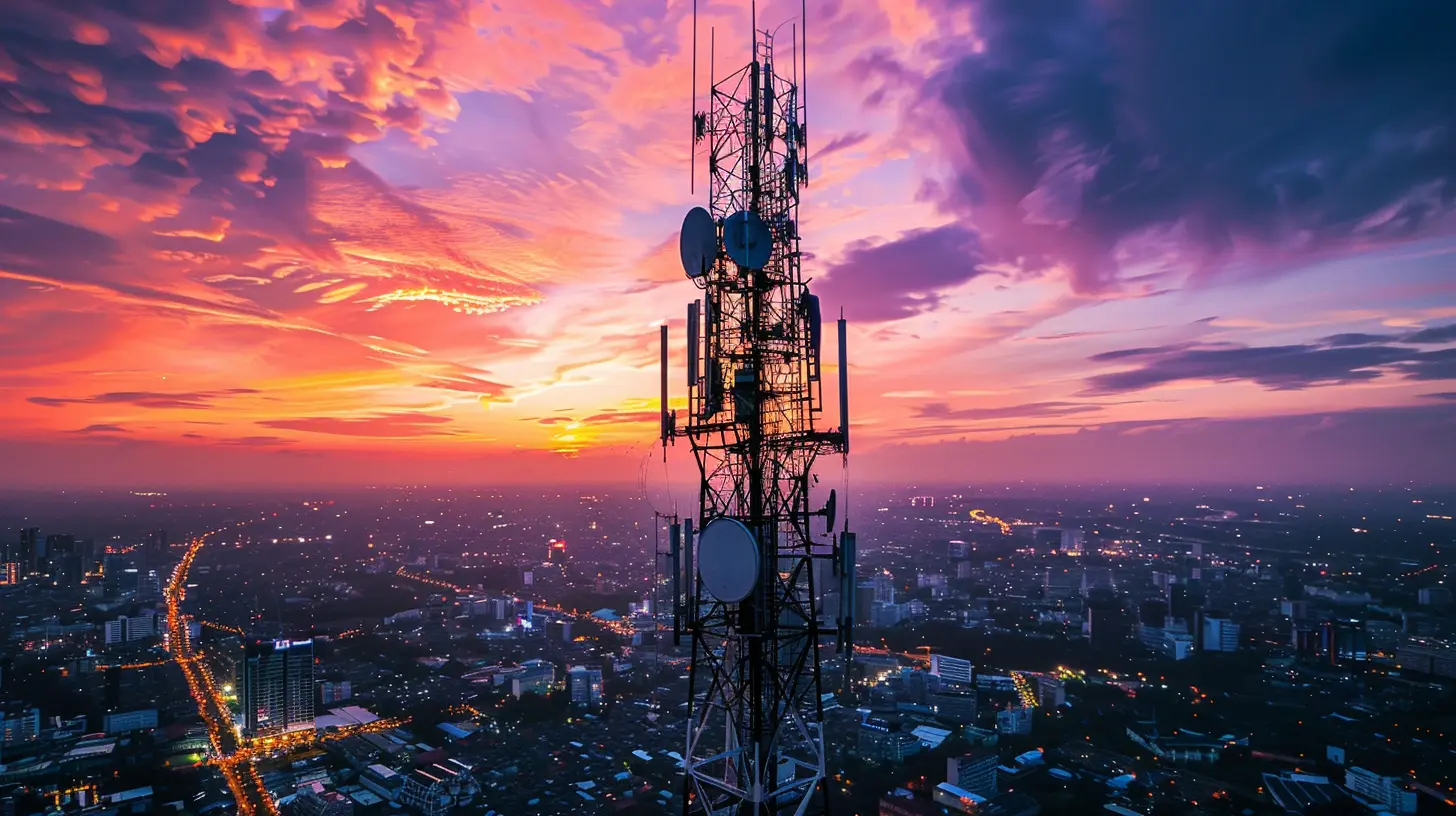
What Exactly Is Edge AI?
Before we dig into the techy trenches, let's get on the same page.Edge AI is the fusion of Edge Computing and Artificial Intelligence. It means running AI algorithms directly on devices like smartphones, IoT gadgets, smart cameras, and even autonomous vehicles—basically any "edge" device that sits at the perimeter of your network.
Instead of collecting data and shipping it off to cloud data centers, Edge AI processes that data locally. That means decisions get made ultra-fast (we’re talking milliseconds), securely, and without clogging up your network.
Cool, right?
But—and it’s a big but—Edge AI can’t do all this magic on an island. It needs a crazy fast, super-reliable, low-latency network to support it.
Enter: telecom networks.
The Role of Telecom Networks in the Edge AI Revolution
Telecom networks are the unsung heroes in this story. They’re not just helping Edge AI—they’re the backbone, the secret sauce that’s making it all possible.Let’s dive into how.
1. Low Latency: The Need for Speed
You know how frustrating it is when your Wi-Fi lags while streaming? Imagine that kind of lag in an autonomous car or a robotic surgery tool. Yeah—not good.Edge AI thrives on low latency, and modern telecom networks (looking at you, 5G) are designed to deliver it. We’re talking sub-10 millisecond latency times, which is basically real-time. This kind of speed is critical when split-second decisions can make or break the outcome.
Think of it this way: if data were pizza ingredients, latency would be delivery speed. Telecom networks make sure that the pizza (data) gets to the edge piping hot (in real-time) so the AI can serve it right up.
2. Massive Device Connectivity
The number of connected devices is exploding—like, we’re talking tens of billions. From wearables to smart factories, it’s an endless list.Each of those devices can be an Edge AI node, but only if they’re connected. This is another area where telecom networks shine. Thanks to innovations like 5G and NB-IoT (Narrowband IoT), telecom networks can support an insane number of devices simultaneously without choking.
Imagine a massive, buzzing beehive—each bee doing its job while staying in constant touch with the rest. That’s what telecom networks enable: a hyper-connected swarm of smart devices, all working in sync.
3. Network Slicing: Custom Lanes for Traffic
Not all data is created equal. A signal from a self-driving car? Priority. A text message in a group chat? Not so much.Telecom providers get this, which is why they’re rolling out network slicing. With network slicing, networks can create separate “lanes” or segments, each tailored to a specific task or set of devices.
Edge AI benefits majorly from this. Critical applications get their own high-priority, high-bandwidth channel, while less urgent data takes the back seat. It’s like giving ambulances a fast lane on a busy freeway.
4. Improved Mobile Edge Computing (MEC)
Mobile Edge Computing is the practice of placing computing resources closer to the user—basically local mini-clouds within the telecom network.Telecom providers are embedding MEC nodes right at their base stations and data centers. This means that when your edge device crunches data, it doesn’t have to reach halfway across the country to sync up with another system—it just pings the nearby MEC node.
This local proximity slashes latency and improves real-time performance, making Edge AI smarter and quicker.
5. Security and Privacy Enhancements
When you keep data processing at the edge, you reduce your exposure to widespread cyber threats. But telecom networks bring an added layer of protection.Telecom operators are integrating AI-driven security protocols directly into their networks, using anomaly detection, traffic monitoring, and threat response systems. This layered defense mechanism helps secure the entire Edge AI ecosystem.
And in a world where data privacy is a hot-button issue, having local processing and strong network security is a winning combo.
Real-Life Use Cases: Where Edge AI & Telecom Are Teaming Up
All this sounds great in theory—but what’s happening in the real world? Let’s check out a few real-world scenarios where telecom networks and Edge AI are already making waves.Smart Cities
Ever seen a traffic light adjust itself in real-time based on traffic flow? That’s Edge AI doing its thing, powered by a telecom network. Cameras and sensors at intersections analyze vehicle patterns and adjust lights dynamically—cutting congestion and improving safety.And it doesn’t stop there—smart utilities, waste collection, and surveillance are all benefiting from this dynamic duo.
Autonomous Vehicles
Self-driving cars need to make decisions in milliseconds. They rely on local sensors for immediate inputs but also communicate with other vehicles and infrastructure for broader awareness.5G networks provide the low-latency, high-bandwidth connectivity required to sync all these systems in real time. Without robust telecom support, autonomous driving would be a pipe dream.
Industrial Automation
Factories are getting smarter. Robots and sensors operate in tightly coordinated choreography, all guided by Edge AI.Telecom networks ensure each machine stays connected to a localized edge server or gateway, allowing split-second adjustments and quality control. Downtime drops, productivity climbs, and everyone wins.
Healthcare
Imagine a wearable that can detect a heart anomaly and alert a doctor instantly. That’s already happening.Telecom networks enable medical devices to stay connected continuously and securely, while edge AI processes patient data in real-time. This minimizes the delay in intervention and maximizes patient safety.
Retail and Customer Experience
Retailers are using in-store cameras and edge AI to analyze foot traffic, detect theft, and customize ads on digital displays—all in real time.None of this is possible without telecom networks providing seamless, real-time connectivity between devices, sensors, and servers.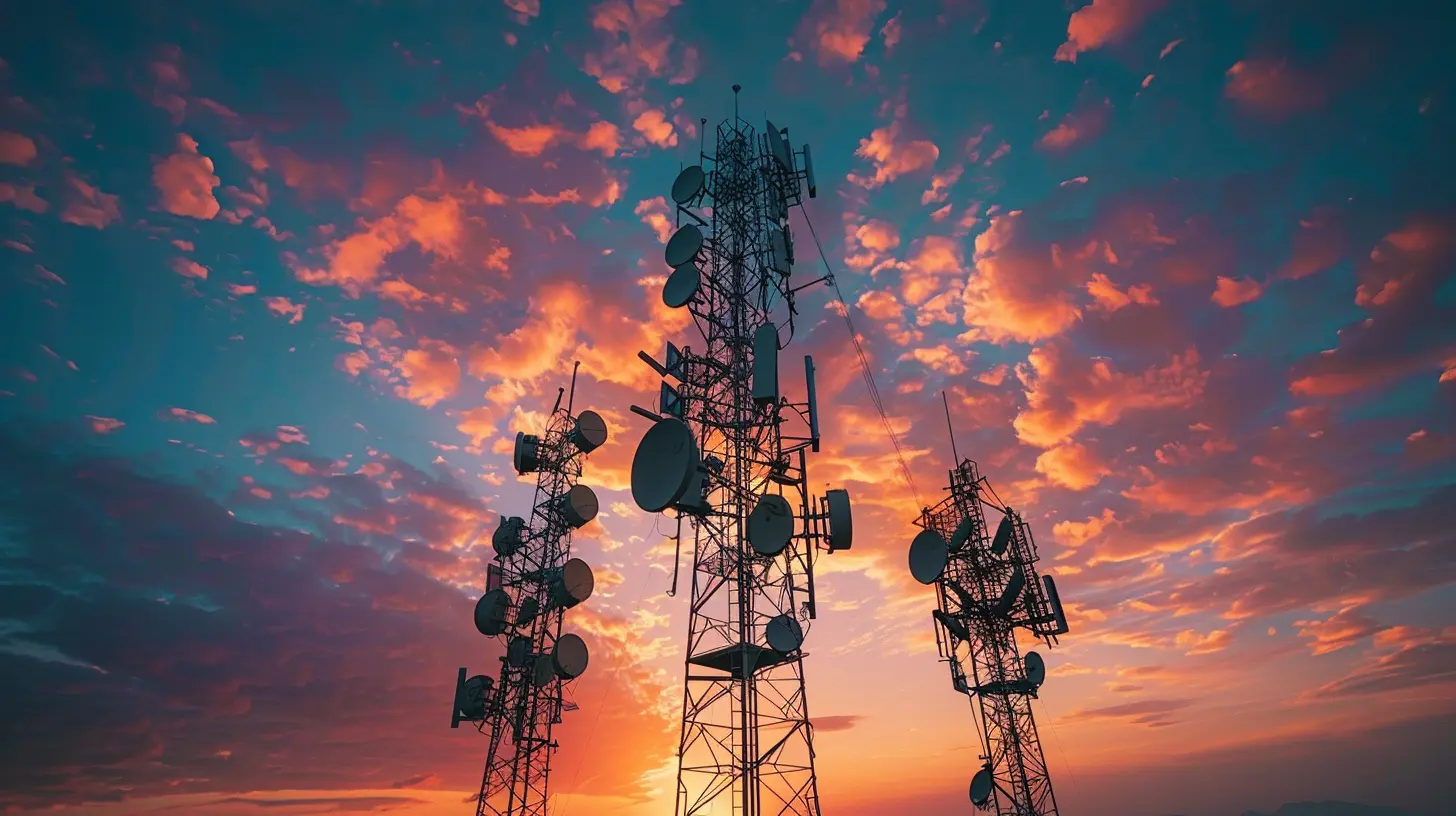
Challenges That Still Need Tackling
It’s not all smooth sailing. There are bumps in the road that telecoms and tech companies need to address to fully unleash the potential of Edge AI.Infrastructure Costs
Deploying 5G everywhere isn't cheap, and neither is setting up MEC nodes. Telecom providers need to strike a balance between investment and return—especially in rural or less-populated areas.Interoperability Issues
With so many devices and platforms in play, making sure everything works together seamlessly is a massive challenge. Standardization is still a work in progress.Security and Data Sovereignty
Processing data locally is more secure, yes, but it also raises legal and compliance questions. Who owns the data? Where is it stored? Who can access it?Telecom providers need to have strong frameworks in place to address these concerns proactively.
What’s Next for Telecom and Edge AI?
Spoiler alert: We're only scratching the surface.Soon, we’ll see more partnerships between telecoms and AI companies. AI will also be used to optimize networks in real-time—creating a kind of meta-network intelligence.
Standards will evolve. Devices will become even more powerful. Edge AI nodes will pop up in places you’d never imagine—think drones, smart helmets, maybe even inside your appliances.
And all of it? Powered, routed, and secured by telecom networks.
Final Thoughts
Edge AI is becoming the brains of the operation, but telecom networks are the nervous system—connecting, transmitting, and enabling fast responses.Without telecom providers laying the groundwork for faster, smarter, and more secure networks, Edge AI would be stuck in the slow lane. But with cutting-edge 5G rollouts, network slicing, and MEC becoming mainstream, we’re entering a golden age of intelligent, responsive tech.
So whether it’s a car that can see around corners or a smartwatch that can warn you of a heart issue, chances are a telecom network is silently making it happen in the background.
Kinda makes you appreciate those cell towers a bit more, huh?
all images in this post were generated using AI tools
Category:
TelecommunicationAuthor:

Ugo Coleman
Discussion
rate this article
1 comments
Soryn McCool
This article highlights a crucial evolution in technology. It's exciting to see how telecom networks are enhancing Edge AI capabilities, enabling faster processing and real-time insights. As these advancements unfold, we can only anticipate the innovative applications and benefits they will bring to various industries. Keep pushing forward!
August 1, 2026 at 4:49 AM
Ugo Coleman
Thanks for the thoughtful comment! I agree, the synergy between telecom networks and Edge AI is indeed promising for many industries. Exciting times ahead!