How Telecom Operators Are Adapting to the Era of Streaming
15 July 2026
Streaming — it’s everywhere, right? Whether we’re binge-watching the latest Netflix series, live-streaming a gaming session on Twitch, or tuning into a webinar, streaming has become a cornerstone of our digital lives. But have you ever stopped to think about the infrastructure that makes all this possible? Spoiler alert: telecom operators are at the heart of it all.
So, how exactly are these telecom giants adapting to the era of streaming? Let’s dive in and take a closer look.

The Streaming Revolution: How Did We Get Here?
Before we explore how telecom operators are responding, let’s rewind a bit. Streaming didn’t just pop out of nowhere; it’s been evolving for years.A decade or so ago, we were still dealing with DVDs (remember those?) and cable TV packages. Then, like a digital tsunami, streaming services like Netflix, Hulu, and Amazon Prime Video changed everything. Suddenly, we didn’t need to wait for our favorite shows to air or deal with clunky DVD players. Instead, we could just hit “play” and watch what we wanted, when we wanted. Sounds like magic, right?
But here’s the thing: behind that magic is a complex network of data that needs to be delivered efficiently and reliably. And that’s where telecom operators come into play.

Telecom Operators: The Backbone of Streaming
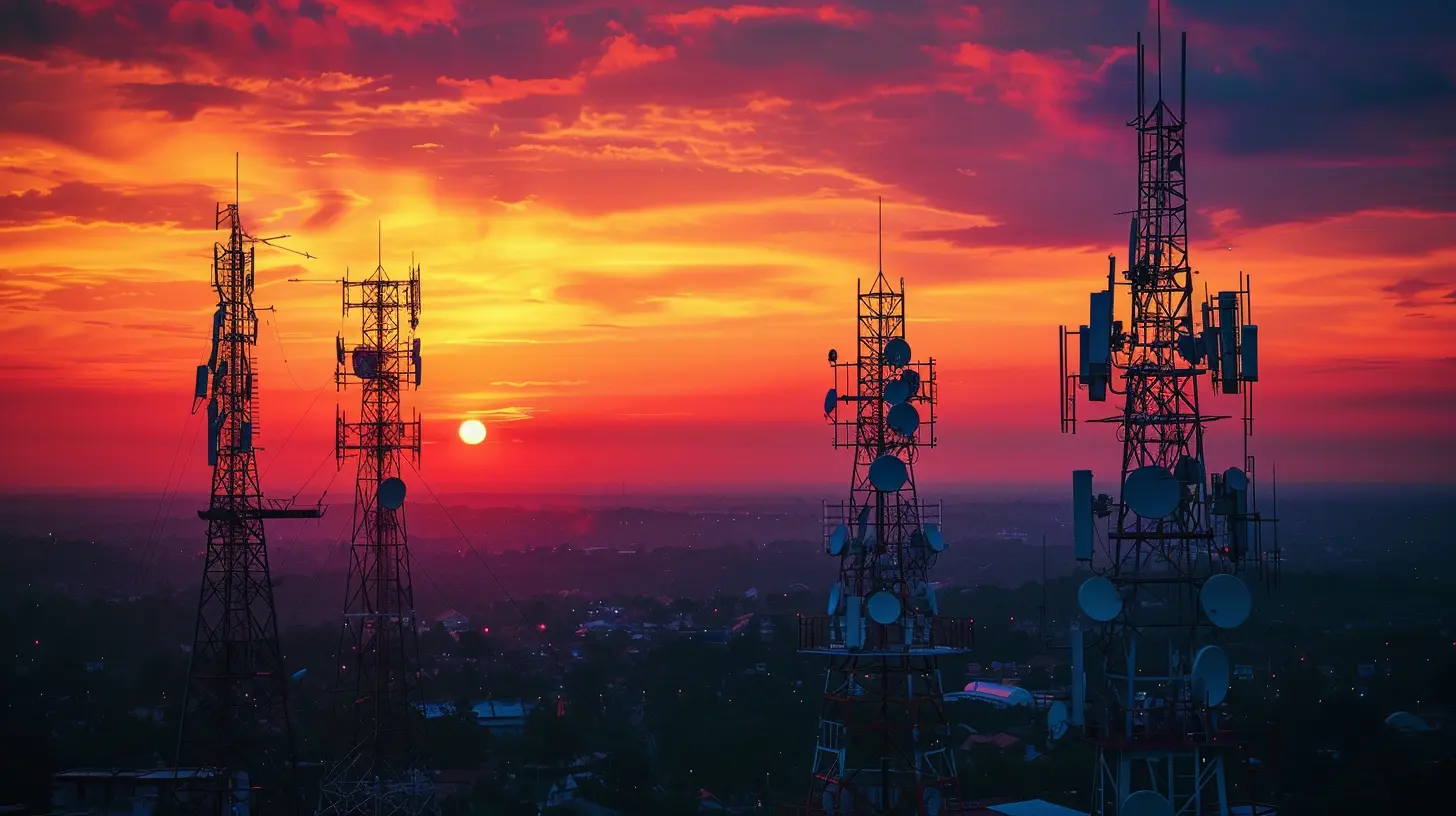
Telecom companies have always been responsible for keeping us connected. Whether it’s through phone calls, text messages, or internet services, they’ve been the unsung heroes of communication for decades. But now, their role has evolved to something much bigger — supporting the massive data demands of streaming.The Data Surge: Adapting to the Increased Traffic
Let’s face it: streaming is a data hog. When you’re watching a movie in 4K, listening to an HD podcast, or live-streaming your gaming session, you’re consuming a ton of data. And with more people streaming than ever before, the pressure is on for telecom operators to keep up with the data surge.In fact, according to a 2022 report by Cisco, video streaming accounts for over 80% of global internet traffic. That’s a staggering figure! And it’s only going to grow as more people cut the cord and switch to streaming services.
So, how are telecom operators handling this deluge of data? Well, they’re making some serious upgrades to their infrastructure. Let’s break it down.
1. Upgrading Networks to 5G
You’ve probably heard the buzz around 5G, right? It’s the latest and greatest in mobile network technology, and it’s here to revolutionize how we stream content.With faster speeds, lower latency, and higher capacity, 5G is a game-changer for telecom operators. It allows them to handle the massive amounts of data that streaming requires without breaking a sweat. Plus, 5G networks are designed to support more devices at once, which is crucial as the number of streaming devices in our homes continues to multiply.
Imagine streaming a 4K movie on your phone while someone else in your house is gaming online, and another person is video calling. With 5G, this could all happen simultaneously without buffering or lag. It’s like having a superhighway for data, where everyone can zip along at top speed without slowing down.
2. Building Edge Computing Infrastructure
If you’ve ever experienced buffering in the middle of a crucial scene, you know how annoying it can be. One way telecom operators are addressing this is by adopting edge computing.Edge computing moves data processing closer to the source of the data — in this case, your device. Instead of sending data all the way to a distant server and back again, edge computing allows telecom operators to process data locally. This reduces latency, meaning faster load times and fewer interruptions for you.
Think of it like a local coffee shop. Instead of driving all the way across town to get your caffeine fix, you can just pop into the shop that’s right around the corner. It’s quicker, more convenient, and gets you what you need faster.
3. Expanding Fiber Optic Networks
While 5G is great for mobile devices, fiber optic networks are still the gold standard for home internet. And telecom operators are investing heavily in expanding their fiber optic infrastructure to support the growing demand for streaming.Why fiber? Well, fiber optic cables transmit data using light, which means they can handle massive amounts of information at lightning-fast speeds. This is crucial for streaming in high-definition or 4K, where even a slight delay can lead to pesky buffering.
In short, fiber optics are like the autobahn of the internet — no speed limits, no slowdowns, just pure, high-speed data delivery.

Partnering with Streaming Platforms
One of the smartest moves telecom operators are making is teaming up with the streaming platforms themselves.Take Verizon, for example. They’ve partnered with Disney+ to offer free streaming subscriptions to their customers. Similarly, AT&T has bundled HBO Max with some of its unlimited data plans. These partnerships are a win-win: customers get more bang for their buck, and telecom operators can differentiate themselves in a crowded market.
But it’s not just about bundling services. Telecom operators are also working directly with streaming platforms to optimize the delivery of content. By collaborating on things like data compression and content delivery networks (CDNs), they can ensure that streaming content gets to you faster and more reliably.
Offering Unlimited Data Plans (Because Streaming Eats Data)
Ever been hit with a hefty data overage fee after a weekend-long Netflix binge? Yeah, we’ve all been there. The good news is that many telecom operators are now offering unlimited data plans specifically tailored to the needs of streamers.Why? Because they know that streaming is the future, and limiting data is a surefire way to lose customers. By offering unlimited data, telecom operators can keep customers happy while also ensuring their networks are equipped to handle increased traffic.
Plus, unlimited data plans make it easier for telecom companies to manage network congestion. Instead of throttling speeds when data usage spikes, they can allocate bandwidth more efficiently, ensuring a smoother streaming experience for everyone.
The Challenge of Network Congestion
Speaking of network congestion, let’s talk about the elephant in the room. As more people stream content, telecom operators face the challenge of keeping networks from getting overloaded.When too many people are streaming at once — think of a Friday night when everyone’s in binge mode — it can slow down the network. But telecom operators aren’t sitting idly by. They’re using advanced traffic management techniques to prioritize certain types of data (like video streaming) and ensure that everyone can stream smoothly.
It’s a bit like being a traffic cop during rush hour. Instead of letting all the cars pile up in one lane, you direct traffic to different routes, keeping things moving smoothly.
Preparing for the Future: What’s Next?
Streaming isn’t slowing down anytime soon. In fact, as new technologies like virtual reality (VR) and augmented reality (AR) become more mainstream, the demand for high-speed, low-latency networks will only increase.So, what’s next for telecom operators? Well, for starters, we can expect even more investment in 5G and fiber optic networks. But beyond that, telecom operators will likely explore new technologies like satellite-based internet (think SpaceX’s Starlink) to bring high-speed streaming to even the most remote areas.
Additionally, as streaming services continue to evolve, telecom operators will need to stay ahead of the curve by embracing new content delivery methods and technologies. Whether it’s through better data compression techniques, smarter network management, or closer collaboration with streaming platforms, telecom operators will need to stay nimble in the ever-changing world of streaming.
Conclusion
Telecom operators are the unsung heroes of the streaming revolution. Without their infrastructure, our favorite shows, movies, and live streams wouldn’t make it to our screens. But as streaming continues to evolve, so too must the telecom industry.From upgrading to 5G and expanding fiber optic networks to partnering with streaming services and offering unlimited data plans, telecom operators are doing everything they can to keep us connected in the age of streaming. And as the demand for high-quality, high-speed streaming grows, they’ll continue to adapt and innovate to meet the needs of the digital age.
So, the next time you sit down to binge-watch your favorite show, take a moment to appreciate the incredible technology — and the telecom operators — that make it all possible.
all images in this post were generated using AI tools
Category:
TelecommunicationAuthor:

Ugo Coleman
Discussion
rate this article
1 comments
Sorin Elliott
Telecom operators are increasingly recognizing the importance of streaming services in today's market. By investing in infrastructure upgrades and strategic partnerships, they aim to enhance user experience and retain customers. This adaptability will be critical as competition grows and consumer preferences shift toward on-demand content.
July 25, 2026 at 10:48 AM
Ugo Coleman
You're right. Telecom operators are indeed evolving with the market. Their focus on infrastructure and partnerships shows they're serious about meeting customer needs in this streaming-driven landscape.