Privacy Concerns in Smart Homes and How to Tackle Them
21 November 2026
Smart homes are becoming increasingly popular, transforming the way we interact with our living spaces. With the integration of technology, convenience and efficiency are at our fingertips. However, this convenience comes with significant privacy concerns that homeowners must address. In this article, we will delve into the various privacy issues associated with smart homes and provide actionable strategies for mitigating these risks.
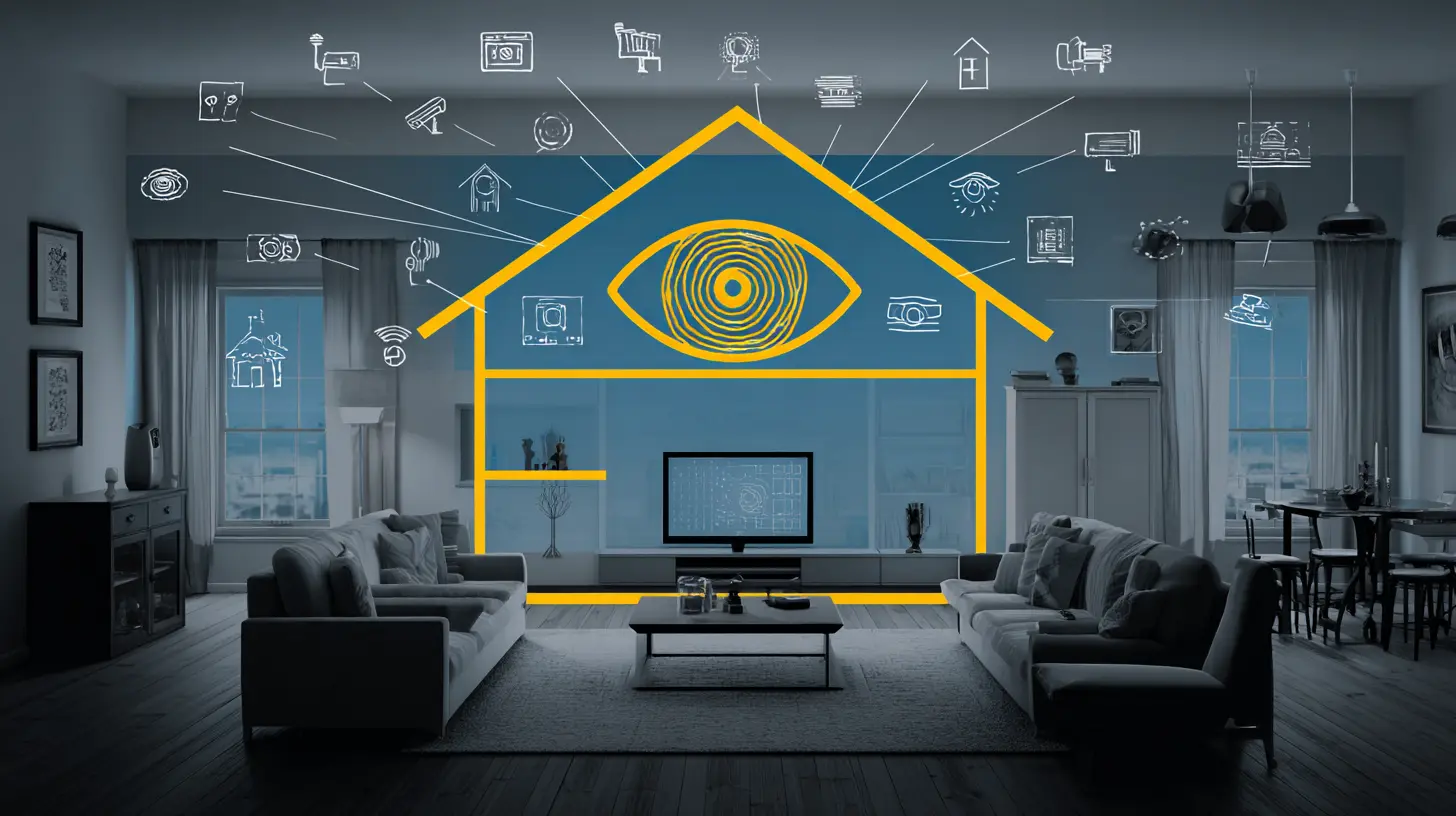
Understanding Smart Home Technology
Before we tackle privacy concerns, it's essential to understand what smart home technology encompasses. Smart home devices include everything from smart speakers and thermostats to security cameras and appliances. These devices are interconnected through the Internet of Things (IoT), allowing users to control them remotely via smartphones or voice commands.Common Smart Home Devices
1. Smart Speakers: Devices like Amazon Echo and Google Home serve as voice assistants, controlling other smart devices and providing information.2. Smart Thermostats: Devices such as the Nest Learning Thermostat optimize energy usage based on your habits.
3. Smart Cameras: Security cameras like Ring allow homeowners to monitor their property in real-time.
4. Smart Locks: Keyless entry systems provide convenience but can be vulnerable to hacking.
5. Smart Appliances: Refrigerators, ovens, and washing machines that can be controlled remotely for enhanced efficiency.
While these devices can simplify daily tasks, they also collect vast amounts of data about users and their habits, which poses privacy risks.
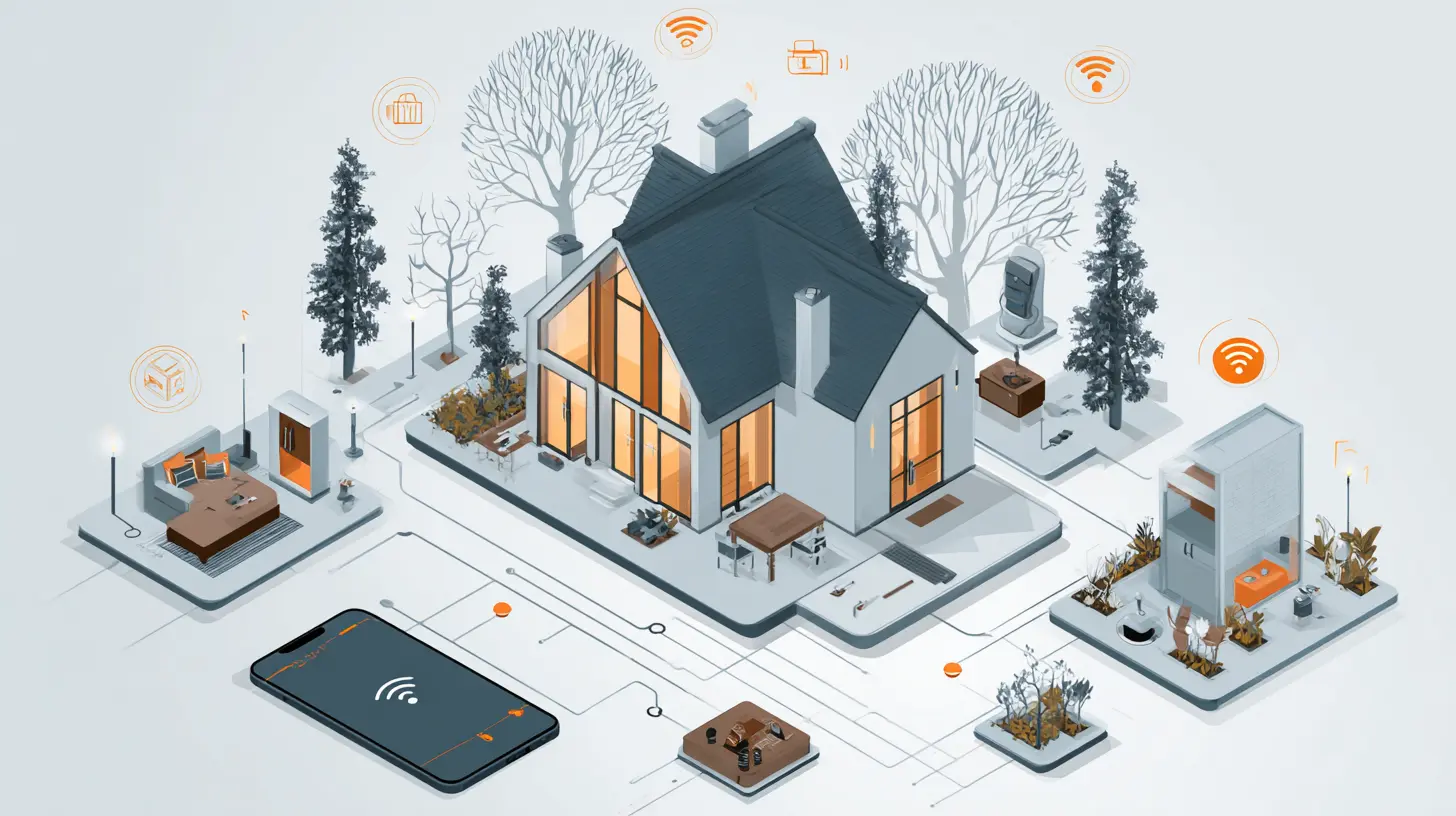
The Privacy Risks of Smart Homes
Data Collection and Usage
One of the primary concerns with smart home devices is the sheer volume of data they collect. This data can include personal information, usage patterns, and even conversations. For instance, smart speakers are always listening for their wake word, which raises questions about what happens to the audio data recorded during this time.Example: Amazon Echo
Amazon Echo devices are known for their voice-activated features. However, there have been instances where recordings were inadvertently sent to other users due to software glitches. This highlights the risk of sensitive information being exposed unintentionally.Vulnerabilities and Hacking
Smart home devices often have security vulnerabilities that hackers can exploit. Many devices do not receive regular software updates, leaving them susceptible to attacks. For example, poorly secured smart cameras can be hacked, allowing unauthorized access to live feeds.Real-World Incident
In 2019, a family in Texas experienced a security breach when hackers accessed their Ring security camera. The hackers used a compromised password from another account, demonstrating the importance of strong, unique passwords for each device.Third-Party Access
Many smart home devices rely on third-party services for functionality. This can lead to data sharing without users' explicit consent. For example, a smart thermostat may share usage data with energy companies to provide tailored services. However, users may not be aware of this data sharing, raising ethical concerns.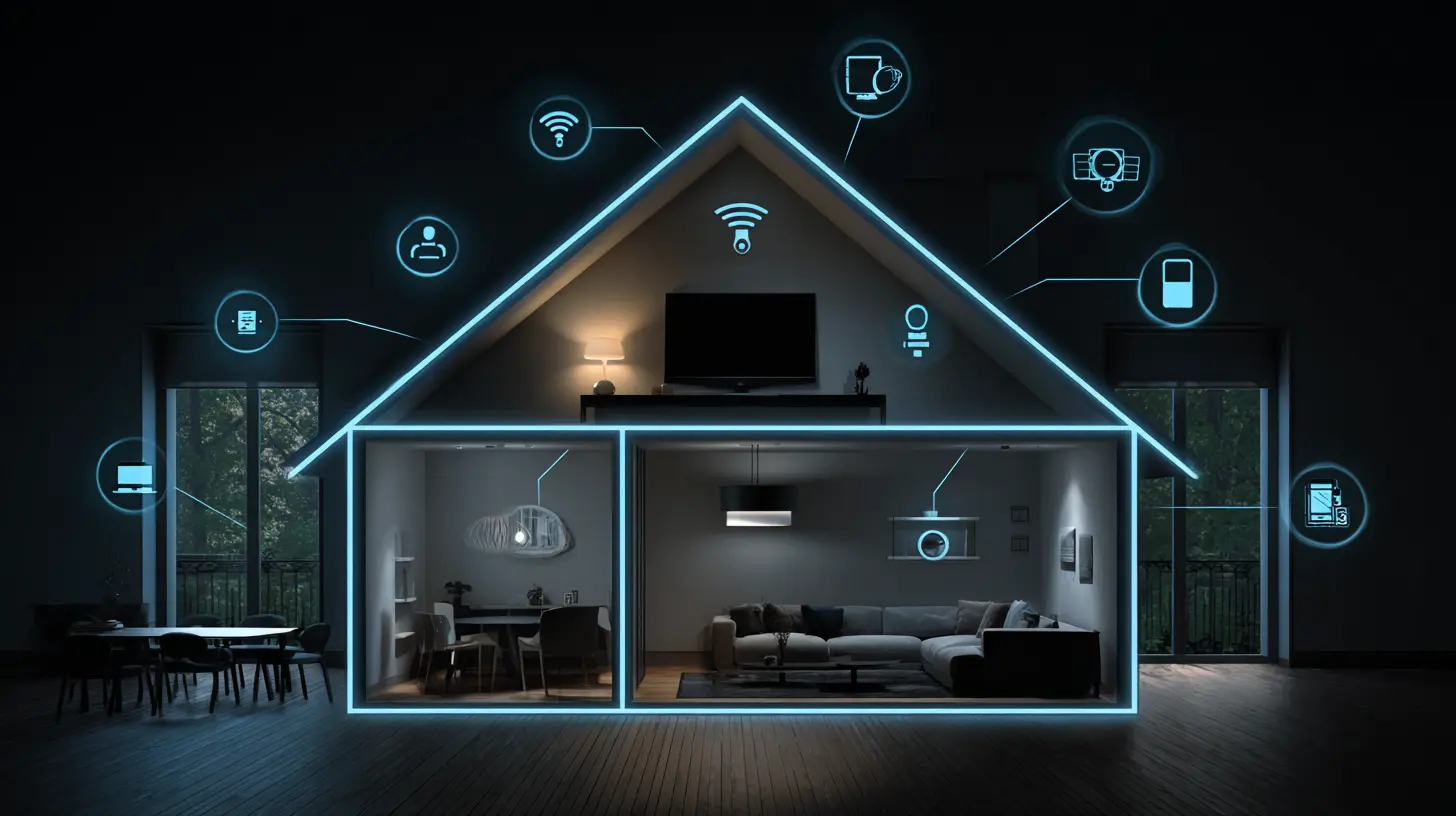
Strategies to Mitigate Privacy Risks
1. Choose Devices Wisely
When selecting smart home devices, it's crucial to consider the manufacturer's reputation regarding privacy. Look for brands that prioritize user security and provide transparent privacy policies.Recommended Brands
- Apple: Known for its strong privacy stance, Apple implements end-to-end encryption in many of its devices.- Google: Offers robust security features but requires careful management of privacy settings.
2. Secure Your Network
Your home network is the backbone of your smart home. Ensuring its security is paramount to protecting your devices and data.Steps to Secure Your Network
- Change Default Passwords: Always change the default passwords on your router and devices.- Enable WPA3 Encryption: Use the latest Wi-Fi security protocols to protect your network.
- Create a Guest Network: Isolate smart devices from personal devices by setting up a separate network.
3. Regularly Update Firmware
Keeping your smart devices updated is one of the simplest ways to protect against vulnerabilities. Manufacturers release firmware updates to patch security flaws, so make it a habit to check for updates regularly.4. Customize Privacy Settings
Most smart devices come with privacy settings that allow users to control data collection. Take the time to customize these settings according to your preferences.Example: Google Home
Google Home allows users to manage voice recordings and even delete past interactions. Familiarizing yourself with these settings can significantly enhance your privacy.5. Use Strong, Unique Passwords
Implementing strong passwords for each device is essential. Avoid using easily guessable passwords and consider using a password manager to keep track of them.6. Monitor Device Activity
Regularly reviewing the activity logs of your smart devices can help you identify any suspicious behavior. Many devices provide logs that show when they were accessed and by whom.7. Be Cautious with Third-Party Integrations
While integrating third-party services can enhance your smart home experience, it can also expose you to additional risks. Be selective about which services you connect and review their privacy policies.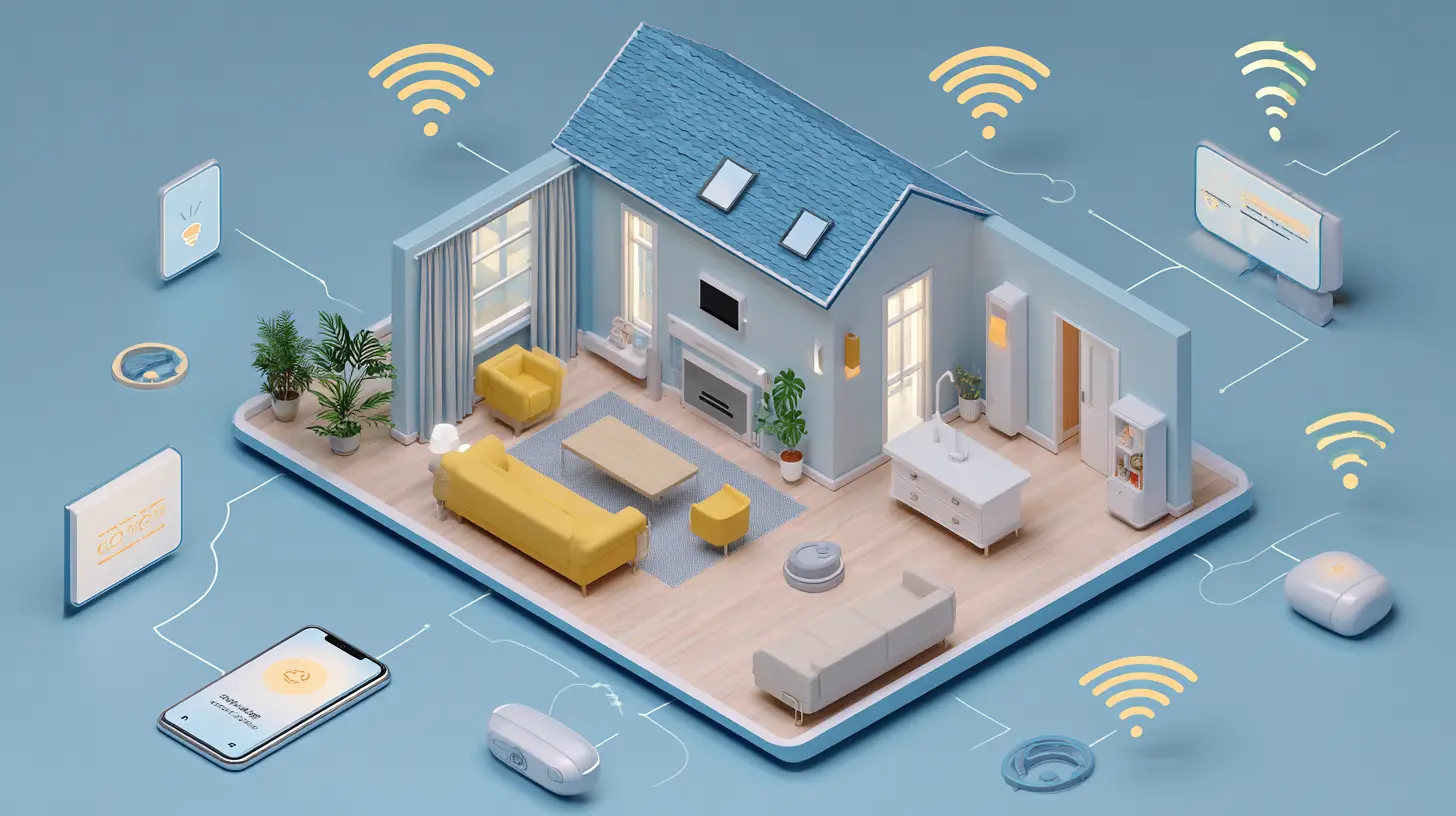
Common Misconceptions About Smart Home Privacy
Misconception 1: "My Devices Are Too New to Be Hacked"
Many people believe that only older devices are vulnerable to hacking. In reality, newly released devices can have undiscovered vulnerabilities. Always prioritize security regardless of the device's age.Misconception 2: "I Have Nothing to Hide"
This mindset can lead to complacency regarding privacy. Even if you feel you have nothing to hide, the data collected can be used for targeted advertising or sold to third parties without your consent.Misconception 3: "Privacy Settings Are Always Sufficient"
While privacy settings are essential, they are not foolproof. Regularly reviewing and adjusting these settings is necessary to ensure ongoing protection.The Balance Between Convenience and Privacy
As smart home technology evolves, users must navigate the delicate balance between convenience and privacy. Many users are willing to trade some level of privacy for the ease that smart devices provide. However, understanding the implications of this trade-off is crucial.Pros of Smart Home Technology
- Increased Efficiency: Smart devices can automate tasks, saving time and energy.- Enhanced Security: Smart cameras and locks can provide real-time monitoring and alerts.
- Customization: Users can tailor their living environment to their preferences.
Cons of Smart Home Technology
- Privacy Risks: The potential for data breaches and unauthorized access is significant.- Complexity: Managing multiple devices and their settings can be overwhelming.
- Dependence on Technology: Over-reliance on smart devices can lead to issues if they malfunction.
Conclusion
Smart homes offer incredible convenience, but they also come with privacy concerns that cannot be ignored. By understanding the risks and implementing effective strategies to tackle them, homeowners can enjoy the benefits of smart technology while safeguarding their personal information.As technology continues to advance, staying informed and proactive will be essential in navigating the evolving landscape of smart home privacy.
all images in this post were generated using AI tools
Category:
Smart Home TechnologyAuthor:

Ugo Coleman