The Challenges and Opportunities of Telecom in Developing Regions
8 December 2025
Telecommunication has become an absolute necessity in today's digital age. From making simple phone calls to accessing the internet, telecom services keep us connected, informed, and empowered. However, in many developing regions, the telecom industry faces significant roadblocks—lack of infrastructure, high costs, and regulatory challenges, just to name a few. But it’s not all doom and gloom. There are also incredible opportunities for growth, innovation, and economic transformation.
So, what are the biggest hurdles? And where do the opportunities lie? Let’s dive in and break it down. 
Challenges in Telecom for Developing Regions

1. Limited Infrastructure and Connectivity Gaps
One of the biggest challenges is the lack of proper infrastructure. Developed nations enjoy widespread 4G and even 5G networks, but rural areas in developing regions often struggle with basic 2G connectivity.- Many remote areas don’t have telecom towers, making signals weak or entirely absent.
- Laying fiber optic cables is expensive and logistically challenging, especially in mountainous or densely forested regions.
- Power shortages further complicate infrastructure deployment, as telecom equipment requires a stable electricity supply.
Without solid infrastructure, the dream of widespread internet access remains just that—a dream.
2. High Costs of Deployment and Maintenance
Setting up telecom networks isn’t cheap. The costs of equipment, licensing, and maintenance add up quickly. In developing countries, where governments and telecom companies often operate on tight budgets, this poses a major hurdle.Here’s why costs are so high:
- Importing telecom hardware is expensive due to high tariffs and taxes.
- Licensing requirements and paperwork can be time-consuming and costly.
- Maintenance costs are high due to rough terrains and inconsistent electricity supply.
When providers struggle to recover their investments, they either charge higher fees or limit coverage, leaving many people with no service at all.
3. Affordability and Accessibility Issues
Even if telecom services exist, not everyone can afford them. The cost of smartphones, data plans, and even SIM cards can be out of reach for many people in rural or low-income areas.- Internet data prices can be exorbitantly high compared to average wages.
- Many people still rely on outdated feature phones, limiting access to modern telecom services.
- Expensive international calls and roaming fees restrict global communication.
For telecom to truly benefit developing regions, affordability needs to be addressed.
4. Regulatory and Political Barriers
Red tape can slow down telecom expansion significantly. Strict regulations, government monopolies, and bureaucratic delays make it difficult for new telecom providers to enter the market.- Some governments impose heavy taxes on internet usage, making it costly for consumers.
- Corruption and mismanagement can delay critical telecom projects.
- Internet shutdowns for political reasons disrupt growth and innovation.
Without supportive policies and fair competition, telecom growth remains sluggish.
5. Digital Literacy and Language Barriers
Even if people have internet access, not everyone knows how to use it effectively. Digital literacy is a major issue in many developing regions.- Many people are unfamiliar with using smartphones beyond basic calls and texts.
- Lack of local-language digital content makes it difficult for non-English speakers to use online services.
- Cybersecurity threats, such as scams and misinformation, discourage people from embracing digital platforms.
Bridging the digital divide requires more than just infrastructure—it needs education and training. 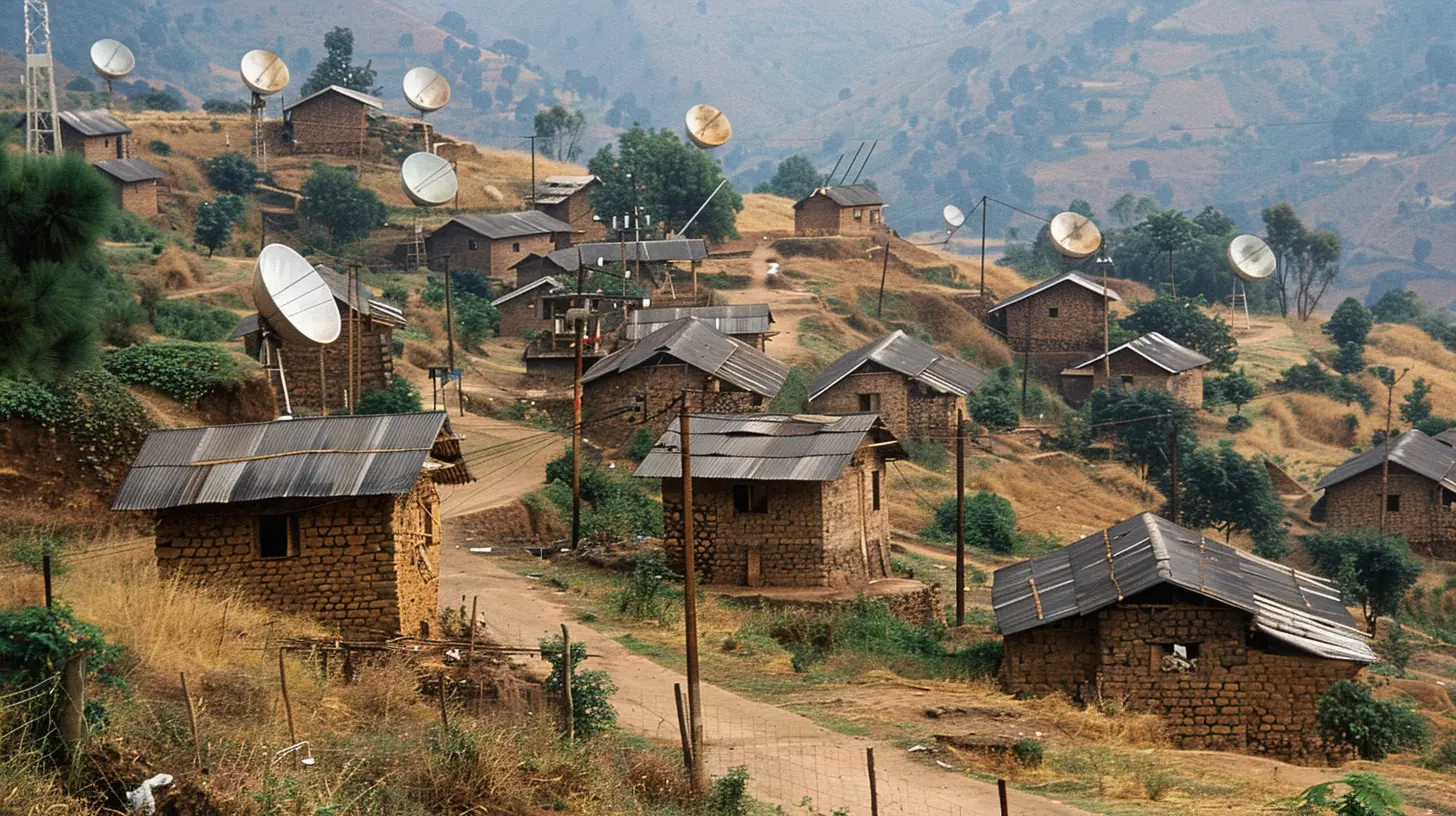
Opportunities in Telecom for Developing Regions
Despite these challenges, there are massive opportunities for telecom providers, governments, and businesses to tap into.1. Expanding Mobile Connectivity
In many developing regions, mobile phones are more accessible than traditional computers. This presents a huge opportunity for telecom providers to focus on mobile-first solutions.- Rolling out affordable smartphones and feature phones can increase connectivity.
- Expanding 3G, 4G, and even 5G networks to underserved areas can boost economic growth.
- Mobile banking and digital payments can revolutionize how people transact, reducing the reliance on cash.
Mobile-first strategies can fast-track telecom expansion without the need for heavy physical infrastructure.
2. Innovative Internet Solutions
Traditional broadband isn’t always viable, but alternative internet solutions are emerging:- Satellite Internet: Companies like Starlink are providing satellite-based internet to remote areas, bypassing the need for fiber optic infrastructure.
- Community Networks: Locally managed internet services can help bridge connectivity gaps.
- Internet Balloons and Drones: Some companies have experimented with balloons and drones to provide internet access in hard-to-reach areas.
Innovative approaches can bring connectivity to people who have been left behind for too long.
3. Public-Private Partnerships
Collaboration between governments and private companies can accelerate telecom growth.- Governments can subsidize infrastructure projects to reduce costs.
- Telecom providers can work with local businesses to create affordable packages.
- NGOs and tech companies can introduce digital literacy programs to empower users.
When multiple stakeholders come together, the potential for telecom advancement skyrockets.
4. Leveraging Renewable Energy for Telecom
Since power shortages are a major issue, telecom providers can use renewable energy sources to keep their networks running.- Solar-powered telecom towers can ensure consistent network coverage in off-grid areas.
- Wind and hydro-powered solutions can support telecom infrastructure in rural locations.
- Energy-efficient technologies can reduce operational costs for providers.
Not only does this improve connectivity, but it also promotes sustainability in the telecom sector.
5. The Rise of E-Commerce, EdTech, and Telemedicine
With better telecom services, entire industries can thrive:- E-commerce: More people can start online businesses, selling products and services nationwide.
- EdTech: Students in remote areas gain access to online learning resources.
- Telemedicine: Patients can consult doctors virtually, reducing the need for long and costly hospital trips.
A strong telecom network doesn’t just connect people—it transforms entire economies. 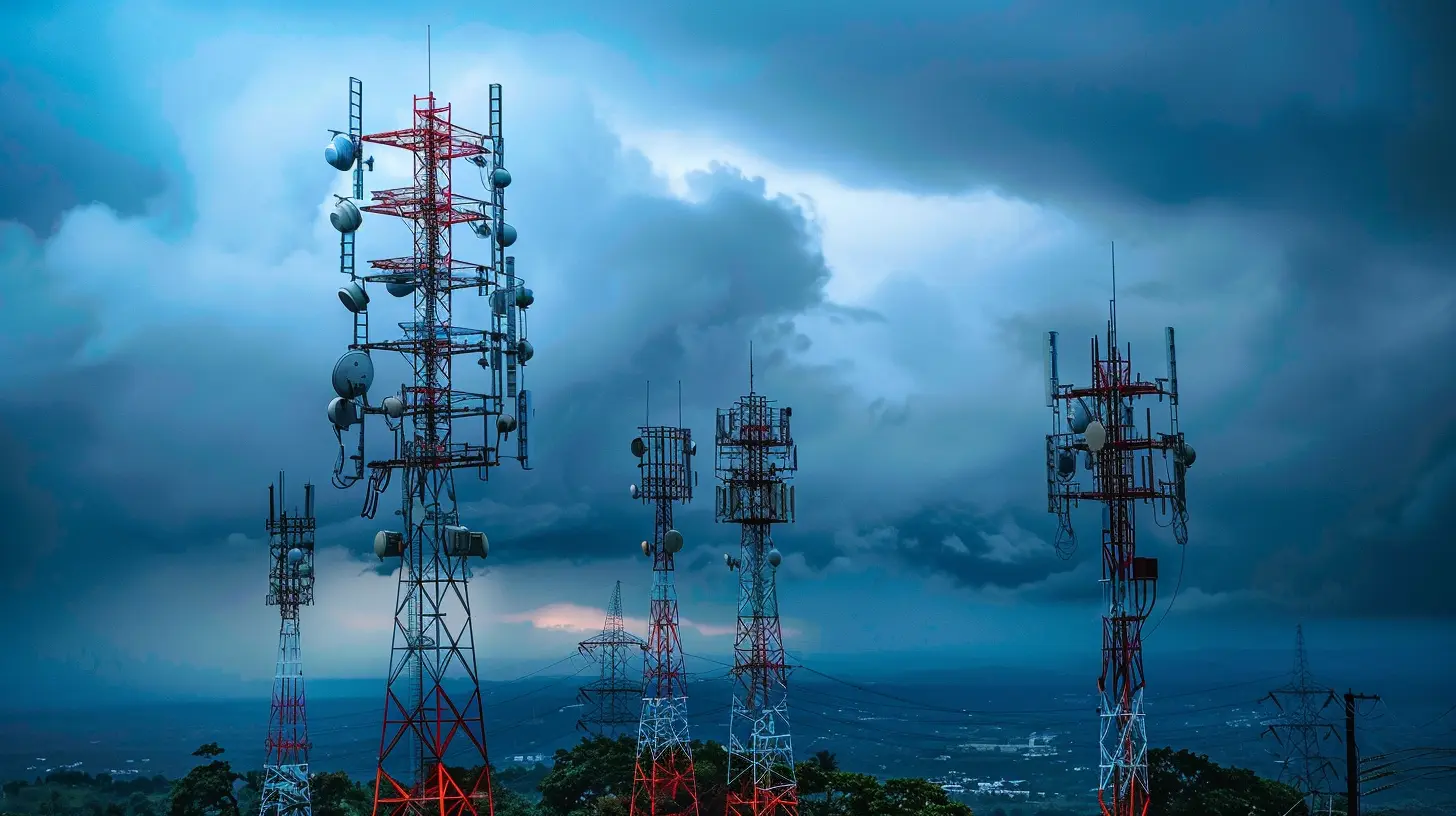
Final Thoughts: The Road Ahead
The telecom sector in developing regions faces real challenges, but they aren’t impossible to overcome. With a mix of innovative solutions, government support, and private investment, millions of people can gain access to affordable, reliable telecom services.Will it happen overnight? No. But the good news is that we’re already seeing progress. As tech giants, local innovators, and policymakers come together, the future of telecom in developing regions looks brighter than ever.
At the end of the day, connectivity is more than just a luxury—it’s a lifeline. And ensuring that everyone, regardless of where they live, has access to it should be a priority.
all images in this post were generated using AI tools
Category:
TelecommunicationAuthor:

Ugo Coleman
Discussion
rate this article
2 comments
Remi McQuade
Great insights! It's fascinating to see how telecom can bridge gaps in developing regions. Embracing innovative technologies and addressing infrastructure challenges can truly transform lives. Looking forward to seeing how these opportunities evolve in the coming years!
December 17, 2025 at 4:54 AM
Ugo Coleman
Thank you! I'm glad you found the insights valuable. It's exciting to see how innovation can make a real difference in these regions.
Seraphis Pope
This article highlights the critical balance between overcoming infrastructure challenges and seizing growth opportunities in telecom for developing regions—essential for bridging the digital divide and fostering economic development.
December 11, 2025 at 4:14 AM
Ugo Coleman
Thank you for your insightful comment! Striking that balance is indeed vital for unlocking potential in these regions.