The Evolution of Space Habitats: From Concepts to Reality
4 January 2026
Living in space? Yeah, that used to sound like pure science fiction. But here we are, in a time where that idea is no longer just a pipe dream. The evolution of space habitats has come a long way—from wild sketches on napkins to actual structures orbiting Earth. And as space agencies, private companies, and even billionaires jump into the space race, it’s clear we’re not just stopping at space stations. We’re heading toward a future where humans could live, work, and maybe even raise families... in outer space.
In this article, we're going to unpack the journey of space habitats—from speculative fiction to serious engineering. If you've ever wondered how we went from imagining domed cities on Mars to building the International Space Station (ISS), you’re gonna love this.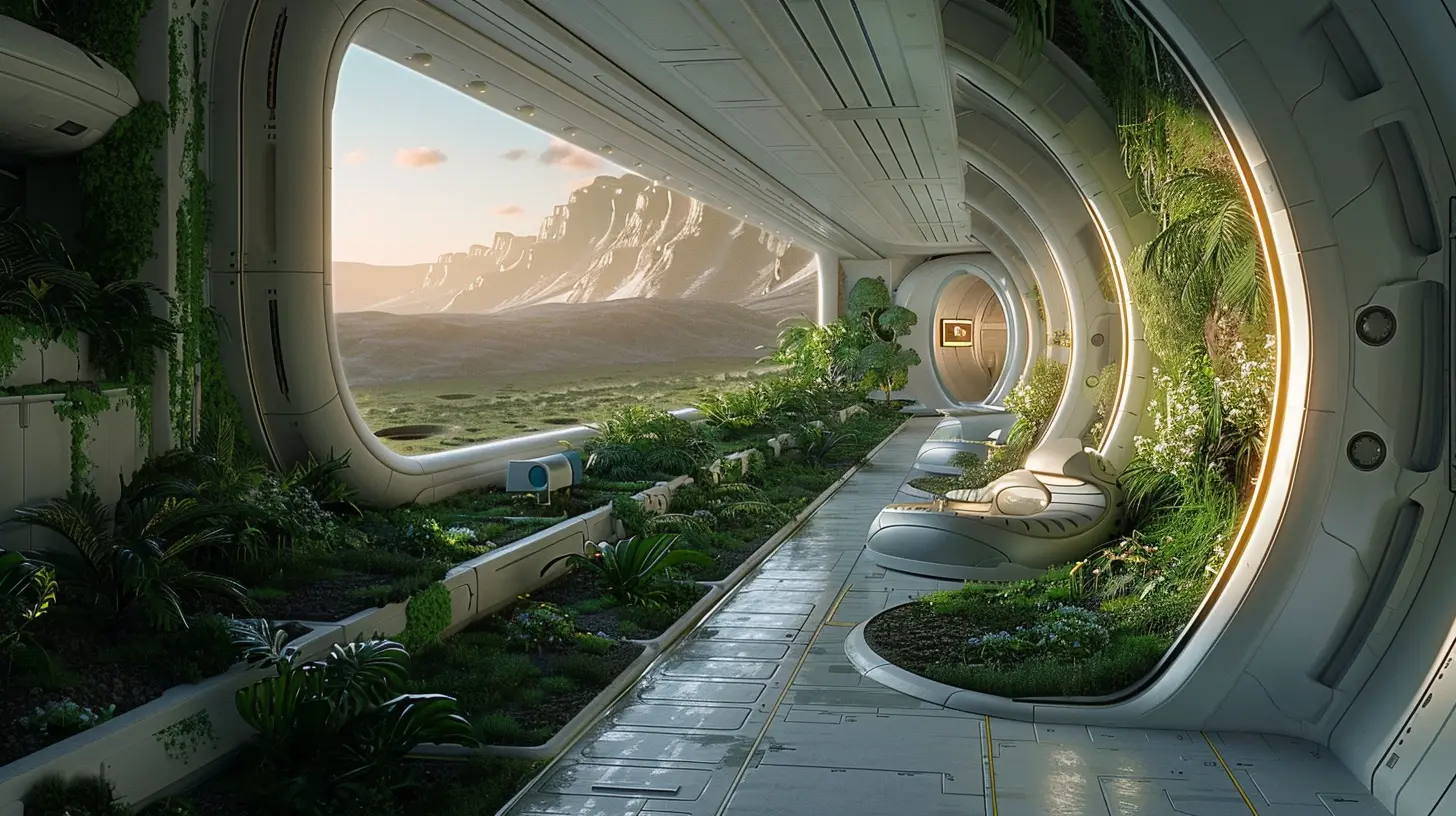
A Dream Born in Fiction
Let’s rewind the clock. Long before rockets ever touched the stars, humans were imagining space life in books, movies, and art. Think H.G. Wells and Jules Verne. These visionaries crafted elaborate stories about humans leaving Earth and building civilizations among the stars. Sure, their science was a bit off (okay, way off at times), but the dream? That part? Totally real.They imagined rotating space stations to simulate gravity. Domed lunar bases. Giant orbiting cities. All of it sparked interest in what was possible. The fiction laid the foundation, and it fired up the imaginations of future scientists and engineers.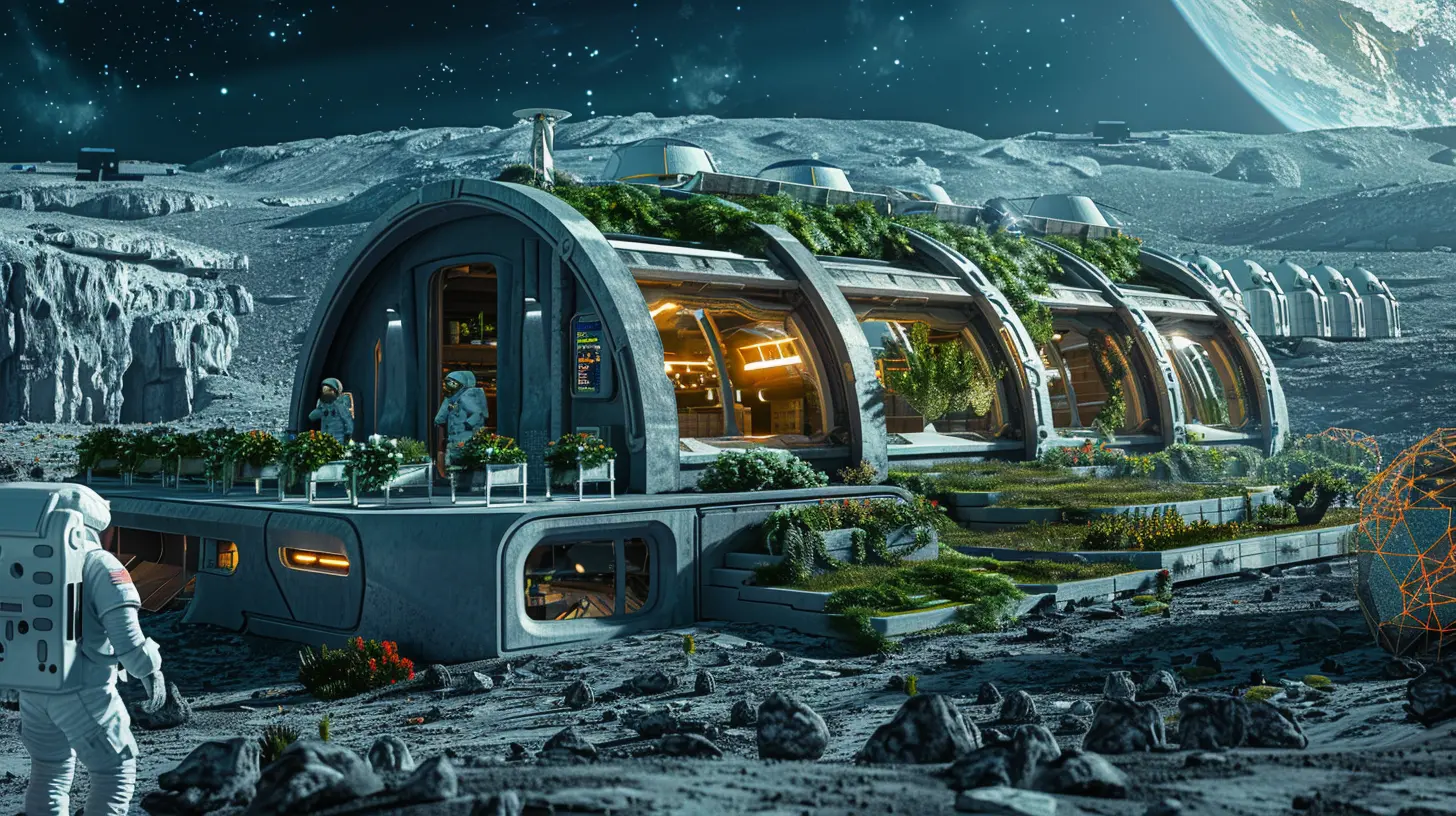
Real Science Catches Up
It wasn’t until the mid-20th century that we began turning those dreams into blueprints. After the Sputnik launch in 1957, the space race exploded. We had satellites, then astronauts, and then a full-blown desire to stay in space longer.Early Space Habitats: The Basics
The first real space habitats were cramped, gritty, and about as cozy as a storage locker. But hey, they worked.- Skylab (1973): This was the U.S.'s first stab at a space station. It had room for experiments and sleeping quarters, and it even had a space shower (kind of).
- Mir (1986 - 2001): The Soviet Union leveled up with Mir, allowing long-term missions and some serious scientific studies.
- International Space Station (ISS): The ISS brought the world together—literally. Built by multiple nations, it became the go-to orbital habitat and research lab.
These early stations taught us tons about zero gravity, human health in space, and how to keep people alive for months in a tin can floating miles above Earth.
The Science of Living in Space
Living in space isn’t just about floating around and taking cool selfies (though let’s be honest, astronauts make that look fun).Gravity: Or the Lack of It
One of the weirdest parts of space life is the lack of gravity. Your muscles shrink. Your bones weaken. Even your fluid distribution goes haywire (hello puffy face). Space habitats need to fight back—think exercise machines, specific diets, and even artificial gravity concepts.Shielding from Radiation
Earth has a magnetic field that protects us from cosmic rays and solar radiation. Space? Not so much. So habitats must be built with materials that block or absorb radiation—like polyethylene or even water. Some scientists suggest burying habitats under lunar soil for natural protection.Recycling Everything
Water, air, waste—you can’t afford to waste anything in space. Space habitats now use life support systems that recycle urine into drinking water, scrub CO₂ from cabin air, and keep humidity levels in check. It’s like a high-tech ecosystem in a soda can.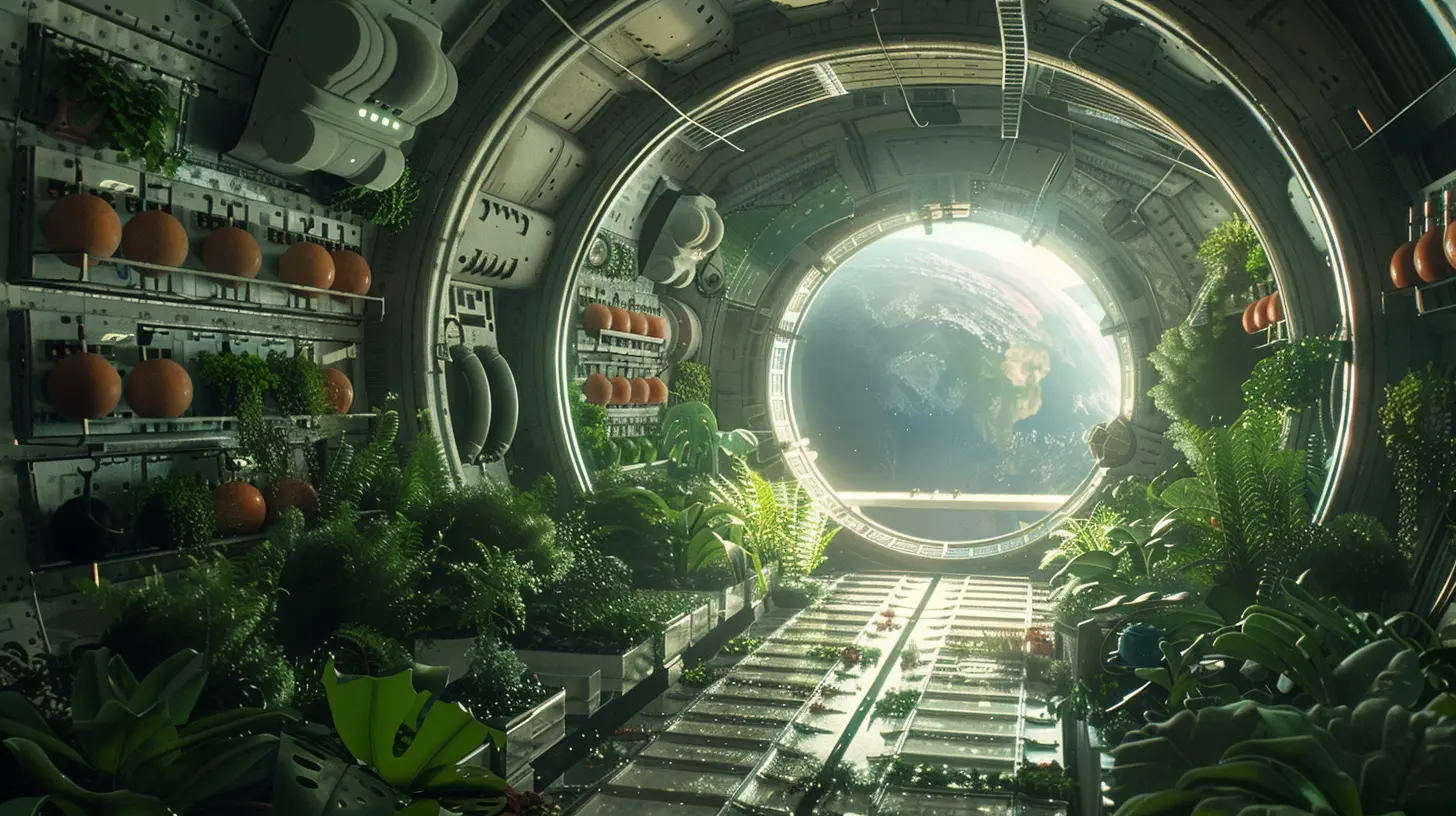
Enter the Private Sector
For decades, space was a government game. NASA, Roscosmos, ESA—they ran the show. But in the 2000s? Everything changed.SpaceX, Blue Origin & The New Space Race
Private juggernauts like SpaceX and Blue Origin are reshaping space travel. Suddenly, we’re talking about commercial space stations, lunar tourism, and yes—even Martian colonies.- SpaceX’s Starship: Built for long-distance travel, this mega rocket could one day carry dozens of people to Mars. It's being designed with habitat considerations in mind, from radiation shielding to on-board sleeping quarters.
- Axiom Space: They’re planning a private space station that could eventually replace the ISS.
- Blue Origin’s Orbital Reef: Marketed as a "mixed-use business park" in space. Yep, even your startup could rent orbital office space one day.
This competition is good—it drives innovation, lowers costs, and gets more people involved in the final frontier.
Next-Gen Habitat Concepts
So what’s next? We’re not stopping at orbital bunkers. Designers and architects are going wild with the next-gen ideas.Inflatable Habitats
Imagine blowing up a house like a balloon. That’s the concept behind Bigelow Aerospace’s inflatable modules. Launched compact, they expand in orbit to create roomy interiors. The company even tested a module (BEAM) on the ISS with promising results.Lava Tubes on the Moon and Mars
Yes, lava tubes. These natural cave-like structures could be perfect for future habitats. They offer natural shielding from radiation and micrometeorites. NASA and ESA are seriously investigating them for lunar and Martian bases.3D-Printed Habitats
Why haul all the stuff from Earth when you can use local materials? Companies are working on 3D printing buildings using Martian dust or lunar regolith. It’s like space-age Minecraft.Rotating Space Stations
Remember those sci-fi movies with giant wheels in space? They might not be fiction much longer. Designs like the Von Braun Station plan to use centripetal force to simulate gravity. It’s ambitious, but the tech is slowly catching up.Our Future: Life Beyond Earth
So what does this all mean? Well, let’s connect the dots.Earth Isn’t the Only Option Anymore
From orbiting stations to Martian cities, humans are laying the groundwork for interplanetary life. We’re not just visitors anymore—we’re becoming residents.Space Tourism Will Drive Demand
Believe it or not, space tourism isn’t just for billionaires. As prices come down, more people will book an orbital vacation. That demand will push better, bigger, and more luxurious habitats.Colonization? Maybe
We’re not talking about just visiting Mars. Some experts think we could eventually build self-sustaining colonies there. That means farms, power grids, housing, and schools—all in space. It’s a massive challenge, sure, but hey—that’s what people said about airplanes.Challenges: We’re Not There Yet
Let’s pump the brakes for a sec. It’s fun to dream, but there are still major hurdles.- Cost: Building habitable structures and launching them is insanely expensive.
- Technology Gaps: Artificial gravity, advanced life support, and radiation shielding are still in development.
- Human Psychology: Can people handle months or years in confined, isolated environments without going stir-crazy?
- Legal and Ethical Issues: Who owns space? Who’s responsible for what? These are questions we still don’t have solid answers to.
We’ve made progress, sure—but there’s a long way to go.
Final Thoughts
The evolution of space habitats isn’t just a story of science and engineering. It’s a story about curiosity, persistence, and never being satisfied with limits. From scribbled concepts to actual orbiting homes, we’ve inched closer to a world where living in space is just another lifestyle choice.And let’s be honest—someday, your grandkids might look at Earth like we look at our hometowns. Nostalgic, but maybe a little boring.
The future? It’s not just out there—it’s already orbiting above us.
all images in this post were generated using AI tools
Category:
Space TechnologyAuthor:

Ugo Coleman
Discussion
rate this article
2 comments
Thalia Holland
The article effectively outlines the significant advancements in space habitats, illustrating the shift from theoretical concepts to practical implementations. This evolution highlights not only technological progress but also our growing commitment to long-term human presence beyond Earth.
January 31, 2026 at 3:56 AM
Ugo Coleman
Thank you for your insightful comment! I’m glad you found the article highlights the significant advancements and our commitment to long-term space habitation. Your engagement is much appreciated!
Faenor McGeehan
This article provides a fascinating overview of space habitats' progression, highlighting key concepts and breakthroughs. It effectively illustrates how innovative engineering and sustainability principles have transformed ambitious visions into viable, practical living spaces beyond Earth.
January 9, 2026 at 4:48 AM
Ugo Coleman
Thank you for your insightful comment! I'm glad you found the overview of space habitats' evolution both fascinating and informative. Your feedback is appreciated!