The Future of Education: Machine Learning in Personalized Learning Systems
9 February 2026
Let’s be honest—education has come a long way from the dry, chalkboard days of “open your textbooks to page 47.” Gone are the times when students sat in rows like uniformed robots, nodding off while the teacher droned on about the Pythagorean theorem. (No shade to Mr. Pythagoras; the guy had some solid math skills.)
Now, we're peeking into a future where education is getting a digital makeover, and guess what’s stepping into the classroom like a futuristic superhero in glasses? Machine Learning! Yep, that fancy cousin of Artificial Intelligence that quietly powers your Netflix suggestions and helps your phone autocorrect “ducking” to... well, you know what I mean.
So buckle up: we’re diving deep into what may be the most exciting (and slightly terrifying) evolution in education yet—Machine Learning in Personalized Learning Systems.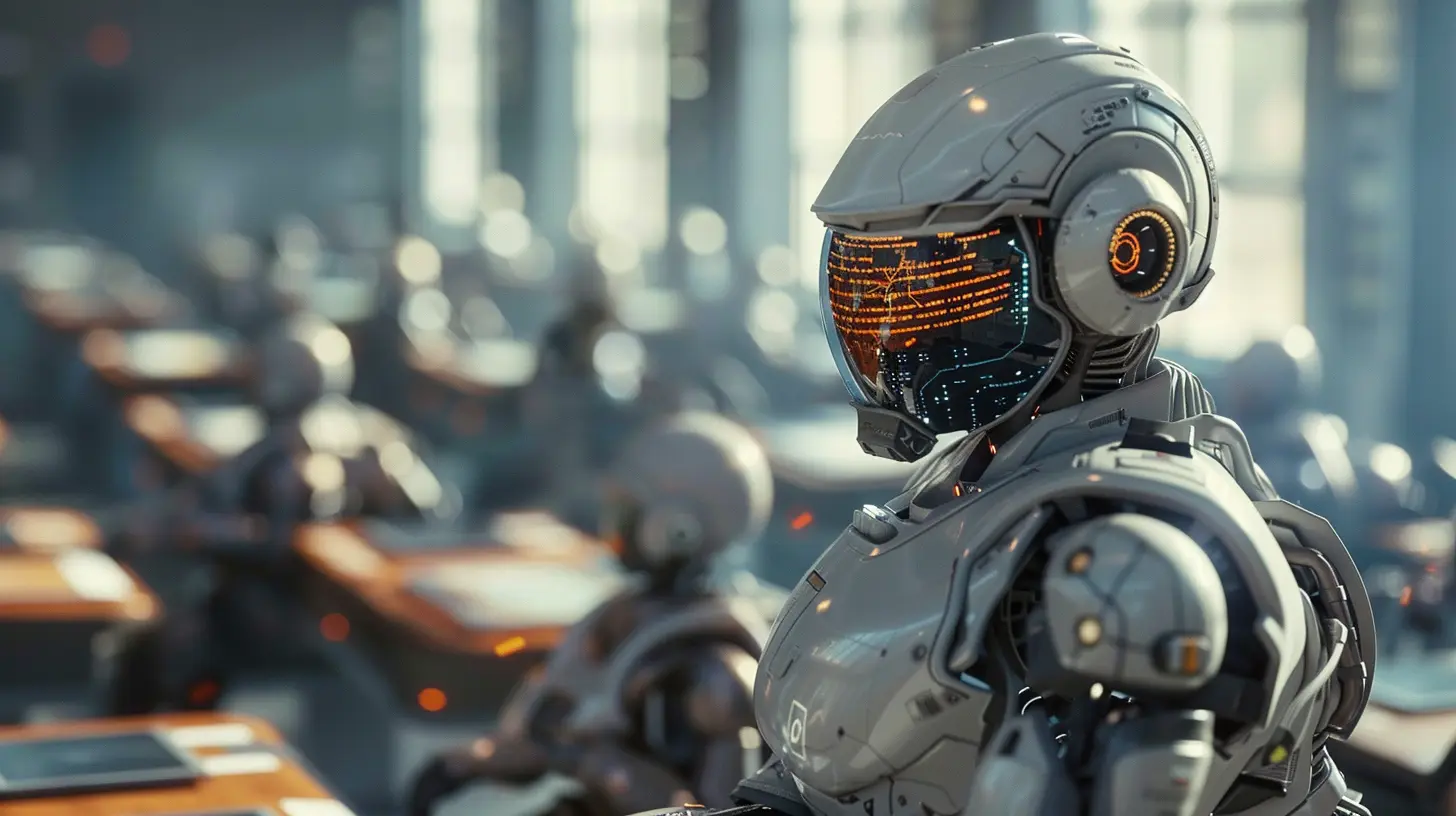
What Even Is Machine Learning? (Let’s Keep It Chill, No Jargon)
Okay, before we start tossing around terms like “neural networks” like we’re in a sci-fi movie, let’s break this down.Machine Learning (ML) is basically the art of teaching machines how to learn from data. Think of it like this: You give a computer a ton of examples (data), and it figures out patterns and learns to make predictions or decisions without being explicitly programmed to do so.
It’s like teaching your dog to fetch, but your dog has access to every tennis ball retrieval behavior ever uploaded to the internet. Super pup, right?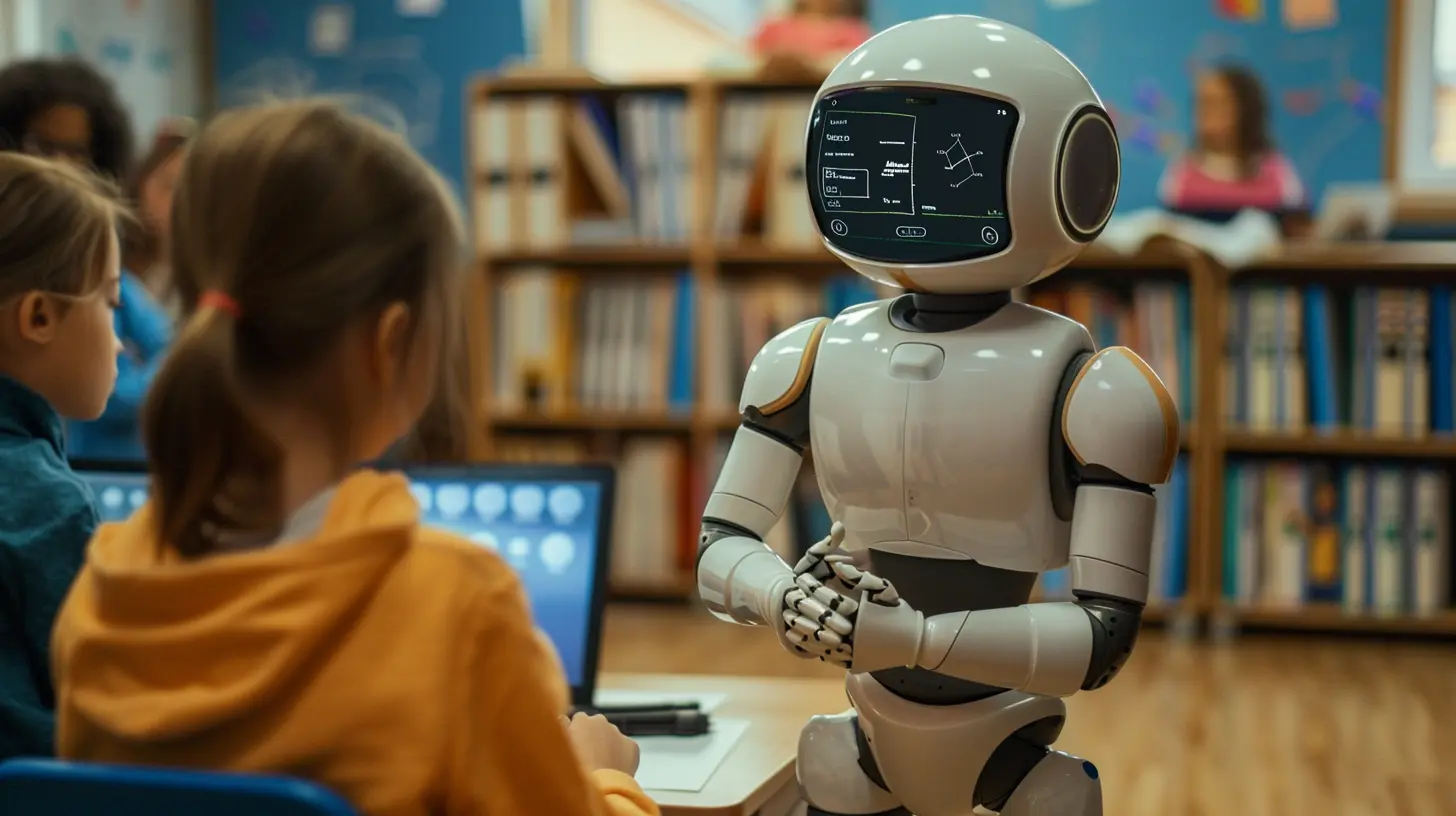
Personalized Learning Systems? Sounds Fancy
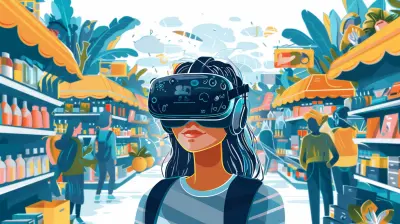
Personalized learning is exactly what it sounds like: tailoring education to fit each student's pace, preferences, strengths, and weaknesses.Imagine if your math class adjusted itself to how you solve problems, or if your English lessons knew you hate Shakespeare but love sci-fi. Instead of a one-size-fits-all education system (which is as effective as a universal shoe size), personalized learning systems aim to serve up the perfect educational experience for you.
Now throw Machine Learning into that mix—and BOOM. You’ve got a system that’s smarter, quicker, and more intuitive than your average syllabus.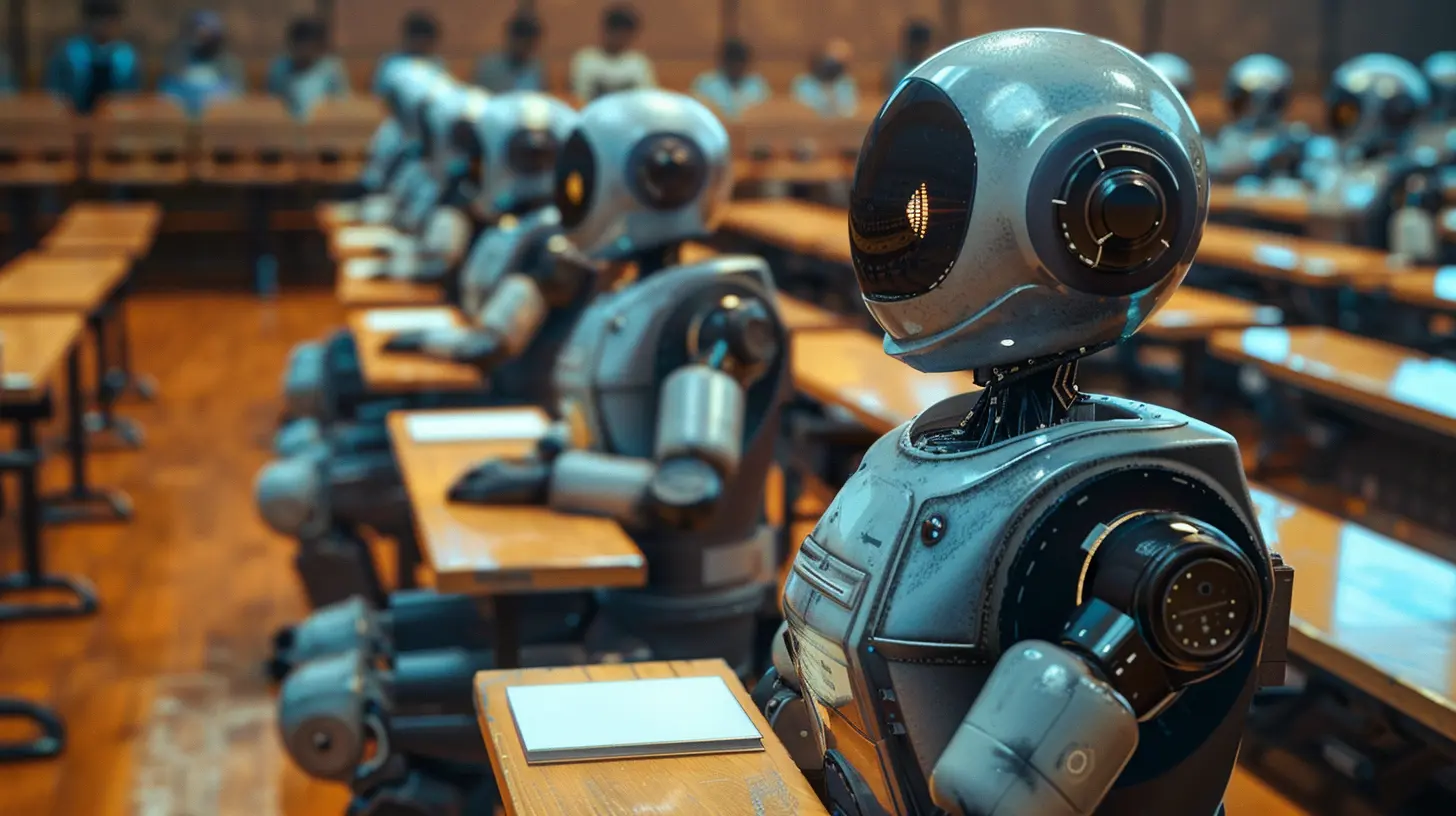
The Old-School Model Is Broken (No Offense)
Let’s face it: forcing 30 unique students to learn the same thing, at the same speed, from the same textbook, is like trying to make sushi with a chainsaw. It’s loud, messy, and someone’s definitely going to get hurt.Teachers have always done their best, but they’re only human. Machine Learning doesn’t replace educators (don’t worry, your favorite math teacher isn’t going out of business), but it does help them make better decisions, faster, and with more insight.
How Machine Learning Powers Personalized Learning
Now to the juicy stuff. Let’s break down how ML actually works in these new and shiny educational systems:1. Data-Driven Decisions — Because Gut Feelings Only Go So Far
Every time a student interacts with an online learning platform, heaps of data are generated. Think scores, time spent on a question, which videos they replay, what they skip—you name it.Machine Learning algorithms gobble up that data like it’s the last slice of pizza. Then, they analyze it to recognize patterns. Maybe Johnny learns better in the evening, or Priya prefers videos over text. The system picks up on that and starts customizing the learning material accordingly.
2. Adaptive Learning—A.K.A. Smart Tutoring Without the Awkward Small Talk
Remember those old “Choose Your Own Adventure” books? Adaptive learning works like that but with actual intelligence behind it. If a student aces multiplication, the system levels up to division. If they stumble on fractions (don’t we all?), it pauses, re-teaches, and maybe offers a different approach.It’s like having a tutor who watches your every move—but in a non-creepy, totally helpful way.
3. Predictive Analytics—Fortune Telling for Report Cards
ML doesn’t just react to what students do—it predicts what they might do. Based on historical data, these systems can identify students at risk of falling behind way before test day rolls around. It’s like your teacher having Spidey senses but powered by algorithms.Now educators can swoop in with support before a student even realizes they’re struggling. Proactive beats reactive every time.
Real-World Examples That’ll Blow Your Mind (Just a Bit)
Not convinced this is more than futuristic hype? Check out some real-world applications of ML in personalized education:Khan Academy
They’ve been using ML to fine-tune learning paths for years. Their system adapts as you learn, offering targeted exercises and videos so you don’t waste time on stuff you already know—or get overwhelmed by things you’re not ready for.Duolingo
This cheeky little owl knows more about your Spanish proficiency than you probably do. Through constant analysis, Duolingo adjusts difficulty, repetition, and frequency to help you grasp new languages at your unique pace.Also, shoutout to Duo for the passive-aggressive reminders. Nothing like owl-induced guilt to keep that learning streak alive.
DreamBox Learning
K-8 math gets the ML treatment here. The platform reacts in real time based on students’ strategies. So two students solving the same problem can get totally different experiences based on how they approach it.Who knew math could be kinda... fun?
But Wait, Are There Downsides Too?
Ah yes, before we start engraving “ML 4EVA” into desks, let’s address the elephant in the digital classroom.1. Privacy Headaches
More data means more risk. Student data privacy is a huge concern. Who owns the data? How is it stored? Is it safe from cyber-villains?2. Algorithmic Bias—The Digital Equivalent of Playing Favorites
If the data fed into ML systems is biased (and let’s be real, it probably is), the outcomes can be skewed. We don’t want a digital tutor that “accidentally” favors students from certain backgrounds over others.3. Over-Reliance on Tech
There’s a danger in letting algorithms do too much. Kids need real human interaction. Emotional intelligence isn’t something you can download from the App Store.Tech should enhance learning, not replace the human magic of great teaching.
The Future: Jetpacks? Maybe Not. Personalized Learning? Absolutely.
So, what’s next?Picture classrooms with AI-enabled dashboards that give teachers real-time insights. Or microlearning modules that adjust on the fly. Maybe even virtual tutors that know your study habits better than your mom.
We’re headed toward an era where education is no longer about cramming facts but fostering curiosity, critical thinking, and creativity. And yes, Machine Learning will be holding the chalk—or maybe just the stylus.
Will Teachers Lose Their Jobs? (Let Us Calm Your Inner Panic)
Short answer: Nope. Long answer: Noooooooooooope.Machine Learning tools are like Iron Man’s suit. Sure, Tony Stark can knock out bad guys on his own, but with that suit? He’s unstoppable.
Teachers are the Tony Starks of education. ML just gives them the tech to reach every student more effectively, with less guesswork and more impact.
So, Should We Be Excited or Terrified?
A bit of both. But mostly excited.Yes, ML in education comes with its own set of challenges. But its potential to revolutionize learning—making it more inclusive, efficient, and engaging—is just too powerful to ignore.
Let’s embrace the bots. But let’s also keep them in check. After all, no machine will ever replace the magic of a passionate teacher who believes in their students.
Final Thoughts: The Verdict From The Digital Classroom
Machine Learning is like the Hermione Granger of tech—wickedly smart, often misunderstood, and capable of transforming the world if used wisely.In the hands of educators, ML-powered personalized learning systems can finally give students the education they deserve—not the industrial-age factory model they’ve been stuck with.
So let’s toast (digitally, of course) to a future where learning is as unique as every student—and way more fun than memorizing the periodic table.
Now, if only my coffee machine could learn to make a cappuccino exactly the way I like it...
all images in this post were generated using AI tools
Category:
Machine LearningAuthor:

Ugo Coleman
Discussion
rate this article
2 comments
Sage Cummings
Excited to see this unfold!
February 25, 2026 at 5:05 AM
Ugo Coleman
Thanks for your enthusiasm! Exciting times ahead in education.
Sabina McKenzie
In the tapestry of learning, machine whispers dreams, Crafting paths uniquely, as knowledge gleams. With algorithms dancing, each mind finds its way, A symphony of futures, where curiosity plays. Education evolves, and potential takes flight.
February 10, 2026 at 3:58 AM
Ugo Coleman
Thank you for your poetic reflection! It beautifully captures the essence of how machine learning can shape personalized education, unlocking each learner’s potential in this evolving landscape.