The Growing Importance of Bluetooth in Augmented Reality Devices
20 February 2026
Augmented Reality (AR) is no longer a distant dream—it’s here, and it's shaping the way we interact with technology. From gaming and entertainment to healthcare and education, AR is redefining our world. But have you ever stopped to think about what makes AR devices work seamlessly?
One of the unsung heroes behind AR's smooth operation is Bluetooth technology. It might not be the flashiest feature to talk about, but it plays a crucial role in making AR devices more practical, efficient, and user-friendly.
So, why is Bluetooth so important in AR devices? Let’s dive in! 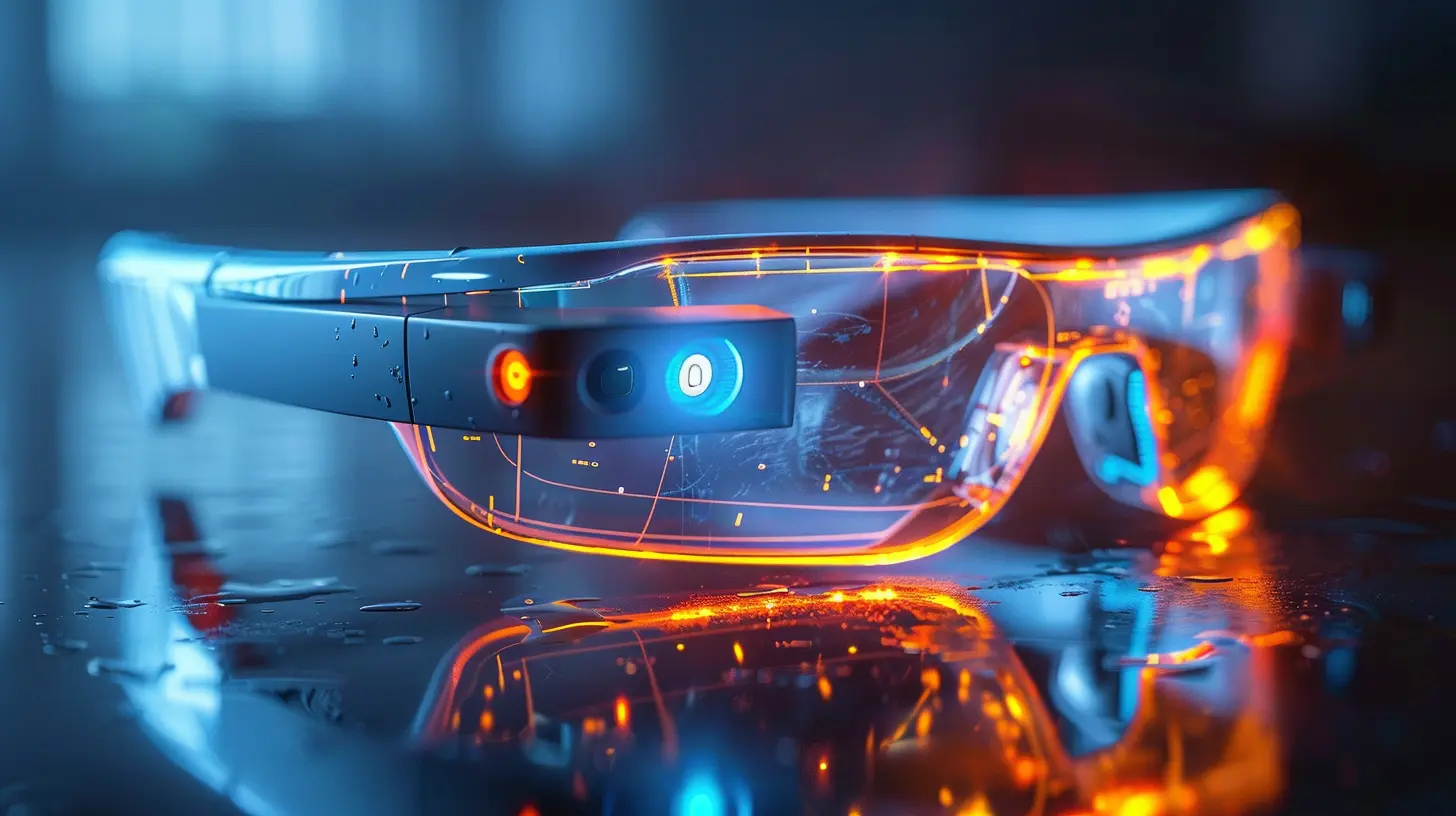
Why Bluetooth Is Vital for Augmented Reality
Bluetooth technology has come a long way from simply connecting wireless headphones or transferring files between phones. Today, it is a fundamental component driving the success of AR devices. But why exactly?1. Wireless Connectivity Means More Freedom
Gone are the days when you had to deal with a mess of tangled wires just to experience immersive AR. With Bluetooth, AR glasses, headsets, and controllers can seamlessly connect without requiring physical cables.Imagine playing an AR game where you can roam freely without tripping over wires—sounds perfect, right? Whether it's smart glasses or AR-powered fitness wearables, Bluetooth keeps everything connected without causing a tangled mess.
2. Low Power Consumption for Longer Battery Life
One of the biggest challenges AR devices face is battery life. High-definition displays and real-time processing consume a lot of power. Luckily, Bluetooth Low Energy (BLE) helps extend battery life by allowing AR devices to communicate efficiently without draining power.Would you rather have an AR headset that lasts an hour or one that stays powered all day long? Thanks to Bluetooth, we get more usage time, whether for work, play, or anything in between.
3. Seamless Device Pairing and Communication
AR gadgets rarely work alone. They often need to sync with other devices like smartphones, controllers, or external sensors. That's where Bluetooth shines—it ensures smooth and instant connectivity between devices.Picture this: You put on your AR glasses, and with just a tap, they connect to your phone or a gaming controller. No complicated settings, no headaches—just instant connectivity. 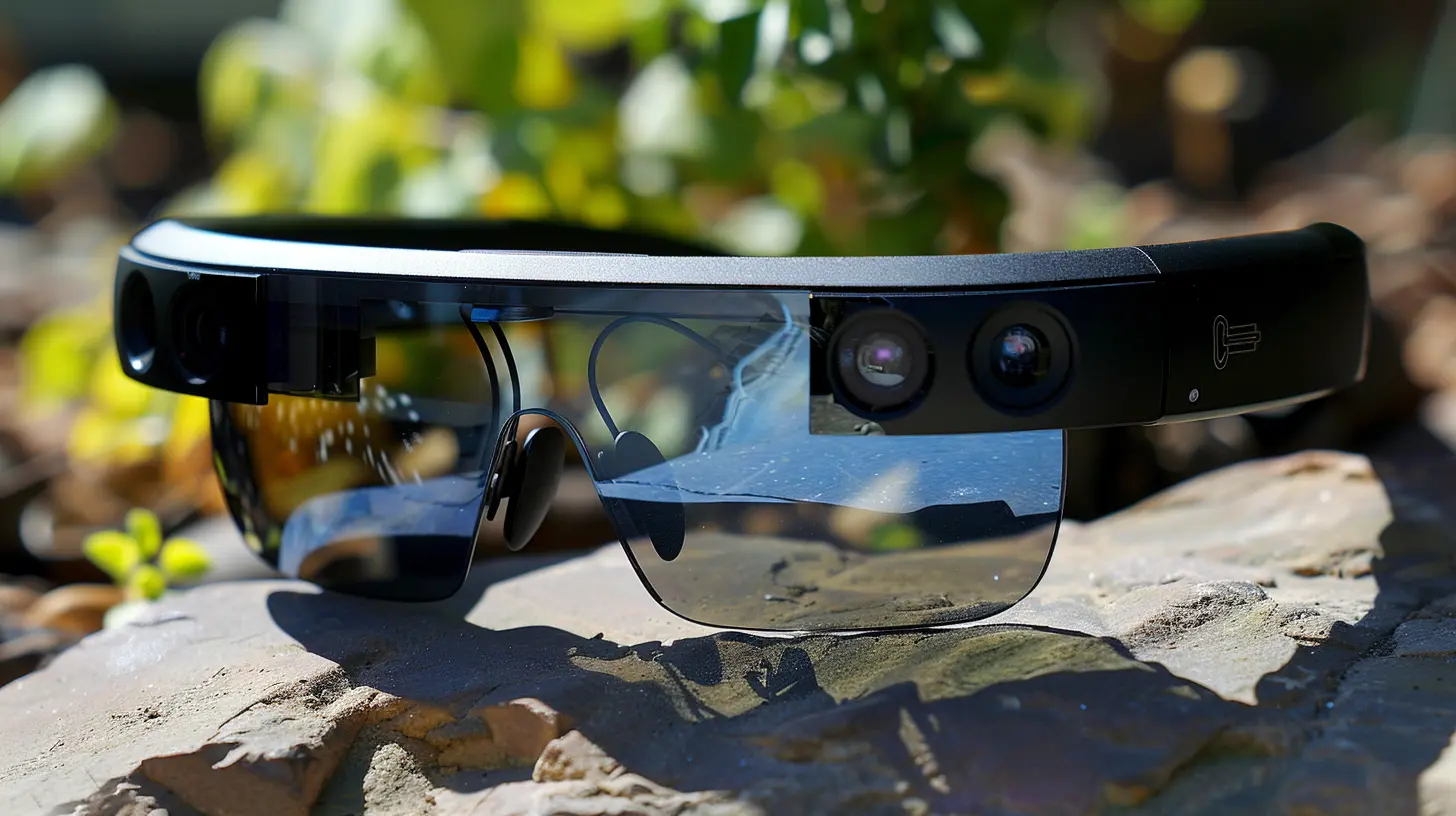
Bluetooth's Role in Enhancing AR Experiences
Now that we understand how Bluetooth enables AR functionality, let’s talk about how it enhances the user experience.1. Real-Time Data Transfer for Interactive AR Experiences
Augmented reality thrives on real-time interactions. Whether you’re using AR smart glasses for navigation or engaging in AR-assisted remote work, there’s a constant exchange of data.Bluetooth allows AR devices to communicate with sensors, controllers, and external gadgets without delays, ensuring a smooth and immersive experience. It’s what makes virtual objects seem like they exist in real life rather than feeling like a glitchy mess.
2. Enabling Multi-Device Synchronization
Imagine an AR escape room where every player wears AR glasses that sync to a central game system. Thanks to Bluetooth, multiple devices can stay connected in real-time, making these collective experiences possible.Bluetooth also allows AR headsets to sync with external tracking systems, improving accuracy for gaming, industrial applications, and even medical simulations. Whether it's for fun or work, Bluetooth keeps everything in sync.
3. Better Controls Through Wireless Accessories
Most AR devices pair with additional accessories like controllers, styluses, or even smart gloves. Without Bluetooth, you’d either have to rely on laggy Wi-Fi connections or be physically wired to the device.With Bluetooth, these accessories can connect instantly and accurately, making interactions feel natural. Whether you’re using an AR-based training tool or drawing in 3D space, Bluetooth ensures lag-free and precise controls. 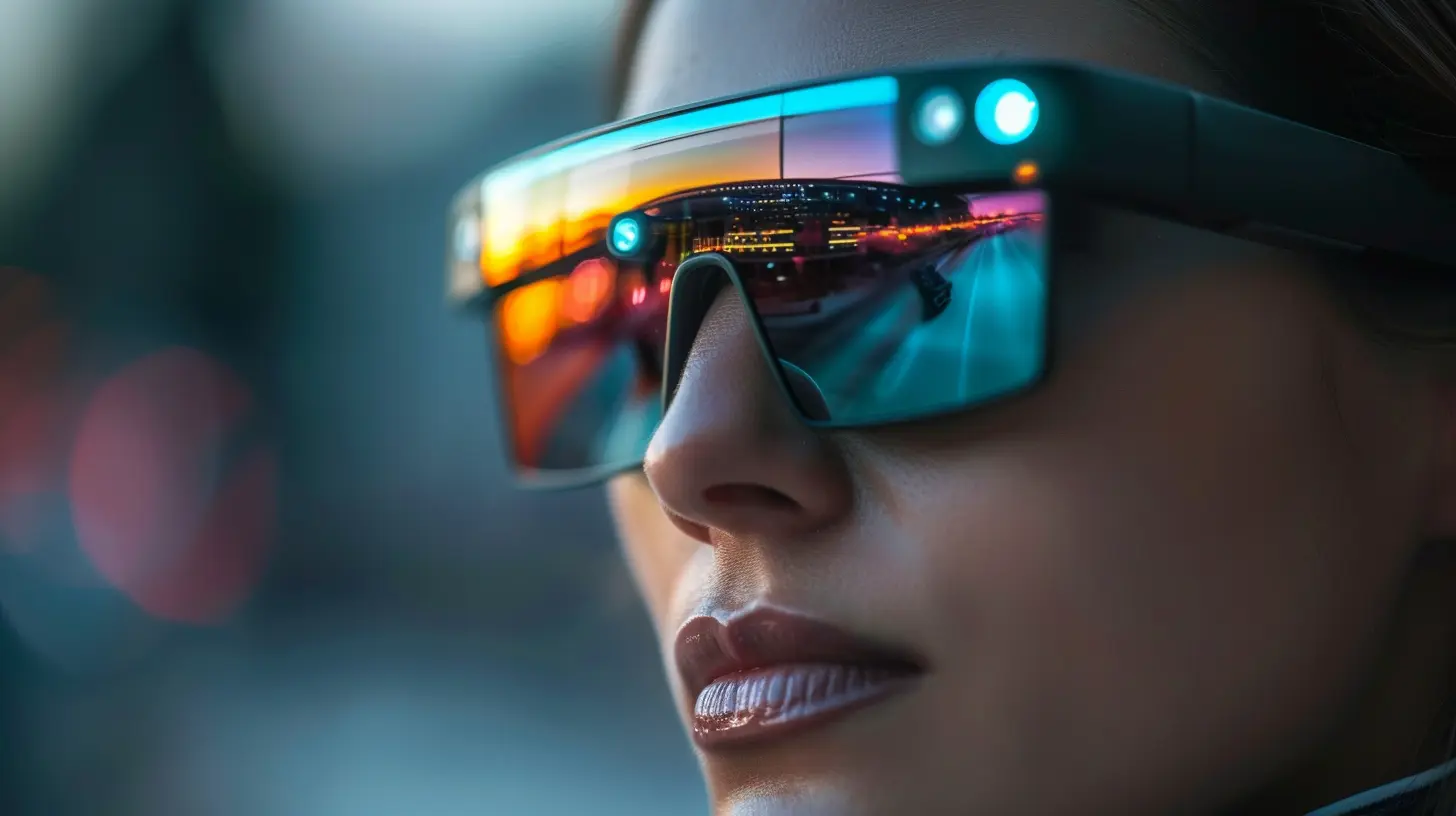
The Future of Bluetooth in AR Devices
As AR technology continues to evolve, so does Bluetooth. The latest Bluetooth versions (like Bluetooth 5.3) offer even faster speeds, lower power consumption, and improved range.1. Bluetooth Mesh Networks Will Improve AR Smart Homes and Cities
Bluetooth Mesh is a game-changer for AR applications in smart environments. It allows multiple devices to communicate simultaneously, perfect for applications like AR-guided shopping, navigation, or even smart homes where AR overlays offer real-time information.Imagine walking into a smart museum where exhibits change as you move, all controlled by Bluetooth-enabled AR systems. The possibilities are endless!
2. Enhanced Audio for AR Glasses and Headsets
Bluetooth LE Audio is redefining the way sound travels between devices. For AR headsets and smart glasses, this means better sound quality and spatial audio capabilities, making experiences even more immersive.Think about AR-assisted language translation, where Bluetooth-connected earbuds provide real-time voice translations—pretty futuristic, right?
3. Stronger Security Measures
AR devices collect and transmit a lot of data, making security a top priority. Thankfully, modern Bluetooth technology now includes stronger encryption and security protocols to protect sensitive information.This is particularly important for industries like healthcare and enterprise AR, where data privacy is crucial. 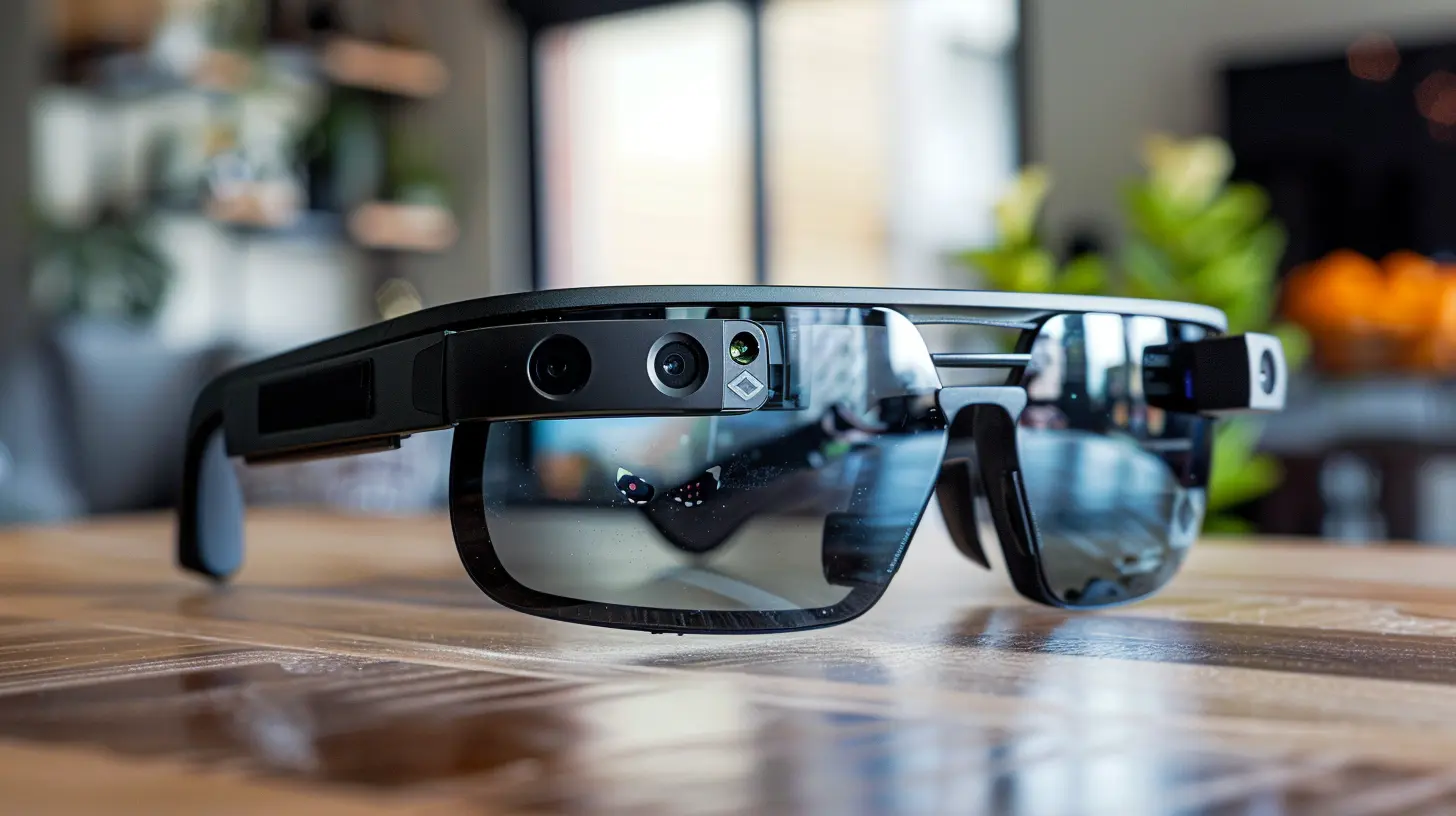
Final Thoughts
Bluetooth may not be the first thing you think of when discussing AR, but it's absolutely essential in making AR wireless, efficient, and immersive. From reducing power consumption to enhancing real-time interactions, it plays a major role in the future of augmented reality.As technology continues to advance, Bluetooth will only get faster, stronger, and smarter, ensuring that AR devices remain a seamless part of our everyday lives.
So, the next time you put on AR glasses or use an AR controller, give a little nod to Bluetooth—it’s working hard behind the scenes!
all images in this post were generated using AI tools
Category:
Bluetooth DevicesAuthor:

Ugo Coleman
Discussion
rate this article
2 comments
Caitlin Benton
Bluetooth in AR? Oh, honey, it’s about time! If we’re going to immerse ourselves in virtual worlds, let’s not trip over wires while doing it. We need seamless connections that keep our experiences as smooth as our selfies. Bring on the Bluetooth revolution—no more cords, just pure innovation!
March 16, 2026 at 4:16 AM
Ugo Coleman
Absolutely! Bluetooth is key to creating a truly immersive experience. Cutting the cords will make AR more intuitive and enjoyable for everyone. Exciting times ahead!
Claire Lopez
Bluetooth’s role in AR is pivotal; connectivity enhances user experiences.
March 3, 2026 at 4:17 AM
Ugo Coleman
Thank you for your insight! Indeed, Bluetooth connectivity significantly enriches AR experiences by enabling seamless interactions and data sharing.