The Remote Work Tech Stack You’ll Need in 2026
6 May 2026
Let me paint you a picture. It's 2026, and you're sitting in a tiny cabin in the woods-or maybe a coworking space in Ho Chi Minh City-running a full-time job from a laptop that weighs less than your cat. Sounds dreamy, right? But here's the thing: that dream can turn into a nightmare fast if your tech stack is held together with duct tape and hope. I've been there. I've had video calls drop mid-sentence, lost files to the cloud gremlins, and spent an hour trying to sync a calendar that just refused to cooperate. In 2026, remote work isn't just about having Wi-Fi and a good chair. It's about building a digital ecosystem that works for you, not against you. So let's cut the fluff and talk about the real tools you'll need to survive-and thrive-in the next era of remote work.

Why Your 2024 Stack Won't Cut It Anymore
Here's a hard truth: the tools you're using right now are already outdated. I know, I know-you love Slack, you swear by Zoom, and Google Drive is your ride-or-die. But by 2026, the landscape will have shifted. We're talking AI that doesn't just suggest replies but actually runs your morning standup. We're talking security that's baked into every click, not bolted on as an afterthought. And we're talking about a world where your "office" is a mesh of devices, locations, and time zones. If you're still relying on the same old apps, you're going to get left behind-like using a flip phone at a 5G launch party.The remote work tech stack of 2026 isn't about more tools. It's about smarter integration. It's about fewer logins, less friction, and more automation that feels like magic, not a chore. So let's break it down piece by piece, from the foundation to the fancy stuff.
The Core: Your Digital Hub
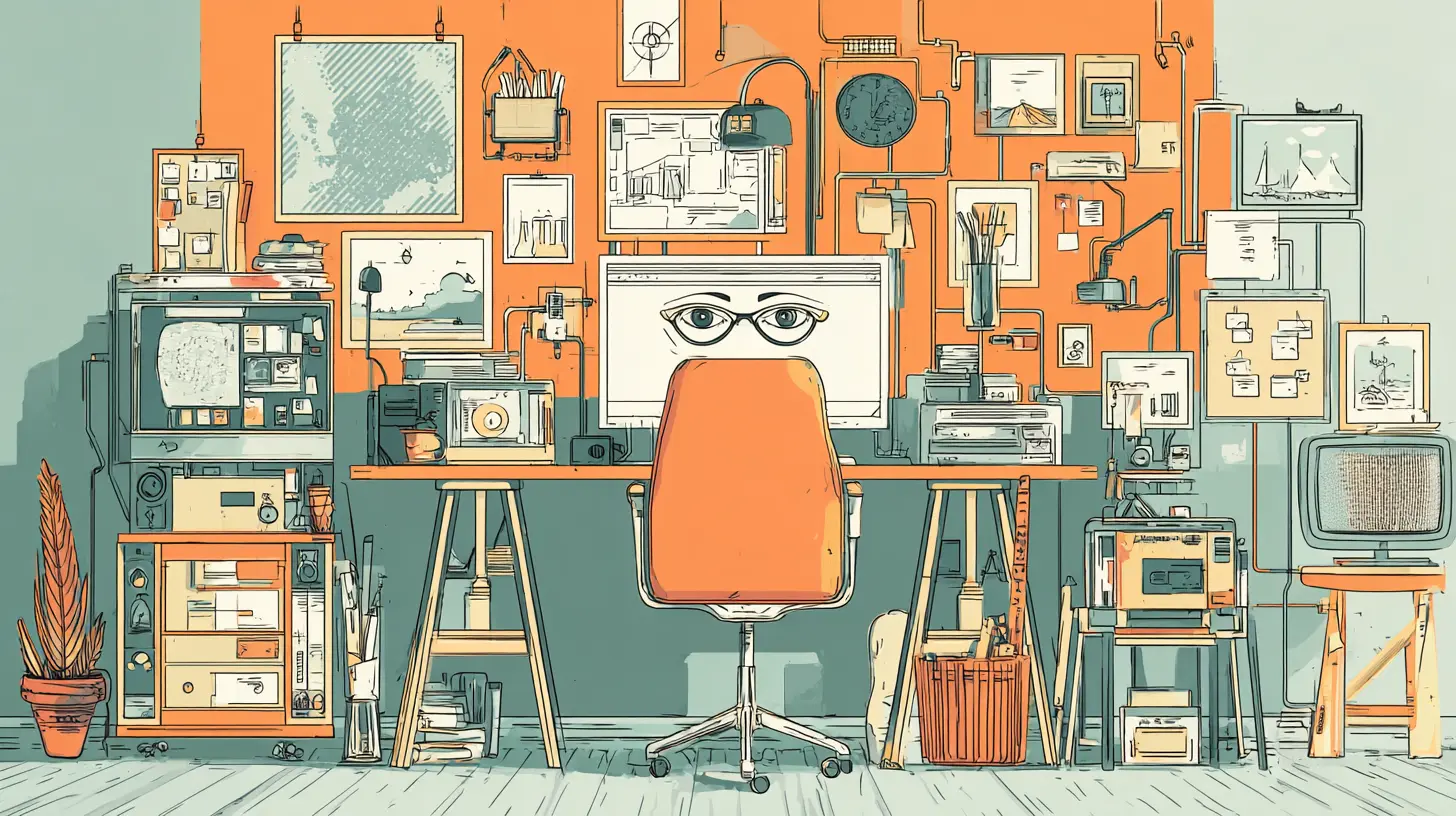
First things first: you need a central command center. Think of it as the cockpit of your remote work spaceship. In 2026, this isn't a single app-it's a platform that ties everything together. I'm talking about something like Notion, but on steroids. Or maybe it's a new player like Coda or a revamped Monday.com that's learned to actually listen to users. The key here is that your hub should handle project management, documentation, and communication in one place. No more jumping between Trello for tasks, Confluence for docs, and Discord for chats. That's 2023 nonsense.What you want is a tool that uses AI to predict your next move. Imagine opening your hub in the morning and seeing a summary of what's urgent, what's been delayed, and what your team is working on-all generated automatically. No more "What did I miss?" panic. This hub should also integrate with your calendar, your email, and your file storage so that everything is a search away. For 2026, look for platforms that offer native AI assistants, real-time collaboration on documents (not just comments, but actual co-editing with version history that doesn't suck), and a mobile experience that doesn't make you want to throw your phone into a river.

Communication That Doesn't Make You Want to Scream
Let's talk about the elephant in the Zoom room: communication fatigue. By 2026, we'll have figured out that constant video calls are a productivity killer. The new stack prioritizes asynchronous communication. Tools like Loom or a more advanced version of Twist will be your best friends. You record a video, your team watches it when they're ready, and everyone saves two hours of "Can you hear me now?" nonsense.But don't throw out real-time chat entirely. Slack and Teams will still be around, but they'll be smarter. Expect AI that summarizes long threads, suggests replies based on your tone, and even flags when a conversation is going off the rails. And here's a wild prediction: voice-first interfaces will become huge. Imagine walking your dog while dictating a message that gets transcribed and sent automatically. No typing, no awkward pauses. Just pure, frictionless communication.
For video calls, the winner in 2026 won't be the one with the best filters. It'll be the one with the best noise cancellation, background replacement that actually works (no more floating heads), and a feature that automatically adjusts lighting so you don't look like a ghost. Look for platforms that integrate with your calendar to schedule calls based on everyone's focus time-not just the first available slot. And please, for the love of all that is holy, invest in a good microphone. Your teammates will thank you.
The Security Layer: Your Digital Bodyguard
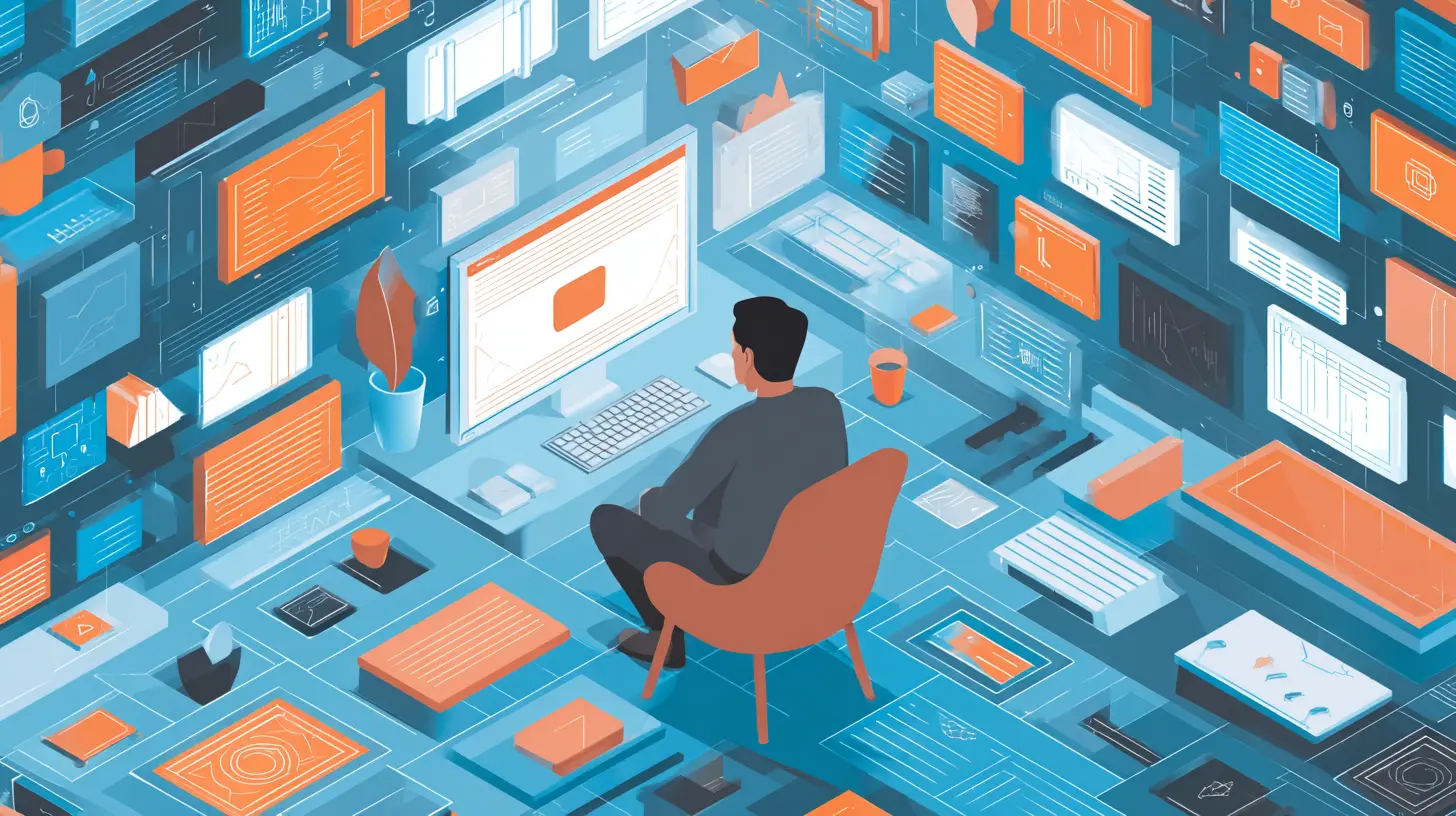
Here's where things get serious. Remote work in 2026 means you're a target. Hackers love distributed teams because they're easier to pick off. So your stack needs a security layer that's both invisible and ironclad. I'm not talking about clunky VPNs that slow your connection to a crawl. I'm talking about zero-trust architecture that's baked into your apps.Think of it like this: every time you access a file or log into a system, the tool should verify your identity without you even noticing. Password managers like 1Password or Bitwarden will be standard, but they'll evolve to use biometrics and behavioral patterns. For example, if you usually log in from Tokyo at 9 AM, but suddenly there's a login from Nigeria at 3 AM, the system should lock down instantly. That's the level of security we're talking about.
Also, expect hardware-based security keys to become as common as USB drives. YubiKeys or similar devices will be the norm for two-factor authentication. And for file sharing, look for encrypted platforms like Tresorit or a revamped Signal for business. No more sending sensitive documents over email like it's 1999. In 2026, if your data isn't end-to-end encrypted, you're basically leaving your front door wide open.
The Productivity Engine: AI That Actually Helps
Alright, let's get to the fun part. AI in 2026 won't be a gimmick. It'll be the engine that drives your entire workflow. I'm not saying robots will take your job-but they'll definitely take your boring tasks. Imagine an AI assistant that reads your emails, drafts replies, schedules meetings, and even writes your status updates. Tools like Motion or a more advanced version of Clara will handle the logistics while you focus on the actual work.But here's the catch: the AI needs to learn your style. Not some generic "professional" tone. You want an AI that knows you're sarcastic on Fridays and serious on Mondays. That's the kind of personalization we're heading toward. In 2026, your productivity stack will include a personal AI agent that you can train over time. It'll know your deadlines, your energy levels, and even your preferred coffee breaks. Creepy? Maybe. Effective? Absolutely.
For task management, AI will prioritize your to-do list based on what's actually important, not just what's screaming the loudest. It'll block out focus time on your calendar, mute notifications during deep work, and even suggest when you need a break. Think of it as a digital personal assistant that doesn't need sleep. And for research, tools like Perplexity AI or a more advanced version of Elicit will be your go-to for gathering information without wading through a sea of irrelevant results.
The Collaboration Layer: Working Together Without Being Together
Collaboration in 2026 will be less about "real-time" and more about "right-time." That means tools that let you work on the same document without stepping on each other's toes. Figma for design, Notion for docs, and Miro for brainstorming will evolve to handle complex projects with hundreds of contributors. Expect version control that's as smooth as Git, but for everything-not just code.For remote teams, the biggest challenge is staying aligned without constant check-ins. That's where tools like Range or Status Hero come in. They'll use AI to generate daily updates based on your activity, so you don't have to write "I worked on the spreadsheet" every single day. Instead, your stack will pull data from your calendar, your commits, and your messages to create a coherent story of your work. Your manager gets a bird's-eye view, and you get your time back.
Also, don't sleep on virtual whiteboards. In 2026, they won't be clunky digital copies of physical boards. They'll be immersive, 3D spaces where you can brainstorm with colleagues as if you're in the same room. Think of it like a VR meeting room, but without the bulky headset. Just your laptop, a stylus, and a shared canvas that feels alive.
The Hardware: Your Body's Best Friend
Let's be real: you can have the best software in the world, but if your hardware is garbage, you're toast. In 2026, the remote work hardware stack will focus on comfort and portability. I'm talking ultralight laptops with all-day battery life, like the next-gen MacBook Air or a Windows competitor that finally gets it right. But the real game-changer will be peripherals.A good monitor is non-negotiable. But instead of a single giant screen, expect modular setups that adapt to your space. Think portable monitors that fold into your bag, or even AR glasses that project a virtual second screen wherever you are. For audio, noise-canceling headphones will be standard, but they'll also double as your communication hub-taking calls, filtering background noise, and even translating languages in real time.
And don't forget the chair. In 2026, your chair will be smart. It'll track your posture, remind you to stand up, and even adjust its firmness based on your body type. Sounds fancy, but it's cheaper than a chiropractor. Trust me.
The Backup Plan: When Things Go Wrong
Here's a reality check: even the best tech stack will fail. Wi-Fi drops, power goes out, your laptop decides to update at the worst possible moment. In 2026, resilience is part of the stack. You need a backup internet connection-like a 5G hotspot that kicks in automatically when your main line dies. You need cloud backups that run every few minutes, not once a day. And you need a local copy of everything critical, just in case the cloud has a bad day.Tools like Backblaze or a more advanced version of Dropbox will offer instant recovery. If your laptop gets stolen, you're back online in minutes on a new device. Also, consider a "digital will" for your work-a set of instructions for your team if you're ever unreachable. It sounds dramatic, but in a remote world, it's just smart planning.
The Final Piece: Your Mental Health Stack
I can't write this article without mentioning the elephant in the room: burnout. The remote work tech stack of 2026 must include tools that protect your mental health. Apps like Calm or Headspace will integrate with your calendar to schedule breaks. Focus modes on your devices will block distractions after hours. And yes, there will be AI that detects when you're overworking and suggests you take a walk.But the real shift is cultural. Your stack should encourage boundaries, not blur them. Tools that let you set "do not disturb" hours across all apps, or that automatically forward urgent messages to a backup person when you're off. Because at the end of the day, the best tech stack is the one that lets you log off and actually live your life.
So there you have it. The remote work tech stack for 2026 isn't about buying every shiny new gadget. It's about building a system that's secure, seamless, and sustainable. Start with the hub, layer on smart communication, add AI that works for you, and never forget the hardware that keeps you comfortable. And most importantly, remember that tools are just tools. You're the one doing the work. Now go build your stack.
all images in this post were generated using AI tools
Category:
Tech For Remote WorkAuthor:

Ugo Coleman
Discussion
rate this article
2 comments
Gideon McGrady
Exciting times ahead in the world of remote work! Embracing the right tech stack will not only enhance productivity but also foster collaboration. Let's gear up for 2026 and create a work environment that inspires innovation and connection.
July 25, 2026 at 3:51 AM
Ugo Coleman
Absolutely! The right tools will be key in shaping our remote work future. Excited to see how innovation unfolds.
Spencer James
Great insights! Embracing the right tools for remote work will truly enhance productivity and collaboration. Excited to see how tech continues to evolve.
May 20, 2026 at 12:13 PM
Ugo Coleman
Thanks for the feedback! I share your excitement about the future of remote work tools. It's going to be an interesting journey.