The Impact of Open Source on IoT Development
10 July 2026
The Internet of Things (IoT) has undeniably revolutionized how we interact with technology. From smart homes to industrial automation, IoT is shaping the future. But have you ever wondered what’s fueling this transformation? A big part of it is open-source software.
Open-source technology has become the backbone of IoT development, driving innovation, reducing costs, and fostering collaboration. In this article, we'll break down how open source is changing the IoT landscape, its benefits, challenges, and what the future holds.

What Is Open Source in IoT?
Before we dive deep, let’s clarify what open source means in the IoT world. Open-source software refers to code that is freely available for anyone to use, modify, and distribute. In the IoT ecosystem, open-source frameworks, platforms, and hardware play a crucial role in enabling seamless connectivity and innovation.Think of open source as the Lego blocks of technology—it allows developers to build and customize solutions without starting from scratch.

Why Open Source Matters for IoT Development
With IoT devices expected to surpass 30 billion by 2030, scalability and flexibility are essential. Open source provides the ideal foundation for IoT development in several ways:1. Lower Development Costs
Developing IoT solutions from scratch can be expensive. Proprietary software often comes with hefty licensing fees. Open source, on the other hand, eliminates these barriers, allowing startups and individuals to develop innovative solutions without breaking the bank.2. Faster Innovation
Since open-source software is community-driven, updates, bug fixes, and new features roll out much faster. This speeds up development cycles, ensuring cutting-edge innovation remains constant.3. Interoperability & Standardization
IoT devices often struggle with compatibility issues due to different proprietary systems. Open-source platforms help bridge this gap by promoting standardized communication protocols and seamless integration across devices.4. Enhanced Security
Contrary to popular belief, open source can be more secure than proprietary software. With a large community constantly reviewing the code, vulnerabilities can be detected and patched quickly—something closed-source developers may not prioritize as urgently.5. Community Support & Collaboration
The open-source community is massive, with experienced developers constantly contributing improvements. When issues arise, solutions are often just a forum post or GitHub repository away.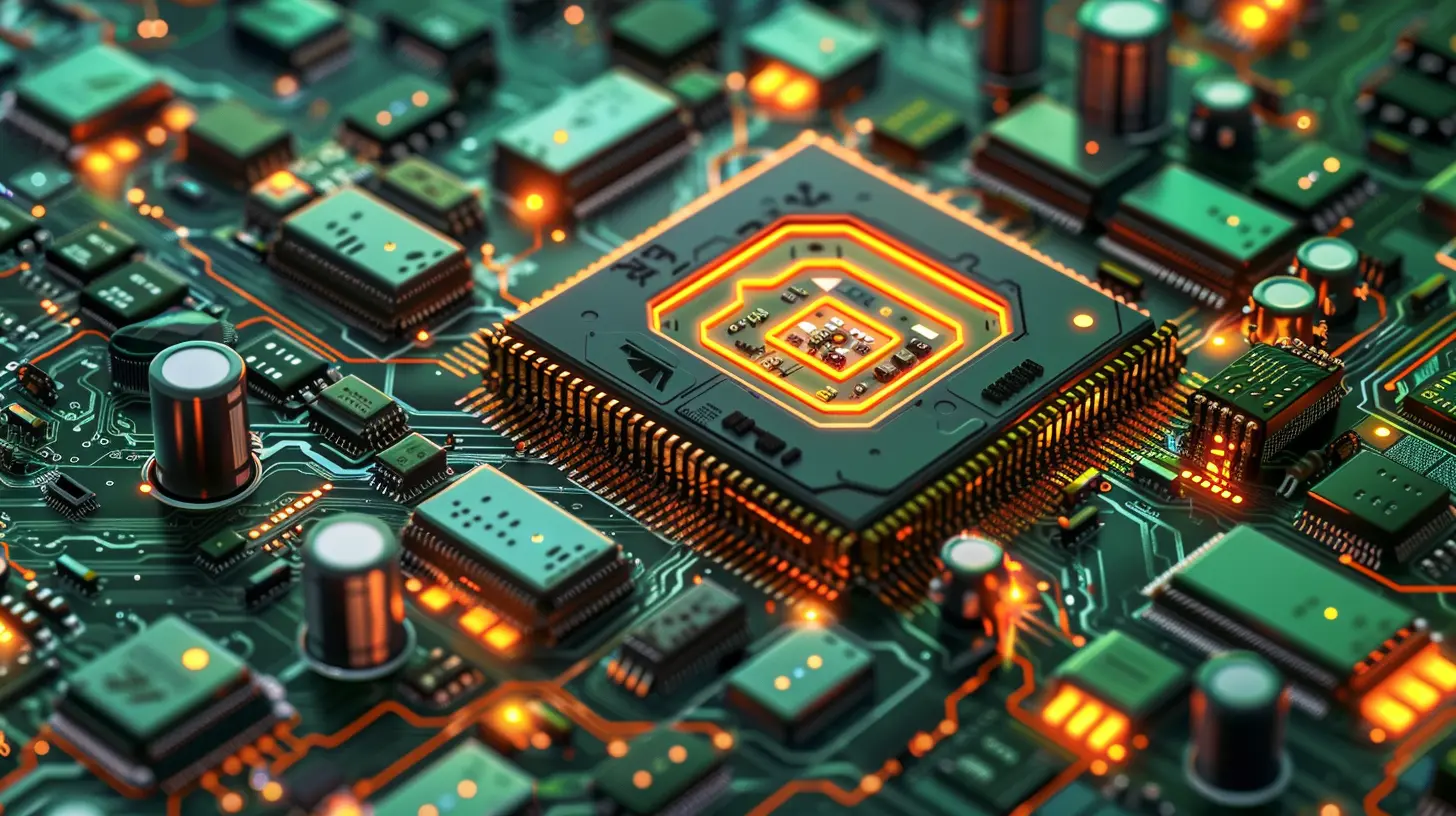
Popular Open-Source IoT Platforms
Now that we understand its importance, let’s look at some popular open-source platforms revolutionizing IoT development.1. Arduino
Arduino has been a game-changer for IoT prototyping. Its open-source hardware and software make it an excellent choice for hobbyists and professionals alike.2. Raspberry Pi
With its flexible open-source ecosystem, Raspberry Pi is widely used for IoT applications, from smart home automation to AI-driven projects.3. Eclipse IoT
The Eclipse IoT initiative offers an entire suite of open-source tools designed specifically for IoT development, including frameworks like Eclipse Mosquitto (MQTT broker) and Eclipse Kura for gateway management.4. OpenHAB
This open-source home automation platform allows users to control IoT devices from different manufacturers in a unified system.5. ThingsBoard
A powerful open-source IoT platform that provides real-time analytics, data visualization, and device management.
Challenges of Open Source in IoT
While open source brings plenty of benefits, it's not without challenges. Let’s talk about some hurdles holding back broader adoption:1. Security Risks
Open-source software is publicly accessible, meaning potential cyber threats must be taken seriously. Without proper management, IoT devices can become vulnerable entry points for hackers.2. Fragmentation
With so many open-source IoT platforms available, compatibility issues can arise, making standardization a challenge.3. Lack of Commercial Support
Unlike proprietary solutions, open-source platforms rely on community support. While this is largely a strength, businesses often prefer dedicated customer service, which open-source solutions may lack.4. Scalability Concerns
Some open-source IoT platforms struggle when handling large-scale implementations due to limited enterprise-grade optimization.The Future of Open Source in IoT
Given its rapid growth, what does the future hold for open-source IoT development?1. AI & Machine Learning Integration
Artificial Intelligence (AI) and Machine Learning (ML) are reshaping IoT. Open-source projects like TensorFlow and PyTorch are making it easier to integrate AI into IoT devices for smarter decision-making.2. Increased Standardization
As more industry leaders embrace open-source IoT, expect better standardization efforts to improve interoperability between devices. Initiatives like EdgeX Foundry are already working toward this.3. Open-Source Security Solutions
With security being one of the major concerns, open-source security solutions like OpenVPN and Let’s Encrypt are helping secure IoT communications.4. Decentralized IoT Networks
With blockchain technology gaining traction, decentralized IoT networks will play a significant role in ensuring data integrity and security in open-source solutions.Should You Use Open Source for Your IoT Project?
If you're considering developing an IoT solution, open source is an excellent choice. It offers flexibility, cost-effectiveness, and an engaged community ready to support your project.That said, you need to carefully evaluate security measures, compatibility, and scalability before committing to an open-source solution.
For startups and individual developers, open-source IoT platforms can serve as a launchpad for innovation, removing barriers that would otherwise exist with proprietary alternatives.
Conclusion
Open source has undeniably transformed IoT development, making technology more accessible, cost-effective, and innovative than ever before. While it presents some challenges, the pros far outweigh the cons, especially when properly managed.As the IoT industry continues to evolve, expect open-source solutions to play an even greater role in shaping a more connected and intelligent world.
If you're working on an IoT project, why not take advantage of open source? With limitless potential, it's an exciting time to be part of the IoT revolution.
all images in this post were generated using AI tools
Category:
Open SourceAuthor:

Ugo Coleman
Discussion
rate this article
1 comments
Zevonis Reynolds
Open source is the secret sauce for IoT. It fuels innovation, lowers costs, and empowers developers to collaborate. The future of interconnected devices hinges on this thriving ecosystem.
July 22, 2026 at 2:28 AM
Ugo Coleman
I completely agree. Open source drives creativity and brings down barriers, making IoT more accessible and innovative for everyone involved.