The Impact of Telecom on the Evolution of Smart Agriculture
12 April 2026
Agriculture is one of the oldest industries in human history, but over the past few years, it has been undergoing a massive transformation. The driving force? Technology, of course! These days, "farming" doesn’t just mean tractors and plows anymore. It’s about drones, sensors, big data, and, most importantly, telecom networks. In fact, telecom has become the unsung hero of modern farming, making smart agriculture possible.
But what exactly is the link between telecom and agriculture? And how is it changing the way we grow food? Let’s dive in!
What Is Smart Agriculture?
Before we get into the nitty-gritty of how telecom is making a difference, let’s first clarify what we mean by "smart agriculture."Smart agriculture, also known as precision agriculture, is all about using technology to make farming more efficient. Think of it as farming with a brain. It involves using devices like sensors, GPS, drones, and data analytics to monitor and manage crops, livestock, and the environment. The goal is to boost productivity while minimizing waste, water usage, and environmental impact.
In short, smart agriculture is about farming smarter, not harder. And guess what? Telecom plays a pivotal role in making all of this possible.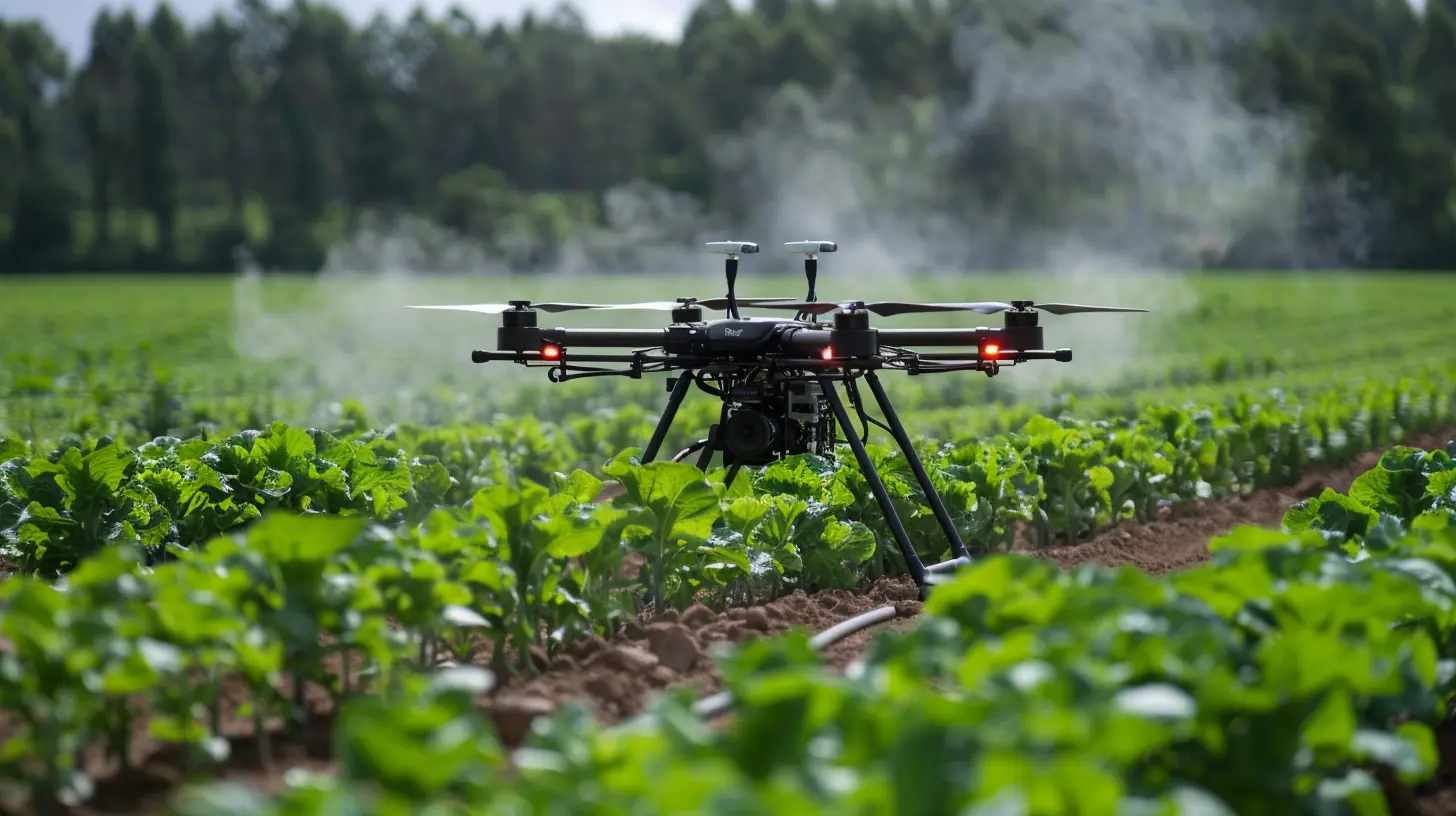
The Role of Telecom in Smart Agriculture
Telecom might not be the first thing that comes to mind when you think of farming, but it’s at the heart of everything smart agriculture has to offer. The ability to collect, transmit, and process data from farms in real time is what makes smart agriculture "smart." And that’s precisely where telecom comes in.1. Connectivity: The Foundation of Smart Agriculture
The backbone of smart agriculture is connectivity. Whether it’s a remote sensor measuring soil moisture or a drone scouting fields, all these devices need to be connected to a network to send the data they collect. Without reliable telecom networks, none of this data can be transmitted efficiently.Thanks to advancements in telecommunications, especially high-speed 4G and 5G networks, farmers can now connect their devices from even the most remote locations. This is a game-changer. With better connectivity, farmers can monitor their fields in real time, make more informed decisions, and respond to problems as soon as they arise.
Imagine a farmer being alerted on their smartphone that a part of their field is too dry, and being able to activate an irrigation system remotely. That’s the power of telecom in action.
2. IoT in Agriculture: The Internet of… Cows?
The Internet of Things (IoT) has made a massive splash in agriculture, and telecom is the glue holding it all together. IoT refers to the network of interconnected devices, from sensors to machinery, that can communicate with each other without human intervention.In agriculture, IoT devices can do everything from monitoring livestock health to tracking soil nutrients. Telecom networks allow these devices to communicate with each other seamlessly, transmitting data back to a central system where farmers can analyze it.
For example, wearable sensors on cows can track their vital signs and alert farmers if an animal is sick or stressed. By receiving real-time updates via a telecom network, farmers can take immediate action, preventing disease outbreaks and improving animal welfare.
3. Data Transmission & Big Data Analytics
Data is the new oil, and in agriculture, it’s no different. From predicting weather patterns to analyzing crop health, the amount of data generated by farms is staggering. But it’s not enough to just collect data. Farmers need to be able to analyze and act on it.Telecom networks allow this data to be transmitted to the cloud, where it can be processed using big data analytics tools. With telecom-enabled data transmission, farmers can receive insights in real time, helping them make more informed decisions.
For example, by analyzing data from sensors, farmers can determine the exact amount of water, fertilizer, and pesticides needed for each part of their field. This not only saves resources but also increases crop yields. 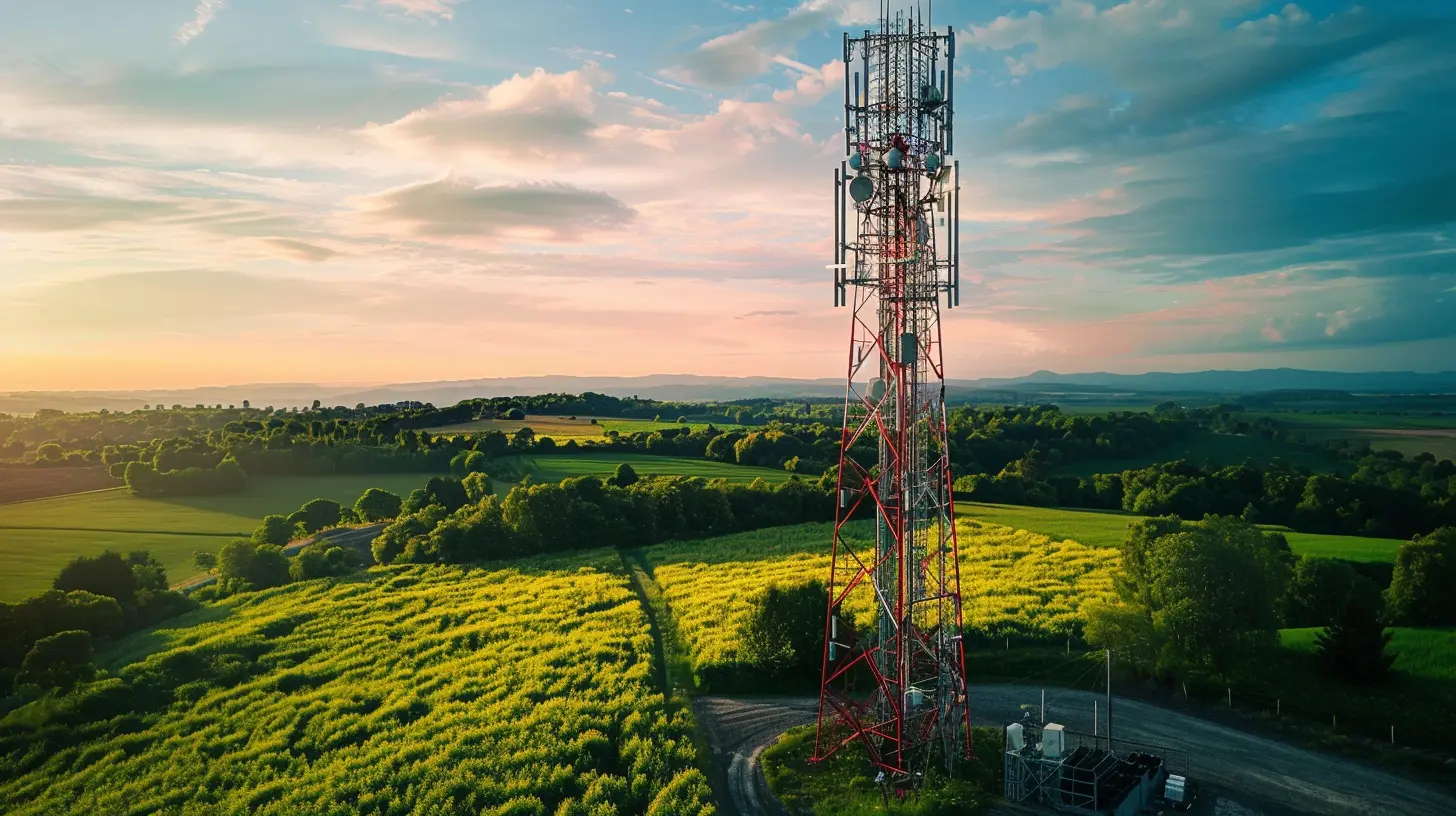
How Telecom is Shaping the Future of Agriculture
Now that we know how telecom supports smart agriculture, let’s talk about the future. The marriage of telecom and agriculture is only just beginning, and the potential for innovation is huge.1. 5G: The Future of Farming
If 4G was a game-changer for agriculture, 5G is set to revolutionize it. The faster speeds and lower latency of 5G networks will enable even more advanced applications, like autonomous farming equipment and real-time data processing.With a 5G network, drones could survey massive farming areas, collect data, and send that information back to farmers instantly. Autonomous tractors could plant, water, and harvest crops with precision, all while communicating with other machines on the farm.
5G will also enable farmers to use augmented reality (AR) and virtual reality (VR) tools to monitor crops and livestock remotely. Imagine being able to "walk" through your fields from the comfort of your home, checking on crops and equipment without even being there!
2. Telecom and AI: Smarter Decision-Making
Telecom networks also enable the use of artificial intelligence (AI) in agriculture. AI can sift through the vast amounts of data generated by smart farms and help farmers make smarter decisions. By processing data in real time, AI can provide farmers with recommendations on everything from planting schedules to pest control strategies.For instance, AI-powered systems can analyze satellite images and sensor data to predict crop diseases before they happen, allowing farmers to take preventative measures. With telecom networks constantly supplying data to these AI systems, agriculture becomes more proactive rather than reactive.
3. Blockchain and Telecom: A New Era for Food Security
Blockchain technology is another area where telecom can play a crucial role in agriculture. Blockchain allows for the secure and transparent tracking of food products from farm to table. By using telecom networks, data can be recorded at every stage of the agricultural supply chain, ensuring that consumers know exactly where their food comes from.This is especially important for food security and traceability. For instance, if there’s a contamination issue with a batch of produce, blockchain can help track down the source of the problem quickly and efficiently.
Challenges and Opportunities
While the future of telecom in agriculture looks bright, it’s not without its challenges. Let’s take a look at some of the roadblocks, as well as the opportunities that lie ahead.1. Rural Connectivity Issues
One of the biggest challenges facing smart agriculture is the lack of reliable telecom infrastructure in rural areas. Many of the world’s farms are located in remote regions where high-speed internet and cellular networks are still lacking. Without this infrastructure, farmers can’t take full advantage of smart agriculture technologies.However, telecom companies are starting to address this issue. With the rollout of satellite-based internet services like Starlink, even the most isolated farms could soon have access to high-speed connectivity.
2. Cost of Technology
Another challenge is the cost of implementing smart agriculture technologies. For small-scale farmers, the investment in IoT devices, drones, and AI systems can be prohibitively expensive.That said, as technology advances and becomes more widespread, the cost is expected to come down. Governments and organizations are also stepping in to provide subsidies and incentives for farmers to adopt smart agriculture technologies.
3. Data Privacy and Security
With the increase in data collection comes the need for better data privacy and security. Farmers will need to ensure that the data being transmitted over telecom networks is secure and that their privacy is protected.This is where telecom companies can make a difference by providing secure, encrypted networks and working with farmers to ensure their data is safe.
Conclusion: The Future is Bright for Telecom and Smart Agriculture
Telecom has already made a significant impact on the evolution of smart agriculture, and we’re only scratching the surface of what’s possible. From IoT and big data to AI and blockchain, telecom is enabling farmers to be more efficient, sustainable, and productive than ever before.As 5G networks continue to roll out and rural connectivity improves, we can expect to see even more innovations in the world of smart agriculture. The future of farming is digital, and telecom is the key that will unlock its full potential.
So, the next time you bite into a juicy apple or enjoy a fresh salad, remember that it might just be technology—and a strong telecom network—that helped bring it to your plate!
all images in this post were generated using AI tools
Category:
TelecommunicationAuthor:

Ugo Coleman
Discussion
rate this article
2 comments
Arlo Marks
This article highlights how telecom advancements are transforming agricultural practices, enhancing efficiency and productivity.
April 15, 2026 at 3:16 AM
Ugo Coleman
I'm glad you found the article insightful. Telecom technology is indeed a game changer for agriculture, driving innovation and improving outcomes.
Caelestis Gray
This article beautifully highlights the transformative role of telecom in smart agriculture. It’s inspiring to see how technology can empower farmers and enhance sustainability. Your insights remind us that innovation can significantly improve livelihoods and ensure food security for future generations. Thank you!
April 13, 2026 at 4:23 AM
Ugo Coleman
Thank you for your kind words! I'm glad you found the article inspiring and important for the future of agriculture.