The Importance of Radiation Protection for Long-Duration Space Missions
28 March 2026
Space travel is no longer just the stuff of science fiction. NASA, SpaceX, and other space agencies are making giant leaps toward long-duration missions to Mars and beyond. But before we send astronauts on these epic journeys, there's a massive challenge we need to tackle—radiation exposure.
Radiation in space isn't just a minor inconvenience; it's a serious threat to human health. Without Earth's protective atmosphere and magnetic field, astronauts are exposed to intense cosmic rays and solar radiation. So, how do we keep our future space travelers safe? Let’s dive into the importance of radiation protection for long-duration space missions and how science is working on shielding astronauts from this invisible danger. 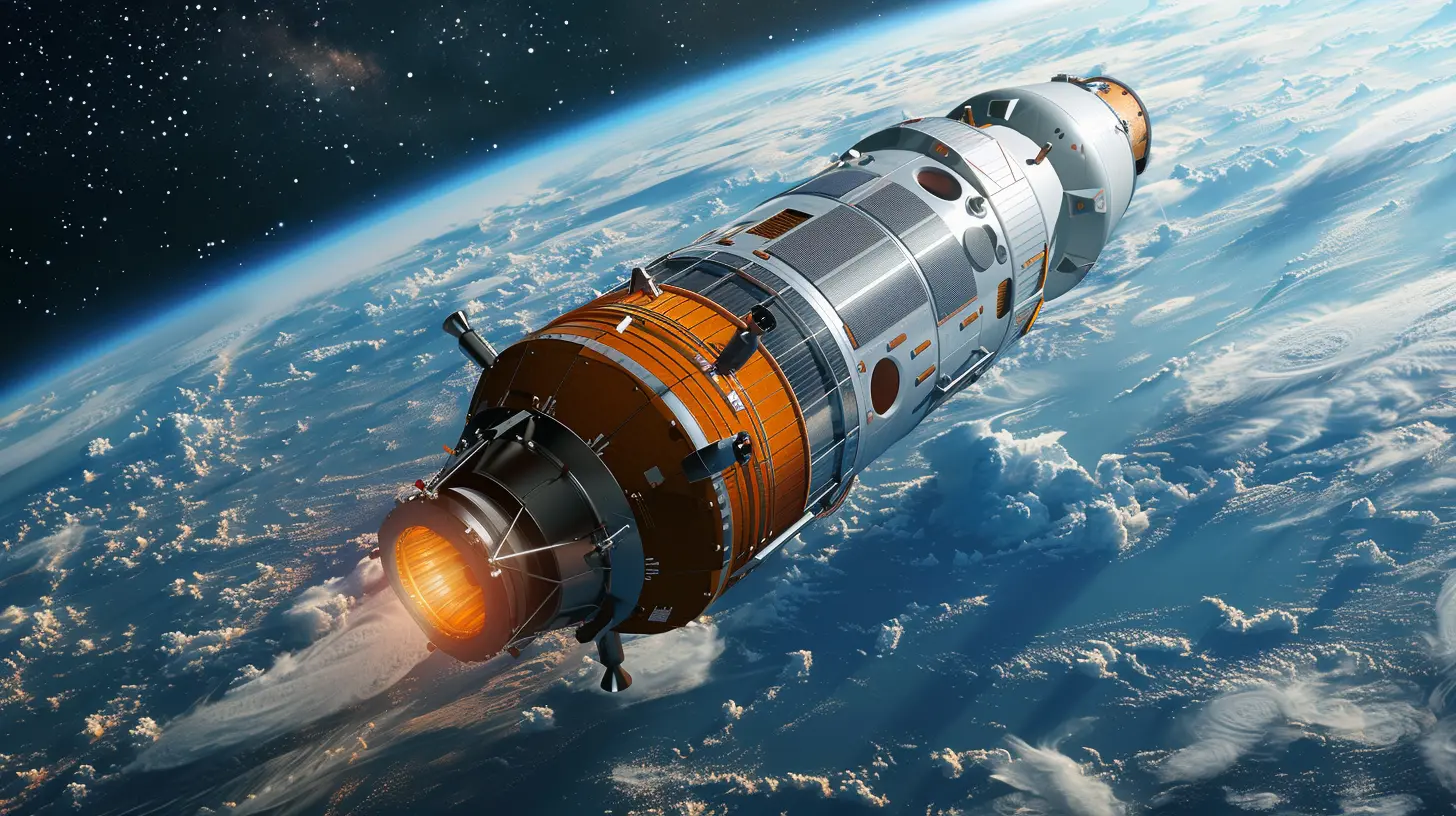
What Exactly Is Space Radiation?
Imagine lying on a beach without sunscreen for hours. You’d get a nasty sunburn, right? Now, imagine that multiplied by thousands, but instead of sunlight, it's high-energy radiation bombarding your body. That’s what astronauts face in deep space.Space radiation primarily comes from three sources:
1. Galactic Cosmic Rays (GCRs) – These are high-energy particles from distant supernovae. They can tear through human cells, causing long-term health effects.
2. Solar Particle Events (SPEs) – These are bursts of radiation from the Sun, especially during solar storms. They can deliver lethal doses of radiation in a short time.
3. Trapped Radiation in Earth’s Magnetic Field – The Van Allen Belts contain charged particles that can be dangerous for astronauts passing through them.
Unlike radiation on Earth, which we can shield against easily, space radiation is extremely tough to block. This makes radiation protection a critical factor in deep-space missions. 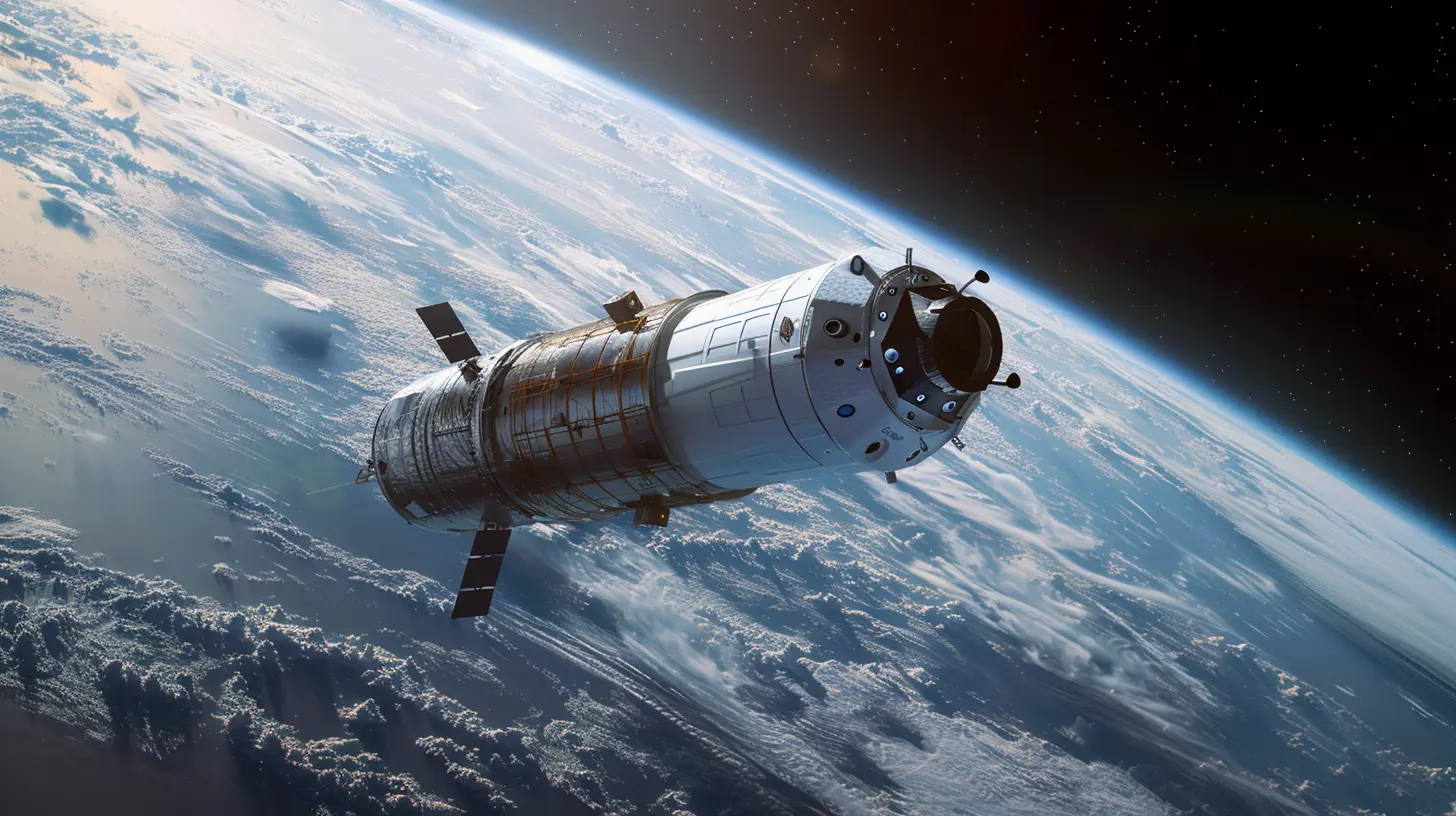
Why Is Radiation Protection So Important?
1. Preventing Acute Radiation Sickness
If astronauts receive a sudden, high dose of radiation (like during a solar storm), they could suffer from nausea, vomiting, diarrhea, and even death in extreme cases. This isn't just dangerous—it could jeopardize the entire mission.2. Reducing Cancer Risks
Long-term exposure to cosmic radiation significantly increases the risk of cancer. Unlike on Earth, where our atmosphere filters out most harmful radiation, deep-space astronauts have zero natural protection.3. Protecting Brain Function
Research shows that prolonged exposure to GCRs can cause cognitive decline—basically, it messes with the brain. Astronauts on Mars missions could suffer from memory loss, impaired judgment, or even dementia-like symptoms. You wouldn’t want a forgetful commander navigating a spaceship, would you?4. Preventing Damage to the Heart and Other Organs
Radiation doesn’t just increase cancer risk; it can also lead to heart disease, cataracts, and weakening of the immune system. This raises a red flag for multi-year missions where astronauts can’t simply come back for medical treatment.5. Ensuring Mission Success
Space agencies invest billions in these missions. If radiation exposure causes health problems that force astronauts to abort the mission or struggle with decision-making, the entire project could fail spectacularly.
How Can We Protect Astronauts from Radiation?
Luckily, scientists and engineers are working on several promising solutions to mitigate the dangers of space radiation.1. Better Spacecraft Shielding
Spaceships need stronger, smarter shielding to block radiation without adding too much weight. Scientists are experimenting with materials like:- Polyethylene – A plastic-like material that’s surprisingly good at stopping radiation.
- Water – Believe it or not, water is an excellent radiation shield! Some designs include water-filled walls to absorb harmful particles.
- Regolith (Martian or Lunar Soil) – Future habitats might use local soil to create thick protective walls.
2. Magnetic Shields
What protects Earth from cosmic radiation? Its magnetic field! Scientists are trying to replicate this idea using artificial magnetic shields that could deflect harmful radiation from astronauts and spacecraft.3. Smart Spacesuits
Future spacesuits could include built-in radiation shielding or even self-repairing materials. Imagine a suit that heals itself like Wolverine’s skin—now that’s some real sci-fi magic!4. Safe Zones in Spacecraft
During intense solar storms, astronauts might have to retreat into heavily shielded “storm shelters” inside the spacecraft. These compact zones offer better protection against sudden radiation bursts.5. Medication and Biological Protection
Scientists are also researching radioprotective drugs that could help reduce radiation damage in human cells. Think of it like a high-tech radiation vaccine—one shot before launch, and astronauts could have an extra layer of defense!
The Future of Long-Duration Space Travel
If humanity wants to establish a permanent presence on the Moon or Mars, radiation protection will be a non-negotiable part of mission planning. New technologies are constantly being developed, and with enough innovation, we’ll eventually overcome this challenge.Imagine a future where astronauts can travel to Mars without worrying about radiation—where space stations have self-sustaining magnetic fields, and spacecraft are as safe as Earth itself. It sounds ambitious, but then again, so did flying to the Moon once upon a time.
Final Thoughts
The importance of radiation protection for long-duration space missions cannot be overstated. Without proper shielding and safety measures, astronauts would be at serious risk of illness, cognitive decline, and mission failure. But thanks to cutting-edge technology and some creative problem-solving, humanity is steadily moving closer to safely exploring the cosmos.As we gear up for Mars, the Moon, and beyond, one thing is clear—space may be the final frontier, but we’re not going unprepared.
all images in this post were generated using AI tools
Category:
Space TechnologyAuthor:

Ugo Coleman
Discussion
rate this article
2 comments
Valentina Reed
This article highlights a crucial aspect of space exploration that often goes overlooked. As we push the boundaries of human presence beyond Earth, understanding and implementing effective radiation protection is essential to ensure astronaut safety and mission success in the vast unknown.
April 3, 2026 at 4:21 AM
Ugo Coleman
Thank you for recognizing the importance of radiation protection! Ensuring astronaut safety is indeed vital for the success of long-duration missions.
Merida McAleer
This article highlights a crucial aspect of space exploration. As missions extend, understanding and mitigating radiation risks is vital for astronaut health and mission success. Strong protection strategies are necessary for safe long-duration space travel.
March 29, 2026 at 3:31 AM
Ugo Coleman
Thank you for your insightful comment! I completely agree—mitigating radiation risks is essential for the health of astronauts and the success of long missions. Effective protection strategies are key to ensuring safe exploration of space.