The Intersection of Open Source and Sustainable Tech
29 January 2026
Let’s talk about something that doesn’t always get the spotlight it deserves—how open source and sustainability go hand in hand. At first glance, they may seem like different worlds. One's all about code and collaboration, and the other's focused on saving the planet. But look a little deeper, and you'll see they’re two sides of the same coin. Both aim for long-term benefit, community involvement, and breaking away from traditional, wasteful systems.
So how exactly does open source tech contribute to a greener, more sustainable future? Why are developers, innovators, and even corporations leaning into this intersection? Let’s dive into it—and trust me, it’s way more exciting than it sounds.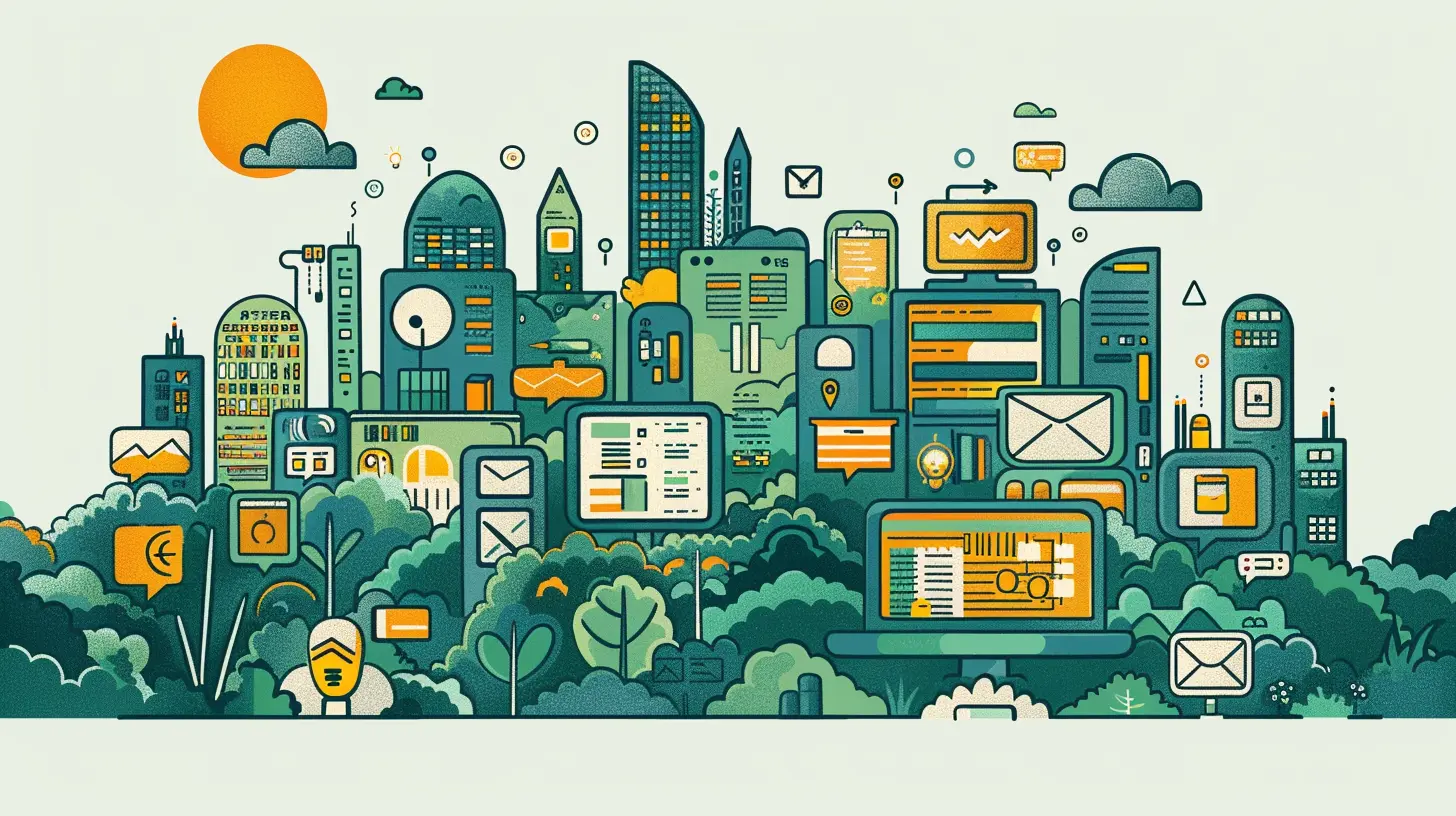
What Is Sustainable Tech, Anyway?
Before we mash up tech and sustainability, let’s break down what sustainable tech actually means.Sustainable technology refers to innovations that consider environmental, economic, and social impacts. Think solar panels, electric vehicles, biodegradable materials, and energy-efficient devices. It’s not just about going green—it’s about doing things smarter, cleaner, and with long-term impact in mind.
Now, tack on “tech” to that, and you’re talking about hardware or software that supports these goals. This is where open source shows up and says, “Hey, I’ve been doing this all along!”
Open Source: The Unsung Hero
Open source software is like your neighbor who always shares tools, helps you fix things, and expects nothing in return. It’s free, transparent, and built by a community of people who believe in collaboration over competition.Instead of keeping code locked behind paywalls and NDAs, open source invites everyone in. Anyone can use it, modify it, and improve it—no strings attached.
Now imagine applying that same mindset to sustainable tech. Want to build a low-impact smart irrigation system for your urban garden? There’s probably an open source project out there already doing it—and welcoming your help.
Why Open Source and Sustainability Are a Perfect Match
Let’s look at some reasons why open source and sustainable tech are kindred spirits.1. Transparency Builds Trust
When it comes to sustainability, transparency matters. People want to know what's in their products, how things are made, and the impact they're having. Open source thrives on transparency. The code is available for anyone to audit. That means fewer secrets, more accountability.Would you trust a black-box algorithm to manage your city’s energy grid? Probably not. But one that’s open source? That’s a whole different story.
2. Reduces Waste
Closed systems often lead to obsolescence. Think about all those gadgets that can’t be repaired because the parts or software are proprietary. You toss them out and buy new ones. That’s waste—plain and simple.Open source, on the other hand, gives things a second life. Developers can create updates, fix bugs, or repurpose software without relying on a company that may no longer support the product. That’s sustainability through longevity.
3. Empowers Local Innovation
Sustainable solutions often need to be tailored to local conditions. What works in San Francisco might flop in Nairobi. Open source lets communities customize technology for their own needs. Whether it’s tweaking solar panel software for cloudy climates or adapting farming tech to different crops, open source gives people the tools to solve their own problems.4. Promotes Ethical Consumption
When you use open source tech, you’re often supporting values like inclusivity, collaboration, and long-term thinking. You’re not just consuming—you’re participating. That mindset naturally aligns with sustainability, which is all about thinking globally and acting responsibly.
Real-World Projects at the Crossroads of Open Source and Sustainability
Still with me? Good, because this is the fun part: real-world stuff.🌿 Open Source Ecology
This project’s goal is ambitious yet incredibly practical—to create an open source blueprint for a sustainable civilization. They’re developing machines like tractors, 3D printers, and brick presses—all open source, all aimed at building resilient communities. It’s like LEGO for adults trying to save the planet.🔋 Open Energy Monitor
Helping households and businesses track energy use through open source hardware and software, Open Energy Monitor encourages smarter decisions and reduced consumption. You get data, you get graphs, and you get to see just how much that kettle is draining your power.🌱 FarmBot
FarmBot is an open source robotic farming solution. Picture a combination of a CNC machine and a gardening assistant that grows your food—without the pesticides or the carbon footprint of industrial agriculture. Plus, it’s wicked cool.🍃 Low Tech Magazine’s Solar-Powered Website
Yup, even blogs can go green. Low Tech Magazine built a solar-powered website that only runs when the sun is shining. It’s open source, minimalist, and a brilliant reminder that sustainability starts with choices—big and small.How Developers Can Make a Difference
You don’t have to start a giant project to contribute. If you're a developer, there are countless ways to dive in.1. Contribute to Green Projects on GitHub
Platforms like GitHub are full of sustainable tech projects looking for collaborators. From code cleanup to feature development, there's no "too small" contribution.2. Optimize for Efficiency
Think lean. Writing efficient code can reduce server loads, which in turn lowers energy consumption. Green coding is real, folks.3. Support Open Standards
Open standards prevent vendor lock-in and ensure that tech can be reused, repaired, or recycled. That’s sustainability in action.4. Educate and Share
Write documentation. Create tutorials. Share your knowledge. Every open source project grows stronger with better communication.The Corporate Side of the Coin
It’s not just individuals and small teams getting into the open source sustainability game. Big names are stepping in too.- IBM has supported open source projects that focus on climate modeling and environmental monitoring.
- Google open-sourced portions of its data center cooling systems to help reduce energy waste.
- Microsoft contributes to open source initiatives that analyze air quality and global warming trends.
Why? Because open source reduces duplication, improves innovation, and lets companies focus their resources on solving real-world problems—not reinventing the wheel.
Roadblocks Still Exist
Let’s not sugarcoat it—challenges remain.- Funding: Sustainable open source projects often struggle to pay contributors.
- Adoption: Organizations can be slow to adopt open systems over tried-and-true proprietary models.
- Maintenance: Open source projects can lack long-term support, making them harder to rely on over time.
But here’s the kicker: none of these issues are deal-breakers. They’re just reminders that the journey ahead needs community, commitment, and maybe a little bit of elbow grease.
Looking Ahead: The Future is Collaborative
The intersection of open source and sustainable tech is still evolving—but it’s heading in the right direction. As climate pressures mount and digital equity becomes more important, open source offers a model that’s not just sustainable environmentally—but sustainable socially and economically, too.We’re shifting from a world of “mine” to a world of “ours.” And when it comes to solving huge problems like climate change and waste, that shift might be exactly what we need.
So whether you’re a developer, a designer, a policymaker, or just someone who cares about the future—it’s time to look at open source as more than just a coding paradigm. It’s a pathway to a more sustainable, equitable world.
What role will you play?
Final Thoughts
Sustainability isn’t a trend—it’s a necessity. And open source? Well, it might just be one of the most powerful tools we’ve got. When you combine the two, you don’t just build better tech—you build a better future.Let’s stop waiting for perfect solutions from the top and start building practical tools from the ground up. With open source and sustainable tech working hand in hand, we’re not just programming code—we're programming change.
all images in this post were generated using AI tools
Category:
Open SourceAuthor:

Ugo Coleman
Discussion
rate this article
2 comments
Troy Ruiz
Great insights! The synergy between open source and sustainability is crucial.
February 17, 2026 at 11:37 AM
Ugo Coleman
Thank you! I'm glad you found the insights valuable. The synergy indeed plays a pivotal role in driving sustainable innovation.
Thor Cross
Great read! It’s inspiring to see how open source is driving sustainable tech innovations. Together, they’re paving the way for a greener, more collaborative future!
January 29, 2026 at 5:16 AM
Ugo Coleman
Thank you! I’m glad you found it inspiring. The synergy between open source and sustainable tech truly has the potential to create a brighter future!