The Rise of Biometric Authentication in Mobile Devices
5 January 2026
In today’s fast-moving, tech-driven world, our mobile devices have become more than just tools for communication. They're like extensions of ourselves, holding everything from personal photos and messages to sensitive banking information. With this increasing reliance on smartphones, securing these devices has never been more critical. And that’s where biometric authentication comes into play.
You may have noticed how unlocking your phone no longer requires passcodes or PINs. Instead, your face, fingerprint, or even your voice can now do the trick. This evolution in mobile security is known as biometric authentication, a cutting-edge technology that's quickly becoming the standard for many mobile devices. But how exactly did we get here, and where is it headed next? Let’s dive into the rise of biometric authentication in mobile devices and explore how it’s reshaping the way we protect our digital lives.
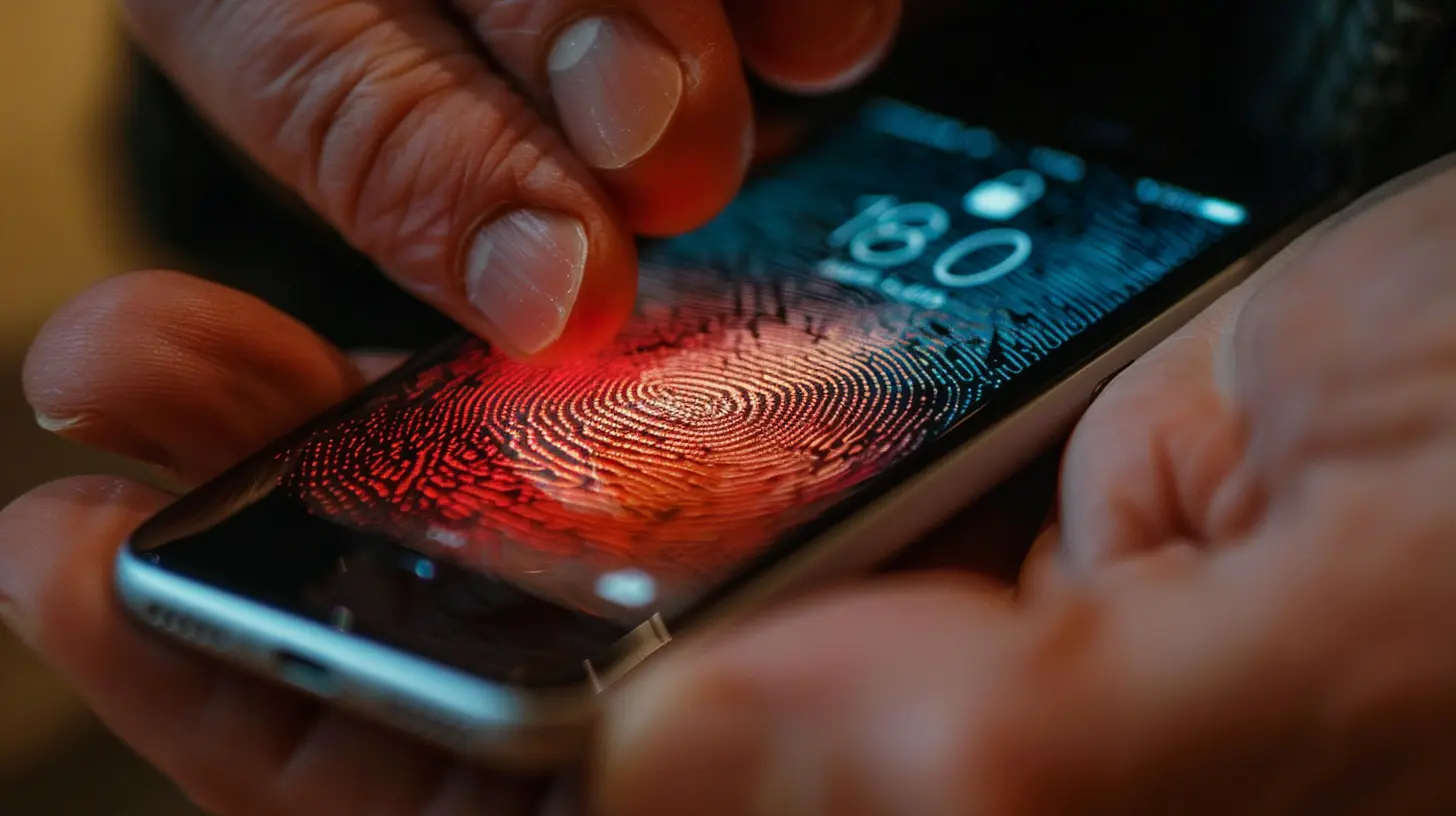
What Is Biometric Authentication?
Before we get too deep into things, let’s break down what biometric authentication actually means. In simple terms, it’s a security process that relies on unique biological traits to verify identity. Instead of entering a password, biometric systems scan something physical about you—your fingerprint, facial structure, retina, or even your voice—to determine whether you're who you claim to be.Sounds pretty futuristic, right? But here’s the kicker—biometric authentication isn’t as new as you might think. In fact, biometric technology has been around for decades in science labs and high-security sectors. What’s changed recently is its integration into consumer devices like smartphones, tablets, and even laptops. And this shift has been nothing short of revolutionary.
The Early Days of Mobile Security: Passcodes and PINs
Remember the days when the most advanced form of smartphone security was a 4-digit PIN or an unlock pattern? Back then, it felt pretty secure, but honestly, anyone with a bit of patience (or a good guess) could eventually crack your code. Plus, let’s be real—how many of us used birthdays or simple number combinations for our passcodes? Guilty as charged.For years, these traditional forms of security were enough. But as smartphones became more advanced, so did the methods used by hackers and cybercriminals. Enter biometrics, a much-needed game-changer that turned the world of mobile security on its head.
The Introduction of Fingerprint Scanners
The first big leap in mobile biometrics came with the fingerprint scanner. Apple’s Touch ID, introduced with the iPhone 5S in 2013, was one of the earliest and most successful implementations of fingerprint recognition in a smartphone. Touch ID allowed users to unlock their phones and make purchases with just the press of a finger. It was fast, convenient, and significantly more secure than a PIN.Other smartphone manufacturers quickly followed suit. Samsung, Google, and Huawei all began integrating fingerprint sensors into their devices, making the technology widespread. Users loved it because it was easy to use, and from a security standpoint, it was a big step up from traditional passcodes.
Moving Beyond Fingerprints: The Rise of Facial Recognition
As great as fingerprint scanning was, it didn’t take long for mobile manufacturers to push the boundaries even further. In 2017, Apple once again shook things up with the introduction of Face ID in the iPhone X. Unlike other facial recognition systems that relied on 2D images (which could be fooled by photos), Face ID used a more advanced form of 3D mapping to create a detailed model of your face. The result? A faster, more secure way to unlock your phone that wasn’t easily spoofed.Samsung also hopped on the facial recognition train, though their early implementations were a bit more basic. However, with the introduction of more sophisticated sensors like Iris Scanning in some Galaxy models, the tech slowly started to catch up.
Facial recognition is now a common feature on many high-end smartphones, and it’s continuously evolving. The technology has become quicker, more accurate, and harder to fool, making it an attractive option for users who want a seamless and secure experience.
Why Biometric Authentication Is Becoming the Norm
So, why has biometric authentication become so popular, and why is it poised to become the standard for mobile security? There are several compelling reasons:1. Convenience
Let’s be honest—remembering passwords is a hassle. Between managing multiple accounts, changing passwords regularly (as we should), and trying to keep everything secure, it’s easy to get overwhelmed. Biometric authentication eliminates this issue. Whether it's a quick fingerprint scan or a glance at your phone, biometrics offer a fast and frictionless way to unlock your device or access secure apps. Convenience is king, and biometrics deliver.2. Improved Security
Passwords are inherently flawed. Even the most complex password can be stolen, guessed, or cracked with enough effort. Biometric data, on the other hand, is much harder to replicate. After all, no two people have the same fingerprint or facial structure. This unique quality makes biometrics far more secure than traditional passcodes.3. Integration with Other Services
Biometric authentication isn’t just for unlocking your phone anymore. It’s being integrated into a wide range of services. From logging into banking apps to authenticating mobile payments with Apple Pay or Google Pay, biometrics are making their way into every corner of our digital lives. And because the tech is so seamless, users are more likely to adopt these services.4. The Push for Passwordless Security
The tech industry has been pushing for a passwordless future for some time now. And biometrics are a huge part of that vision. With advancements in biometric authentication, there’s a growing belief that passwords may one day become obsolete. Imagine a world where you never have to type in a password again—just a scan of your face or fingerprint grants you access to everything. We’re not there yet, but we’re getting closer.
The Future of Biometric Authentication in Mobile Devices
While biometrics have already come a long way, this is just the beginning. As the technology advances, we’re likely to see even more sophisticated forms of biometric authentication emerge. Here are a few trends to keep an eye on:1. Multimodal Biometric Authentication
Why settle for just one form of biometric security when you can have two or three? Multimodal biometric systems combine multiple types of biometrics (like fingerprint and facial recognition) for added security. Some devices already offer this feature, and it’s likely to become more common in the future. By combining multiple biometric traits, these systems can offer even greater accuracy and protection against fraud.2. Behavioral Biometrics
Ever thought about how you hold your phone or how fast you type? Believe it or not, these behaviors could be used as a form of biometric authentication in the future. Behavioral biometrics analyze patterns in how you interact with your device—like the way you swipe, tap, or walk. While still in its infancy, this technology could add an additional layer of security that’s almost impossible to fake.3. Advancements in Facial Recognition
Facial recognition is already pretty advanced, but there’s still room for growth. We’ll likely see improvements in speed, accuracy, and the ability to recognize faces in a wider range of lighting conditions. Future smartphones may also incorporate more detailed 3D mapping techniques or even use iris scanning as part of the facial recognition process.4. Voice Recognition
Voice recognition has been around for a while, but it’s still not as widely used as fingerprint or facial recognition. That could change in the coming years as voice recognition technology becomes more reliable. Imagine unlocking your phone or authorizing a payment just by saying a few words. It’s not science fiction; it’s on the horizon.
Privacy Concerns: Are Biometrics Safe?
As with any technology, the rise of biometric authentication comes with its own set of concerns—namely, privacy and data security. After all, when you’re using your fingerprint or face to unlock your phone, you're sharing highly sensitive personal information. So, what happens if that data is compromised?It’s a valid concern, and one that’s being taken seriously by tech companies. For example, Apple’s Face ID and Touch ID data is stored locally on your device, not in the cloud, making it harder for hackers to access. Similarly, most modern biometric systems use encryption to ensure that your data is protected.
That being said, nothing is 100% foolproof. As biometric technology continues to evolve, so will the methods used by cybercriminals. This means that users and developers alike will need to remain vigilant to ensure that biometric data is used responsibly and safely.
Conclusion: The Future Is Biometric
There’s no denying it—biometrics are the future of mobile security. Whether it’s unlocking your phone with a glance, logging into your bank account with a fingerprint, or soon, maybe even verifying your identity with a voice command, biometric authentication is revolutionizing the way we interact with our devices. It’s faster, more secure, and infinitely more convenient than traditional methods, and it’s only going to become more prevalent as the technology continues to advance.But as with all things tech, it’s important to balance innovation with caution. While biometrics offer a host of benefits, they’re not without their risks. As users, we must stay informed and vigilant, ensuring that our personal data remains protected in this brave new world of mobile security.
all images in this post were generated using AI tools
Category:
Mobile TechnologyAuthor:

Ugo Coleman
Discussion
rate this article
2 comments
Courtney Wheeler
In an age where our identities are keys, what secrets lie behind the unseen algorithms of biometric authentication? Trust, or a ticking time bomb?
February 6, 2026 at 5:32 AM
Ugo Coleman
Biometric authentication offers convenience but raises valid concerns about privacy and security. While it enhances user experience, the potential risks of data breaches and misuse of personal information make trust essential in this evolving landscape.
Tobias Whitaker
Love the shift towards biometric authentication! It’s like our devices are getting their own secret handshakes. Here’s to a future where forgetting passwords is a thing of the past—let’s embrace the convenience while keeping our data safe and sound!
January 6, 2026 at 1:23 PM
Ugo Coleman
Thank you for your enthusiasm! It’s exciting to see how biometric authentication can enhance convenience while prioritizing security. Here’s to a password-free future!