The Rise of Smart Furniture and What It Means for Your Home
25 August 2026
Walk into any modern furniture showroom today and you will notice something strange. The sofa has a charging port built into the armrest. The coffee table lifts itself to standing height at the press of a button. The bed tracks your sleep stages and adjusts its firmness while you dream. This is not a scene from a sci-fi movie. This is the current state of the furniture industry, and it is changing how we think about the spaces we live in.
Smart furniture is no longer a novelty for early adopters with deep pockets. It has moved into the mainstream, driven by cheaper sensors, better batteries, and a cultural shift toward homes that do more than just look nice. But before you rush out to buy a $3,000 smart sofa, there are important things to understand about what this technology actually does, what it cannot do, and whether it is worth the investment for your specific situation.

What Exactly Counts as Smart Furniture?
The term "smart furniture" gets thrown around a lot, but it helps to define it clearly. At its core, smart furniture is any piece of furniture that includes electronic components to provide functionality beyond its traditional purpose. A regular desk holds your computer. A smart desk remembers your preferred height, tracks your standing time, and sends you a gentle reminder to move. A regular bed supports your body. A smart bed monitors your heart rate, detects snoring, and adjusts the angle of your head to help you breathe better.There are several broad categories worth knowing about:
Adjustable and motorized pieces. These include standing desks, reclining sofas with memory positions, and beds with adjustable bases. The "smart" part comes from the ability to program, remember, and automate positions.
Furniture with integrated technology. Think of nightstands with wireless charging pads, desks with built-in power strips and cable management, or entertainment centers with hidden speakers and LED lighting that syncs with your TV.
Sensor-equipped furniture. These pieces collect data. Smart beds track sleep quality. Smart chairs monitor posture. Smart shelves can detect when you are running low on a product and add it to your shopping list.
Connected and automated furniture. This category includes pieces that talk to your home automation system. A smart table might adjust its height based on who is sitting at it. A smart mirror might show your calendar while you brush your teeth.
The line between these categories often blurs. A high-end smart bed might include sensors, motors, and Wi-Fi connectivity all in one unit. What matters is understanding that smart furniture is not a single product type. It is a spectrum of capabilities, and each piece comes with its own set of trade-offs.
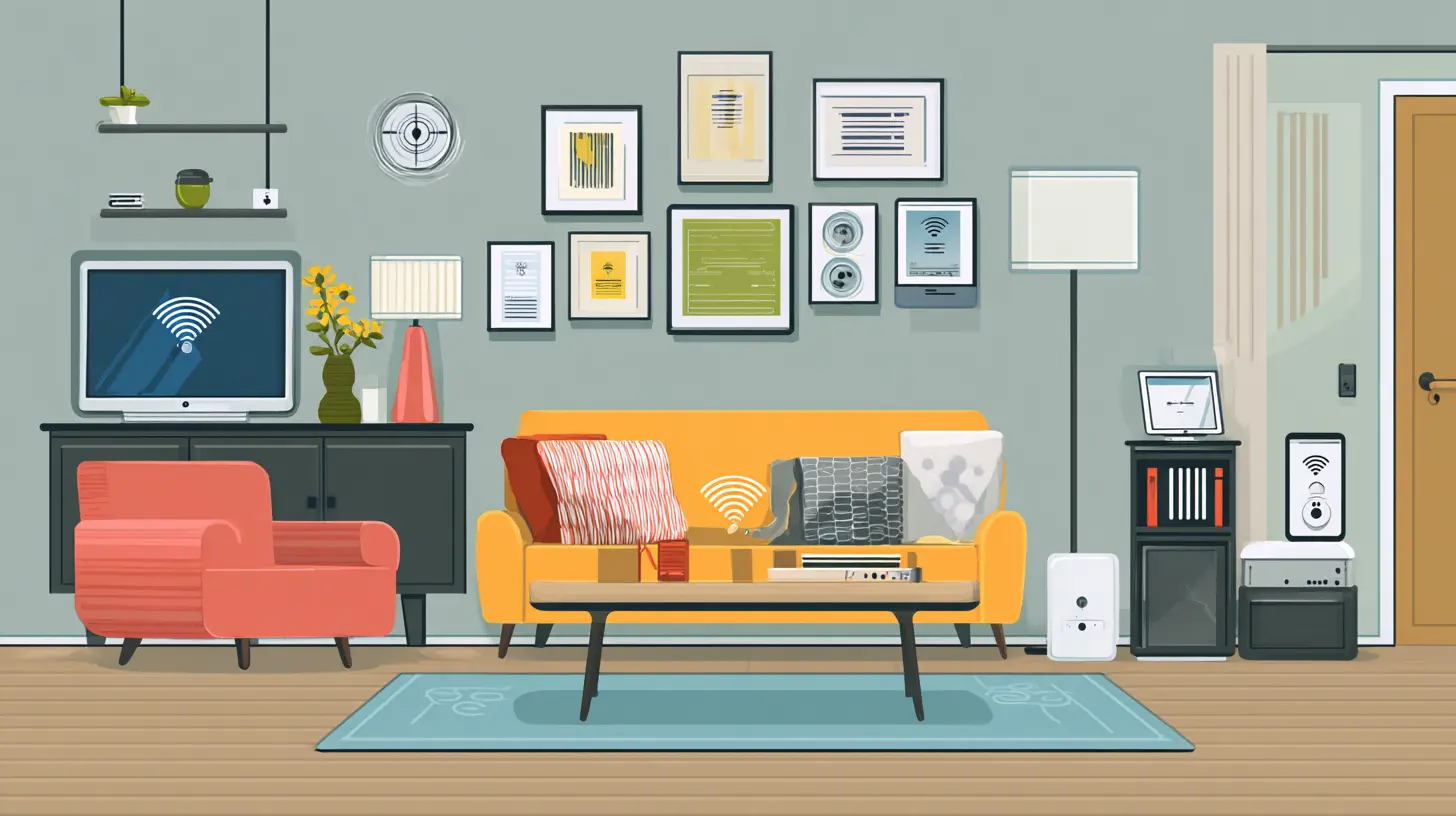
The Real Reasons Smart Furniture Is Gaining Traction
It would be easy to dismiss smart furniture as a gimmick, but the numbers and trends tell a different story. The global smart furniture market has been growing steadily, and the reasons go beyond consumer curiosity.First, the cost of components has dropped dramatically. Ten years ago, a motorized standing desk mechanism cost several hundred dollars just for the parts. Today, you can buy a complete smart desk for less than what a basic office chair cost a decade ago. This price drop has made it possible for mid-range brands to enter the market, which in turn has normalized the concept.
Second, the pandemic changed how we use our homes. With millions of people working remotely, the home became the office, the gym, and the entertainment center all at once. This created demand for furniture that adapts to multiple uses. A single desk that can switch from sitting to standing, or a sofa that can recline into a near-bed position, suddenly made practical sense for people living in apartments with limited space.
Third, there is a growing awareness of health and wellness that extends beyond diet and exercise. People are paying attention to their sleep quality, their posture, and their daily movement patterns. Smart furniture offers a way to address these concerns passively, without requiring users to actively log data or remember to do exercises.
Finally, the smart home ecosystem has matured. Platforms like Alexa, Google Home, and Apple HomeKit have become reliable enough that consumers expect their devices to work together. A smart bed that integrates with your morning routine, or a desk that adjusts itself when you say "work mode," fits naturally into this connected lifestyle.

The Genuine Benefits That Justify the Hype
Let us be clear about one thing. Smart furniture is not all marketing fluff. There are real, tangible benefits that can improve your daily life, provided you choose the right pieces for your needs.Ergonomics and Health Monitoring
The most compelling argument for smart furniture is its potential to improve physical health. Consider the smart standing desk. Research has consistently shown that prolonged sitting is associated with a range of health problems, including cardiovascular issues and musculoskeletal pain. A smart desk that reminds you to stand every 45 minutes, and tracks your sitting-to-standing ratio over time, gives you actionable data that a regular desk simply cannot provide.Smart beds take this a step further. High-end models use sensors to detect your heart rate, respiratory rate, and movement patterns throughout the night. Some can even detect snoring and automatically adjust the head angle to reduce it. For people with mild sleep apnea or chronic back pain, these features can be genuinely life-changing. The key is to understand that these beds are not medical devices. They cannot diagnose conditions, and their data should not replace professional medical advice. But as a tool for understanding your own sleep patterns, they are remarkably useful.
Space Optimization and Multi-Functionality
Urban living often means dealing with limited square footage. Smart furniture excels at maximizing utility within small spaces. A coffee table that rises to dining height can eliminate the need for a separate dining table in a studio apartment. A murphy bed with a built-in desk that folds away during the day can transform a single room into a bedroom by night and an office by day.The motorized elements are not just for convenience. They enable a single piece of furniture to serve multiple purposes without requiring manual effort or heavy lifting. This is particularly valuable for elderly individuals or people with mobility issues who might struggle to move a traditional fold-out bed or lift a heavy table leaf.
Convenience and Seamless Integration
There is something genuinely pleasant about walking into a room and having the lighting adjust, the desk rise to your preferred height, and the chair adjust its lumbar support based on your profile. This level of automation reduces friction in daily routines. When your furniture remembers your preferences, you do not have to fiddle with levers or manually adjust settings every time you sit down.Integration with voice assistants adds another layer of convenience. You can say "movie night" and have your sofa recline, the lights dim, and the TV turn on. This kind of scene-based automation is not just a party trick. It creates a cohesive environment that responds to your needs without requiring you to interact with multiple devices separately.

The Hidden Costs and Trade-Offs Nobody Talks About
For all the benefits, smart furniture comes with significant downsides that are often glossed over in marketing materials. Understanding these trade-offs is essential before you commit your money and your living space.Price Premium and Depreciation
Smart furniture costs considerably more than its traditional counterparts. A basic motorized standing desk frame might cost $400 to $800, while a regular desk of similar quality costs $150 to $300. Smart beds can easily run $3,000 to $8,000, compared to $1,000 for a good traditional mattress and base.The problem is that furniture is not like a smartphone or a laptop. You do not upgrade it every two or three years. A good traditional sofa can last 15 years or more. A smart sofa with motors, sensors, and electronics is likely to have a much shorter functional lifespan. The electronic components will fail before the upholstery wears out, and when they do, you face a choice between expensive repairs or living with a sofa that has dead buttons and useless features.
Depreciation is another issue. Traditional furniture holds some resale value, especially if it is well-made and from a reputable brand. Smart furniture, with its proprietary electronics and software dependencies, is almost worthless on the secondary market. Nobody wants to buy a used smart bed with unknown firmware and potential battery issues.
Obsolescence and Software Dependence
This is perhaps the most underappreciated problem with smart furniture. Your furniture is expected to last decades, but the technology inside it becomes outdated within a few years. A smart desk that connects via Bluetooth 4.0 might not work with your phone after a major operating system update. A smart bed that relies on a companion app might lose functionality if the manufacturer goes out of business or discontinues support for older models.We have already seen this happen with other smart home devices. Companies have shut down cloud services, leaving customers with expensive hardware that no longer functions as advertised. The same risk applies to smart furniture, and the stakes are higher because furniture is a long-term investment.
Before buying any smart furniture, check whether the core functionality works without an internet connection or a companion app. If the piece becomes a dumb piece of furniture when the cloud goes down, you are essentially renting technology that you do not control.
Repair and Maintenance Challenges
Traditional furniture can often be repaired by a local craftsman. A broken leg can be glued, a torn cushion can be reupholstered, a worn finish can be refinished. Smart furniture is different. If a motor fails, you need a replacement part that is specific to that model. If a sensor stops working, you might need to replace an entire circuit board. These repairs often require specialized technicians, and the cost can approach the price of a new piece.Warranties are another concern. Most smart furniture comes with a one-year warranty on electronics and a longer warranty on the frame and upholstery. But warranty claims can be difficult. You might need to ship a heavy piece of furniture back to the manufacturer, which is expensive and inconvenient. Some companies offer in-home service, but this is not universal.
Common Misconceptions That Lead to Bad Purchases
Let us address some of the myths that circulate around smart furniture, because these misconceptions often lead people to spend money on features they do not need or to avoid products that would genuinely help them.Misconception One: Smart Furniture Is Only for Tech Enthusiasts
This is simply not true. Many smart furniture products are designed with accessibility in mind. Adjustable beds, for example, are widely used by elderly individuals and people with chronic pain. The technology is not about being a gadget geek. It is about solving practical problems. If you have back pain that makes it hard to get out of a low sofa, a motorized lift chair is a legitimate assistive device, not a luxury toy.Misconception Two: All Smart Furniture Is Low Quality
There is a perception that adding electronics to furniture means cutting corners on materials to keep costs down. While this is true for some budget brands, it is not a universal rule. High-end manufacturers use the same hardwood frames, premium fabrics, and quality mechanisms as their traditional counterparts, then add electronics as a bonus. The key is to research the brand and look at reviews that focus on build quality, not just features.Misconception Three: Smart Furniture Will Save You Money in the Long Run
Some marketing suggests that smart furniture pays for itself through energy savings or health benefits. This is rarely the case. A smart thermostat can genuinely reduce your heating bill, but a smart bed does not reduce your electricity bill. The health benefits are real but difficult to quantify in dollar terms. Treat smart furniture as a convenience and comfort upgrade, not as a financial investment.Misconception Four: You Need to Buy a Full Set of Smart Furniture
There is no requirement to convert your entire home at once. In fact, doing so is usually a mistake. The best approach is to identify one or two pieces that address your most pressing needs. If you work from home and have back pain, a smart standing desk is a sensible first purchase. If you sleep poorly, a smart bed might be worth the investment. Start small, evaluate whether the features actually improve your life, and expand from there.
Practical Advice for Choosing Smart Furniture
If you decide that smart furniture is right for you, the following guidelines will help you make a smart purchase.Focus on Function Over Novelty
Ask yourself what problem the smart feature solves. A nightstand with a wireless charging pad is convenient, but is it worth paying $200 more than a regular nightstand? A smart mirror that shows your schedule is nice, but you probably already have your phone. The most valuable smart furniture addresses real pain points: poor sleep, back pain, limited space, or difficulty standing for long periods.Check the Power and Connectivity Requirements
Smart furniture needs power. Some pieces have built-in batteries, but most require a wall outlet. A motorized sofa needs to be placed near an outlet, which can limit your layout options. Consider whether you are willing to run extension cords or hire an electrician to install outlets in the right locations. Also, check whether the furniture uses Wi-Fi, Bluetooth, or a proprietary hub. Wi-Fi is generally more reliable and easier to integrate with your existing network, but it also means the furniture is exposed to network issues and security risks.Evaluate the Companion App
Many smart furniture products require a smartphone app for setup and configuration. Before buying, download the app and read the reviews. Look for complaints about bugs, poor user interfaces, or apps that stop being updated. A furniture piece that relies on a poorly maintained app will become a source of frustration. Ideally, choose products that allow basic controls through physical buttons or voice assistants, so you are not dependent on a single app.Consider the Lifespan of the Electronics
Think about how long you expect to keep the furniture. If you are buying a piece for a temporary apartment or a home office that might change in a few years, the risk of electronic failure is lower. If you are buying a sofa that you expect to keep for 15 years, ask the manufacturer about the expected lifespan of the motors and sensors, and check whether replacement parts will be available.Read the Fine Print on Warranties
Smart furniture warranties are often complicated. Some cover electronics for only one year, while others cover the frame for ten years. Make sure you understand what is covered and what is not. Also, check whether the warranty requires you to register the product, keep receipts, or use specific cleaning products. Some manufacturers void warranties if you use third-party accessories or if the furniture is damaged by power surges.The Environmental and Ethical Considerations
Smart furniture raises questions that go beyond personal convenience. The electronics inside these pieces contain rare earth metals, lithium batteries, and other materials that have significant environmental costs. When a smart sofa fails after eight years, it is much harder to recycle than a traditional sofa. The upholstery, foam, wood, and electronics all need to be separated, and many components end up in landfills.There is also the issue of planned obsolescence. Some manufacturers design their products to be difficult to repair, forcing consumers to buy new models when a simple component fails. This is not unique to smart furniture, but it is more problematic because the furniture itself is built to last. You end up discarding a perfectly good frame because the motor or sensor cannot be replaced.
If sustainability matters to you, look for brands that offer modular designs with replaceable components. Some companies now sell smart furniture with standardized motors and connectors that can be swapped out easily. Others offer repair programs or buy-back options. These are still the exception rather than the rule, but the market is slowly moving in that direction.
The Future of Smart Furniture
The next few years will bring significant changes to this category. Battery technology is improving, which means more pieces will be cordless and portable. Wireless power standards like Qi2 are becoming more common, allowing furniture to charge devices without visible cables. Artificial intelligence is also entering the picture, with furniture that learns your habits and adjusts itself without explicit commands.We are also likely to see more integration between furniture and health monitoring systems. Smart beds may eventually be able to detect early signs of illness by analyzing sleep patterns and heart rate variability. Smart chairs might monitor stress levels through posture and muscle tension. These possibilities are exciting, but they also raise privacy concerns. Your furniture will know a lot about your body and your daily routines. Who has access to that data, and how is it protected?
For now, the most practical approach is to view smart furniture as a tool, not a lifestyle. It can make your home more comfortable, more efficient, and more responsive to your needs. But it is not a replacement for good design, quality materials, or thoughtful living. A well-made traditional chair will always be better than a poorly made smart chair with a thousand features that do not work properly.
Final Thoughts and Recommendations
The rise of smart furniture is not a passing trend. It reflects a broader shift toward homes that are interactive, adaptive, and personalized. The technology is genuinely useful in many contexts, especially for ergonomics, sleep health, and space optimization. But it comes with costs, risks, and trade-offs that you need to evaluate honestly.My recommendation is to approach smart furniture with a clear head. Do not buy it because it is trendy. Buy it because it solves a specific problem that you have. Choose pieces from reputable brands with a track record of supporting their products. Prioritize functionality that works offline and does not depend on a fragile app or cloud service. And always remember that the furniture part matters more than the smart part. A beautiful, comfortable, well-built piece of furniture will serve you well for decades, whether or not it has a chip inside.
The smart home revolution is not about having the most gadgets. It is about creating a living environment that supports your health, your work, and your well-being. Smart furniture, when chosen thoughtfully, can be a valuable part of that environment. When chosen carelessly, it can be an expensive lesson in the limits of technology. The choice is yours, and now you have the knowledge to make it wisely.
all images in this post were generated using AI tools
Category:
Smart Home TechnologyAuthor:

Ugo Coleman
Discussion
rate this article
1 comments
Abigail Wheeler
This article highlights an exciting trend in home design. Smart furniture is reshaping our spaces, blending technology with comfort. Can't wait to see more!
September 8, 2026 at 10:49 AM
Ugo Coleman
Thanks for your feedback! I'm thrilled you're excited about the rise of smart furniture and its impact on our living spaces. Stay tuned for more updates!