The Role of Space Agencies in Combating Climate Crisis
17 July 2026
When you think about space agencies like NASA or the European Space Agency (ESA), the first thing that comes to mind is probably astronauts, rockets, and distant planets. But did you know that these agencies are also playing a massive role in fighting the climate crisis right here on Earth? Yep, that's right! They’re not just exploring the stars; they’re also keeping a close eye on our planet, and their contributions are nothing short of game-changing.
In fact, space agencies have become key players in understanding and addressing the environmental challenges we face. From monitoring rising sea levels to tracking wildfires, space-based technology is shedding light on the environmental changes happening around the globe. So, how exactly do they help? Let’s dive in and explore the incredible ways space agencies are stepping up to combat the climate crisis.
Understanding the Climate Crisis
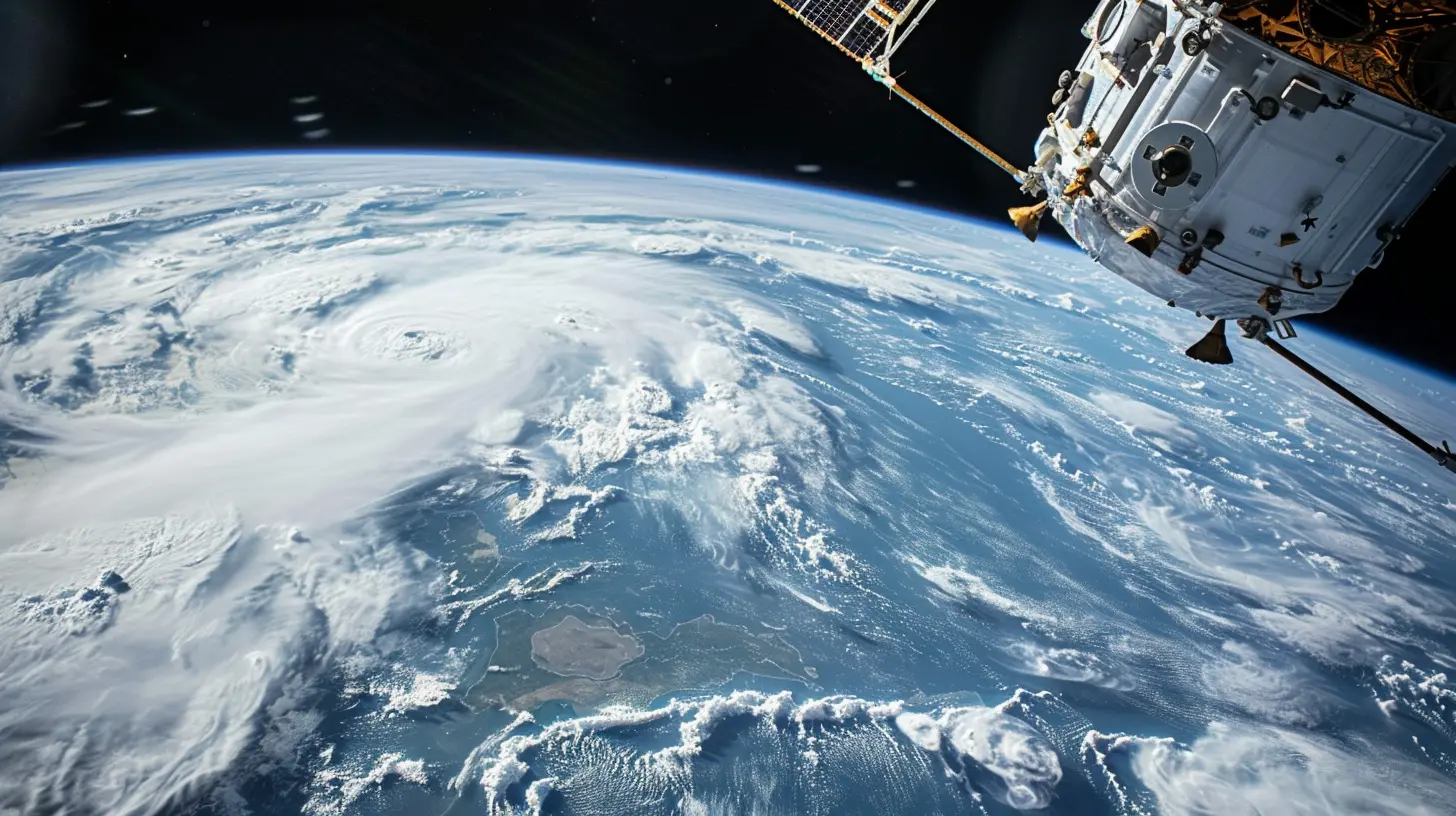
Before we dig into the role space agencies play, let’s take a quick refresher on what the climate crisis is all about. It’s no secret that human activity, particularly the burning of fossil fuels, has been wreaking havoc on our planet. The result? Rising global temperatures, melting ice caps, more frequent and intense natural disasters, and massive shifts in ecosystems.The climate crisis isn’t some abstract concept—it’s very real, and it’s affecting everything from our weather patterns to our food supply. While we’re busy trying to reduce carbon emissions and find sustainable energy sources, space agencies are giving us the tools we need to understand the scale of the problem and track our progress.
Satellites: The Eyes in the Sky
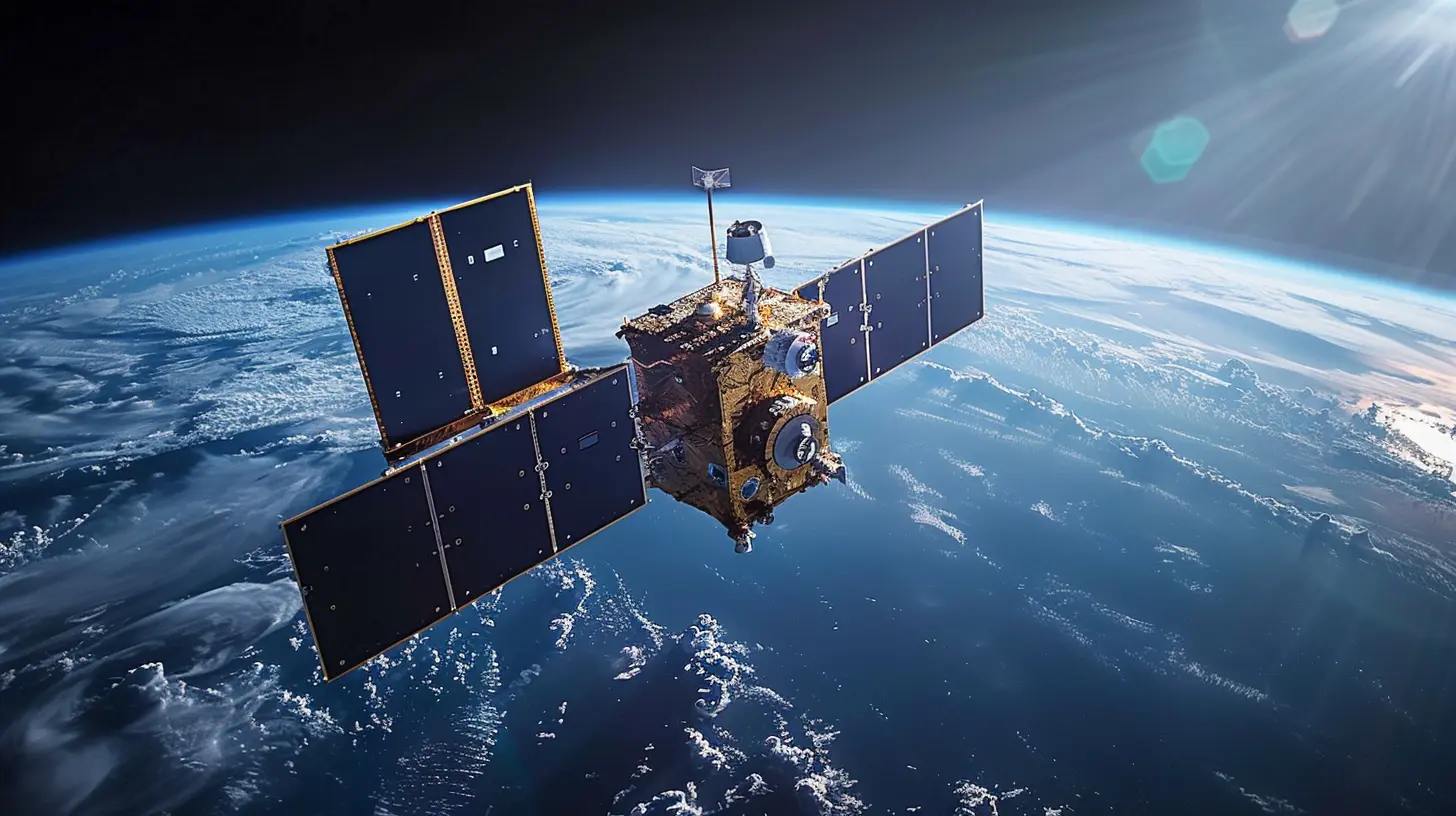
Imagine trying to solve a puzzle with only a few pieces. That's how tackling climate change would feel without the help of satellites. These "eyes in the sky" give scientists a complete picture of what’s happening on Earth, and it’s all thanks to space agencies that launch and maintain them.Monitoring Earth’s Vital Signs
One of the most significant contributions from space agencies is their ability to monitor Earth’s vital signs. We’re talking about things like:- Temperature fluctuations across the globe
- Sea level rises as ice caps melt
- Greenhouse gas emissions, like carbon dioxide and methane
- Deforestation and changes in land use
- Ocean health, including temperature and acidity levels
These satellites provide continuous, real-time data, making it easier for scientists to understand how fast the climate is changing and where the biggest problem areas are. For instance, NASA’s Earth Observing System (EOS) has satellites that track everything from cloud cover to carbon levels in the atmosphere. This kind of data is crucial for making informed decisions about climate policy and mitigation efforts.
Tracking Natural Disasters
Unfortunately, the climate crisis also means we’re seeing more frequent and intense natural disasters—think hurricanes, wildfires, and floods. But here’s where space agencies step in again. Satellites can detect changes in the environment that may lead to these disasters, giving us a heads-up before they strike.Take wildfires as an example. Satellites can spot the early signs of a wildfire, such as rising ground temperatures or unusual smoke patterns. This allows authorities to act quickly, potentially saving lives and minimizing damage. Similarly, satellites can track hurricanes and other storms, providing early warnings and helping communities prepare for what’s coming.
Space Agencies and International Collaboration
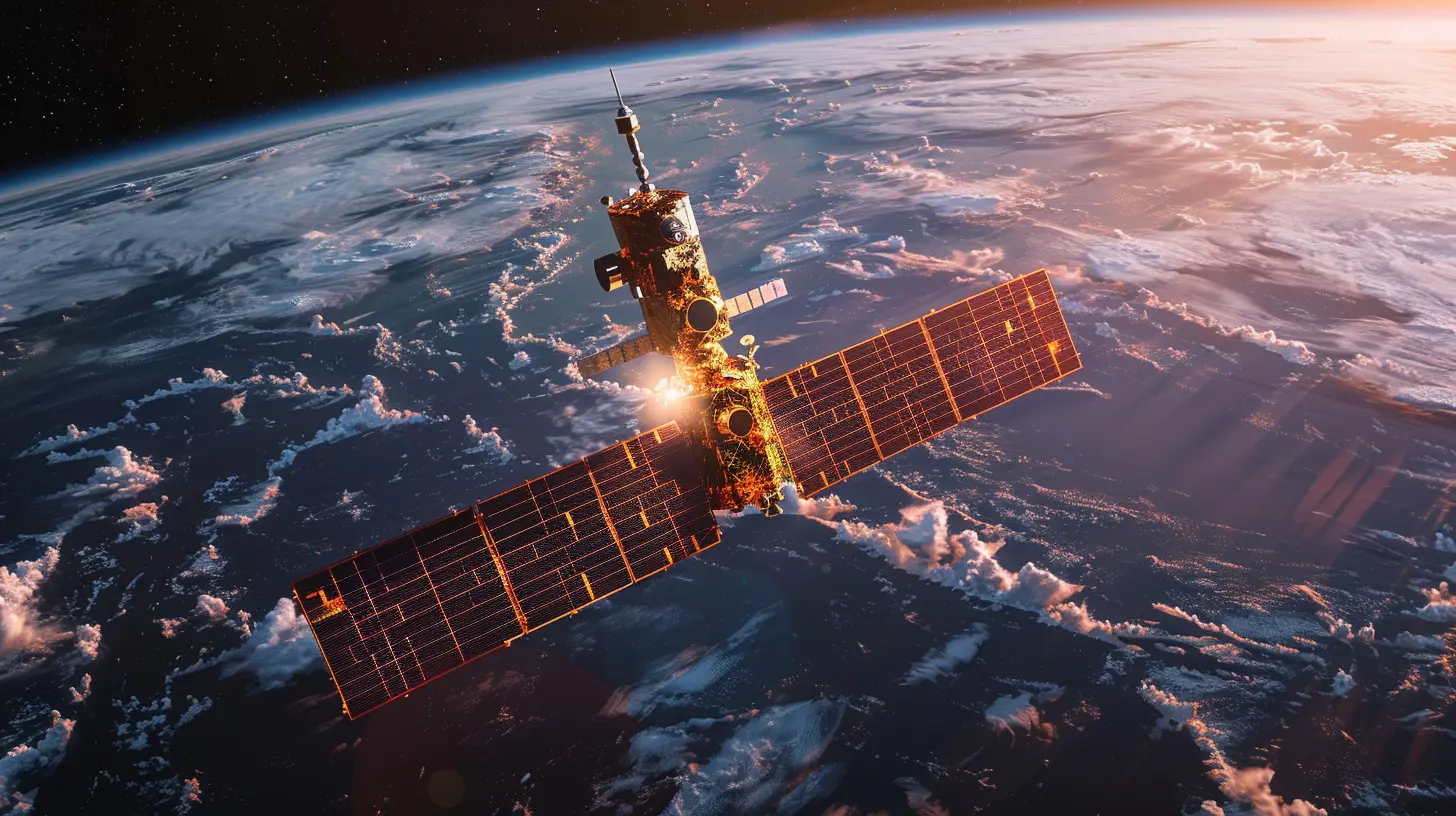
Climate change is a global issue, and no single country can tackle it alone. That’s why space agencies from around the world are working together to pool their resources and knowledge. Collaboration between agencies like NASA, ESA, and the Japan Aerospace Exploration Agency (JAXA) is essential for sharing data, developing new technologies, and coordinating efforts in the fight against climate change.The Role of the United Nations
Even the United Nations (UN) recognizes the importance of space technology in combating the climate crisis. Through initiatives like the UN’s Climate Change Conference and its Sustainable Development Goals, space agencies are encouraged to share their environmental data with global organizations, helping to drive international climate policies.For example, the Global Climate Observing System (GCOS) is an international program supported by the UN that relies heavily on data from space agencies. The information collected helps track global temperature changes, sea-level rises, and greenhouse gas concentrations, all of which are crucial for guiding international climate agreements.

Space-Based Solutions for Carbon Reduction
It’s not all doom and gloom, though. Space agencies aren’t just monitoring the problem—they’re also working on solutions. One of the most promising areas of research is carbon reduction, and space technology is playing a surprising role in this.Carbon Capture from Space
There’s a growing effort to develop space-based technology that can actively remove carbon dioxide from the atmosphere. This might sound like something out of a sci-fi movie, but it's actually a real concept that scientists are working on. The idea is to use satellites equipped with special sensors that can assess carbon levels over specific areas and potentially guide carbon capture systems on the ground.Solar Power from Space
Another exciting innovation is the concept of space-based solar power. Picture this: giant solar panels floating in space, collecting sunlight 24/7 and beaming that energy back to Earth. This technology could provide a constant stream of clean, renewable energy, reducing our reliance on fossil fuels and helping slow down climate change. While still in the experimental stages, agencies like NASA and the China National Space Administration (CNSA) are researching the feasibility of this technology.The Importance of Data Sharing
You’ve probably heard the phrase, “Knowledge is power.” Well, when it comes to combating the climate crisis, data is everything. The more information we have, the better we can understand what’s happening and how to fix it. Space agencies collect a massive amount of data, but it’s not just for them. They share this information with scientists, governments, and environmental organizations worldwide.Open Access to Satellite Data
Many space agencies are committed to making their data publicly available, allowing researchers and policymakers to access critical information. For example, NASA’s Earth Science Data Systems (ESDS) program provides open access to various datasets, including climate-related information. This kind of transparency is vital for ensuring that everyone—from scientists to environmental activists—can make informed decisions based on the latest research.
Space Agencies and Climate Adaptation
While reducing carbon emissions is essential, we also need to adapt to the changes already happening. This is where space agencies come in yet again. By monitoring environmental changes in real-time, they help governments and organizations develop strategies for coping with the effects of climate change.Predicting Agricultural Shifts
One area where this is particularly important is agriculture. As the climate changes, so do growing seasons and crop yields. Space agencies use satellite data to help farmers and policymakers predict these shifts, ensuring food security in a changing world. For example, ESA’s Sentinel-2 satellite provides detailed images of agricultural regions, allowing scientists to monitor crop health and predict shortages before they happen.Monitoring Water Resources
Water scarcity is another pressing issue linked to climate change, and space agencies are on the front lines of monitoring this precious resource. Satellites track changes in rainfall patterns, groundwater levels, and river flows, helping communities manage their water supplies more effectively. NASA’s GRACE mission (Gravity Recovery and Climate Experiment) is a prime example. It measures changes in Earth’s gravitational field to monitor the movement of water across the planet, giving us a clearer picture of where water is being depleted.The Future of Space Agencies in Climate Action
So, what does the future hold? As technology continues to advance, space agencies will undoubtedly play an even bigger role in combating the climate crisis. From more sophisticated satellites to innovative solutions like space-based carbon capture and solar energy, the possibilities are endless.But one thing is clear: space agencies aren’t just about exploring the final frontier. They’re helping to protect our home planet, and their work is absolutely critical in the fight against climate change. As we continue to face the challenges of a warming world, their contributions will be more important than ever.
Conclusion
The climate crisis is the defining challenge of our time, but thanks to the efforts of space agencies, we’re better equipped to understand and address it. From monitoring Earth’s vital signs to developing cutting-edge solutions, space agencies are playing a crucial role in the fight against climate change. They’re not just looking up at the stars—they’re keeping a watchful eye on our planet, ensuring that we have the tools and knowledge we need to protect it for future generations.In the end, space exploration isn't just about discovering new worlds. It's about saving this one.
all images in this post were generated using AI tools
Category:
Space TechnologyAuthor:

Ugo Coleman
Discussion
rate this article
1 comments
Brianna Bell
Space agencies play a crucial role in monitoring Earth's climate, providing valuable data for policymakers, and advancing technologies that support sustainability efforts worldwide.
July 23, 2026 at 3:31 AM
Ugo Coleman
Absolutely, their contributions are vital for informed decision making and developing innovative solutions to tackle climate change.