The Role of Telecom in the Evolution of Mobile Payments
15 January 2026
Mobile payments have gone from being a futuristic concept to an everyday convenience. Whether it's tapping your phone at the grocery store or sending money to a friend with a single click, the way we handle transactions has changed dramatically. But have you ever stopped to think about the backbone of all this innovation? That’s right—telecommunications.
Without telecom networks, mobile payments wouldn't exist as we know them today. The evolution of mobile payments is deeply tied to the progress of telecom technology, from basic SMS payments to the sophisticated digital wallets we rely on now. Let’s dive into how telecom has played a fundamental role in shaping the mobile payment landscape. 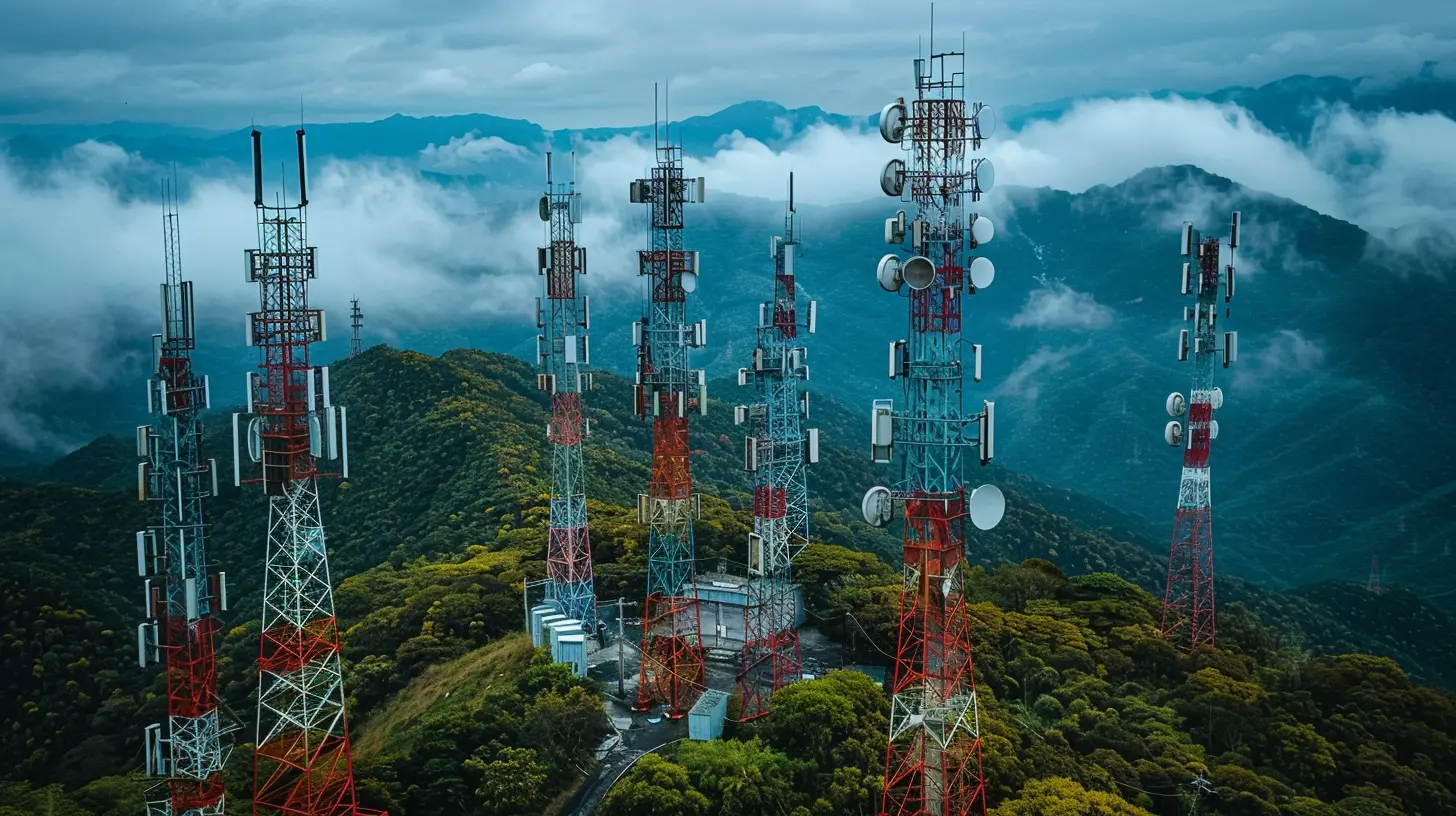
The Early Days: SMS and USSD Payments
Before smartphones took over, mobile payments were already making waves, especially in developing countries. Telecom companies were at the center of these transactions, using technologies like SMS (Short Message Service) and USSD (Unstructured Supplementary Service Data).- SMS-Based Payments: These allowed users to send money via text messages. A user would text a specific command to a payment service, which would then deduct the amount from their phone credit or linked bank account. This method was particularly popular in Africa, where traditional banking systems were underdeveloped.
- USSD-Based Payments: USSD is a more interactive version of SMS, enabling real-time communication between users and banks or mobile payment services. Unlike SMS, which is stored and sent later, USSD transactions happen instantly, making them more efficient for financial transactions.
These early telecom-driven payment methods paved the way for more sophisticated mobile money solutions, proving that financial transactions didn’t need to rely solely on physical cash or cards. 
Telecom's Role in Mobile Wallets and NFC Payments
With the rise of smartphones, telecom companies took mobile payments up a notch. Mobile wallets like Apple Pay, Google Pay, and Samsung Pay became possible thanks to advancements in telecom infrastructure, including 4G and 5G networks.Near-Field Communication (NFC) Technology
NFC is a game-changer in mobile payments. This wireless communication technology allows two devices (like a phone and a payment terminal) to talk to each other over short distances, making contactless payments smooth and secure. But what makes all this possible? Reliable, high-speed telecom networks.- Without telecom, these transactions wouldn't authenticate instantly.
- Backend processing, data encryption, and transaction validation all depend on a strong telecom network.
Thanks to telecom carriers improving connectivity and data speeds, mobile wallets have become a seamless way to pay, offering users a fast and secure alternative to cash and credit cards. 
How 4G and 5G Are Revolutionizing Transactions
Telecom technology didn’t stop evolving with just NFC payments. The introduction of 4G and 5G networks has taken mobile payments to another level.4G's Impact on Mobile Payments
4G brought faster speeds and more stable connections, allowing mobile payment apps to work effortlessly. With 4G:- Users could complete transactions in real-time, reducing lag and payment failures.
- Payment apps could offer smoother experiences with biometric security, fraud detection, and instant authentication.
- Businesses could implement mobile Point-of-Sale (mPOS) systems to accept payments on smartphones and tablets.
5G: The Future of Mobile Payments
Enter 5G, the next big thing in telecom. With ultra-low latency and blazing-fast speeds, mobile payments are set to become even more efficient.Imagine walking into a store, picking up your groceries, and simply walking out while your payment is processed automatically in the background. This is possible with 5G-powered IoT (Internet of Things) devices and AI-driven financial ecosystems.
- Instant Payments: No more waiting for transactions to process. Payments will be completed in milliseconds.
- More Secure Verification: Advanced encryption methods enabled by 5G telecom networks will enhance security.
- Integration with Smart Devices: Smartwatches, IoT-enabled cars, and even household appliances could make payments for you.
5G is redefining how mobile payments work, making them more automated, reliable, and secure than ever before. 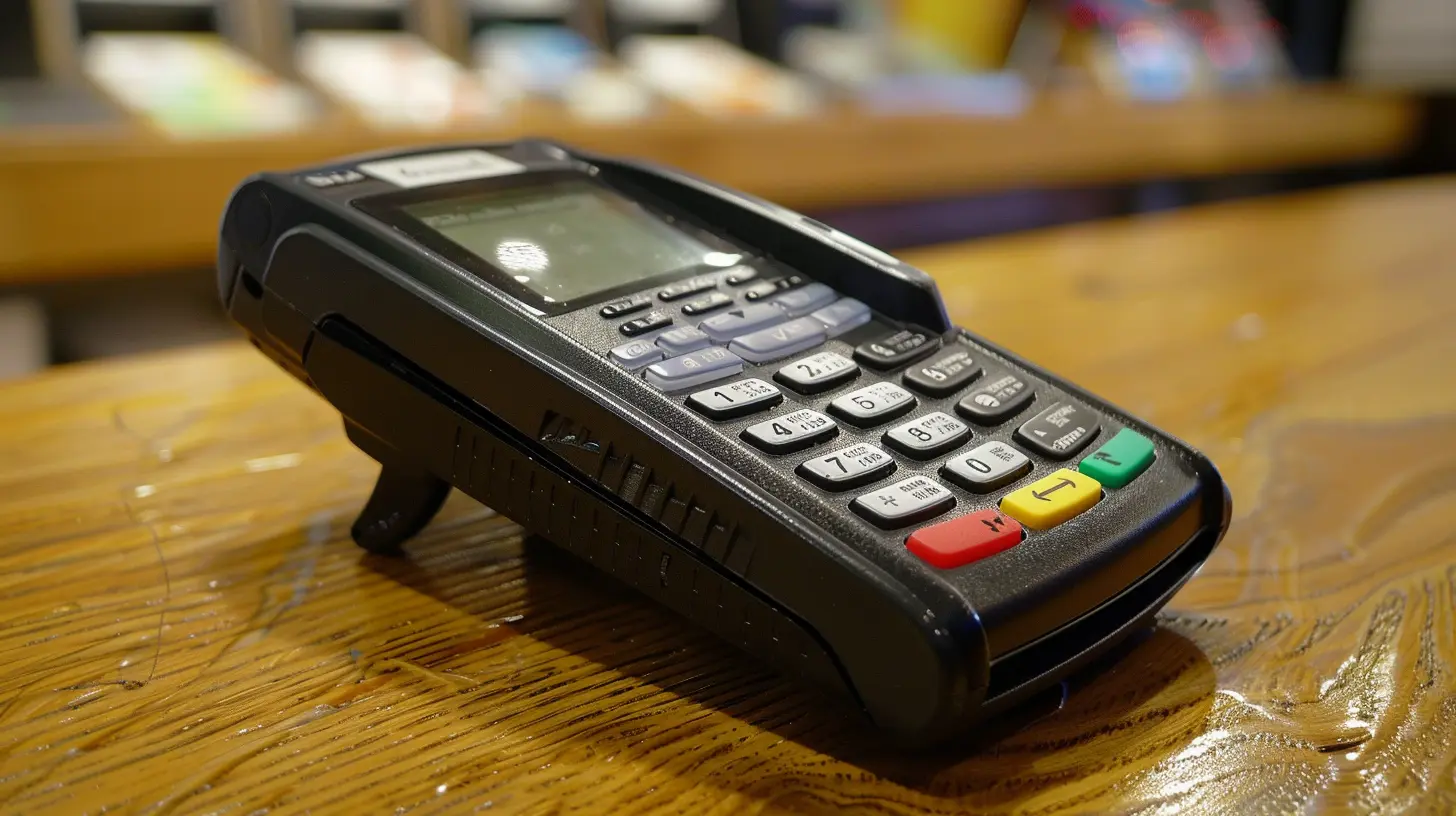
The Role of Telecom in Financial Inclusion
In many developing regions, traditional banking is a luxury. But telecom has helped bridge that gap by enabling mobile financial services, granting millions access to digital payments.M-Pesa: A Telecom-Driven Mobile Money Success Story
One of the best examples of telecom-driven financial inclusion is M-Pesa, a mobile money service launched by Kenya’s telecom provider Safaricom.- M-Pesa allows users to send, receive, and store money using just a basic mobile phone.
- It works on USSD and SMS, making it accessible even without an internet connection.
- Today, M-Pesa has expanded to multiple countries and serves millions who previously had zero access to banking services.
Without telecom infrastructure, solutions like M-Pesa couldn't exist. These systems empower people by letting them pay bills, transfer money, and even access microloans with just a mobile device.
Security and Fraud Prevention in Mobile Payments
As mobile payments grow, so do the risks of fraud and cyber threats. But telecom companies play a crucial role in making sure transactions remain secure.How Telecom Improves Payment Security
1. Multi-Factor Authentication (MFA): Telcos enable security features like OTP (One-Time Passwords) and SIM-based authentication to verify transactions.2. Biometric Security: With 5G-powered telecom advancements, fingerprint scanning and facial recognition have become essential layers of mobile payment security.
3. Fraud Detection Systems: AI-driven security systems analyze payment patterns to detect suspicious activity in real time.
Without telecom-driven security layers, mobile payments would be much more vulnerable to cyber threats.
The Future: Where is Telecom Taking Mobile Payments Next?
Telecom has been the unsung hero of mobile payments, but where does it go from here?1. AI & Blockchain for Smarter Payments
With telecom networks supporting AI-powered payment systems, fraud detection will get smarter, and blockchain technology will secure payments like never before.2. IoT Payments - Pay Without Touching Anything
Imagine your fridge automatically paying for milk when you run out or your car paying for gas at a smart fueling station. Telecom’s role in enabling IoT payments is just getting started.3. Cross-Border Mobile Transactions
Thanks to telecom innovations, remittances and international payments via mobile will become faster and even cheaper, helping economies grow worldwide.The future of mobile payments isn't just about convenience—it’s about connectivity, automation, and security. And at the heart of it all? Telecom technology.
Final Thoughts
Next time you tap, scan, or send money through your phone, remember there's a whole telecom ecosystem working behind the scenes to make it happen. Without telecom networks evolving, we wouldn’t have the seamless mobile payment experiences we enjoy today.From basic SMS payments to futuristic AI-driven transactions, telecom has been the backbone of mobile financial transformation. And as technology grows, the bond between telecom and mobile payments will only get stronger.
What do you think the future holds for mobile payments? Will telecom shape an even more cashless world? Let’s chat in the comments!
all images in this post were generated using AI tools
Category:
TelecommunicationAuthor:

Ugo Coleman
Discussion
rate this article
2 comments
Felicity Walker
This article effectively highlights how telecom infrastructure has been pivotal in shaping mobile payments, enhancing accessibility and security. It underscores the importance of collaboration between telecom companies and fintech for future innovations.
February 8, 2026 at 8:37 PM
Ugo Coleman
Thank you for your insightful comment! I appreciate your recognition of the crucial collaboration between telecom and fintech in advancing mobile payment solutions.
Tristan Lane
Great insights! Telecom's crucial role in the mobile payments landscape highlights how connectivity and technology together drive convenience and innovation for consumers worldwide.
January 19, 2026 at 3:26 AM
Ugo Coleman
Thank you! I'm glad you found the insights valuable. Telecom indeed plays a pivotal role in enhancing mobile payment experiences globally.