Understanding the Next Generation of Consumer Tech Giants
17 August 2026
The phrase "tech giant" used to conjure a very specific image: a campus full of engineers, a data center humming in some remote corner of Oregon, and a stock ticker that moved markets. That image is still true, but the faces are changing. The next generation of consumer tech giants does not look like the last one. They are not necessarily building the biggest social network or the most popular search engine. They are building the infrastructure for how we live, move, pay, and even how we think about our own homes. This shift is not a minor evolution; it is a fundamental change in what "scale" means in the technology sector.
The Old Playbook Is Broken
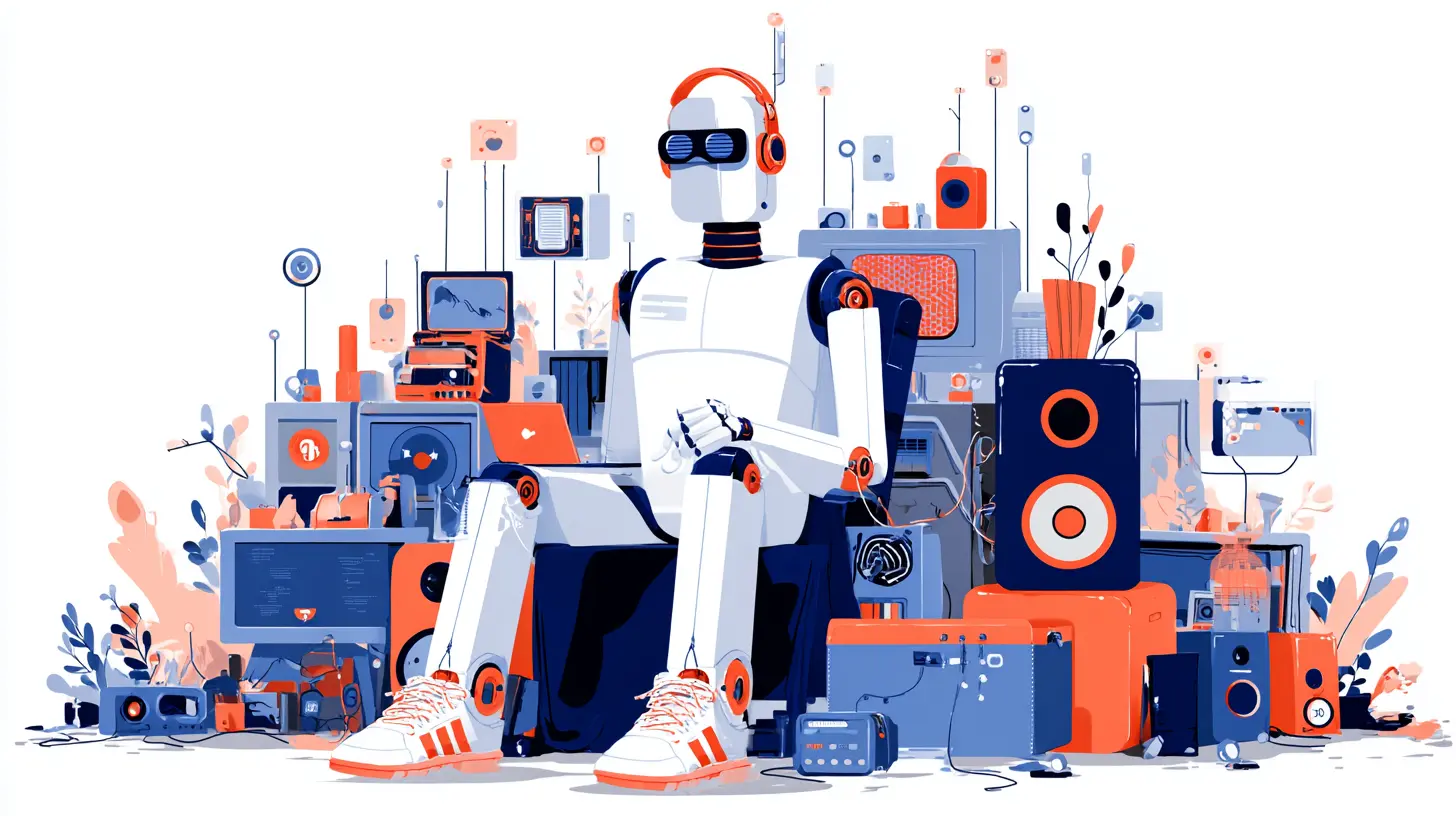
For two decades, the playbook for becoming a tech giant was almost formulaic. You built a free consumer product, gathered hundreds of millions of users, then sold ads against their attention. Facebook, Google, and Twitter (now X) all followed this path. The model worked because attention was scarce and monetization was simple. But that era has hit a wall.The first crack appeared with privacy regulations like GDPR and CCPA. These laws did not kill the ad business, but they made tracking users across the web much harder. Apple's App Tracking Transparency feature then drove a stake through the heart of third-party data collection. When Apple forced apps to ask permission before tracking, most users said no. That single change gutted the effectiveness of targeted ads on mobile devices.
The second crack is user fatigue. People are tired of being the product. They are tired of algorithmic feeds that prioritize outrage over utility. The next generation of giants understands this. They are not trying to capture your attention for hours; they are trying to capture your transactions, your health data, your home's energy usage, and your daily commute. This is a quieter, stickier, and ultimately more lucrative model.

The New Kings: Vertical Integration and Hardware
The defining trait of the next generation is vertical integration. The old giants were horizontal platforms; they connected buyers and sellers, or creators and viewers, but they rarely owned the entire stack. The new giants build the chip, the device, the software, and the service. They control the entire experience from the moment you unbox the product to the moment you renew your subscription.Apple is the obvious pioneer here, but they are no longer the only player. Companies like Tesla, Ring (now under Amazon), and even newer entrants like Nothing and Humane are exploring this territory. The logic is simple: when you control the hardware, you control the data. When you control the data, you can build services that are genuinely useful, not just creepy.
Consider Tesla. They are not just a car company. They are a data company that happens to make cars. Every Tesla on the road is collecting data on driving patterns, road conditions, and traffic. That data trains their autonomous driving software. No other carmaker can match this because they do not have the vertical integration. Tesla's real value is not the cars they sell today; it is the software they will sell tomorrow.
The Home as the New Battleground
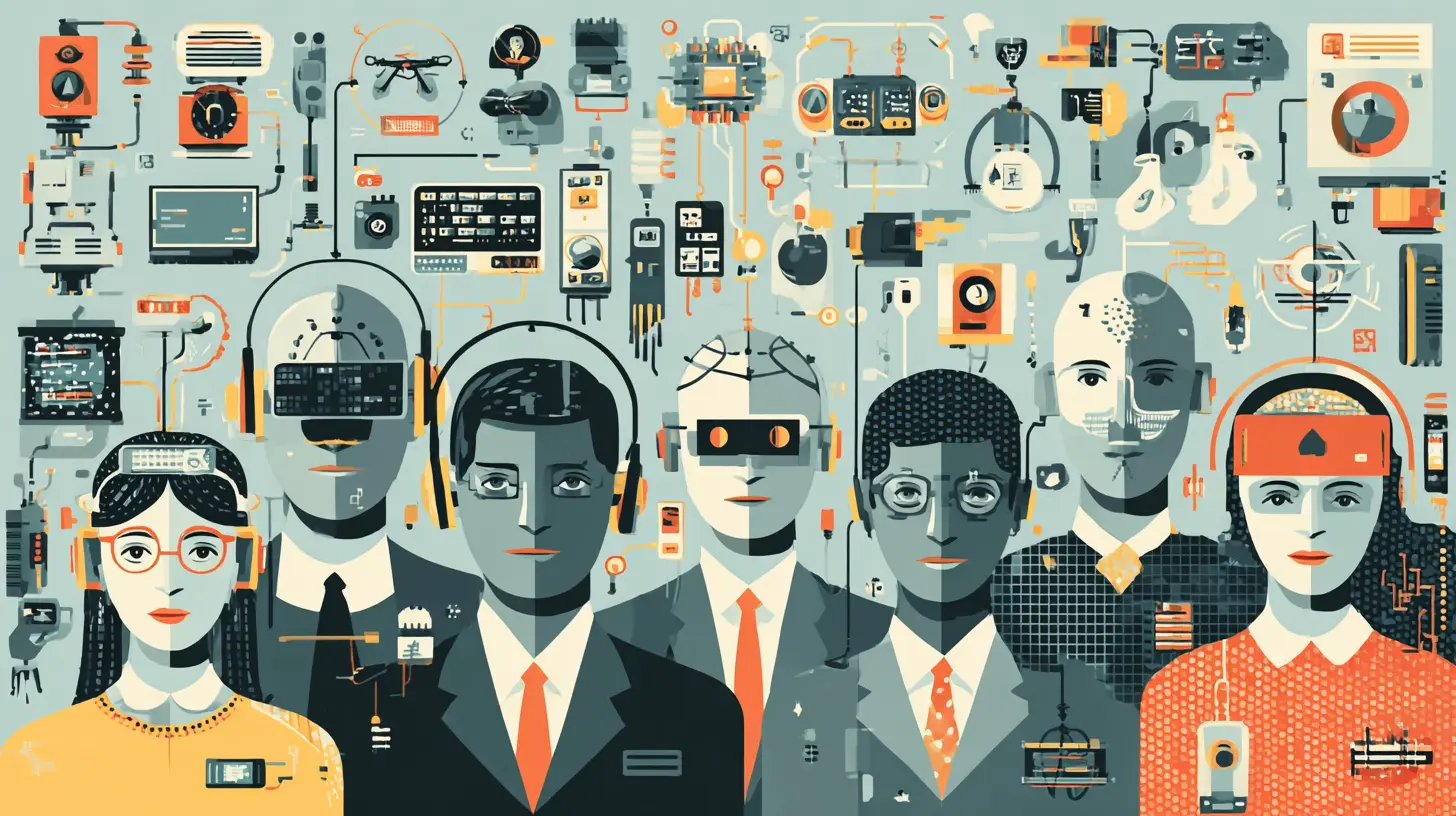
If the smartphone was the battleground of the last decade, the home is the battleground of this one. The next generation of giants is fighting for control of your living room, your kitchen, and your thermostat. This is not just about smart speakers. It is about creating an ecosystem where devices talk to each other without your input.Amazon has been the most aggressive here. They have Alexa in millions of homes, but they also own Ring doorbells, Eero routers, and a stake in various smart home startups. The strategy is not to make money on the hardware; it is to make money on the services that run through the hardware. When you set up a Ring camera, you are not just buying a camera. You are buying into a subscription service for cloud storage and facial recognition. That recurring revenue is the holy grail.
Google is trying to do the same with Nest, but they have a structural problem. Google is a software company at heart. They do not have the supply chain expertise that Amazon has, nor do they have the retail distribution. Apple is also in the game with HomeKit, but their approach is more fragmented. They make the phone and the watch, but they rely on third parties for the actual home devices. This creates a disjointed experience.
The mistake most consumers make is thinking they need to pick one ecosystem. You do not. In fact, the smartest approach is to buy devices that support Matter, the new smart home standard. Matter allows devices from different manufacturers to work together locally, without needing a cloud service. This is a direct threat to the giants because it commoditizes their ecosystems. If your smart lock works with any voice assistant, you are less likely to be locked into a single brand.
The Rise of the Subscription Economy
The next generation of giants is built on subscriptions, not one-time purchases. This is a hard pill for consumers to swallow, but it is the reality. The economics are too tempting for companies to ignore. A customer who pays ten dollars a month for a service is worth more over a lifetime than a customer who pays three hundred dollars for a device every three years.Peloton is a cautionary tale here. They built a beautiful bike and a loyal community, but they misjudged the subscription market. They assumed that everyone who bought the bike would keep paying for the classes. When the pandemic ended and people went back to the gym, the subscriptions lapsed. Peloton's hardware did not become useless, but the company's valuation crashed because the recurring revenue dried up.
The lesson is that subscriptions only work when the value is continuous. A fitness class is continuous value. A security camera that records only when motion is detected is not. The next generation of giants will focus on services that are used daily, if not hourly. Think of health monitoring, energy management, and meal planning. These are not nice-to-haves; they are integrated into the rhythm of daily life.
Health and Biometrics: The Next Frontier
The most intimate data you have is not your search history or your location. It is your heart rate, your sleep patterns, and your blood oxygen levels. The next generation of consumer tech giants is betting that you will trade this data for personalized health insights. This is a massive shift from the old model, where companies collected data to sell ads. Now, they are collecting data to sell you a healthier life.Apple Watch is the leader here, but they are being challenged by Oura, Whoop, and even Samsung. The key differentiator is not the sensor hardware; it is the software that interprets the data. Apple's advantage is that they have the Health app integrated into the iPhone, and they have a massive research network through their academic partnerships. They can turn your heart rate variability into a stress score that actually makes sense.
But there is a dark side. Health data is highly sensitive, and the regulatory landscape is still murky. The FDA has cleared some features, like ECG detection and fall detection, but they have not cleared everything. A company that sells you a sleep score is not subject to the same regulations as a company that sells you a pacemaker. This creates an incentive for overpromising. Be wary of any device that claims to diagnose a condition. They are not doctors; they are data collectors.
The practical advice here is to look at the company's privacy policy before you buy a health wearable. Do they share your data with insurance companies? Do they use your data to train their algorithms, and if so, is that data anonymized? If the answers are vague, that is a red flag. The next generation of giants will be defined by how they handle this trust deficit.
The Energy Transition and Smart Grids
One area that is often overlooked in discussions of consumer tech is energy. But the next generation of giants is moving into your utility bill. As solar panels, battery storage, and electric vehicles become mainstream, the home is becoming a mini power plant. The companies that manage this transition will be enormous.Tesla is the obvious player here with their Powerwall and solar roof. But there are also startups like Span and Lumin that are building smart electrical panels. These devices allow you to control which circuits in your home get power and when. You can run your dishwasher during off-peak hours when electricity is cheaper. You can charge your car only when your solar panels are producing excess power.
The trade-off is complexity. A smart panel is not a simple plug-and-play device. It requires a licensed electrician to install, and it communicates with your utility company. This creates a high barrier to adoption. Most people are not willing to spend five thousand dollars on a panel that saves them fifty dollars a month. The companies that succeed will be the ones that bundle energy management with other services, like home insurance or electric vehicle charging networks.
The AI Layer: The Real Product
Underneath all these devices and services is the AI layer. This is the true product of the next generation of giants. The hardware is just a delivery mechanism. The AI is what makes the device smart, what predicts your behavior, and what automates your life.The mistake many companies make is treating AI as a feature. They add a chatbot to their app and call it a day. The next generation of giants treats AI as the core operating system. Their devices are always learning. They are not just responding to commands; they are anticipating needs.
Consider the difference between a dumb thermostat and a smart one. A dumb thermostat follows a schedule you set. A smart thermostat, like the Nest, learns your habits and adjusts the temperature before you even wake up. That is the AI layer. It is not flashy, but it saves you money and energy.
The challenge is that AI requires massive amounts of data, and that data is expensive to collect and store. This is why the next generation of giants is so focused on vertical integration. They need the data pipeline from the device to the cloud to be seamless. They cannot rely on third parties to provide that data because it is their competitive advantage.
The Misconception of the "Smart" Device
There is a pervasive misconception that a device is smart because it has a mobile app. This is false. A smart device should do three things: sense, process, and act. If it only senses and sends data to your phone, it is not smart; it is a remote sensor. The processing needs to happen locally or in the cloud, and the action needs to be automated.For example, a smart speaker that plays music when you ask is not smart. It is a remote-controlled speaker. A smart speaker that lowers the volume when the doorbell rings, adjusts the lighting based on the time of day, and reminds you to take your medication is smart. The difference is the integration of multiple data streams.
This is where most consumer tech fails. Companies build a single-purpose device and then try to make it "smart" by adding a companion app. The result is a clunky experience that requires too much manual input. The best smart devices are the ones you forget are smart because they blend into the background.
Practical Advice for Consumers
So, what should you do if you want to engage with this next generation without getting burned? The first rule is to wait for the second version. The first version of any hardware product is usually buggy, and the ecosystem is immature. The second version typically fixes the major issues and has a more robust app store or service catalog.The second rule is to check for local processing. Many devices send your data to the cloud for processing, which raises privacy concerns and introduces latency. Devices that can process data locally, using a chip like Apple's Neural Engine or a local hub like a Home Assistant, are more secure and faster.
The third rule is to avoid locking yourself into a proprietary ecosystem. Look for devices that support open standards like Matter, Thread, and Zigbee. These standards allow you to mix and match devices from different manufacturers. This is the opposite of what the giants want, but it is the best protection against being held hostage by a single company.
The Trade-Off Between Convenience and Privacy
The central tension of the next generation of consumer tech is the trade-off between convenience and privacy. The more data you give a company, the better their services work, but the more power they have over you. There is no free lunch here. You have to decide what you are comfortable with.If you are concerned about privacy, you can still use smart devices, but you need to be selective. For example, you can use a local voice assistant like Almond or Mycroft instead of Alexa or Google Assistant. You can use a home automation hub like Home Assistant that keeps all your data on your own server. These options require more technical know-how, but they give you control.
The next generation of giants will try to convince you that privacy is a feature they offer, not a right you have. Do not fall for that. Privacy is a design choice, and you should reward the companies that make the right choice.
The Future of the Giants
Where will this end? In ten years, we will likely see a handful of companies that control the consumer tech stack. They will not be the same companies that dominate today. Some will be new, like Tesla or a startup that we have not heard of yet. Others will be old companies that reinvented themselves, like Samsung or LG.The key to identifying the next giant is to look at the data flow. Who collects the most useful data? Who has the best AI to interpret that data? Who has the hardware to collect that data at scale? The company that answers these three questions best will be the next trillion-dollar company.
The old giants are not dead, but they are on the defensive. They are trying to pivot from advertising to subscriptions, from social networks to super apps. Some will succeed, but many will fail because they are too focused on protecting their legacy business. The next generation is hungrier, and they are building for the world that is coming, not the world that was.
Final Thoughts
Understanding the next generation of consumer tech giants is not about predicting which stock to buy. It is about understanding how your daily life will change. The choices you make today, about which devices to buy and which ecosystems to join, will shape your experience for the next decade. Be deliberate. Be skeptical. And do not be afraid to walk away from a company that treats you as a product rather than a customer.The good news is that the technology is genuinely improving. The bad news is that the business models are getting more aggressive. The smart consumer will navigate this by staying informed, supporting open standards, and never trusting a single company with too much of their life. The next generation of giants will be powerful, but they will only be as powerful as you allow them to be.
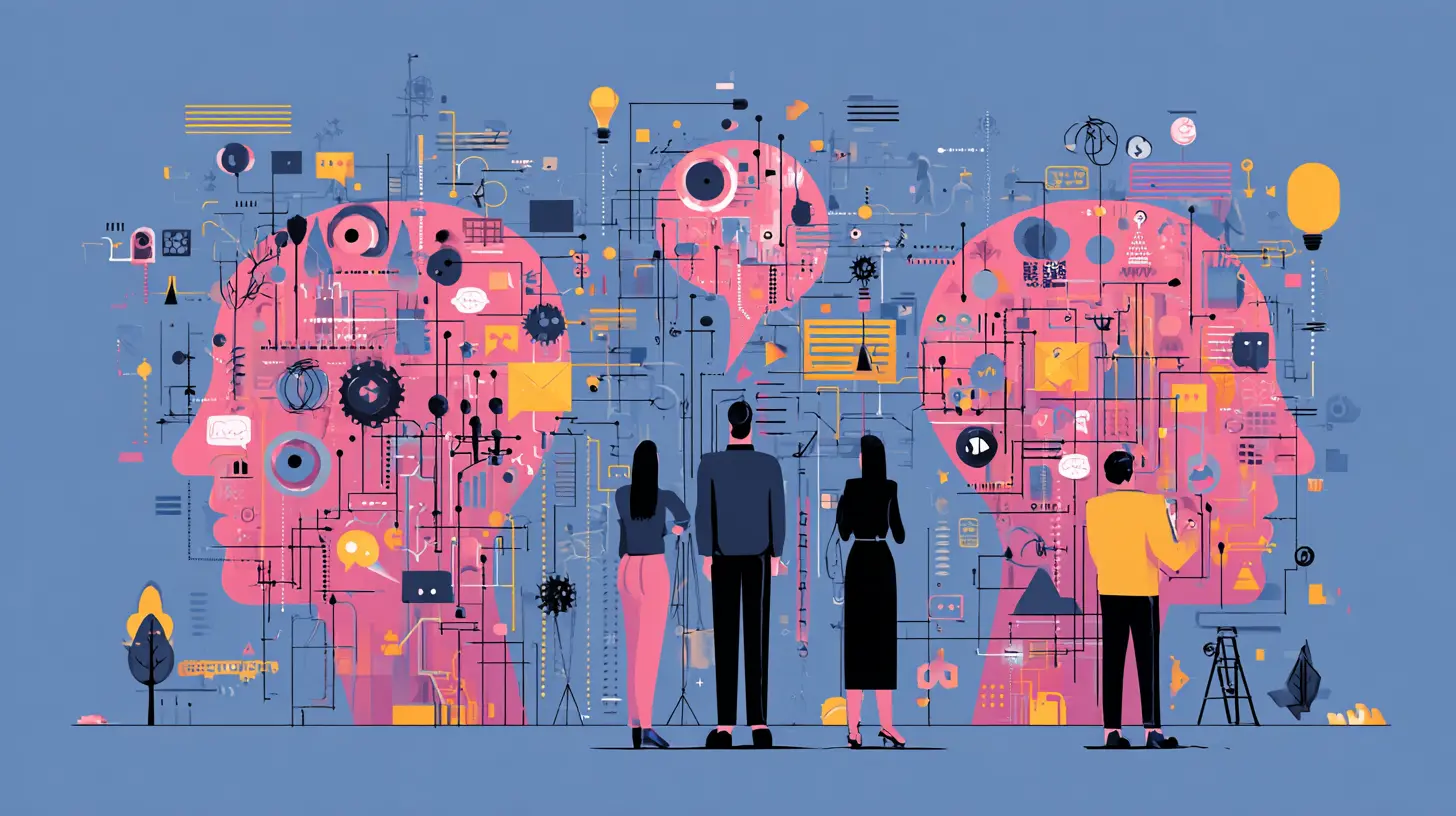
all images in this post were generated using AI tools
Category:
Tech IndustryAuthor:

Ugo Coleman
Discussion
rate this article
1 comments
Ian Riley
This article offers a fascinating glimpse into the evolving landscape of consumer tech. I'm curious to see how emerging players will challenge established giants and what innovative solutions they will bring to enhance our daily lives. Exciting times ahead!
August 21, 2026 at 4:26 AM
Ugo Coleman
Thank you for your thoughts! The competition will definitely spark innovation that can change our daily experiences. Exciting times indeed!