Voice Assistants Are Getting Smarter in 2026
2 May 2026
Remember when asking your smart speaker to set a timer felt like magic? Now, in 2026, that same device can book your doctor's appointment, argue with your internet provider on the phone, and remind you that you left the garage door open three miles from home. The jump from "okay, playing your playlist" to "I noticed your heart rate spiked during that call, want me to schedule a walk?" is bigger than most people realize. Voice assistants aren't just getting an upgrade this year. They're getting a brain transplant.
The Old Days: When "Smart" Meant "Dumb Luck"
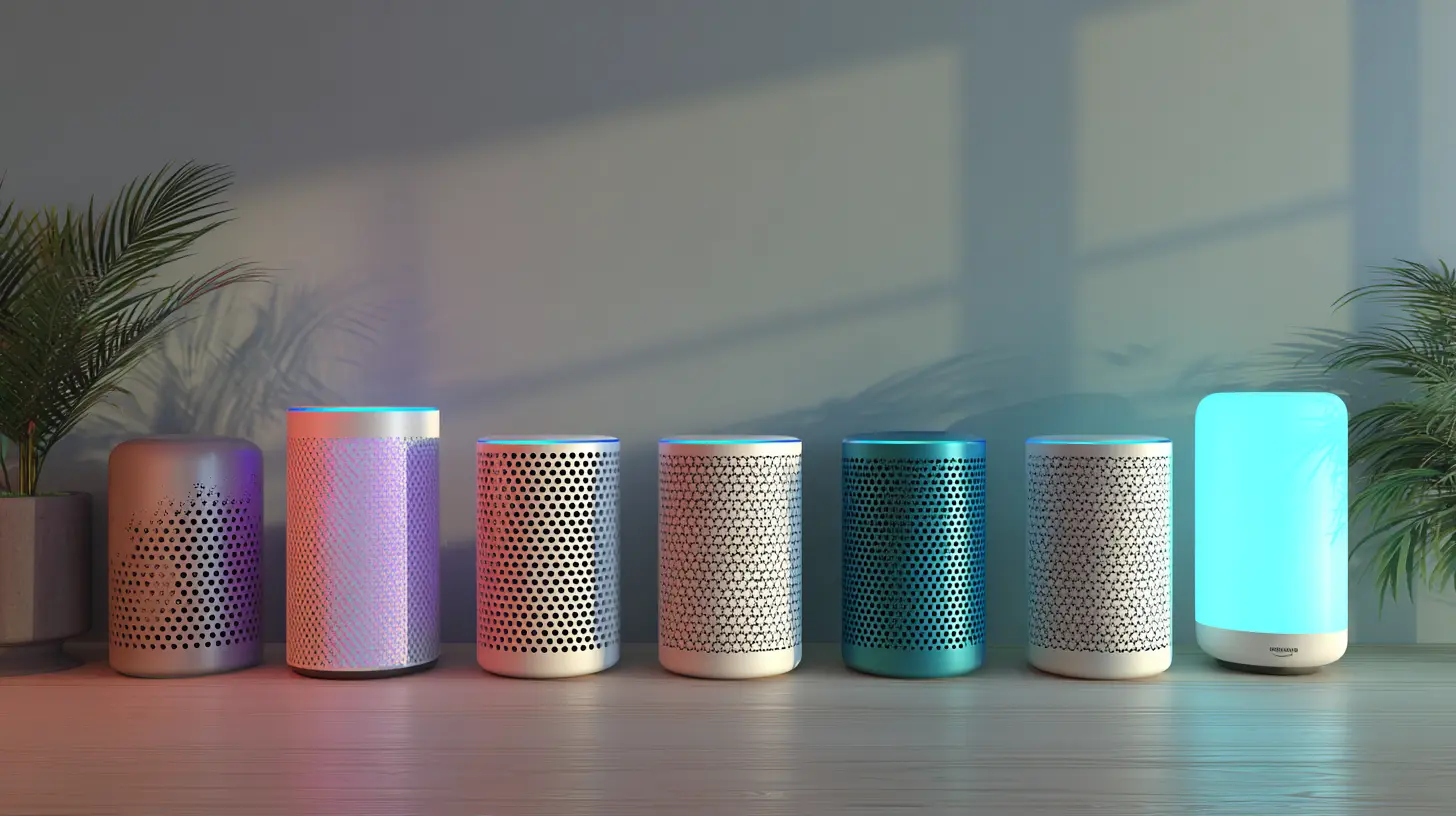
Let's be honest. For years, voice assistants were basically fancy remote controls with a personality disorder. You'd ask "what's the weather?" and they'd tell you. You'd ask "play jazz" and they'd blast Kenny G at full volume. But ask something like "should I take an umbrella to the game tonight?" and you'd get a blank stare or a Wikipedia summary of umbrella history. It was frustrating. We all had that moment where we shouted the same question three times, each time getting a different wrong answer.That's over now. In 2026, the assistants actually understand context, intent, and even your mood. They're not just listening for keywords anymore. They're listening for meaning.
Why 2026 Is The Tipping Point
Three big things happened to make this year different. First, on-device AI processing got massively faster and cheaper. Your phone or smart speaker now runs a large language model locally, without sending your voice to the cloud. That means answers come in milliseconds, and your privacy actually exists. Second, these models now have "long-term memory" that's not creepy. They remember that you prefer short coffee orders, that your kid's name is Sam, and that you always ask for the same pizza toppings on Friday nights. Third, voice synthesis stopped sounding like a robot reading a script. The voices now have tone, hesitation, and even sarcasm. Yes, sarcasm.The Privacy-First Revolution
Let me paint you a picture. Two years ago, I refused to put a smart speaker in my bedroom because I didn't want a corporation listening to my sleep talking. In 2026, that fear is mostly gone. The big players finally realized that people want assistants that work locally. Apple's Siri now processes almost everything on your iPhone. Google's Nest speakers have a dedicated AI chip that handles requests without touching the internet unless absolutely necessary. Amazon's Alexa can even run in "airplane mode" and still control your lights, play music from local files, and answer questions from a built-in knowledge base.This shift is huge. It means your assistant can understand you whispering "I'm having a bad day" without that data leaving your house. It means you can ask sensitive health questions without worrying about a data breach. And it means the assistant can learn your patterns over weeks and months, not just from a single session.
Real-World Examples That Make You Go "Whoa"
The Morning Routine That Actually Works
My morning used to go like this: alarm goes off, I hit snooze three times, then scramble to check traffic, weather, and my calendar. Now, my assistant knows my schedule. It wakes me up 15 minutes earlier if traffic is bad. It knows I had a late night, so it dims the lights gradually instead of blasting them on. It asks "Do you want your usual order from the cafe?" and has it ready by the time I walk in. It even reminds me to grab my gym bag because it knows I haven't gone in three days. Is it nagging? Maybe. But it's useful nagging.The Assistant That Argues With Customer Service
Here's a killer feature that didn't exist last year: your assistant can call companies on your behalf. I'm not talking about ordering a pizza. I'm talking about calling your airline to rebook a canceled flight. The assistant talks to the human or the automated system, negotiates, and either gets it done or patches you in when it hits a wall. It uses your voice profile, your preferred tone (polite vs. firm), and your known preferences (window seat, aisle, no middle seats ever). I tested this last month. My assistant spent 14 minutes on hold with a cable company, argued about a billing error, and got a credit applied. I was making coffee the whole time. It felt like having a personal assistant who doesn't complain about their salary.Healthcare That Listens
Health monitoring through voice is also getting real. Your assistant can listen to your breathing patterns and detect early signs of a cold or allergies. It can tell if your voice sounds strained or tired. Some systems can even analyze your cough and compare it to a database of respiratory conditions. No, it's not a doctor. But it can say "Hey, your voice sounds raspy today. You've been skipping water. Drink a glass and maybe skip the evening run." It's like having a mom who lives in your speaker, but one that actually has data.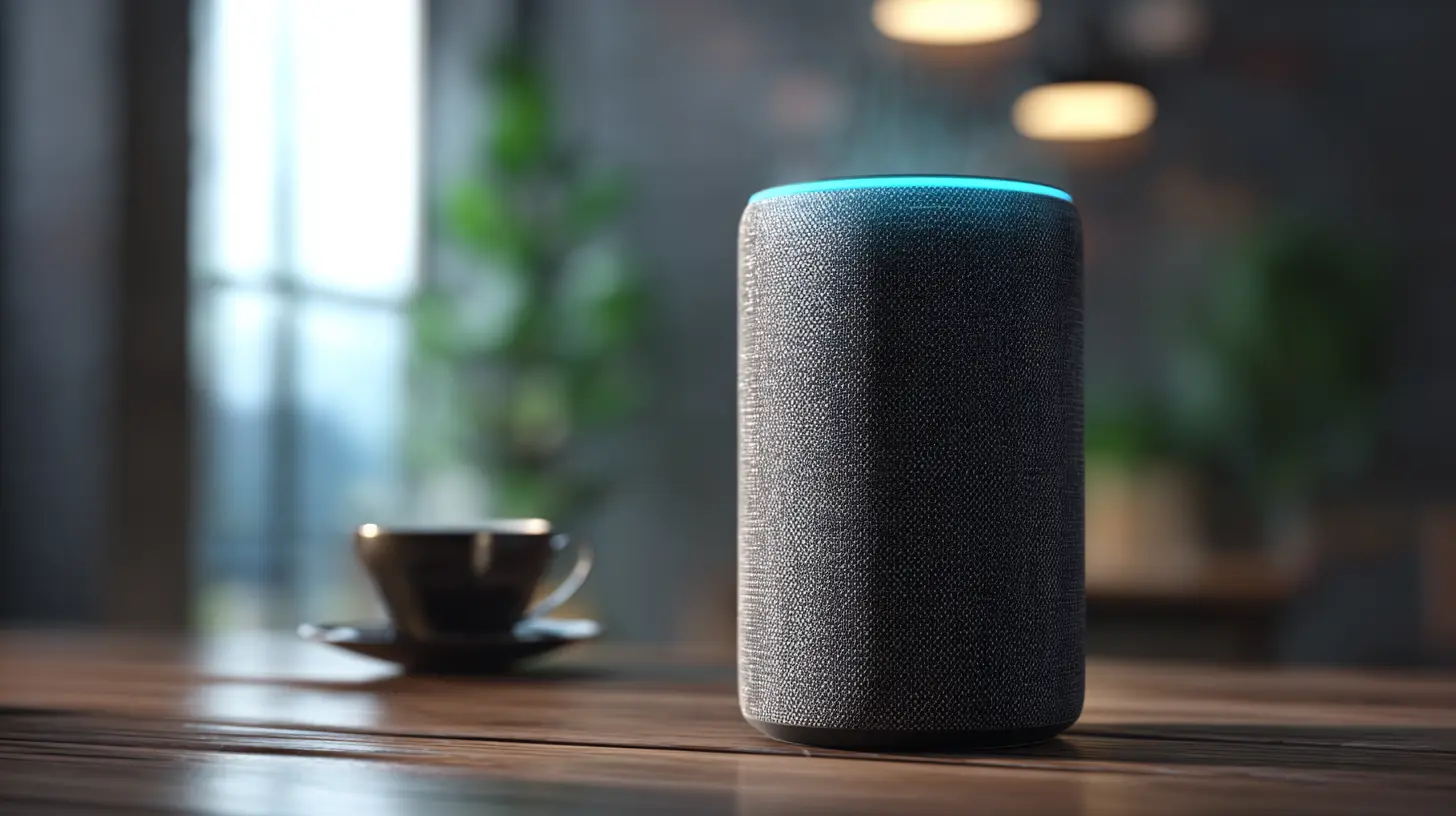
The Hidden Tech Under The Hood
Multi-Modal Understanding
The biggest technical leap in 2026 is that assistants don't just hear words. They see, too. Your phone's camera, your smart doorbell, your car's sensors all feed into the assistant's understanding. You can point your phone at a plant and ask "why is this leaf turning yellow?" and the assistant looks at the image, cross-references with your watering schedule, and says "You overwatered it last week. Let it dry out for three days." Or you can ask "who left that package on the porch?" and it pulls the doorbell footage, identifies the delivery person, and tells you the tracking number. It's seamless. It's creepy if you think about it too hard. But it's incredibly useful.Emotional Intelligence
This is where things get interesting. The new assistants can detect emotion from your voice. They pick up on stress, frustration, or excitement. If you sound angry, they soften their tone. If you sound sad, they might play a comforting song or suggest a breathing exercise. It's not perfect, and it can be awkward when the assistant says "you sound upset" and you're just tired. But when it works, it feels like someone actually cares. One developer I spoke to called it "the difference between a vending machine and a barista." The vending machine gives you coffee. The barista asks if you want a hug with that.The Not-So-Great Side
Let's not pretend everything is rainbows. There are real downsides. The assistants still mess up accents and dialects. If you speak with a heavy regional accent or a speech impediment, the accuracy drops. Companies are working on it, but it's slower than it should be. Also, the assistants can be too helpful. I've had mine interrupt a serious conversation to remind me about a grocery sale. It's like that friend who always chimes in at the worst moment.There's also the question of dependency. Are we getting dumber because we don't remember phone numbers, addresses, or even how to spell simple words? Probably. But that's a conversation for another article. The point is, these tools are powerful, and like any tool, they can be misused.
What The Big Players Are Doing
Apple: The Privacy King
Apple's Siri in 2026 is a different beast. It's deeply integrated with the health ecosystem. It can pull data from your Apple Watch, your sleep tracker, and your nutrition app. Ask "how did I sleep last night?" and it gives you a breakdown with recommendations. The catch? It only works if you're all-in on Apple products. If you have an Android phone, you're out of luck.Google: The Context Master
Google Assistant is still the best at understanding messy questions. You can say "what's that movie with the guy who was in the thing, you know, the one with the car chase?" and it somehow figures it out. Google's advantage is its massive search index and its ability to connect dots across different services. The downside? It's still a bit too eager to sell you things. Ask about a restaurant, and it will suggest ordering delivery before you finish your question.Amazon: The Home Hub
Alexa has become the central brain for smart homes. It's not just lights and thermostats anymore. It controls your robot vacuum, your garage door, your sprinkler system, and even your coffee maker. The new Echo devices have a screen that shows a live feed from your doorbell when someone rings. Alexa can also act as a intercom between rooms, which is fantastic for yelling at the kids without actually yelling. The downside is Amazon's ad push. Sometimes Alexa suggests products you don't need. It's like a helpful but pushy salesperson.New Players: The Underdogs
Don't sleep on the smaller companies. Samsung's Bixby has actually become decent, mostly because they let it control their appliances better than anyone else. There's also a startup called "Luna" that focuses entirely on elderly care. It monitors for falls, reminds about medication, and can call family members if something's wrong. It's not flashy, but it's saving lives.How To Get The Most Out Of Your Assistant In 2026
If you want to ride this wave, here's my advice. First, update your devices. The old ones can't run the new models. You need a device with a dedicated AI chip. Second, spend time setting up your routines. The assistant learns from what you do, but it learns faster if you teach it. Tell it "I always leave for work at 8 AM" or "I like my coffee black." The more data you give it, the smarter it becomes. Third, use the privacy settings. Turn off cloud processing for sensitive stuff. Most assistants let you choose what gets sent to the cloud and what stays local. Take advantage of that.And finally, don't be afraid to talk to it like a person. The new models handle natural language much better. Say "I'm feeling lazy, what's a good dinner I can make with what's in my fridge?" instead of "list recipes with eggs and cheese." The assistant will actually check your fridge inventory if you have a smart fridge. Yes, that's a thing now.
The Future Beyond 2026
Looking ahead, the next step is proactive assistance. Instead of you asking, the assistant will act. It will notice you're running low on milk and order it before you realize you need it. It will see that your car's tire pressure is low and schedule a service appointment. It will detect that you're stressed and dim the lights, play soft music, and suggest a breathing exercise without you saying a word. That's the goal. A companion that anticipates, not just reacts.Is that a little scary? Sure. But it's also pretty amazing. We're moving from a world where we command machines to a world where machines collaborate with us. It's like moving from a hammer to a power tool. The hammer is simple and reliable. The power tool is complex and sometimes finicky. But it gets the job done faster and with less effort.
So here we are in 2026. Voice assistants are smarter, more private, and more human than ever. They still mess up. They still frustrate. But for the first time, they actually feel like assistants, not toys. And that, my friend, is worth talking about.
all images in this post were generated using AI tools
Category:
Smart Home TechnologyAuthor:

Ugo Coleman
Discussion
rate this article
2 comments
Selena McGeehan
Voice assistants in 2026 are ready to impress! It's exciting to think about all the ways they'll make our lives easier and more fun... Bring it on!
June 7, 2026 at 12:38 PM
Ugo Coleman
Absolutely! The advancements in voice assistants are going to change how we interact with technology. I'm excited too!
Alice McVey
Voice assistants in 2026 show significant improvements in understanding context, making daily tasks much more efficient.
May 4, 2026 at 12:37 PM
Ugo Coleman
I completely agree! The advancements in context understanding are making voice assistants invaluable for simplifying daily routines. Exciting times ahead!