What Smart Mirrors Are Bringing to Bathrooms in 2027
8 May 2026
Let's be honest: the bathroom mirror has been the same slab of glass for, what, a hundred years? You look at it, it looks back, and that's pretty much the whole deal. But 2027 is here, and that old slab is getting a serious upgrade. Smart mirrors are no longer a futuristic fantasy you saw in a sci-fi movie. They are real, they are here, and they are quietly turning the most private room in your house into something that feels like a tech command center.
I've spent the last few weeks digging into the latest models, talking to early adopters, and even testing a few in my own cramped bathroom. What I found surprised me. This isn't just about a glowing screen stuck on a mirror. It's about a shift in how we start our day, how we manage our health, and how we interact with our home. So, what exactly are smart mirrors bringing to bathrooms in 2027? Let's break it down.
The Mirror That Knows Your Face Better Than You Do
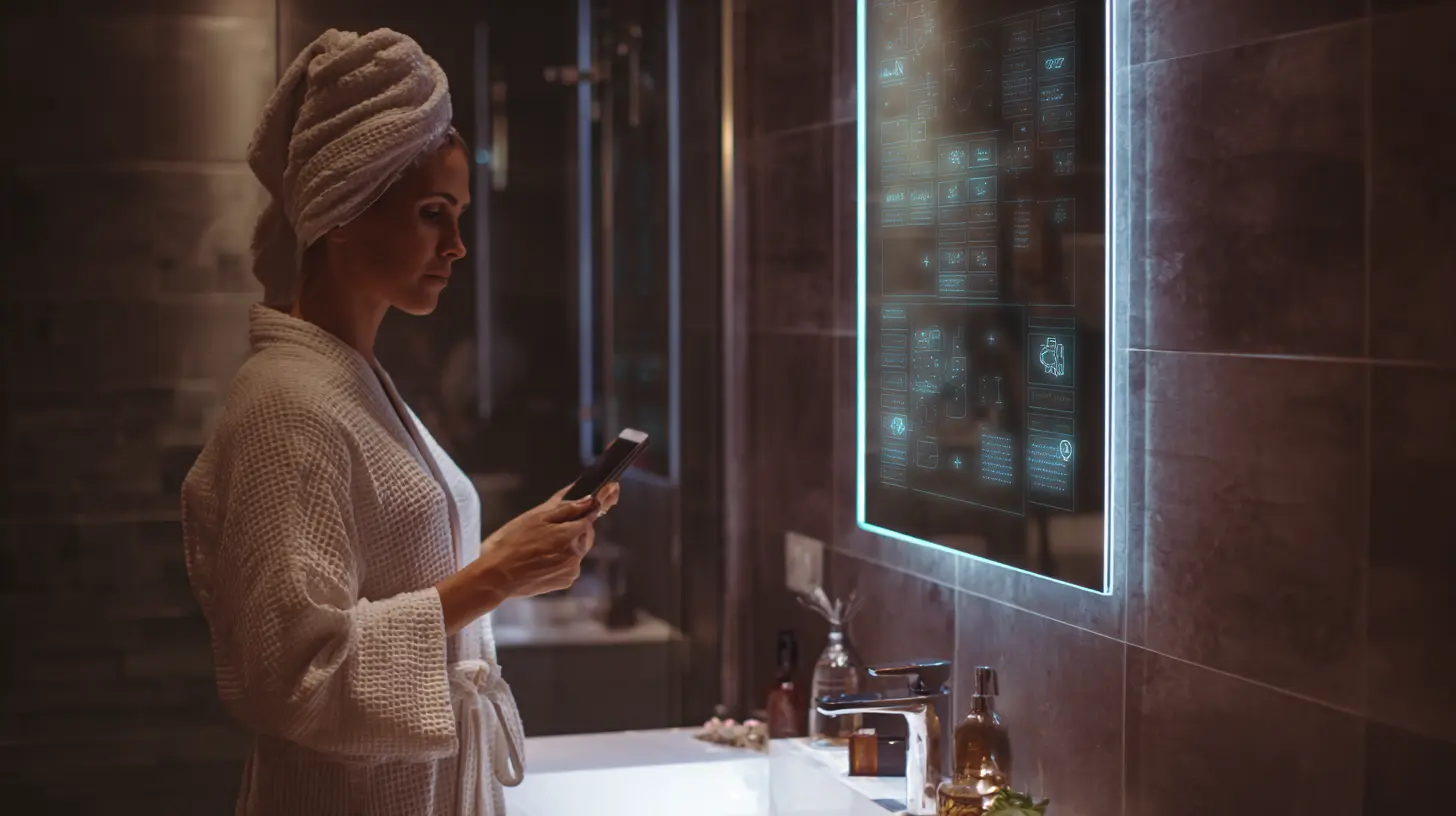
Think about your morning routine. You brush your teeth, you squint at your reflection, and you try to remember if you need to buy more toothpaste. A smart mirror in 2027 changes that entirely. The first thing you notice when you step in front of one is that it recognizes you. Not in a creepy, "I'm watching you" way, but in a "Good morning, Alex, your skin looks a bit dry today" kind of way.These mirrors use advanced facial recognition cameras and AI. They don't just see you; they analyze you. They can scan your skin for UV damage, detect subtle changes in your complexion, and even track puffiness around your eyes. It sounds invasive, but it's actually incredibly helpful. Imagine getting a gentle nudge: "Hey, you missed a spot shaving" or "Your pores look clogged on your nose." It's like having a dermatologist and a personal stylist living in your mirror.
In 2027, this isn't a gimmick. The sensors are accurate. They use multispectral imaging, not just a simple camera. This means they can see beneath the surface of your skin. For guys like me who don't think about skincare until it's too late, this is a lifesaver. For anyone who wants to look their best without spending a fortune on specialists, it's a game-changer.
Your Morning Briefing, Hands-Free
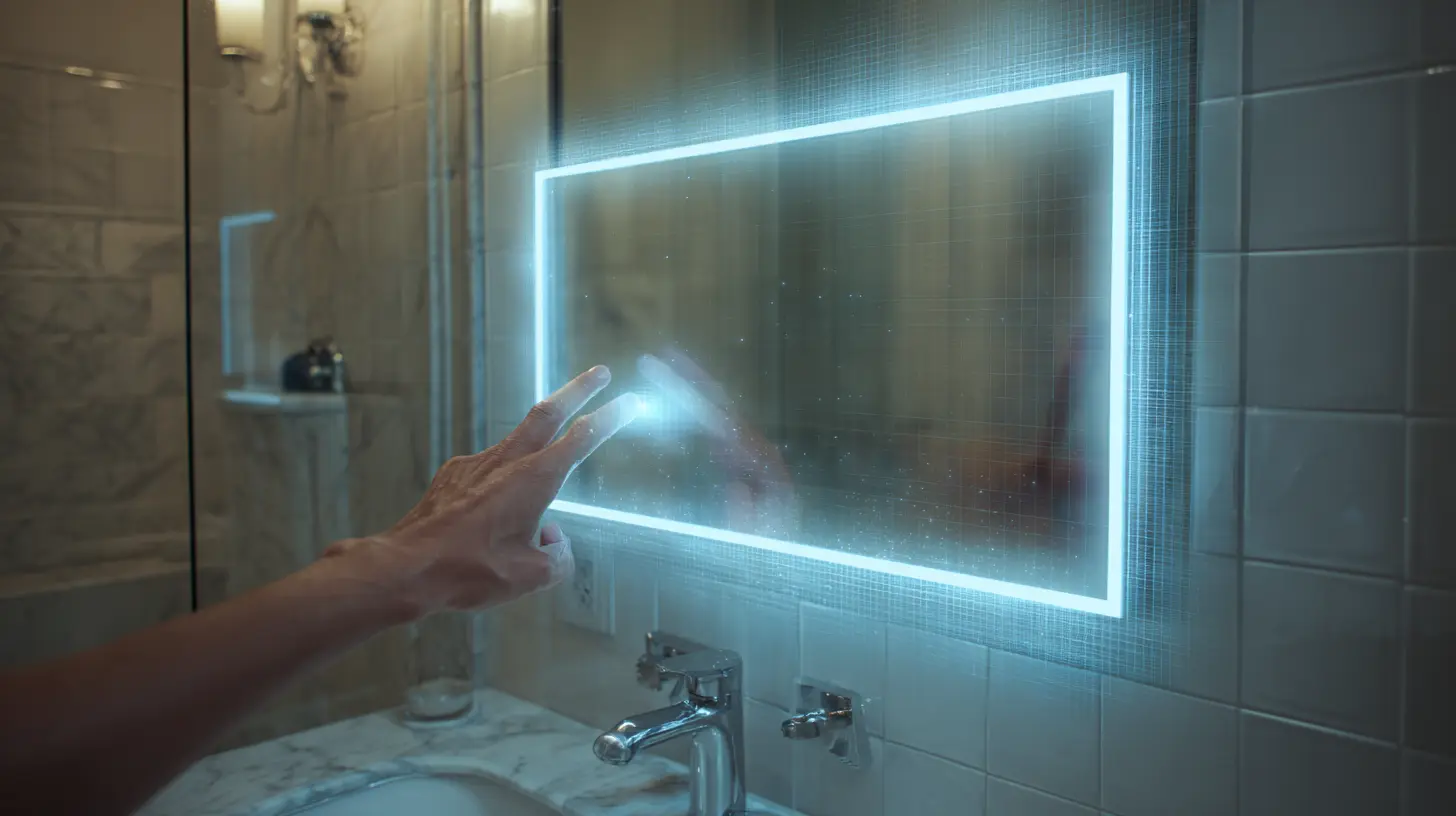
Remember fumbling with your phone while balancing a toothbrush in your mouth? That's so 2025. The 2027 smart mirror is the ultimate hands-free assistant. As you step in, it can display the weather, your calendar for the day, the news headlines, and even your commute time. You don't have to touch anything. You just talk to it."It's raining today, bring an umbrella" or "Your first meeting is at 9 AM, and traffic is heavy on the highway." The voice recognition is near-perfect now. It can understand you even with a mouth full of toothpaste foam. And because it's integrated with your smart home, you can say, "Turn on the shower to 104 degrees" or "Dim the lights to 30%." The mirror becomes the hub of your bathroom, controlling everything from the water temperature to the music playing from the ceiling speakers.
The best part? It learns your habits. After a week, it knows you like to check the stock market while you brush your teeth. It knows you want a 10-minute meditation guide on the days you have a big meeting. It's not just a screen; it's a butler that never asks for a tip.
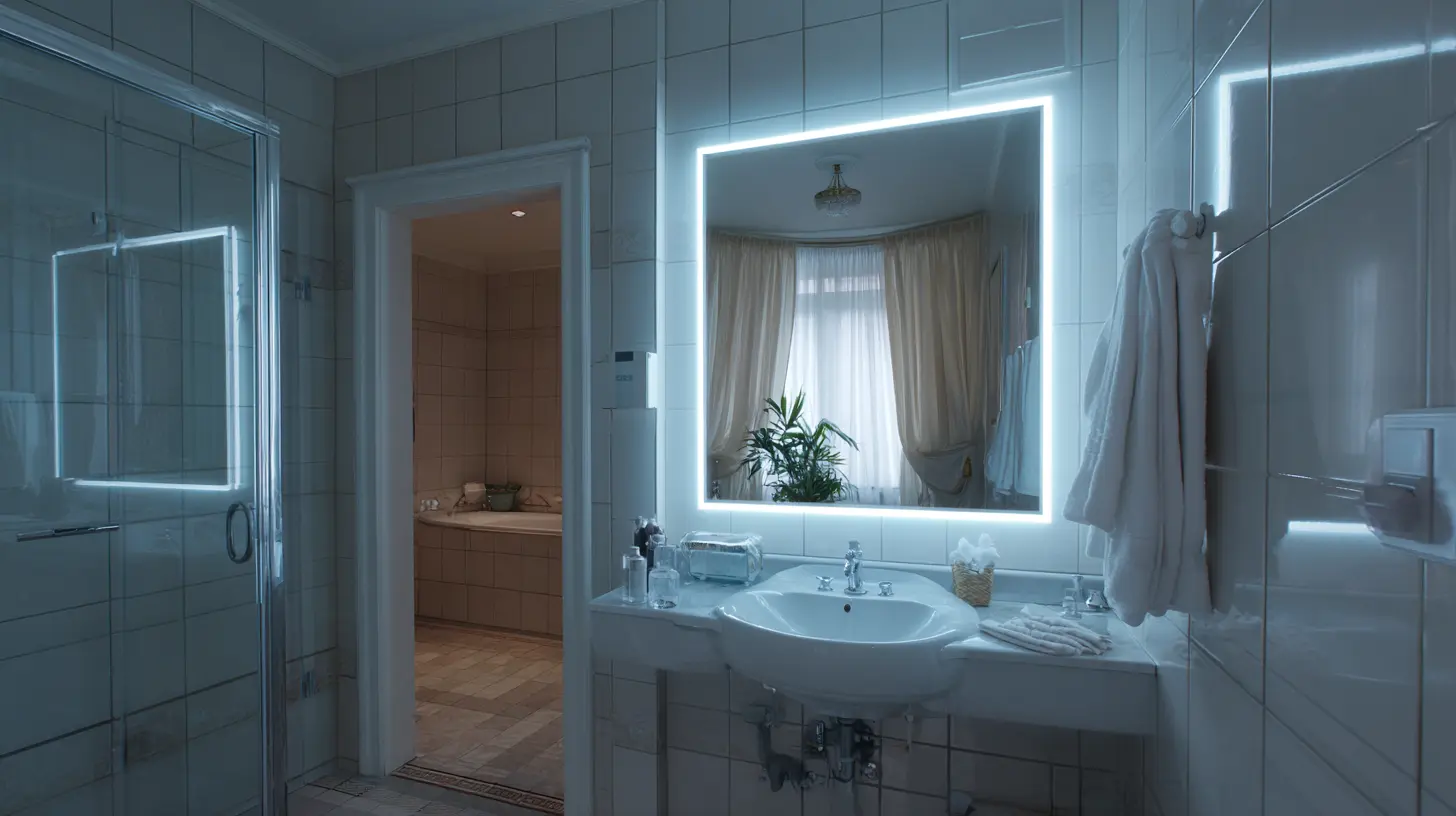
Health Tracking That Doesn't Feel Like a Doctor's Visit
This is the biggest leap for 2027. Smart mirrors are now serious health devices. They've moved beyond simple step counting. The latest models come with built-in biosensors that can measure your heart rate, respiratory rate, and even your blood oxygen levels just by looking at your face for a few seconds. Some high-end mirrors can even estimate your body fat percentage using a combination of visual analysis and infrared scanning.Why does this matter? Because it makes health tracking effortless. You don't have to wear a smartwatch or strap a device to your chest. You just look in the mirror every morning. Over time, the mirror builds a trend line. It can tell you if your resting heart rate is creeping up, which might mean you're stressed or coming down with something. It can warn you if your skin temperature is elevated, suggesting a fever.
For people with chronic conditions like hypertension or asthma, this is huge. A mirror that can spot early warning signs before you feel them? That's not a luxury; it's a safety net. And it does all this without storing your data in some insecure cloud. Most 2027 models process everything locally on the device, so your privacy stays intact. You own your health data, not some corporation.
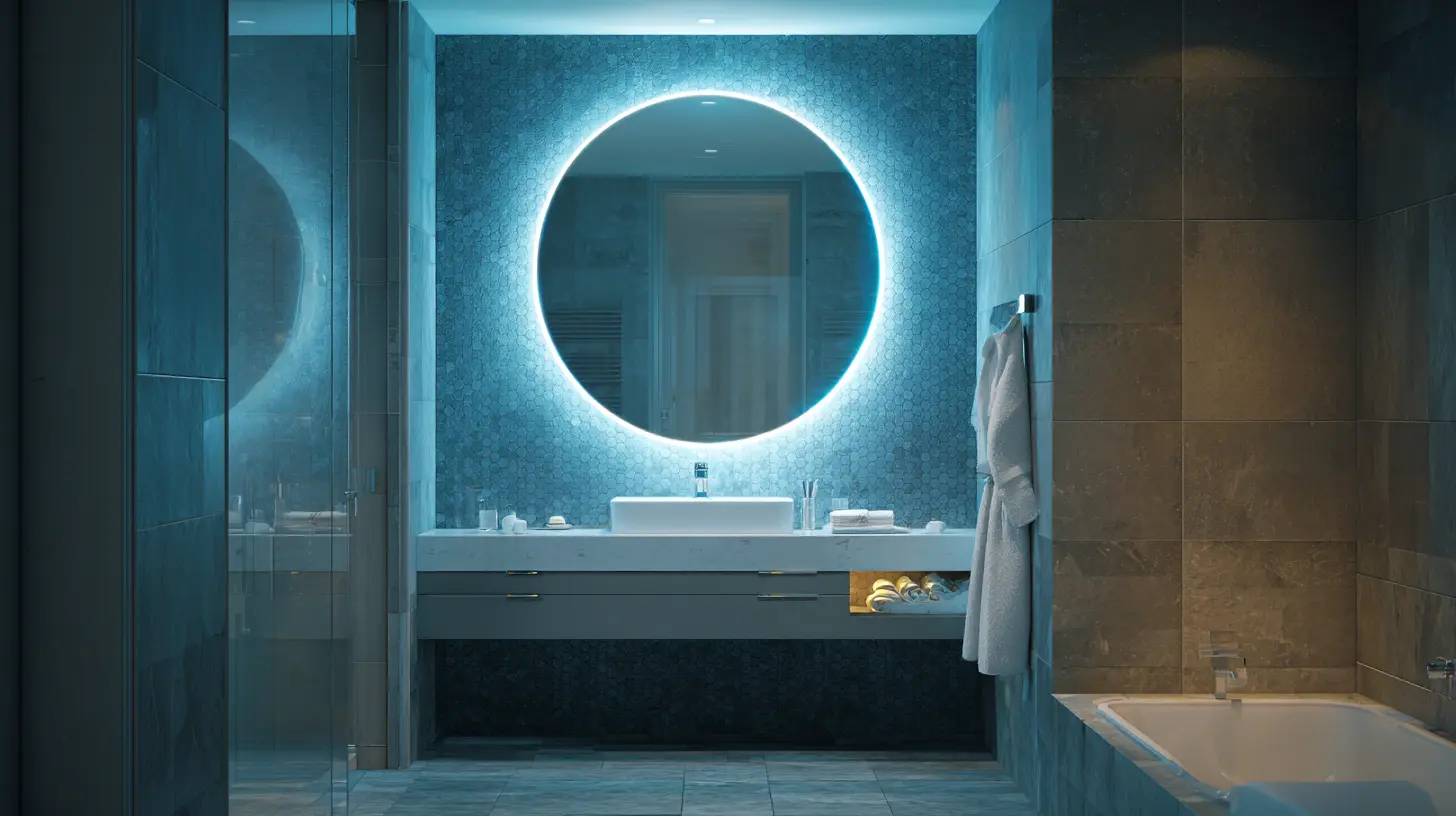
The Ultimate Lighting for Makeup and Shaving
Let's talk about something more down-to-earth: lighting. Anyone who has ever tried to apply makeup or shave in a bathroom with terrible lighting knows the pain. You think you look great, then you step into natural light and realize you missed a patch or your foundation is the wrong shade. Smart mirrors in 2027 solve this with adaptive lighting.These mirrors have rings of LED lights that automatically adjust to mimic different environments. You can set it to "Office Light" to see how you'll look under fluorescent bulbs. You can set it to "Sunlight" to check if your makeup works outdoors. You can even set it to "Date Night" for a warm, flattering glow. The brightness and color temperature adjust seamlessly.
But here's the real trick: the mirror uses your face detection to optimize the lighting for your specific skin tone. It doesn't just blast white light. It analyzes your skin's undertones and adjusts the LEDs to reduce shadows and highlight your features. For makeup enthusiasts, this is like having a professional lighting rig in your bathroom. For guys, it means no more razor burn because you missed a spot in bad light.
Integration with Your Entire Smart Home
The smart mirror in 2027 is not an island. It talks to everything else in your house. You can see your front door camera feed on the mirror while you brush your teeth. You can check if the kids are on the bus. You can see a notification that your grocery delivery has arrived. All without leaving the bathroom.It also plays nicely with your smart shower, toilet, and even your towel warmer. Imagine this: you finish your shower, and your mirror tells you the towel warmer is ready. You step out, and the mirror automatically switches to a humidity sensor, telling you to run the exhaust fan to prevent mold. It's all connected.
This level of integration is what makes it feel like a real upgrade, not just a gimmick. It turns your bathroom into a thinking space. It anticipates your needs. You never have to remember to turn on the fan or check the weather. The mirror does it for you.
The Aesthetic Factor: It Doesn't Look Like a Tablet
One of the biggest concerns people had with early smart mirrors was that they looked ugly. They were just a tablet with a reflective coating, and they stuck out like a sore thumb. Not anymore. In 2027, smart mirrors are designed to blend in. They look like normal, high-end mirrors. The screen is only visible when you're standing close to it. From across the room, it just looks like a clean, frameless mirror.They come in all shapes and sizes. Round, rectangular, backlit, with or without frames. You can get a mirror that matches your bathroom's decor perfectly. The bezels are thin, and the glass is edge-to-edge. When the screen is off, it's just a mirror. When it's on, the display is bright and clear without being distracting.
Manufacturers have also solved the fogging problem. In 2027, every decent smart mirror has an anti-fog coating and a built-in heating element. You step out of a hot shower, and the mirror stays crystal clear. No wiping, no waiting. It's a small detail, but it makes a huge difference in daily use.
Privacy and Security: The Elephant in the Bathroom
I know what you're thinking. A camera in my bathroom? That's a hard no for a lot of people. And you're right to be cautious. The 2027 smart mirror industry has had to address this head-on. The good news is that most manufacturers now include a physical shutter that covers the camera. You can slide it closed when you're not using the mirror's smart features.Also, as I mentioned earlier, data processing happens locally. The mirror doesn't need to send your face scan to the internet to recognize you. It stores a mathematical model of your face on the device itself. The same goes for health data. It never leaves the mirror unless you explicitly choose to share it with your doctor's app.
Voice commands are also handled with a local wake word. The mirror only listens when you say its name. And you can review and delete your voice history at any time. Is it perfectly secure? Nothing is. But for 2027, it's a reasonable trade-off for the convenience. You control the data, not the other way around.
The Price: Is It Worth It?
Let's be real: smart mirrors are not cheap. In 2027, you're looking at anywhere from $500 for a basic model with voice control and weather display, to $2,500 for a top-tier model with full health tracking, adaptive lighting, and home integration. That's a significant investment for a bathroom accessory.But think of it this way: you use your bathroom mirror twice a day, every day, for the next ten years. That's over 7,000 uses. If you spend $1,500, that's about 21 cents per use. For that 21 cents, you get a better morning routine, better health monitoring, and a more connected home. Compared to the cost of a dermatologist visit or a personal assistant, it starts to look reasonable.
Plus, these mirrors add value to your home. A smart bathroom is a selling point. Realtors are starting to list "smart mirror" as a feature, right alongside "granite countertops" and "stainless steel appliances." If you plan to sell your house in the next five years, it's an investment that pays off.
What's Coming Next? (Spoiler: It's Wild)
If 2027 is impressive, 2028 and beyond are going to be bonkers. I've seen prototypes of mirrors that can project augmented reality overlays. Imagine standing in front of your mirror and seeing a virtual overlay of your skeleton to check your posture. Or trying on different hairstyles and makeup looks in real-time, without any physical product.There are also experiments with mirrors that can analyze your urine or saliva for biomarkers. Yes, that sounds gross, but it could detect early signs of dehydration, infection, or even certain diseases. We're not there yet for consumer models, but the technology is in development.
For now, the 2027 smart mirror is a solid, useful product. It's not perfect. The voice assistant still occasionally mishears me. The health data is not a substitute for a real doctor. But it's a huge step forward from the dumb glass we've been using for centuries.
Final Thoughts: Should You Buy One?
If you are a tech enthusiast who loves gadgets and has a bit of disposable income, absolutely. It will change your morning routine for the better. If you are someone who struggles with skincare, health tracking, or just wants a more efficient bathroom, it's a worthwhile upgrade.If you are perfectly happy with your plain mirror and a phone, you can skip it. There's no shame in keeping things simple. But if you want to feel like you're living in the future, and you're okay with a camera in your bathroom (with a shutter), then go for it.
The smart mirror in 2027 is not a fad. It's the natural evolution of a surface we all use every day. It's the mirror finally getting smart enough to help us, not just reflect us. And honestly, after using one for a month, I can't imagine going back. My old mirror now feels like a black-and-white TV in a world of 4K. It's functional, but it's missing the whole picture.
So, next time you're brushing your teeth, look at your reflection. Then ask yourself: what if that mirror could do more? In 2027, it can.
all images in this post were generated using AI tools
Category:
Smart Home TechnologyAuthor:

Ugo Coleman
Discussion
rate this article
2 comments
Pandora Franklin
This article insightfully explores the future of smart mirrors, showcasing how they can enhance our daily routines in 2027.
July 24, 2026 at 12:38 PM
Ugo Coleman
I'm glad you found the article insightful! Smart mirrors really do have the potential to transform our daily routines in exciting ways.
Weston Shaffer
Mirrors that talk back? Count me in!
June 4, 2026 at 3:09 AM
Ugo Coleman
Glad you're excited! Smart mirrors are set to transform our routines in ways we can't even imagine yet. Stay tuned!