What to Expect from Home Automation in 2027
4 May 2026
Let's be honest: the smart home has felt like a promise that's been "almost there" for the last decade. We've had the lightbulbs that talk to the thermostat, the fridge that orders milk, and the voice assistant that occasionally misunderstands your request for a timer and instead plays polka music at full volume. But 2027? That's the year the rubber really meets the road. We're not talking about incremental updates anymore. We're talking about a fundamental shift in how your house thinks, reacts, and takes care of you.
So, what does that actually look like? Forget the sci-fi visions of robot butlers for a second. Let's get into the real, gritty, and genuinely useful stuff that will define home automation in just a couple of years.
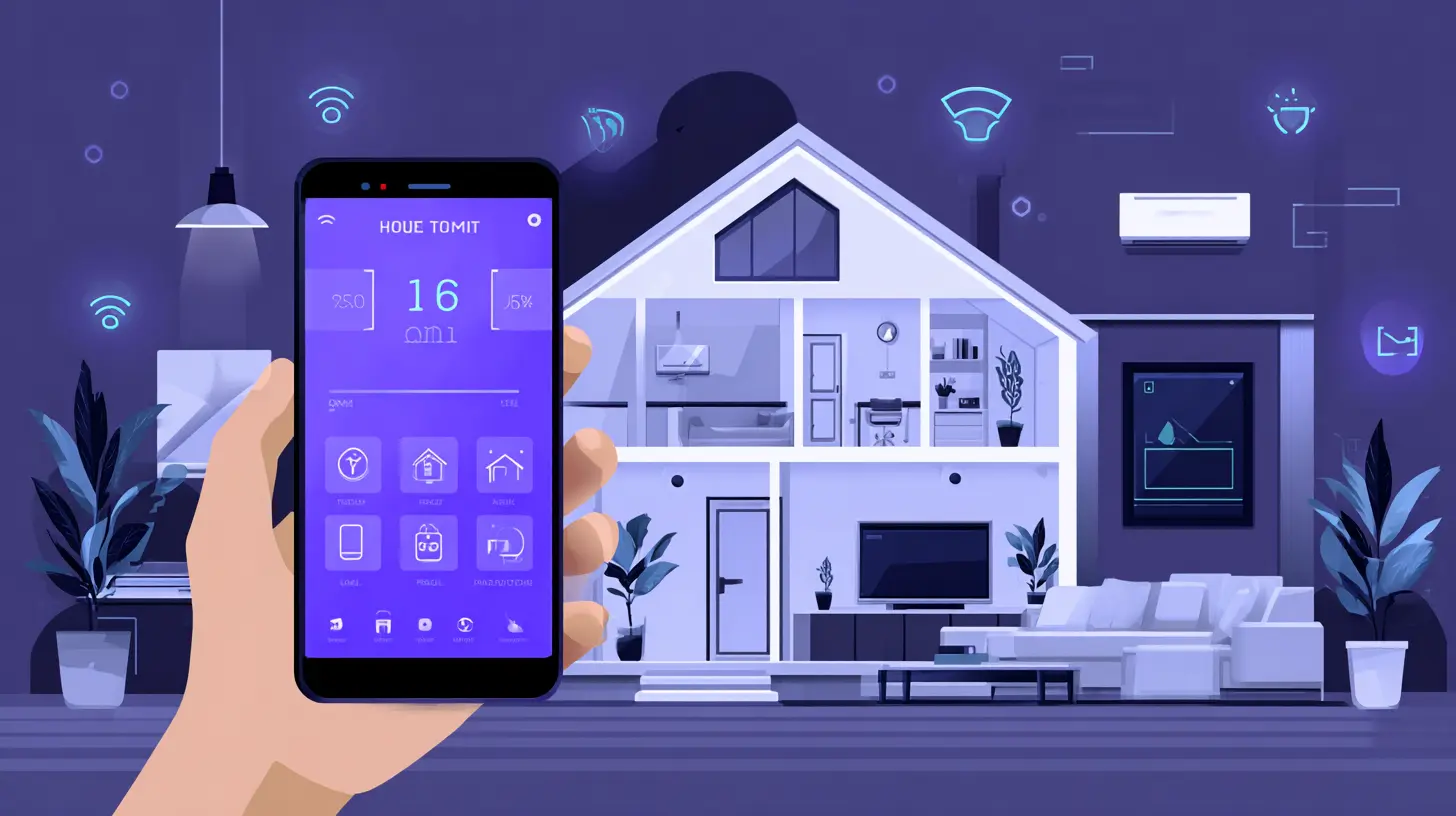
The Death of the "Hub" (And the Rise of Ambient Intelligence)
You know that plastic box sitting on your coffee table, blinking like a stressed-out firefly? The one you have to open an app for, troubleshoot when it disconnects, and explain to house guests why it's there? By 2027, that thing is largely a museum piece.The big shift is toward ambient intelligence. Instead of a central hub that you talk to, your home itself becomes the interface. Think of it like this: today, your smart home is like a remote control car. You have to pick up the controller (your phone or voice assistant), push a button, and watch it go. In 2027, your home is more like a self-driving car. You just get in and tell it where you want to be, and it handles the rest.
This means sensors, not speakers, become the star of the show. Motion detectors, pressure mats, light sensors, and even air quality monitors will talk to each other directly, using a new generation of standards like Matter. Why would you tell your lights to turn on when you walk into the kitchen? The floor sensor already knows you're there. The ambient light sensor knows it's getting dark. The thermostat knows you just got home from a run because your watch synced that data. So the lights come on at 60% brightness, the temperature drops two degrees, and your favorite podcast starts playing on the ceiling speakers, all before you've even put your keys down.
It's not magic. It's just your house finally shutting up and paying attention.
AI That Doesn't Need Your Help
The biggest headache with current smart homes is the setup. You have to create "routines" and "scenes." You have to tell the system, "If the front door opens after sunset, turn on the porch light." That's not automation. That's programming.In 2027, the AI in your home will learn from you, not the other way around. It's a subtle but massive difference. For the first few weeks, the system will watch you. It notices that every Saturday morning, you wake up, open the blinds in the living room, and start the coffee maker at 8:15 AM. It doesn't ask you to create a routine. It just starts doing it. And if you sleep in one Saturday? It waits. It learns your patterns, your exceptions, and even your mood.
Let's say you've had a rough day. The AI can detect that from your voice tone (if you speak to it) or your heart rate variability (from your wearable). It doesn't ask, "Would you like to listen to calming music?" Instead, it just dims the lights to a warmer hue, sets the diffuser to a lavender scent, and plays something quiet. It's like having a roommate who actually reads the room.
This is where the "burstiness" of the technology really shines. One day, your home might act like a hyper-efficient butler. The next, it might be a cozy companion. It adapts to the chaos of real life, not a rigid script.
The Kitchen Becomes a Personal Chef (and Nutritionist)
The kitchen is where most of us spend the most time, and 2027 is when it finally gets smart in a way that doesn't feel gimmicky. We're past the fridge that tells you your milk is expired. We're moving into the era of the proactive kitchen.Imagine this: your smart oven, fridge, and pantry are all connected. You toss a bag of groceries on the counter. The system scans the barcodes or uses computer vision to identify the items. It knows you have chicken, broccoli, and some leftover rice. It also knows you have a deadline tomorrow and you're stressed. So it suggests a 20-minute sheet pan dinner recipe. You tap "Cook," and the oven preheats to the exact temperature needed. The kitchen exhaust fan turns on automatically. A timer appears on the smart display, and it adjusts based on the thickness of the chicken, which it measured using a built-in camera.
But it goes deeper. By 2027, your home could be synced with your health data. If your smart scale or continuous glucose monitor shows you need less sugar, the kitchen AI will automatically suggest recipes that fit your macros. It's not nagging you. It's just quietly steering you toward better choices. It's like having a personal chef who also went to medical school, but without the awkward small talk.
Energy Management That Pays You Back
Let's get real about one thing: energy prices are going to keep fluctuating. In 2027, your home won't just be a consumer of energy. It will be a tiny power trader.Your solar panels, battery storage, and even your electric vehicle will work together as a single system. The AI will watch the grid prices in real time. When rates are low (like in the middle of a windy night), it will charge your car and your home battery. When rates spike in the late afternoon, it will draw power from the battery and even sell excess energy back to the grid, if your local utility allows it.
Your HVAC system will also become incredibly smart. Instead of just heating or cooling to a set temperature, it will use weather forecasts and occupancy data to pre-condition your home. It knows a heat wave is coming at 3 PM, so it cools the house down to 72 degrees at 1 PM, then lets it drift up to 76 during the peak. You never feel uncomfortable, and you save 20% on your bill. It's like having a stock trader for your electricity, working 24/7 so you don't have to think about it.
The best part? You won't have to manage any of this. The system just does it. You'll get a monthly summary that says, "You saved $47 this month by shifting your energy use," and that's the only interaction you'll have.
Security That Actually Respects Your Privacy
Security cameras are a double-edged sword. They make you feel safe, but they also create a massive privacy risk. In 2027, the smart home will finally solve this tension through on-device processing.Right now, most cameras send your video to the cloud for analysis. That's why you get a notification that says "Person detected" after a 10-second delay. In 2027, all the AI processing happens on the camera itself. The video never leaves your house. The camera knows the difference between a delivery driver, a neighbor, and a stranger, and it can even recognize your specific family members. It will say, "Sarah is at the front door," without ever uploading a single frame to the internet.
This also means no more false alarms from swaying trees or passing cars. The AI is smart enough to ignore the mundane. And if a break-in does happen, the system can lock down the house, flash the lights to disorient the intruder, and call the police, all while recording locally. Your home becomes a fortress, but one that respects your digital footprint.
The Garage and the Car Become One
Your car is already a computer on wheels. By 2027, it will be a full member of your smart home ecosystem. Your garage door opener will be a thing of the past. As you approach your house, your car's GPS will signal to the garage door, which opens automatically. The lights in the mudroom turn on. The thermostat adjusts to "home" mode.If you have an electric vehicle, it becomes a giant battery for your house. During a power outage, your car can power your entire home for days. And when you plug it in at night, the system negotiates the best charging rate with the grid. It's not just a car. It's a mobile power plant that you park in your living space.
The Soundtrack of Your Life
Audio is one of those things that's easy to overlook but hugely impactful. In 2027, your home's audio system will be truly spatial and adaptive. Forget having to pick a playlist. The system will know your mood and context.Are you cooking? It plays upbeat music in the kitchen, but barely audible in the bedroom. Are you reading? It shifts to ambient noise in the living room. Are you having a dinner party? The music follows the conversation, lowering when someone starts talking and raising back up during a lull. It's not just background noise. It's an invisible conductor for your daily life.
This works because the audio system is no longer a set of speakers. It's a mesh of tiny, invisible transmitters embedded in the walls, ceilings, and even furniture. The sound feels like it's coming from the air around you, not a single point. It's the difference between listening to a band in a concert hall versus having the band play in your living room.
The Maintenance That Prevents Problems
The most annoying thing about home ownership is the surprise repair bill. The water heater dies on a Sunday. The HVAC system gives up in the middle of a heatwave. In 2027, your home will predict these failures before they happen.Sensors on your water heater will monitor vibration and temperature patterns. If it detects a slight change that suggests a buildup of sediment or a failing element, it will send you a notification: "Your water heater is showing early signs of inefficiency. Schedule maintenance within 30 days to avoid a failure." It might even book the service appointment for you and order the replacement part.
Your plumbing will have flow sensors that can detect a slow leak behind a wall, long before it becomes a mold problem. Your roof will have sensors that detect moisture intrusion. Your home will essentially perform a self-diagnosis every night, just like your car does. The goal is to move from reactive maintenance to proactive care. You'll spend less time fixing things and more time living in them.
What Won't Change (And Why That's Okay)
For all the hype, some things will stay stubbornly human. You'll still have to take out the trash. You'll still have to clean the toilets. You'll still argue with your partner about the thermostat setting (though the AI might mediate by finding a compromise temperature). The technology is here to reduce friction, not eliminate the texture of daily life.And that's a good thing. The best smart home of 2027 won't feel like a gadget. It will feel like a well-trained assistant who knows when to step in and when to stay silent. It won't demand your attention. It will earn your trust by being reliable, private, and genuinely helpful.
So, are you ready for it? The future isn't about more screens or more buttons. It's about a house that finally listens, learns, and acts on your behalf. And in 2027, it's going to be a lot more common than you think.
all images in this post were generated using AI tools
Category:
Smart Home TechnologyAuthor:

Ugo Coleman
Discussion
rate this article
2 comments
Zephyros Castillo
Home automation in 2027 will focus on enhanced interoperability, smarter AI integration, and increased user privacy. Expect seamless control across devices, more intuitive interfaces, and greater energy efficiency. The future of smart homes promises to be user-friendly and more connected than ever.
July 23, 2026 at 3:31 AM
Ugo Coleman
Thanks for sharing your thoughts! I agree, the future of home automation looks promising with smart AI and better privacy. Exciting times ahead!
Charlotte Mitchell
Home automation is evolving rapidly. By 2027, I expect smarter integration and enhanced security, but I hope we prioritize user privacy and not just convenience in our smart homes.
May 12, 2026 at 4:17 AM
Ugo Coleman
You make a great point. Balancing convenience with privacy will be crucial as home automation advances. Let's hope the industry listens.