Why Hardware is Making a Comeback in the Tech World
7 November 2026
In recent years, there has been a noticeable shift in the technology landscape, with hardware making a significant return to the forefront of the industry. Once overshadowed by the rapid advancements in software, cloud computing, and mobile technologies, hardware is reclaiming its importance in various sectors. This article delves into the reasons behind this resurgence, highlights key trends, and analyzes the implications for businesses and consumers alike.
The Rise of Edge Computing
Understanding Edge Computing
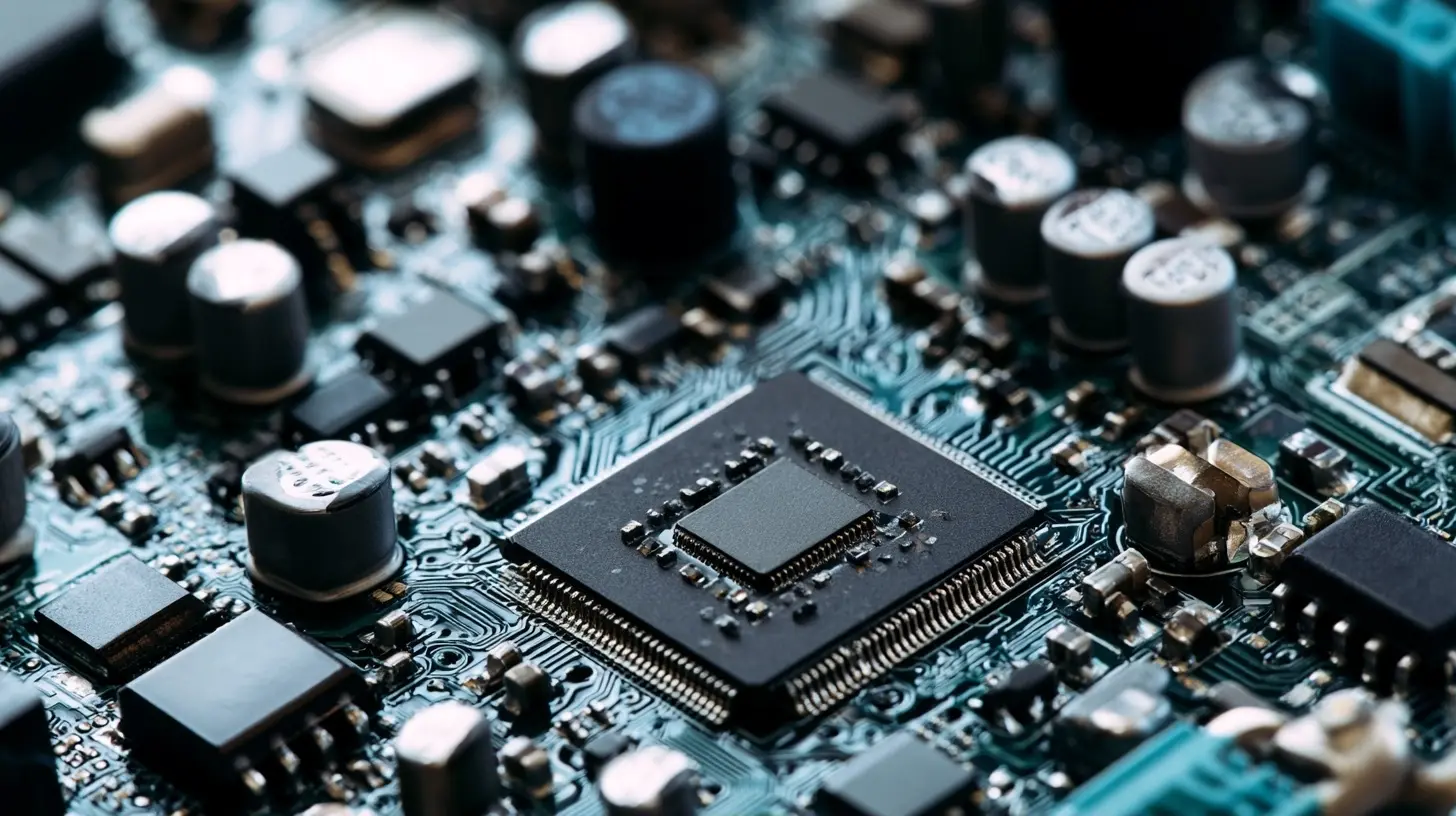
Edge computing refers to processing data near the source instead of relying on a centralized data center. This approach reduces latency, enhances speed, and improves the overall user experience. As the Internet of Things (IoT) continues to proliferate, the need for edge computing has become more apparent.Why It Matters
With billions of devices generating data, sending all that information to the cloud for processing is not always feasible. For instance, in autonomous vehicles, split-second decisions must be made based on real-time data. If this data were sent to a distant server, the delays could be catastrophic. Thus, hardware that can process data locally is becoming critical.Practical Implications
The growth of edge computing necessitates new hardware solutions, such as edge servers and specialized processors. Organizations must consider investing in these technologies to remain competitive. For example, companies in the manufacturing sector are increasingly deploying edge devices to monitor equipment and predict maintenance needs, thus reducing downtime and operational costs.
The Resurgence of Custom Hardware
Tailored Solutions for Specific Needs
As businesses recognize that off-the-shelf solutions may not fully meet their needs, custom hardware is gaining traction. This trend allows organizations to design and implement solutions that specifically address their unique challenges.Examples of Custom Hardware
In the gaming industry, companies are developing proprietary consoles that deliver superior performance compared to generic hardware. Similarly, in the healthcare sector, customized medical devices are being created to gather patient data more effectively. These tailored solutions not only improve performance but also enhance user satisfaction.Trade-offs to Consider
While custom hardware can provide significant benefits, organizations must weigh the potential downsides, such as higher initial costs and longer development times. It's essential to conduct a thorough analysis of potential ROI before embarking on custom hardware projects.
The Importance of Sustainability
A Shift Toward Eco-Friendly Hardware
As environmental concerns become more pressing, the tech industry is increasingly focused on sustainability. Hardware manufacturers are responding by designing products that are energy-efficient and made from recyclable materials.Real-World Examples
Companies like Apple have committed to using recycled materials in their products and have set ambitious goals to reduce their carbon footprint. Similarly, some startups are creating biodegradable hardware components. These initiatives not only appeal to environmentally conscious consumers but also comply with evolving regulations.Balancing Performance and Sustainability
Organizations must navigate the trade-off between performance and sustainability. For instance, energy-efficient designs may require compromises in processing power or speed. Businesses should assess their priorities and consider the long-term benefits of investing in sustainable hardware.
The Growth of AI and Machine Learning Hardware
Specialized Hardware for AI Applications
As artificial intelligence and machine learning become integral to numerous applications, the demand for specialized hardware is growing. Graphics Processing Units (GPUs), Tensor Processing Units (TPUs), and Field Programmable Gate Arrays (FPGAs) are now essential components for handling complex algorithms and large datasets.Industry Implications
Industries such as healthcare, finance, and retail are leveraging AI to enhance decision-making processes. For example, in healthcare, AI-powered diagnostic tools rely on high-performance hardware to analyze medical images with precision. The hardware used in these applications directly impacts the effectiveness and reliability of AI systems.Considerations for Implementation
Organizations looking to implement AI solutions must consider their hardware needs carefully. It's crucial to evaluate whether existing infrastructure can support new technologies or if investments in specialized hardware are necessary. This assessment should also include an analysis of scalability and future needs.The Role of Hardware in Cybersecurity
Hardware-Based Security Solutions
With cyber threats on the rise, hardware is playing a pivotal role in enhancing cybersecurity. Hardware security modules (HSMs), secure elements, and trusted platform modules (TPMs) are becoming standard components in safeguarding sensitive data.Real-World Application
For example, financial institutions are increasingly using HSMs to secure transactions and protect customer information. These dedicated hardware solutions offer a higher level of security compared to software-only approaches, making them indispensable in today's threat landscape.Challenges and Considerations
While hardware can improve security, it's not a panacea. Organizations must balance the costs of implementing robust hardware security measures with potential vulnerabilities in the software. Regular assessments and updates are necessary to ensure that both hardware and software components are aligned in the fight against cyber threats.
The Resurgence of Personal Computing
A Return to Desktops and Laptops
In a world dominated by mobile devices, there is a surprising resurgence in the popularity of personal computers. With remote work becoming the norm, many individuals are opting for powerful desktops and laptops that offer better performance and usability compared to tablets and smartphones.Factors Driving this Trend
High-performance hardware is increasingly accessible, allowing users to engage in resource-intensive tasks such as video editing, 3D rendering, and gaming. The availability of affordable, powerful components is enticing users to invest in personal computing setups.Considerations for Personal Purchases
When buying a new computer, consumers should consider their specific needs. For example, gamers may prioritize high-end GPUs, while professionals in creative fields may require more RAM and faster processors. Understanding one's requirements can lead to more informed purchasing decisions.The Impact of 5G Technology
Enabling Next-Generation Connectivity
The rollout of 5G technology is revolutionizing connectivity, making it possible to connect more devices with faster speeds and lower latency. This development dramatically enhances the capabilities of hardware used in various applications.Opportunities for Innovation
Industries are taking advantage of 5G to innovate. For instance, in smart cities, the integration of 5G with IoT devices allows for real-time monitoring and data collection, leading to improved resource management and enhanced public services.Evaluating Hardware Needs
Businesses must assess their hardware strategies in light of 5G advancements. As more devices become connected, the demand for robust hardware solutions that can handle increased data traffic will grow. Organizations should consider how 5G can enhance their operations and plan their hardware investments accordingly.
Conclusion
The resurgence of hardware in the tech world is a multifaceted trend driven by several factors, including the rise of edge computing, the demand for custom solutions, sustainability efforts, advancements in AI, the importance of cybersecurity, the return of personal computing, and the impact of 5G technology. Understanding these trends allows businesses and consumers to make informed decisions about their hardware investments.As we navigate this evolving landscape, it is essential to remain flexible and open to new possibilities. The right hardware can empower organizations to capitalize on emerging opportunities and enhance their operational efficiency. By prioritizing thoughtful investments in hardware, businesses can position themselves for success in a rapidly changing world.
all images in this post were generated using AI tools
Category:
Tech IndustryAuthor:

Ugo Coleman