The Challenges and Innovations in Space Trash Management
2 July 2026
Space — it’s the thrilling frontier of our age! But while we’re dreaming of moon bases and Mars colonies, there’s a growing, very real problem above our heads — space trash. Also known as space debris, it’s the unwanted leftovers of our ventures into orbit. And believe it or not, this junk threatens not only future missions but the future of space exploration itself.
Let’s dig into what’s floating up there, why it’s such a problem, and how scientists, agencies, and even startups are working on some wild – and surprisingly clever – solutions.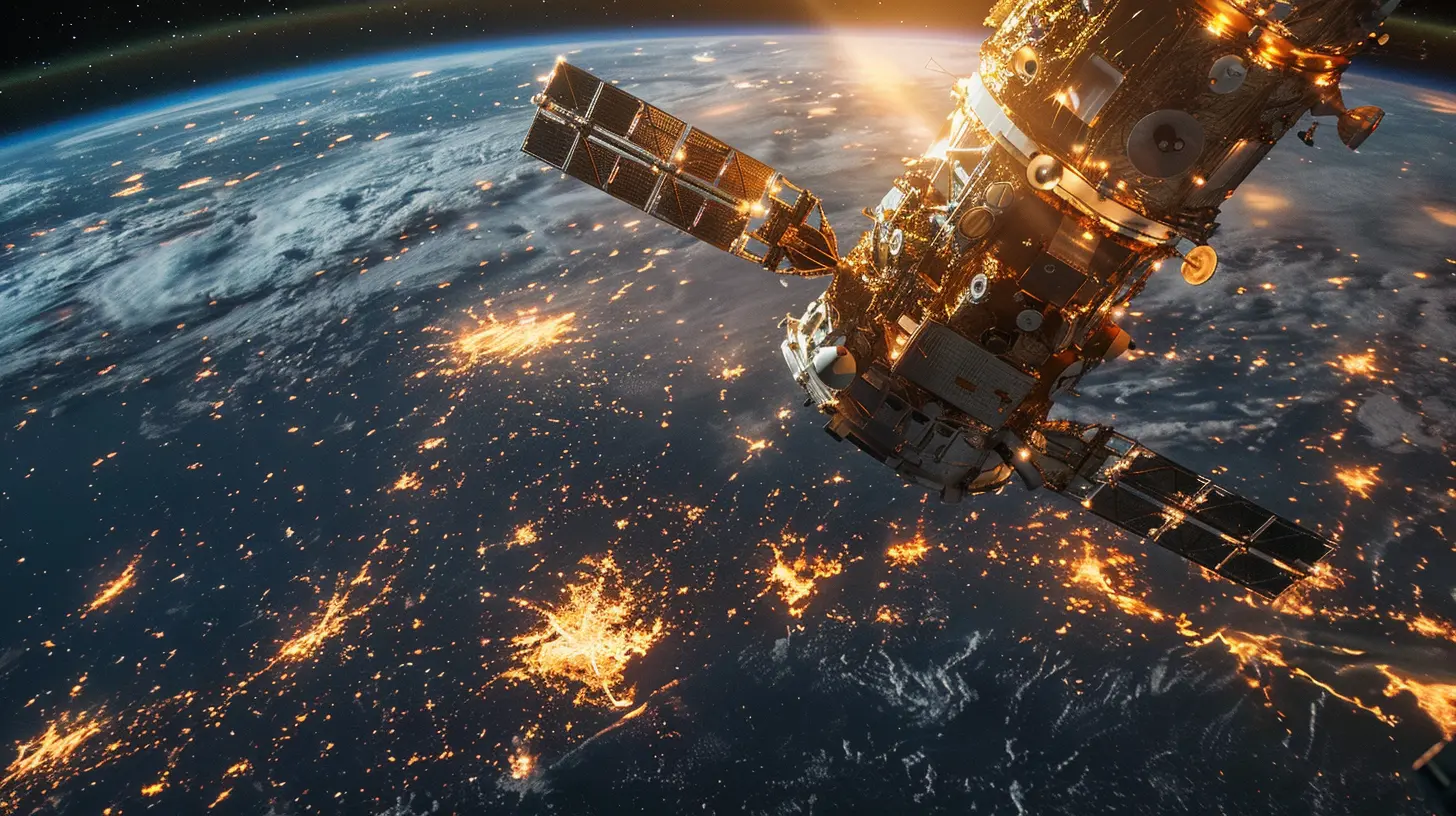
What Is Space Trash Anyway?
Think of it like this — imagine if every time you opened a bag of chips, you just threw the wrapper into your backyard… for 60 years. That’s kind of what we've been doing in space.Space trash includes:
- Defunct satellites
- Discarded rocket stages
- Tiny fragments from collisions
- Even tools that astronauts accidentally let go (looking at you, 2008 spacewalk wrench)
We’re talking about thousands of tons of stuff, moving at speeds up to 17,500 mph. At that speed, even a paint fleck can cause damage.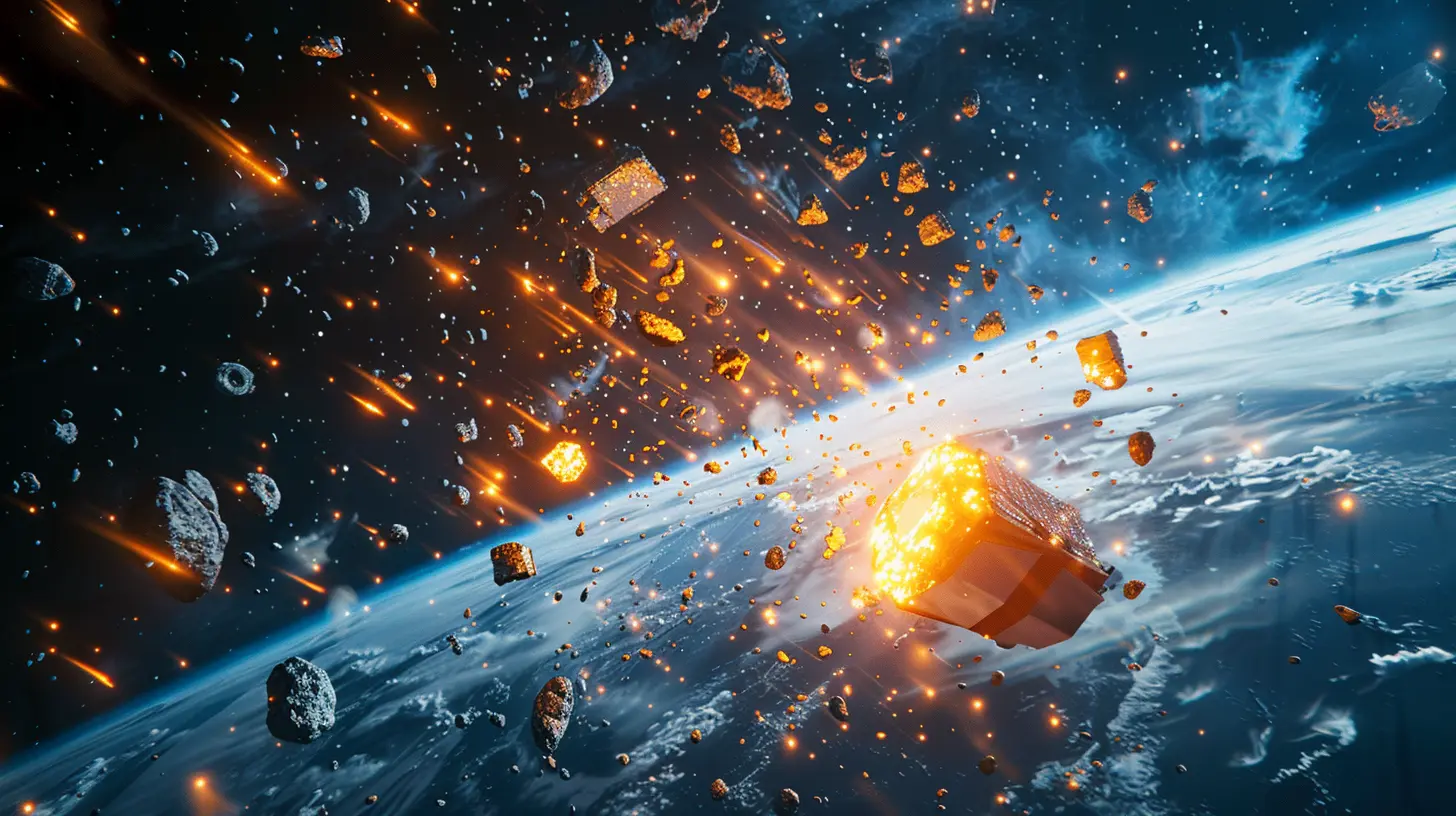
Why Should We Care?
Now, you might be thinking, "Space is huge, so what’s the big deal?" Fair point. But most space junk doesn’t hang out in deep space — it clusters around low Earth orbit (LEO), where most satellites, including communication and GPS satellites, reside.Here’s why that’s a big deal:
- Collisions are increasing: Each bit of debris can collide with another, creating even more fragments — a domino effect known as the Kessler Syndrome. Basically, one crash can lead to a chain reaction that clogs up orbit for decades.
- Threat to ISS and satellites: Crews aboard the International Space Station regularly adjust their orbit to dodge debris.
- Future missions are at risk: The more junk up there, the harder it becomes to safely launch and operate new missions.
Honestly, it’s like trying to drive on a freeway covered in broken glass and car parts — not ideal.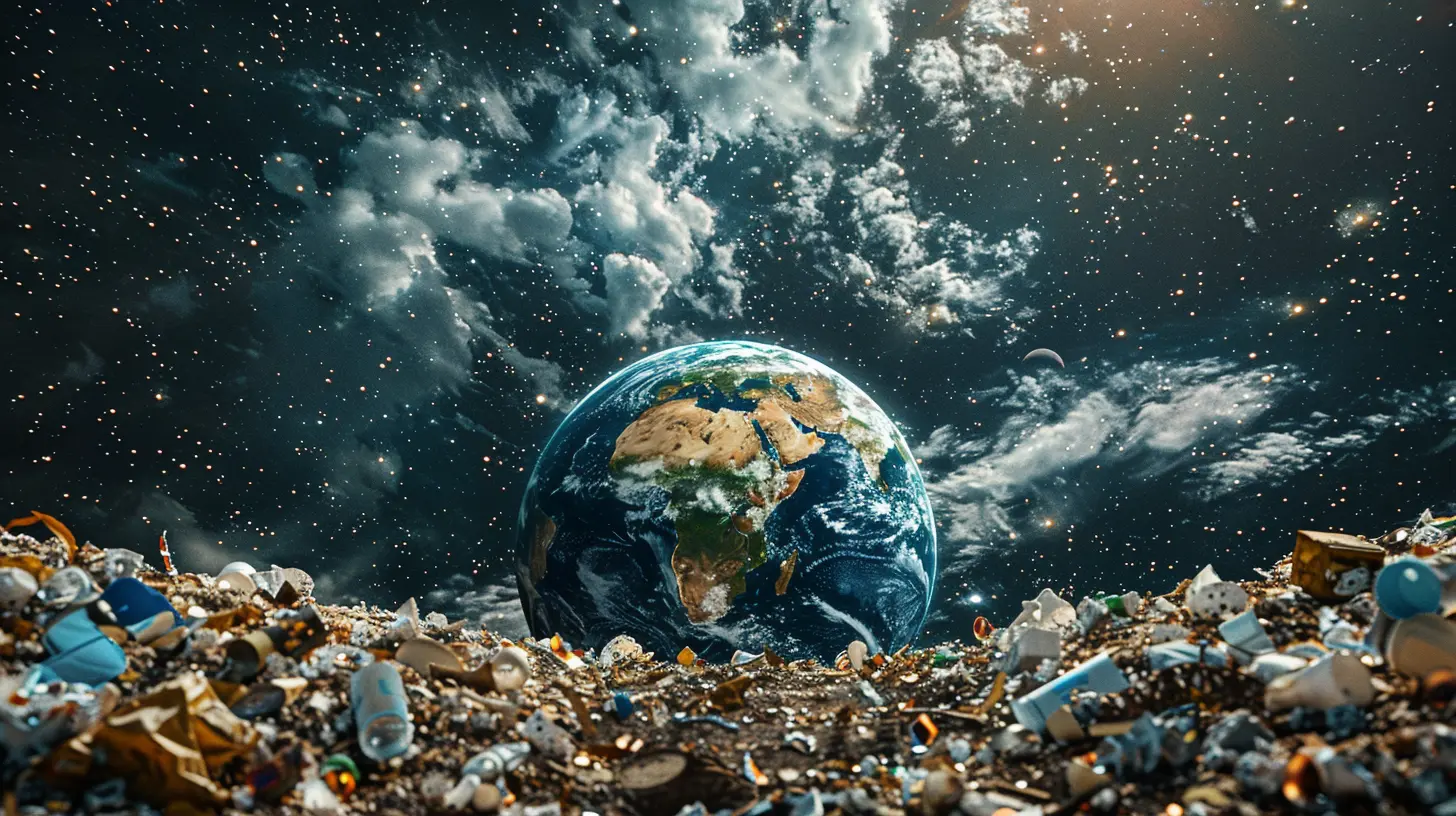
Tracking the Trash: How Do We Even Know What’s Up There?
Before we can clean up space, we have to track what’s already floating around. Agencies like NASA, ESA (European Space Agency), and private companies track over 30,000 pieces of space debris larger than a softball. But here’s the kicker — there could be millions of smaller bits too small to detect but still dangerous.Using big ol’ radar dishes and advanced optical telescopes, experts monitor the skies day and night. They map out trajectories, estimate risk zones, and send warnings if something gets a little too close for comfort.
Still… it’s reactive, not proactive. That brings us to the real challenge — moving from just tracking junk to actually taking out the trash.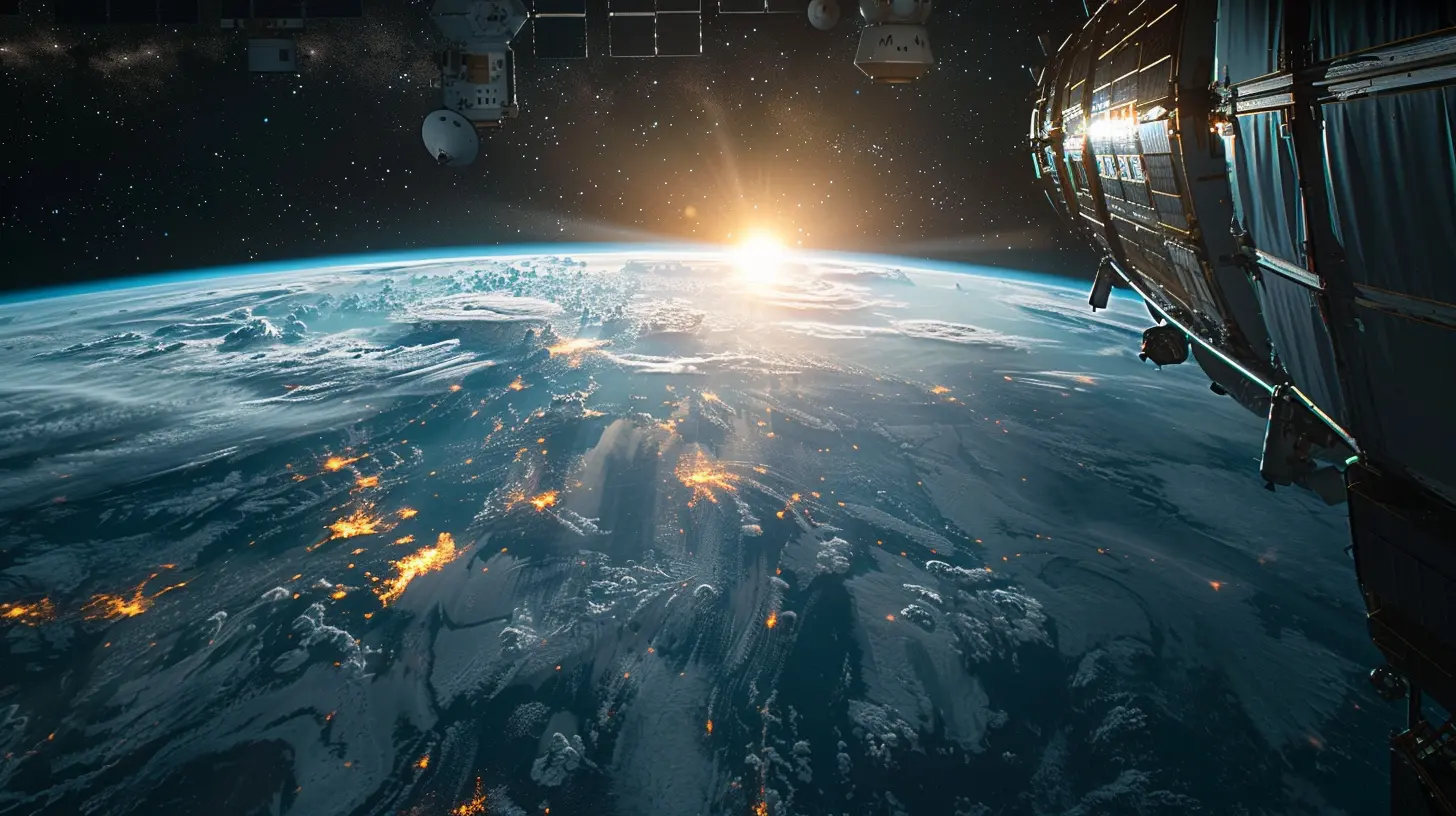
The Challenges in Cleaning Up Space Trash
If only cleaning up Earth was as hard as cleaning up space, right? Space debris removal is like trying to vacuum glitter in zero gravity.Here are some of the hurdles we face:
1. Physics Isn’t On Our Side
Objects in orbit aren’t just hanging there — they're zipping around the planet at blistering speeds. You can’t just fly a net up there and collect them like butterflies. Approaching them without causing more debris is incredibly tricky.2. Who Owns the Trash?
Believe it or not, most space junk is still technically owned by the country or company that launched it. So snatching it without permission could be seen as trespassing — or worse, an act of aggression. International law adds a few more layers of red tape. It’s not just science; it's diplomacy.3. Cost and Resources
Launching missions is expensive. Just getting to orbit costs millions. So launching cleanup crews? That’s a big ask. And there’s no "return on investment" unless companies or countries agree it’s worth funding.The Innovations Giving Us Hope
Okay, time for the exciting part. The silver lining. The cool stuff. While all of these challenges seem daunting, humanity is doing what it does best — innovating like crazy.Here are some game-changing ideas and projects in motion:
1. Lasers – No, Really
Several teams are working on laser systems that could either:- Push small debris out of orbit using photon pressure (like a light version of a leaf blower), or
- Vaporize bits of trash altogether
One example is ESA’s project to use ground-based lasers that gently nudge debris to burn up in Earth's atmosphere. Think of it like giving space trash a little shove toward the cosmic garbage chute.
2. Harpoons and Nets
No joke — there are test missions that have tried harpooning junk or catching it in giant nets.- RemoveDEBRIS, a collaborative European mission, tested net capture tech in 2018 and it worked! It successfully snagged a dummy satellite.
- Harpoons work like hunting tools from sci-fi. You fire them at defunct spacecraft and reel them in for disposal or controlled deorbit.
3. Magnetic Tugboats
Some satellites, especially recent ones, are being designed with magnetic docking systems. That means future "space tow trucks" could magnetically grab onto them and drag them down safely. It’s like the AAA of outer space.4. Self-Destruct Features on Satellites
New satellites are getting smart. Many now come with deorbiting tech — like expanding sails that increase drag so they drop into the atmosphere faster. Others are pre-programmed to burn up after their mission.NASA, SpaceX, and OneWeb are all integrating these features in their massive satellite fleets to prevent future clutter.
5. AI and Predictive Analytics
Artificial intelligence is also stepping into the ring. Machine learning can help predict potential collisions, chart more efficient cleanup paths, and even schedule satellite maneuvers to avoid debris. It's like having a cosmic traffic controller on steroids.Startups and Private Players Stepping Up
Where governments take time, the private sector often leaps. A bunch of space-tech startups are now entering the cleanup game, and they’re thinking fast and lean.Companies like:
- Astroscale – With demonstration missions to remove satellites using magnets.
- ClearSpace – Contracted by ESA to remove a single large piece of space debris by 2026.
- LeoLabs – Offers high-resolution debris tracking and risk forecasts using its own radar network.
This is a promising sign because if there's one thing capitalism does well, it's solving problems for a profit.
Space Junk Isn’t Just a Tech Problem — It’s a Human One
Let’s zoom out for a second.The issue of space trash isn’t just about broken satellites or cool gadgets. It’s a reflection of how we treat frontiers — be it oceans, forests, or now, space. We push the boundaries, often before thinking through the consequences. But here’s the upside: we also know how to adapt.
Space junk reminds us that exploration carries responsibility. The real innovation isn’t just in lasers or nets — it’s in our mindset shift. From seeing space as a wild west to viewing it as shared territory that needs stewardship, not just exploration.
What Can We Do Down Here on Earth?
While most of us won’t be grabbing space nets anytime soon, we do have a voice.- Support responsible companies and missions that take sustainability seriously.
- Stay informed and spread awareness about space environmental issues.
- Encourage lawmakers and international bodies to invest in space waste solutions.
Because no matter how far humanity travels, we're always connected. And keeping the space highway clear? That’s going to take teamwork.
Wrapping It Up
The challenges and innovations in space trash management are as complex as they are fascinating. We’ve made a bit of a mess up there, but we’re also coming up with some next-level solutions that could shape the future of space travel.Just like Earth needed environmental movements to clean up our rivers and air, space needs a new kind of activism — one that mixes tech, policy, and public will.
So the next time you look up at the stars, remember: there’s a whole invisible battlefield up there, and we're in the early days of fighting for its future. And honestly? We're making progress. One net, laser, and magnetic tugboat at a time.
all images in this post were generated using AI tools
Category:
Space TechnologyAuthor:

Ugo Coleman
Discussion
rate this article
1 comments
Dylan McVeigh
Great read! Space trash is a pressing issue, and it's fascinating to see how innovations are being developed to tackle it. I love the creativity behind these solutions. It's exciting to think about a cleaner orbit for future missions. Looking forward to more advancements in this field!
July 11, 2026 at 12:47 PM
Ugo Coleman
Thank you! I'm glad you found it interesting. The creativity in addressing space trash is indeed inspiring, and I share your excitement for future innovations. Stay tuned for more updates!