AI-guided labs are approaching full autonomy
May 8, 2026 - 23:31
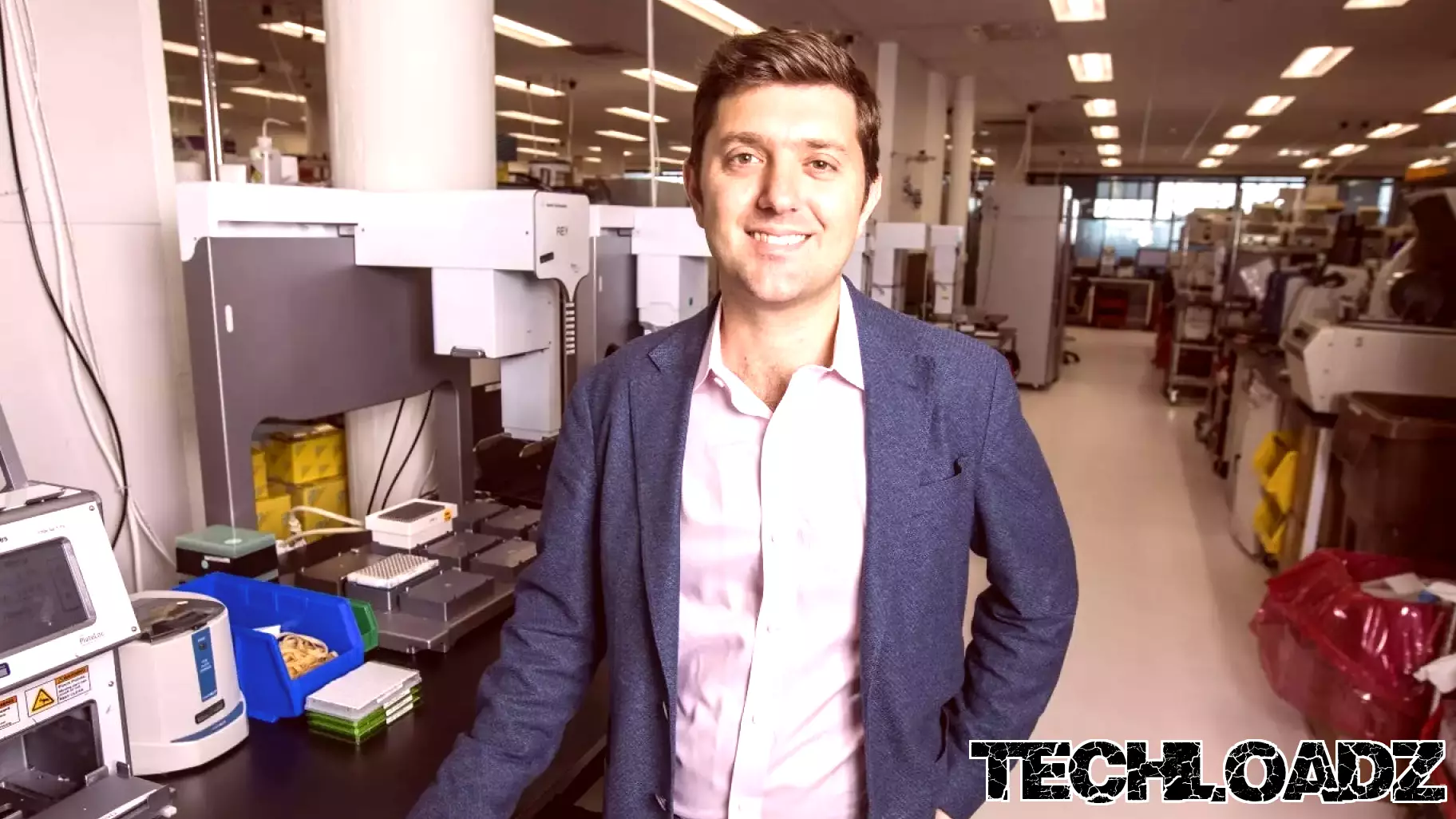
The vision of self-driving laboratories is becoming a reality, as artificial intelligence systems now guide experiments with growing autonomy. These AI-powered labs are no longer just assisting scientists but are beginning to operate independently, often producing results that exceed those achieved by human researchers.
Recent developments show that machine learning algorithms can now design experiments, execute them using robotic equipment, and interpret the data without constant human oversight. In fields like materials science and drug discovery, these systems have demonstrated the ability to work around the clock, testing thousands of combinations far faster than a human team could manage. The key breakthrough lies in the AI's capacity to learn from each result and adjust the next step in real time, effectively closing the loop between hypothesis and validation.
Researchers report that in some controlled tests, the autonomous labs have discovered new chemical compounds and optimized material properties more efficiently than traditional methods. The machines do not suffer from fatigue, bias, or the need to pause for rest. However, experts caution that full autonomy still requires human guidance for setting broad goals and validating unexpected findings. The current generation of AI-guided labs excels at repetitive, high-volume tasks but struggles with truly novel problems that require creative leaps.
Despite these limits, the trend is clear. As the underlying AI models improve, the gap between human-led and machine-led research continues to shrink. The next few years will likely see these systems take on even more complex challenges, potentially reshaping how scientific discovery is done.
MORE NEWS

September 21, 2026 - 04:15
When Technology Stops Feeling Like a Tool and Starts Feeling Like Something ElseThere is a moment, quiet and easy to miss, when a device stops being an object you pick up and becomes something you relate to. A phone no longer sits on the table as plastic and glass. It waits....

September 20, 2026 - 23:05
Experts Say AI Could Surpass Human Intelligence Sooner Than ExpectedThe concept of the AI singularity, a hypothetical point where artificial intelligence exceeds human cognitive abilities and triggers runaway technological growth, is gaining renewed attention from...

September 20, 2026 - 03:44
Trump Plans New AI Force and Policy CzarThe president stated this week that his administration intends to establish a dedicated artificial intelligence force and appoint a special advisor to oversee the sector. The move arrives at a...

September 19, 2026 - 11:18
Report Links Palantir AI Tools to Deadly Strike on Iranian SchoolA new report suggests that U.S. war planners placed excessive trust in artificial intelligence systems that were not reliable enough for the task, contributing to a strike that hit an Iranian...