From Concept to Reality: The Evolution of AR in Product Design
10 March 2026
Augmented Reality (AR) has been on quite the journey—from sci-fi dreams to an absolute game-changer in industries worldwide. Product design, in particular, has seen AR go from a "wouldn't that be cool?" idea to an essential tool that’s saving time, cutting costs, and allowing designers to bring concepts to life like never before.
So, how did we get here? Buckle up, because we're diving deep into the evolution of AR in product design—and trust me, the ride is nothing short of fascinating. 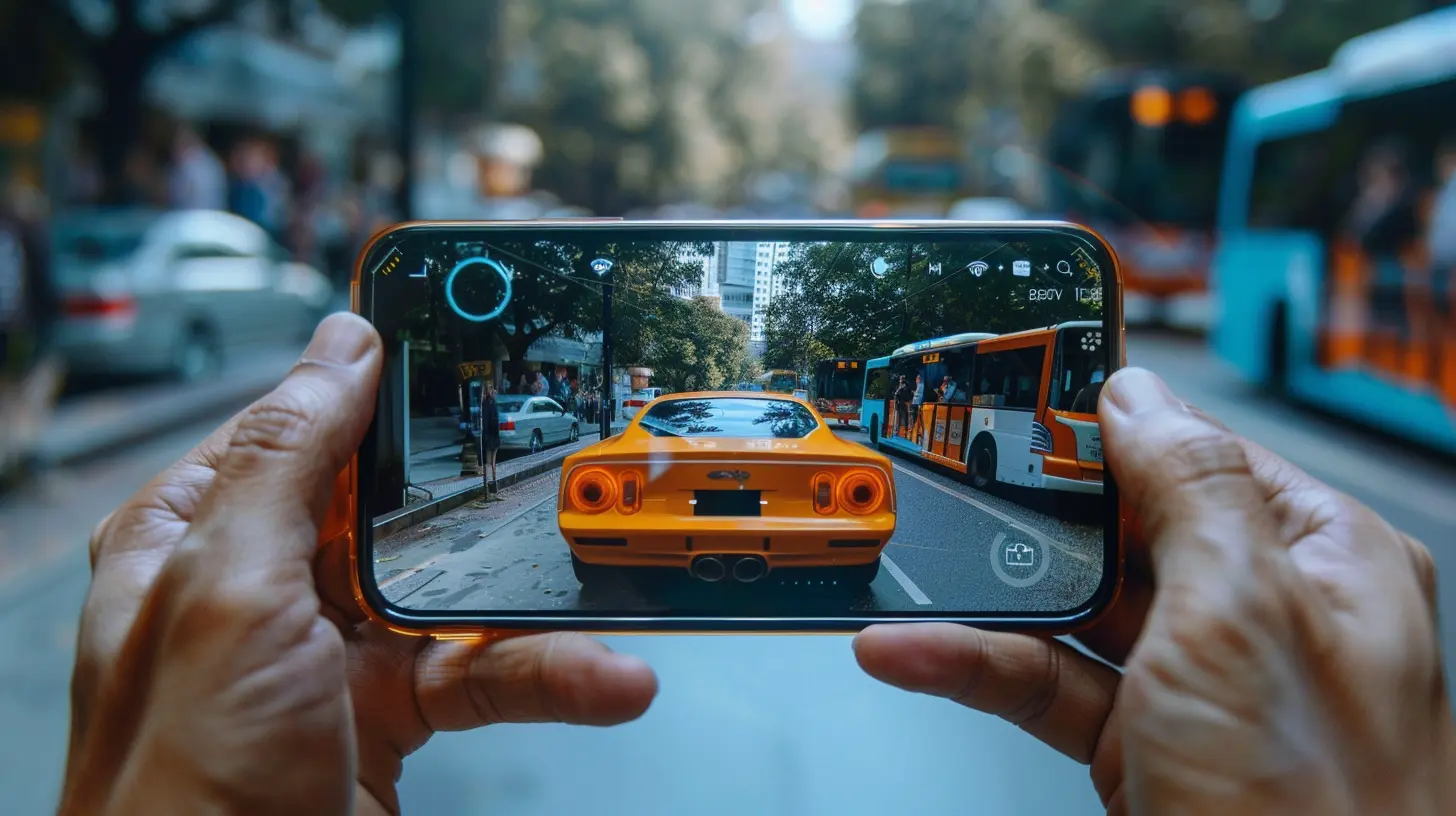
A Quick Throwback: The Early Days of AR
Before AR started revolutionizing industries, it was mostly stuck in the realm of sci-fi movies and military applications. The term "Augmented Reality" was first coined in 1990 by Tom Caudell, a Boeing researcher who used AR to assist in assembling aircraft wiring.Back then, AR was clunky—think bulky headsets, overwhelming costs, and tech that was nowhere near consumer-friendly. The idea was promising, but making it accessible? That was a challenge for another day.
Fast forward to the early 2000s, and AR started creeping into consumer tech, with smartphone cameras and GPS-based applications dipping their toes into the immersive experience. But it's only in the last decade that we’ve seen AR become a major force in product design. 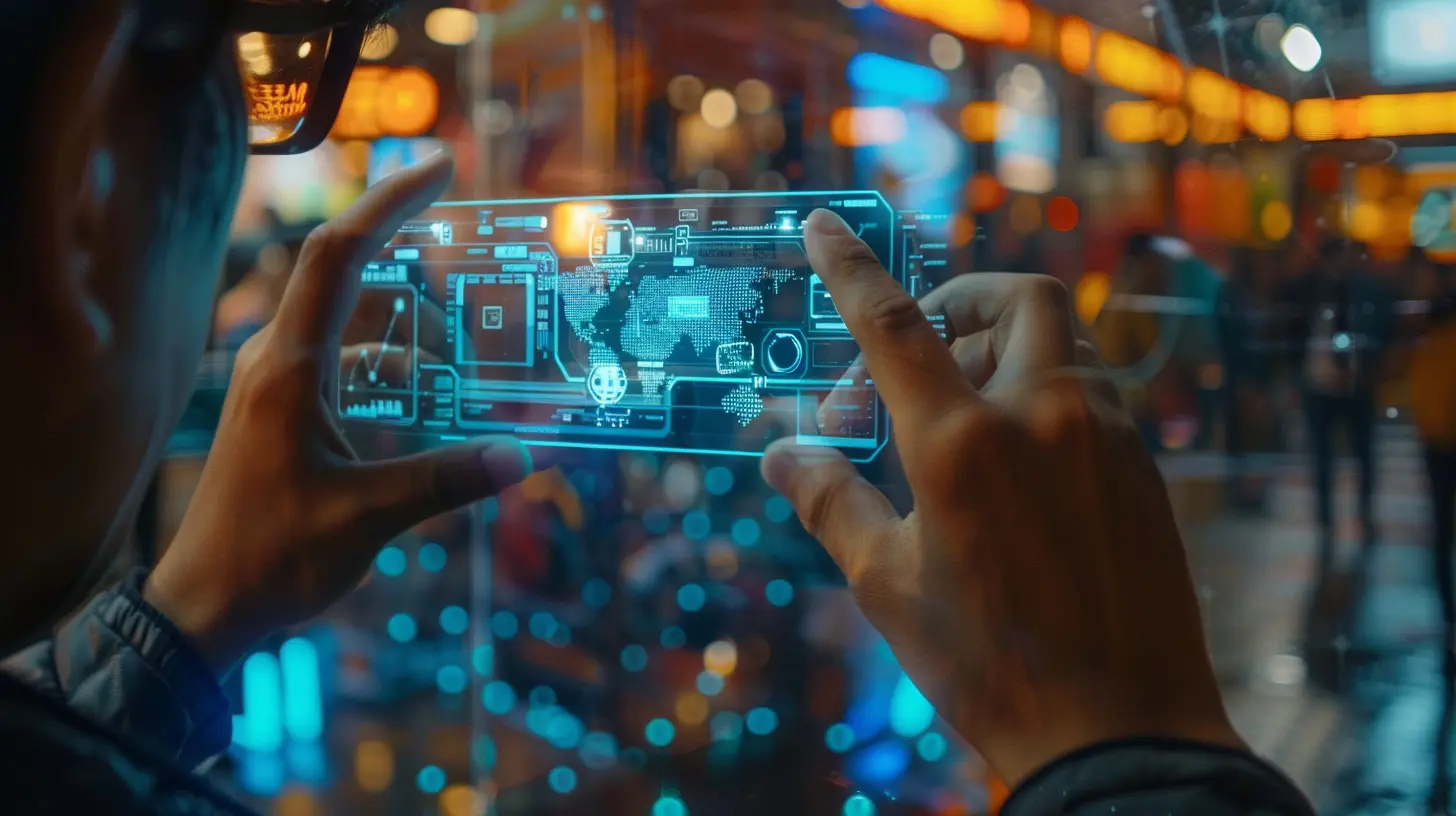
How AR Went from Gimmick to Game-Changer in Product Design
1. Bridging the Gap Between Concept and Reality
Every product starts as a sketch—sometimes even a napkin doodle. But what if you could take that sketch and turn it into a life-sized, 3D hologram before even touching a prototype? That’s exactly what AR allows designers to do.By overlaying designs onto real-world environments, AR helps teams visualize product dimensions, aesthetics, and functionality in real time. This means fewer errors, better collaboration, and far less waste in the design process.
2. Rapid Prototyping Without the Physical Hassle
Traditionally, prototyping meant multiple 3D-printed versions or handcrafted mockups (often ending in a pile of rejected models). With AR, designers can create digital prototypes and test variations instantly without wasting materials or time.Plus, interactive AR models allow teams to tweak designs on the fly. Found a flaw? No problem—adjust it in the digital space before committing to a costly physical prototype.
3. Enhanced Collaboration in a Remote World
Gone are the days when product design meant sitting in the same room with a whiteboard and a marker. With AR-powered collaboration tools, designers, engineers, and stakeholders can interact with 3D models from anywhere in the world.Want to walk around a concept model with a colleague in another country? Just fire up an AR headset or mobile app, and boom—you're in the same virtual space, talking through every detail as if you’re right there.
4. Streamlining User Testing and Feedback
One of the trickiest parts of product design? Figuring out how users will interact with it before it's even built.AR solves this by allowing designers to place virtual prototypes in the hands (or spaces) of test users. Need to see how a new kitchen gadget fits into a user’s home? Or how a piece of furniture feels in a real environment? With AR, collecting real-world feedback has never been easier. 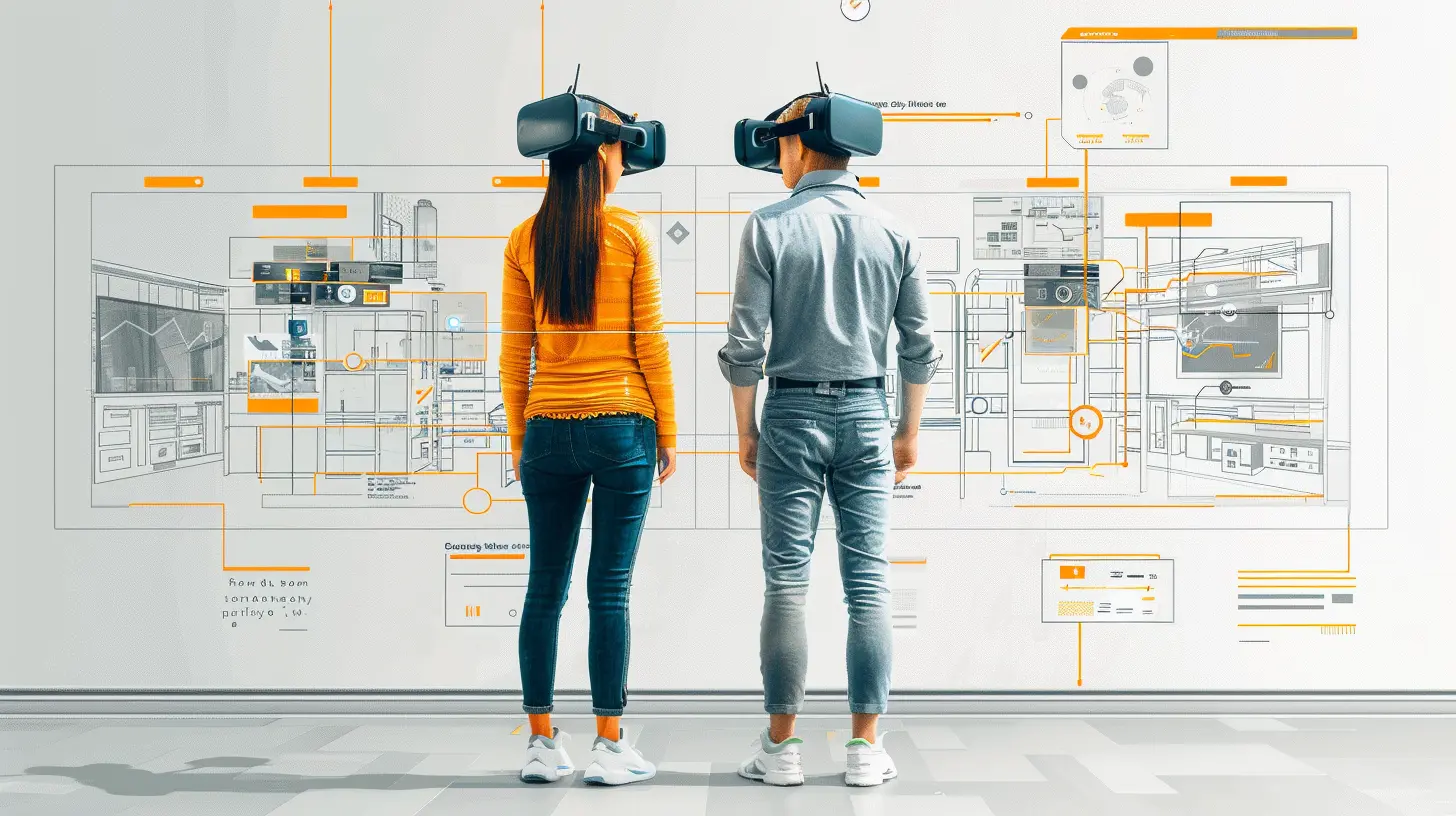
Revolutionizing Industries One Design at a Time
AR’s influence isn't limited to one sector—it’s shaking up industries across the board.Automotive Design
Car manufacturers like Ford and BMW are using AR to refine vehicle designs before a single part is manufactured. Engineers and designers can inspect every angle of a virtual model, making adjustments instantly.Fashion and Wearable Tech
Brands like Nike and Adidas are leveraging AR to visualize sneaker designs and even let customers see products "on" their feet before buying. No more guessing if those shoes will match your outfit!Furniture and Interior Design
IKEA and Wayfair are letting customers place furniture in their homes using AR apps. But behind the scenes, designers are using the same tech to perfect their creations before production.Medical Device Development
In the healthcare field, AR is playing a crucial role in developing medical devices and surgical tools with precision. From testing ergonomics to visualizing complex mechanisms, designers can refine their innovations with unprecedented accuracy.
The Role of AI in AR Product Design
You can’t talk about the future of AR in product design without mentioning AI. The two technologies are merging in ways that are making the design process even smarter.- AI-driven AR prototypes can analyze potential flaws and suggest improvements automatically.
- Machine learning algorithms can personalize product interactions based on user behavior.
- AR-powered automation is reducing the time from concept to viable product significantly.
In short, AI and AR are becoming the ultimate dream team for designers, making the process faster, smarter, and more efficient.
Challenges and Roadblocks in AR Product Design
Of course, no great innovation comes without its hurdles. AR in product design still faces a few challenges:1. High Implementation Costs
Not every company can afford cutting-edge AR hardware and software—yet. But as tech advances, prices are gradually dropping, making AR more accessible.2. Learning Curve and Adoption Resistance
Traditional designers are used to working with physical prototypes, and adapting to AR-based workflows takes time. However, as younger, tech-savvy designers enter the industry, this gap is closing fast.3. Hardware Limitations
While AR has come a long way, we're still waiting for sleeker, more comfortable wearables. Nobody wants to wear a bulky headset for hours just to tweak a design!The Future of AR in Product Design
So, where is AR in product design headed? Spoiler alert: It’s only going to get crazier (in a good way).1. Hyper-Realistic AR Experiences
Advancements in AR rendering are making digital models look indistinguishable from real objects. Soon, holographic prototypes will be as detailed as physical ones.2. Gesture-Based Design Interactions
Imagine sculpting a product concept in AR using just hand gestures—kind of like Tony Stark designing Iron Man's suit. We’re getting closer to that reality!3. AR and 3D Printing Integration
Currently, AR helps in the virtual design stage, but in the future, AR-guided 3D printers could fabricate physical objects with extreme precision.4. Real-Time Market Testing
Brands could launch AR product previews, letting customers interact with digital models before mass production. Think of it as virtual product testing on steroids.Final Thoughts
The evolution of AR in product design is nothing short of mind-blowing. What started as a futuristic concept has now become an indispensable tool, helping designers turn ideas into tangible products faster, smarter, and with far less risk.As AR continues to evolve, we might just reach a point where traditional product design methods feel like ancient history. One thing’s for sure—designers who embrace AR today are the ones shaping the future of innovation.
So, next time you see a sleek new product, remember: there's a good chance AR played a big role in bringing it to life!
all images in this post were generated using AI tools
Category:
Augmented RealityAuthor:

Ugo Coleman
Discussion
rate this article
2 comments
Flint McVicker
Ah yes, AR in product design—because who wouldn’t want a virtual toaster that burns your toast in 3D? Truly groundbreaking stuff, folks!
March 13, 2026 at 12:43 PM
Ugo Coleman
I appreciate your humor! While AR may seem whimsical, it’s transforming product design by enhancing visualization and user interaction in meaningful ways.
Taylor Perez
This article effectively highlights AR's transformative role in product design, showcasing both challenges and innovations.
March 10, 2026 at 1:57 PM
Ugo Coleman
Thank you for your feedback! I'm glad you found the article insightful in showcasing AR's impact on product design.