How Wearables Will Support Remote Productivity in 2026
19 April 2026
Let’s be honest, the dream of remote work has sometimes felt like a messy reality. Sure, we traded soul-crushing commutes for comfy pants, but we also inherited digital fatigue, blurred boundaries, and a nagging sense that we’re either "always on" or struggling to focus. The tools that promised liberation—slack pings, video call grids, endless notifications—often became the chains of distraction.
But what if the next wave of workplace tech isn’t another screen to stare at? What if it’s something you wear? By 2026, the wearables on our wrists, in our ears, and even on our faces will evolve from simple fitness trackers and notification buzzers into sophisticated, AI-powered productivity engines. They won’t just tell us we’re stressed; they’ll actively help us manage our cognitive load, deepen our focus, and connect with colleagues in profoundly human ways, even across continents.
This isn't about turning humans into optimized robots. It’s about using technology to augment our innate human capabilities, to clear away the digital clutter, and to finally make remote work work for our minds and bodies. Let’s dive into the future on your wrist and in your ears.
From Passive Tracking to Proactive Assistance: The AI Shift
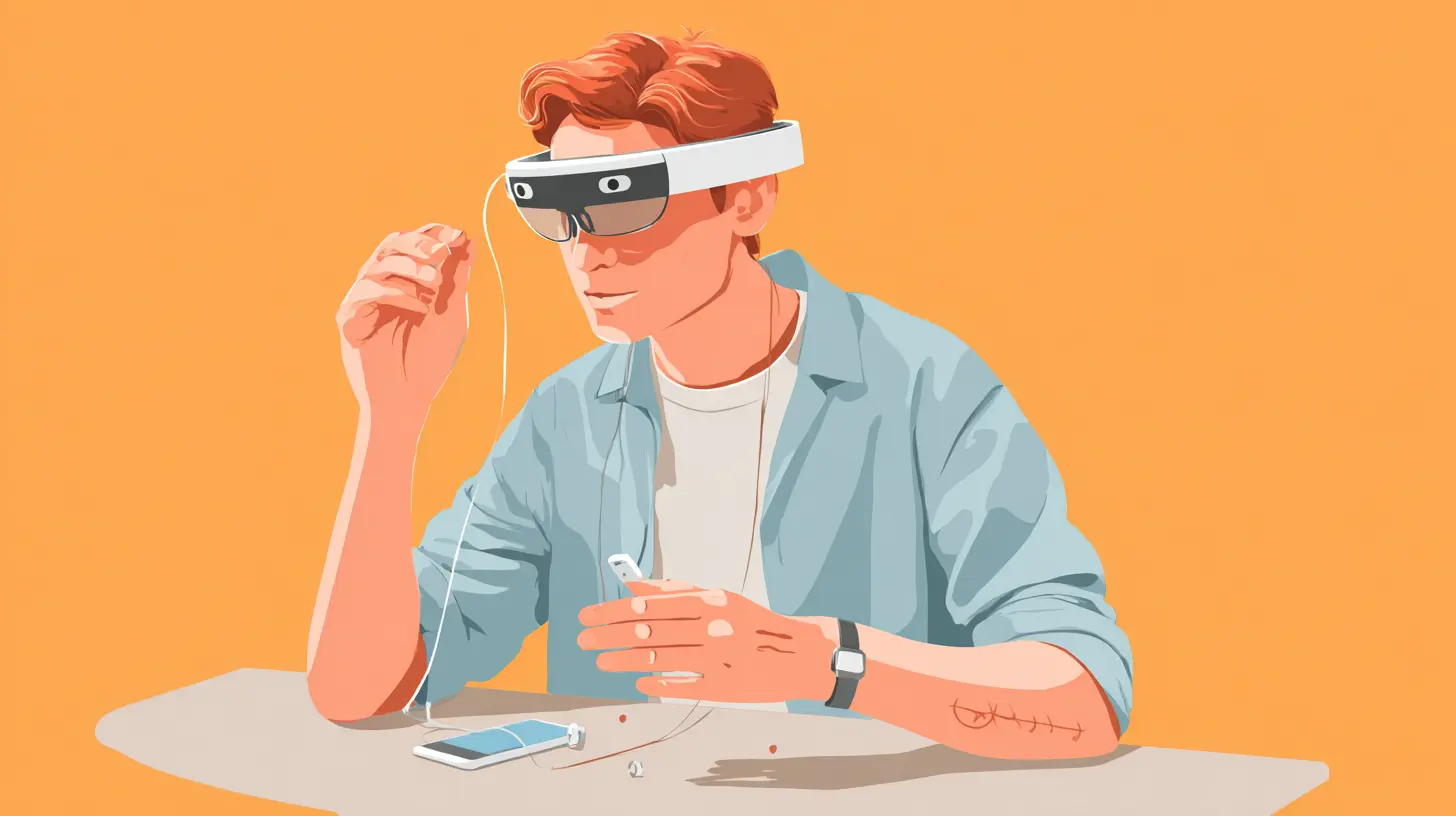
Today’s wearables are largely historians. They’re brilliant at recording what already happened: your sleep score, your heart rate variability, your step count. They give you a data postcard from yesterday. By 2026, powered by on-device and edge AI, they will become prescient advisors and real-time facilitators.Imagine your smart ring sensing a subtle, sustained increase in your skin temperature and heart rate—classic signs of rising stress during a complex task. Instead of just logging it for your evening review, it gently cues your noise-cancelling earbuds to seamlessly shift their soundscape from focus music to calming, binaural beats. It might then send a silent, prioritized alert to your team’s project management platform, adding an "in deep focus" status next to your name, automatically muting non-critical notifications for a predetermined period. The device isn’t just observing; it’s orchestrating your environment to support your state of mind.
This AI layer will learn your personal productivity rhythms. It will know you’re sharpest for analytical work between 10 AM and 12 PM, and that you often hit a creative wall after lunch. It might suggest the ideal type of break—a 10-minute walk versus a guided breathing exercise—based on what your biometrics indicate you need most. This transforms the wearable from a tool you check into an intelligent partner you experience.
The End of "Camera-On" Fatigue: Redefining Presence
The most draining artifact of our remote era might be the "obligatory video on" meeting. It forces performative engagement, causes cognitive overload from processing countless facial cues, and frankly, makes us all anxious about our messy bookshelves. Wearables offer a path to a richer, less exhausting form of presence.Spatial Audio & Voice Intelligence: Advanced earbuds and glasses will utilize spatial audio to place voices in a virtual soundscape. Instead of a flat grid of talking heads, the voice of your project lead could sound like it’s coming from your left, a colleague from your right, mimicking the natural flow of a round-table discussion. This subtle cue dramatically improves comprehension and reduces the mental effort to track who’s speaking.
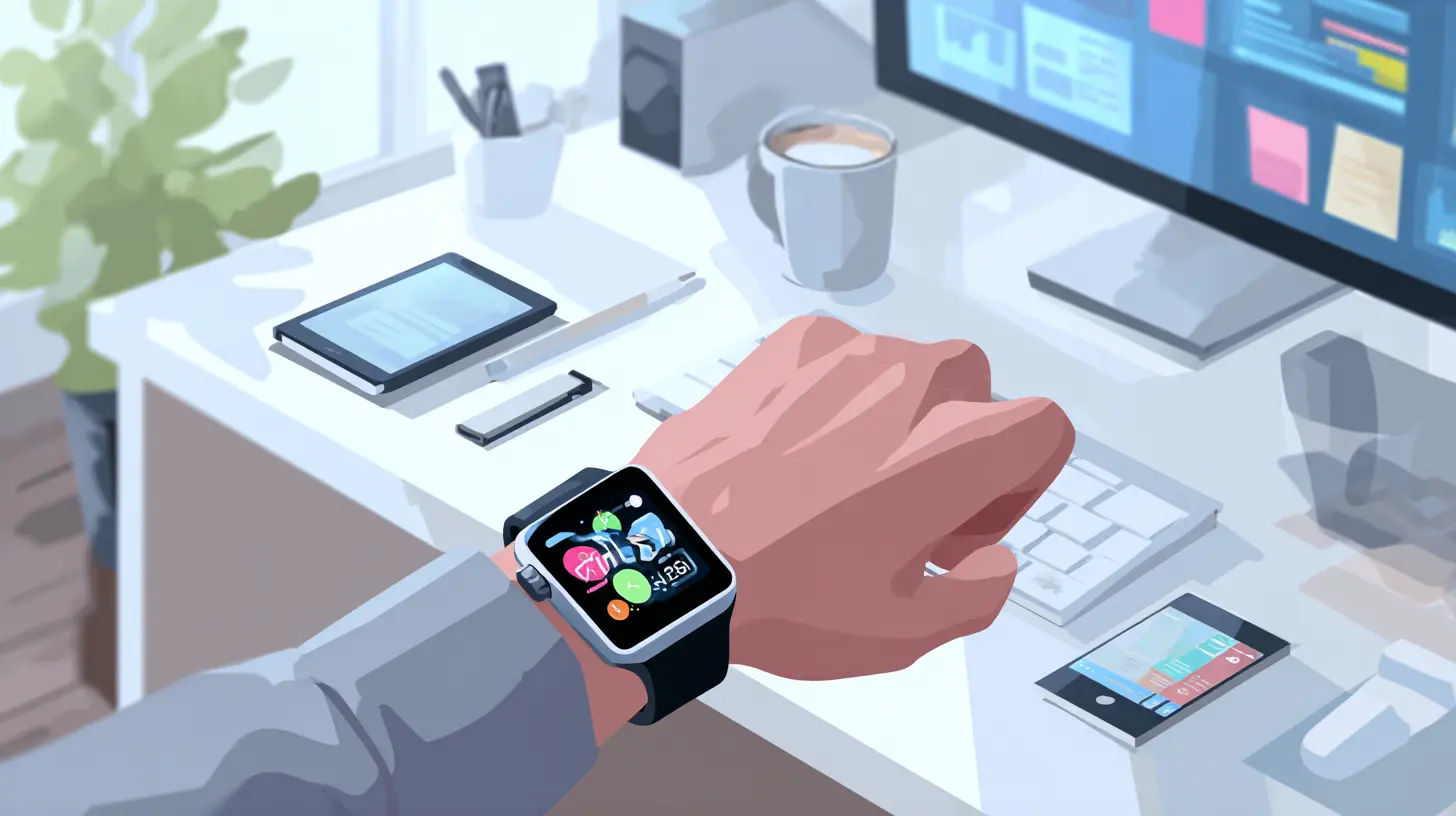
Furthermore, voice AI will move beyond simple transcription. It will provide real-time, contextual assistance. Whisper, "Summarize the last two minutes of John’s point," to your earbud, and get a concise readout on your smartwatch. Ask, "What’s the action item Sarah just agreed to?" and have it parsed and added to a shared list. The meeting becomes an interactive transcript, freeing you to engage in the conversation rather than frantic note-taking.
Biometric Authenticity & Focus Metrics: What if you could signal genuine engagement without a camera? Future wearables might share selective, anonymized biometric data—with your explicit, revocable consent. A team dashboard could show aggregate "focus energy" or "positive stress" levels during a brainstorming session, giving a facilitator real-time feedback on the group’s engagement far more valuable than seeing who’s staring blankly at their screen. It shifts the metric from appearing to be present to actually being cognitively present.
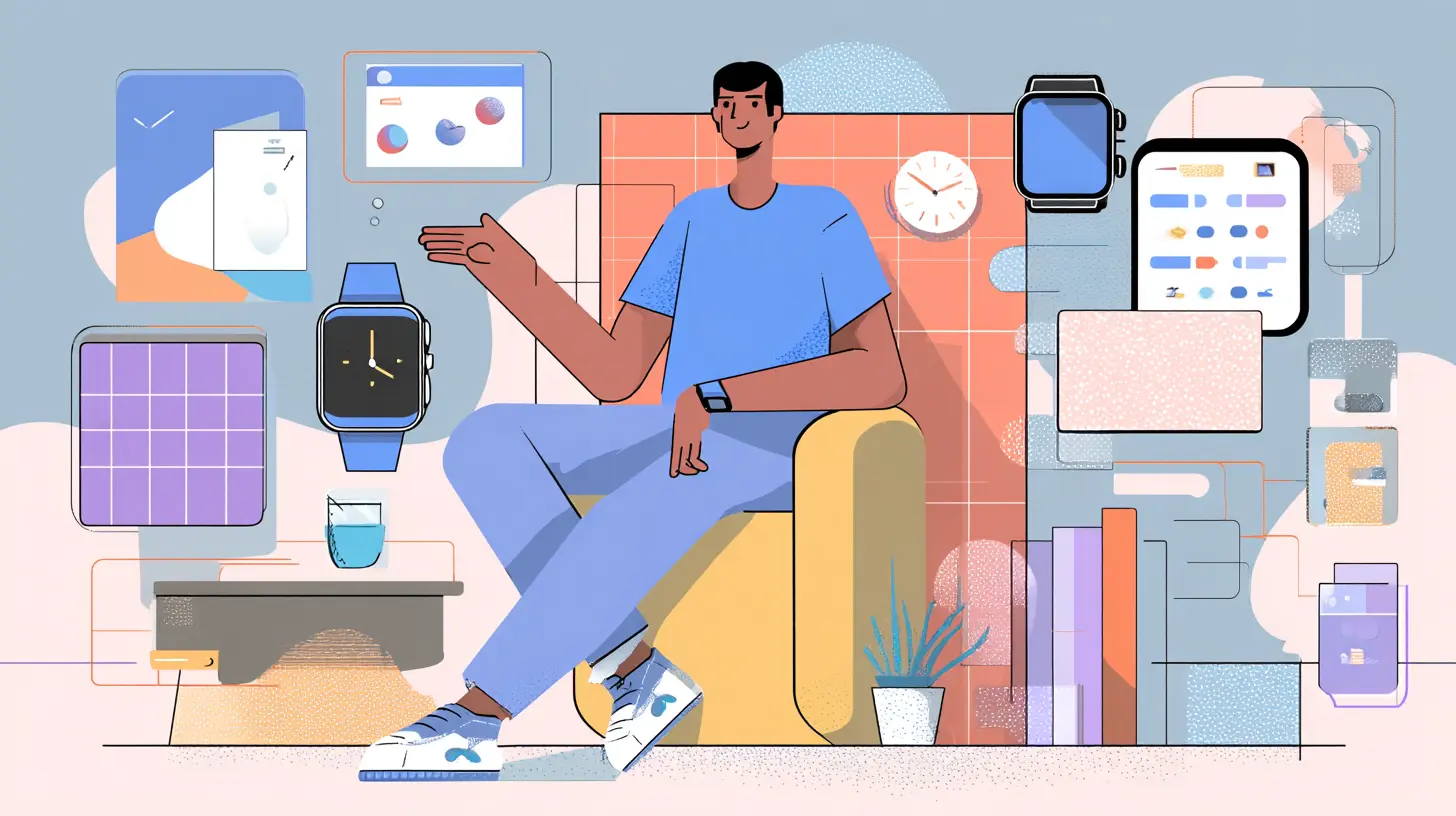
Hyper-Personalized Workspace Orchestration
Your wearable will become the command center for your digital-physical workspace. Think of it as the conductor of your productivity symphony.Seamless Context Switching: Walk from your home office desk to your standing desk in another room, and your smart glasses or earbuds will trigger the change. They’ll move your active call audio seamlessly, adjust the smart lighting in the new space to your "focus" preset, and even bring up the relevant document you were working on on the nearest display. The friction of moving between work modes or locations evaporates.
Environmental Intelligence: Wearables will act as sensors for your environment. Smart glasses with built-in environmental sensors could detect that the CO2 levels in your home office are rising (a known cause of brain fog) and prompt you to open a window or trigger an air purifier. Your watch, noticing you’ve been immobile for 90 minutes, could not only nudge you to move but could automatically pause your music and dim your smart lights, creating a clear sensory signal that it’s time for a break.
The Haptic Nudge: In a world drowning in visual and auditory alerts, the subtle, private haptic (touch) feedback of a wearable is a superpower. A distinct vibration pattern could signal an urgent message from your boss, while another could remind you of a soft deadline. This allows for crucial information intake without the context-shattering interruption of a phone notification.
Wellness as a Foundational Productivity Metric
By 2026, the false dichotomy between "wellness" and "productivity" will be彻底 dismantled. Companies and employees alike will understand that sustainable output is built on a foundation of cognitive health, and wearables will provide the continuous feedback loop to make it actionable.Predictive Burnout Prevention: Instead of a quarterly survey asking if you’re burned out, your wearable will identify the precursors weeks in advance. A trend of declining sleep quality, resting heart rate creeping up, and reduced heart rate variability will trigger not just an alert for you, but—in integrated systems—suggest to your manager’s AI tool that your workload might need reviewing. This shifts the paradigm from reactive to preventive.
Micro-Recovery Coaching: Productivity isn’t about eight straight hours of grind. It’s about the rhythm between focused work and recovery. Your wearable will become an expert in prescribing "micro-recoveries." It might detect signs of mental fatigue and guide you through a 60-second breathing exercise tailored to lower your nervous system arousal. It could suggest the perfect five-minute stretch routine for your tight shoulders before your next video call. These aren’t distractions; they are performance-enhancing pit stops.
Chronotype-Based Scheduling: The wearable of 2026 will have a deep understanding of your personal circadian rhythm (your chronotype). It could interface with your calendar AI to automatically suggest scheduling deep, focused work during your biological peak times, and routine meetings or administrative tasks during your natural troughs. This is productivity harmonized with human biology, not fighting against it.
The Challenges and The Human Imperative
This wearable-powered future isn’t without its shadows. We must navigate these waters carefully.The Privacy Paradox: The data these devices collect is incredibly intimate—a real-time stream of your physiological and psychological state. Robust, transparent, and user-controlled data governance will be non-negotiable. Who owns this data? How is it used? Can you delete it? The technology will only be adopted if trust is built into its core.
Digital Divide 2.0: Will this create a new class of "augmented" knowledge workers with a significant productivity advantage over those who cannot or choose not to use such devices? Companies and policymakers will need to consider equity in access to these tools.
The Risk of Over-Optimization: There’s a danger in letting algorithms dictate every moment of our workday. The human need for spontaneity, daydreaming, and unstructured social connection is vital for creativity and morale. The best systems will have built-in "off-ramps" and respect user agency above all.
Conclusion: The Invisible, Indispensable Co-Pilot
By 2026, the most impactful tool for remote productivity might be the one you hardly notice. It won’t be a demanding screen, but a supportive, ambient layer of intelligence woven into your day. It will protect your focus, enhance your communication, and guard your well-being, acting as an invisible co-pilot on your work journey.The goal is not to be monitored, but to be understood—by a tool that can then create the conditions for you to do your best work. We’re moving beyond the era of wearables as fancy pedometers and into an age where they become essential interfaces between our human selves and the digital workspaces we inhabit. The future of remote work isn’t on your desk; it’s on you.
all images in this post were generated using AI tools
Category:
Tech For Remote WorkAuthor:

Ugo Coleman
Discussion
rate this article
2 comments
Ian Adkins
Great insights! Excited to see how wearables will enhance remote productivity in 2026, transforming the way we work.
April 20, 2026 at 3:33 AM
Ugo Coleman
Thanks! It's exciting to think about the innovations ahead and their impact on our work lives.
Khloe McKinley
Great insights! Excited to see how wearables will enhance our remote work experiences in 2026. The future looks promising for productivity and connectivity! Keep sharing!
April 19, 2026 at 3:33 AM
Ugo Coleman
Thank you! I'm glad you found the insights valuable. The future of wearables in remote work is indeed exciting! Stay tuned for more updates!