From Desktop to Cloud: OS Trends That Will Reshape Computing
4 August 2026
The operating system used to be the most personal piece of technology you owned. You chose it, you installed it, you tweaked it, and you defended it in arguments with friends who picked the other one. That era is fading. The OS is becoming less a destination and more a gateway, less a product you buy and more a service you rent. This shift from desktop to cloud is not a single event but a slow, steady redefinition of where computing actually happens. Understanding this transition matters because it changes how you buy hardware, how you manage security, and how you think about the very nature of your digital workspace.
The End of the Local-First Assumption
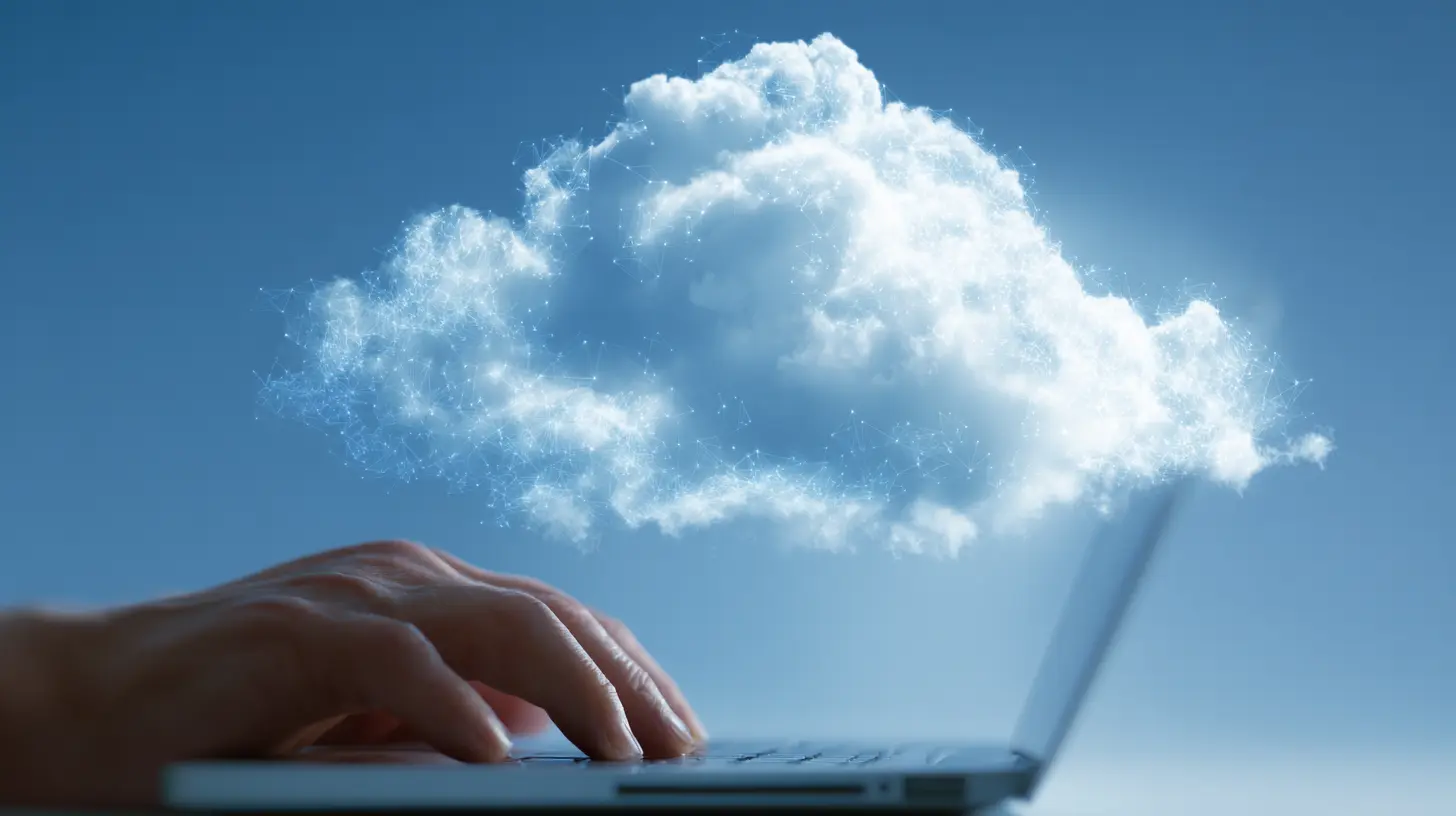
For decades, the operating system was the foundation of everything. It managed your files, your memory, your peripherals, and your applications. The hardware under it was the boundary of your digital world. If you wanted more power, you bought a bigger machine. If you wanted a new feature, you waited for the next version of the OS and paid for an upgrade. This model worked because software was tied to hardware in a way that made sense. The CPU, the RAM, the storage, and the OS were a single unit of trust.That assumption is now broken. The cloud has decoupled the experience from the device. Your email, your documents, your photos, and your chat history live on servers you do not own. The applications you use daily, from Google Docs to Slack to Figma, run their heavy lifting elsewhere. The OS on your laptop is increasingly just a window into a larger, distributed system. This is not a prediction for the future. It is the current reality for millions of professionals who spend their entire workday inside a browser.
The practical consequence is that the OS no longer needs to be the most powerful or the most feature-rich component of your setup. It needs to be reliable, secure, and fast at moving data back and forth. This is why Chromebooks, once dismissed as toys, have become serious business tools. They are not powerful machines. They are efficient clients for a cloud-based world. The OS is thin, the browser is the interface, and the real computing happens in data centers you will never see.
Cloud-Native Operating Systems: More Than a Browser
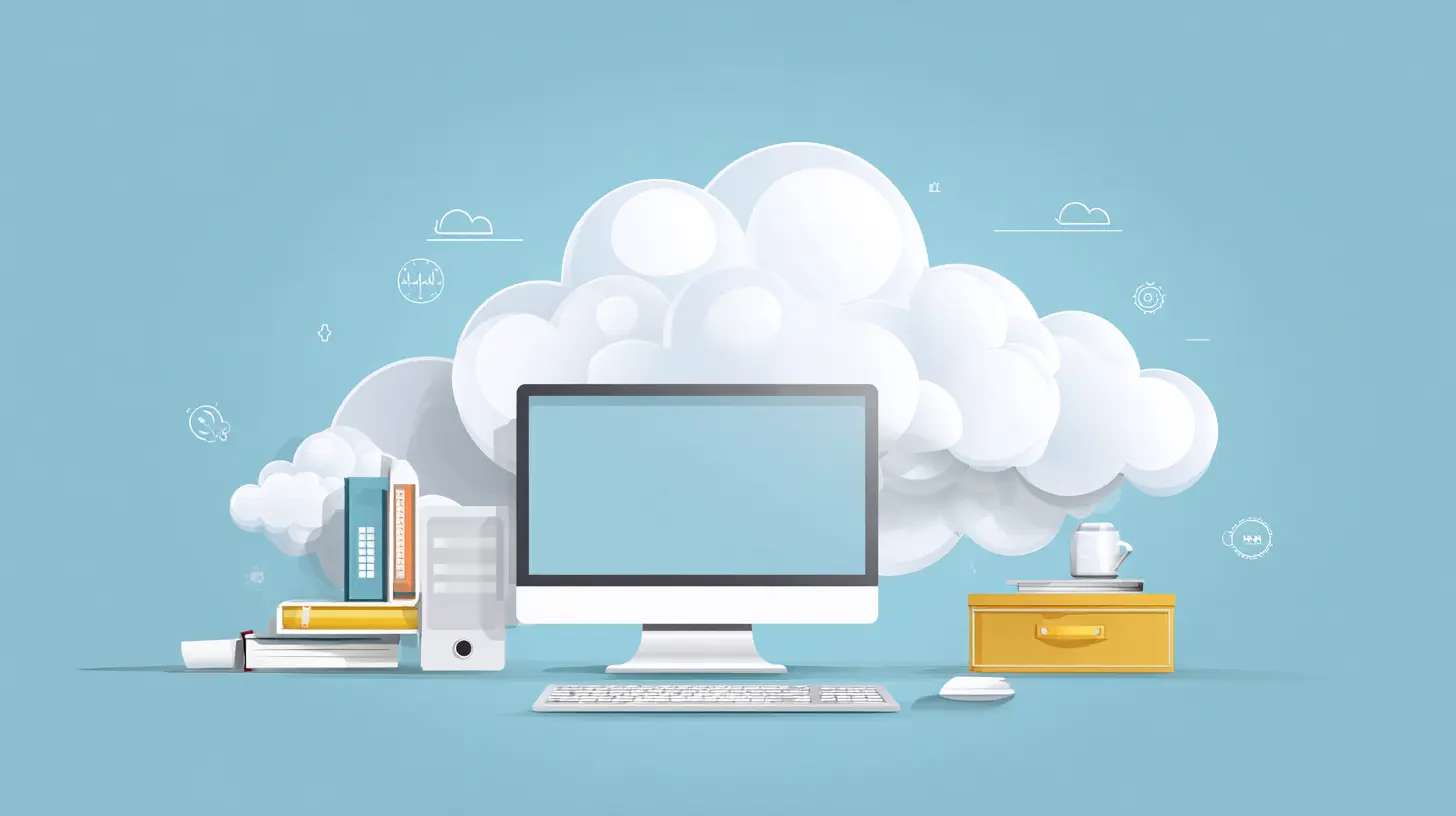
Calling Chrome OS just a browser is like calling a modern car just a horseless carriage. It misses the point. Chrome OS is a cloud-native operating system. It is designed from the ground up to treat the network as the primary storage and compute layer. The local disk is a cache, not a home. The OS updates itself silently in the background, and security is enforced through sandboxing and verified boot rather than through user discipline.This model has profound advantages. First, it eliminates the traditional pain of OS maintenance. There are no driver conflicts, no registry cleanups, no defragmentation rituals. The system is effectively immutable, meaning the core files cannot be corrupted by a bad install or a rogue application. If something goes wrong, a powerwash restores the system to a clean state in minutes. For enterprise IT departments, this is a dream. They no longer need to image thousands of laptops or worry about patch Tuesday breaking a critical application.
Second, cloud-native OSes shift the security burden to the provider. The OS vendor manages the kernel updates, the browser patches, and the vulnerability response. The user does not have to decide when to install a critical security update or whether to trust a downloaded executable. This is a massive improvement for the average user who does not have the time or expertise to manage a traditional OS securely.
But there are trade-offs. A cloud-native OS is only as good as your network connection. Offline, you are reduced to a very limited set of tasks. You can watch cached videos, edit local files in a basic editor, and maybe play a game. But the full experience, the one that makes the device useful, requires connectivity. This is a dealbreaker for people who travel to places with poor internet, work in remote field locations, or simply value the ability to work uninterrupted during a network outage.
The misconception is that cloud-native means you cannot do serious work. That is false. You can run Linux containers on Chrome OS, you can use VS Code in the browser, and you can connect to powerful remote desktops. The limitation is not capability but mindset. You have to accept that your data is not physically with you. For some, that is liberating. For others, it is deeply unsettling.

The Rise of the Thin Client, Reinvented
The thin client concept is old, dating back to mainframe terminals. But it is being reborn with a modern twist. Instead of a dumb terminal that only displays output, the modern thin client is a smart device that handles input, rendering, and local caching while offloading heavy computation to a remote server. This is the model behind Windows 365, Amazon WorkSpaces, and various Linux-based remote desktop solutions.The appeal is straightforward. You can have a high-end Windows desktop experience on a cheap laptop, a tablet, or even a phone. The actual compute happens on a virtual machine in the cloud, with the GPU, the RAM, and the storage all living in a data center. The local device just streams the screen and sends back your keystrokes and mouse movements. Latency is the enemy here. If you are far from the data center, the experience degrades. But with modern fiber connections and edge computing nodes, the latency is often imperceptible for office work.
This model changes the economics of hardware. Instead of buying a $2,000 laptop every three years, you buy a $300 device every five years and pay a monthly subscription for the cloud PC. The total cost of ownership can be lower, especially for businesses that need to provide standardized environments to employees. It also solves the problem of legacy software. You can run an old Windows application that only works on Windows 7 by hosting it on a cloud VM, without exposing your entire network to the vulnerabilities of an outdated OS.
The downside is dependency. If the cloud provider has an outage, you cannot work. If the provider changes its pricing model, your budget is at their mercy. And there is the question of data sovereignty. Your files are stored on servers that may be in another country, subject to different laws. For regulated industries like healthcare or finance, this can be a non-starter. The wise approach is to use cloud PCs for tasks that benefit from centralization, while keeping sensitive data on local, encrypted storage when regulations require it.
The Browser as the New OS
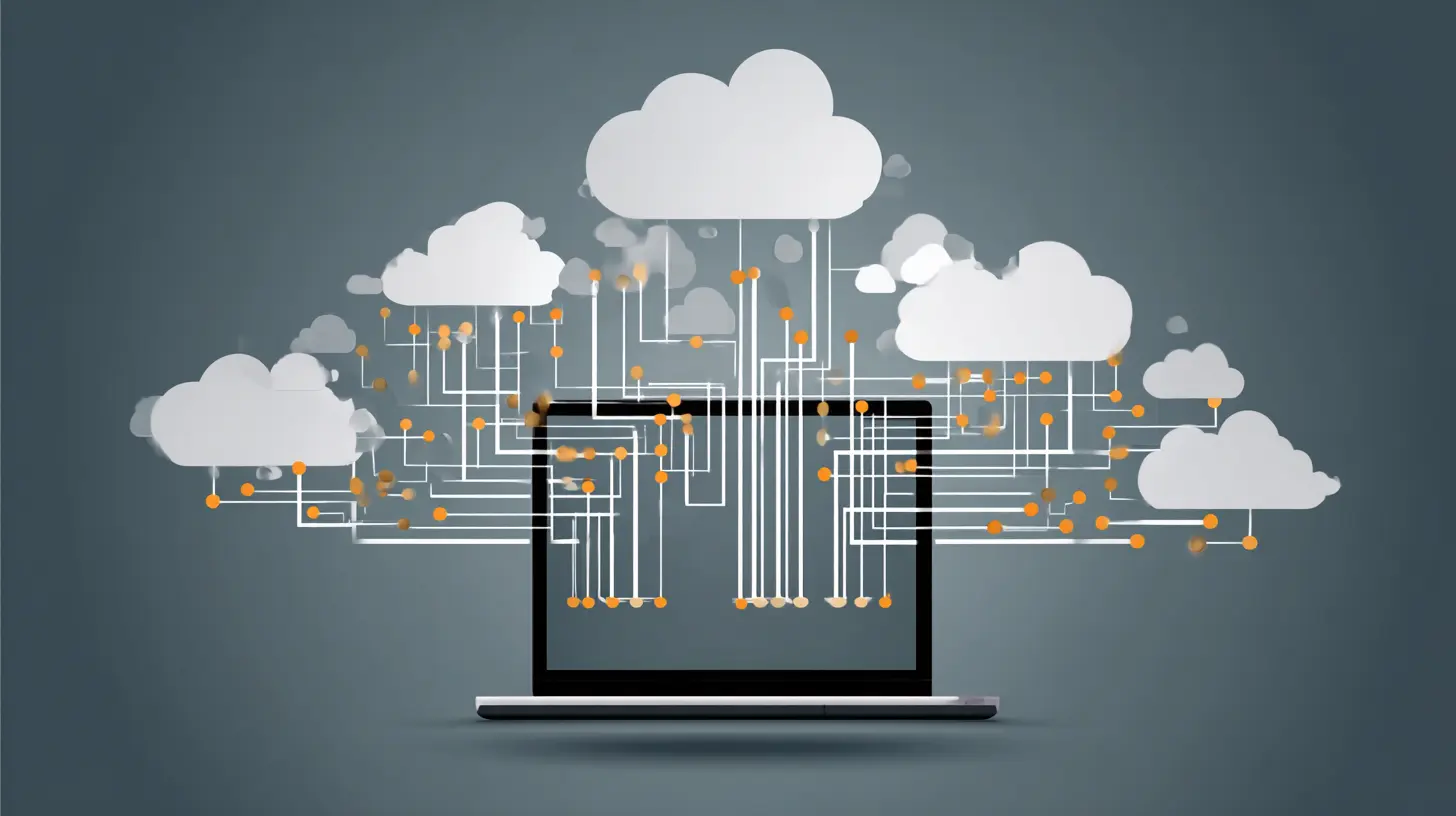
The browser has evolved from a document viewer into a full application runtime. Modern web standards like WebAssembly, WebGL, and the File System Access API allow complex applications to run entirely in the browser with near-native performance. This is why you can now edit 4K video in the browser, run a full CAD program, or use a professional audio workstation without installing anything.This trend is reshaping the OS market because it makes the underlying platform less relevant. If your entire toolchain runs in the browser, it does not matter whether you are on Windows, macOS, or Linux. The browser is the great equalizer. This is a double-edged sword. On one hand, it frees you from vendor lock-in. You can switch from a Mac to a Windows laptop and keep all your applications and data intact. On the other hand, it makes the OS vendor less important, which means less innovation at the OS level. Why would Microsoft invest heavily in new Windows features if everyone is just using Edge to access web apps?
The practical advice here is to embrace the browser as your primary workspace but not to abandon native applications entirely. There are tasks that still benefit from native code, such as high-end video editing, 3D rendering, or playing complex games. The key is to know which tasks are browser-appropriate and which are not. For most office work, communication, and content creation, the browser is more than sufficient. For specialized, resource-intensive tasks, a native app on a powerful local machine is still the better choice.
One common mistake is assuming that browser-based apps are automatically less secure. That is not true. Modern browsers have strong sandboxing, and web apps are often more secure than traditional desktop apps because they are updated centrally. The risk is not the browser itself but the user. Phishing attacks, malicious extensions, and poor password hygiene are the real threats. The OS matters less than your behavior.
The Role of Containers and MicroVMs
Underneath the user-facing changes, a technical revolution is happening in how OSes are built and deployed. Containers, led by Docker and Kubernetes, have changed how applications are packaged and run. Instead of a monolithic OS with a specific set of libraries, applications now run in isolated environments that include only what they need. This is not just a server-side trend. It is coming to the desktop.Project like Flatpak and Snap for Linux, and the Windows Subsystem for Linux (WSL) on Windows, are bringing container-like isolation to the desktop. The benefit is that you can run applications without worrying about dependency conflicts. You can have two versions of the same library, one for each app, without them interfering. This solves the classic "dependency hell" that has plagued Linux users for years.
MicroVMs, such as Firecracker, take this a step further. They provide the isolation of a virtual machine with the speed and efficiency of a container. This is what powers many cloud-based desktop solutions. Each user gets their own microVM, ensuring that a malicious or buggy application in one session cannot affect another. The OS becomes a thin layer that manages these microVMs, rather than a monolithic system that runs everything.
For the average user, this means more stability and better security. For developers, it means a much cleaner environment to work in. The trade-off is complexity. Managing containers and microVMs requires new skills and tools. The days of just installing an application and expecting it to work are ending. You now need to understand concepts like images, registries, and orchestration. This is a steep learning curve for traditional desktop users, but it is the direction the industry is heading.
Security in a Distributed World
The shift to the cloud changes the security model fundamentally. In the old desktop model, security was about protecting the perimeter. You had a firewall, antivirus software, and you were careful about what you downloaded. The OS was the trust boundary. In the cloud model, the perimeter is gone. Your data is everywhere, your applications are remote, and your device is just one of many endpoints.This requires a new approach. Zero Trust architecture is the current best practice. The idea is simple: never trust, always verify. Every request for access, whether from a user, a device, or an application, must be authenticated and authorized. This is a shift from the old model where being inside the network was enough. Now, being on the corporate VPN does not grant automatic access to everything.
The OS plays a critical role in this new model. It must support hardware-backed security features like TPM (Trusted Platform Module) and secure boot. It must be able to attest to its own integrity, proving to the cloud that it has not been tampered with. This is why modern OSes are moving toward measured boot and remote attestation. The cloud will not trust your device just because you say it is yours. It will check the hardware, the boot process, and the running software before granting access.
A common mistake is to think that moving to the cloud makes security someone else's problem. That is dangerously wrong. The cloud provider is responsible for the security of the cloud, but you are responsible for security in the cloud. You still need to manage access controls, monitor for suspicious activity, and protect your credentials. The OS is your first line of defense, but it is not the whole story. You need a comprehensive strategy that includes multi-factor authentication, conditional access policies, and regular security audits.
The User Experience Paradox
One of the most interesting trends is the divergence in user experience. Cloud OSes tend to be simpler and more consistent. There are fewer settings to fiddle with, fewer things to break. This is a relief for many users who just want to get work done. But it is also a source of frustration for power users who like to customize every aspect of their system.The paradox is that as the OS becomes more cloud-centric, it also becomes more opinionated. The provider decides what the interface looks like, what features are available, and when updates happen. You lose control. This is a trade-off that many users are willing to make for the sake of convenience and security. But it is important to recognize what you are giving up.
If you are someone who likes to tweak your system, install custom kernels, or run obscure software, a cloud-native OS will feel restrictive. You will be better served by a traditional OS with a cloud layer on top. For example, you can run Linux locally and use cloud-based development environments when you need more power. This hybrid approach gives you the best of both worlds. You keep control over your local environment while leveraging the cloud for heavy lifting.
The key is to be intentional about your choice. Do not default to a cloud OS just because it is trendy. Think about your workflow, your need for control, and your tolerance for downtime. There is no one-size-fits-all answer. The best OS for you depends on what you value most.
The Future of Hardware
The shift to the cloud has a profound impact on hardware design. If the OS is just a client, then the hardware does not need to be top-of-the-line. This is why we are seeing a resurgence of low-power, fanless devices with long battery life. The Chromebook and the iPad Pro are examples of this trend. They are not trying to compete with high-end gaming PCs. They are trying to be the perfect window into the cloud.This changes the upgrade cycle. In the past, you bought a new computer every few years because the software demanded more power. Now, the software runs in the cloud, so your local hardware can last much longer. The bottleneck is no longer the CPU or the RAM. It is the network connection and the display quality. This is why we are seeing more attention paid to screen technology, keyboard feel, and battery life. These are the features that matter when the compute is remote.
There is also a trend toward specialized hardware. Instead of a general-purpose device, we may see devices optimized for specific cloud workloads. For example, a thin client for cloud gaming that has a high-refresh-rate screen and a low-latency network card. Or a device for cloud development with a great keyboard and a high-resolution display. The OS becomes less important than the physical interface.
The mistake is to assume that hardware is becoming irrelevant. It is not. It is becoming more specialized. The hardware you choose determines the quality of your cloud experience. A cheap laptop with a poor screen and a weak Wi-Fi card will make even the best cloud service feel terrible. Invest in good hardware, even if it is not powerful in the traditional sense. Focus on connectivity, display quality, and ergonomics.
Practical Steps for the Transition
If you are convinced that the cloud is the future, you need to plan your transition carefully. Do not just abandon your desktop and move everything to the cloud overnight. That is a recipe for disaster. Instead, take a gradual approach.Start by moving your communication tools to the cloud. Email, messaging, and video conferencing are the easiest to migrate. They are already cloud-based for most people. Next, move your document creation and storage. Use a cloud drive like Google Drive or OneDrive for your files. Then, start using cloud-based versions of your productivity apps. This will get you comfortable with the browser as your primary interface.
Once you are comfortable, try a cloud-native OS for a secondary device. Get a cheap Chromebook and use it for a week. See what works and what does not. Pay attention to your pain points. Are you frustrated by the lack of local storage? Do you miss native apps? Or do you find the simplicity liberating? This experiment will tell you a lot about your actual needs.
Finally, consider a cloud PC for your primary work. Services like Windows 365 or Amazon WorkSpaces can give you a full desktop experience without the need for powerful local hardware. Use this for a month and evaluate the experience. Measure your productivity, note any frustrations, and compare it to your old setup. Only then can you make an informed decision about whether to fully commit to the cloud.
The Misconception of Offline
Many people resist the cloud because they fear being offline. This is a valid concern, but it is often overstated. Modern cloud OSes have robust offline capabilities. You can cache files, work on documents, and even run some applications without a connection. When you reconnect, everything syncs automatically. The experience is not perfect, but it is much better than it was a few years ago.The key is to understand what works offline and what does not. Email can be cached for reading and composing. Documents can be edited locally and synced later. But real-time collaboration, cloud gaming, and remote desktops require a connection. If your work depends on these features, you need a reliable network. This is not a limitation of the cloud model but a reality of any distributed system.
The wise approach is to design your workflow around the network. Keep critical files cached locally. Have a backup plan for when the connection drops. And always have a fallback, such as a mobile hotspot or a local copy of important documents. The cloud is not a replacement for good planning. It is a tool that works best when you understand its constraints.
The Verdict
The move from desktop to cloud is not a binary switch. It is a spectrum. On one end, you have the traditional desktop OS with local storage and local compute. On the other end, you have a thin client that is nothing more than a screen and a keyboard. Most people will end up somewhere in the middle. They will use a local OS for some tasks and the cloud for others.The OS trends we are seeing, cloud-native systems, thin clients, browser-based apps, and containerized environments, are all responses to the same underlying shift. Computing is becoming a utility, like electricity or water. You do not generate your own power. You plug into a grid. The OS is the outlet, and the cloud is the grid.
This is a positive development for most users. It means lower costs, better security, and more flexibility. It also means less control and more dependency. The key is to embrace the benefits while mitigating the risks. Do not cling to the old model out of nostalgia. But do not rush into the cloud without a clear understanding of what you are gaining and losing.
The future of computing is not about the OS on your desk. It is about the network that connects you to everything else. The OS is just the door. The cloud is the building. And the way you interact with that building will define your digital life for the next decade.
all images in this post were generated using AI tools
Category:
Operating SystemsAuthor:

Ugo Coleman
Discussion
rate this article
1 comments
Olive Myers
This article highlights the shift to cloud-based operating systems, emphasizing efficiency, accessibility, and the need for enhanced security measures in computing.
August 4, 2026 at 4:47 AM
Ugo Coleman
Thanks for your insights! The transition to cloud-based systems is indeed crucial for improving efficiency and security in our digital landscape.