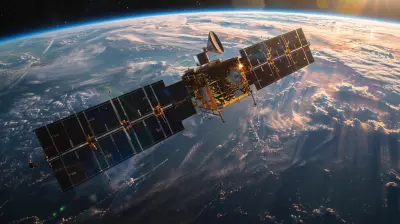
From Earth to Titan: The Future of Human Exploration Beyond Mars
17 June 2026
Humanity has always had an insatiable curiosity about space. We've set foot on the Moon, sent rovers to Mars, and have ambitious plans for a permanent presence on the Red Planet. But what comes after Mars? If we're serious about interplanetary exploration, we need to think further ahead. One of the most exciting possibilities is Titan, Saturn’s largest moon.
Titan is an otherworldly place with a thick atmosphere, liquid lakes, and possibly the right chemistry to support microbial life. This makes it a prime candidate for future human exploration. But how feasible is it to send astronauts to Titan? What are the challenges and potential rewards of such a mission? Let’s break it down. 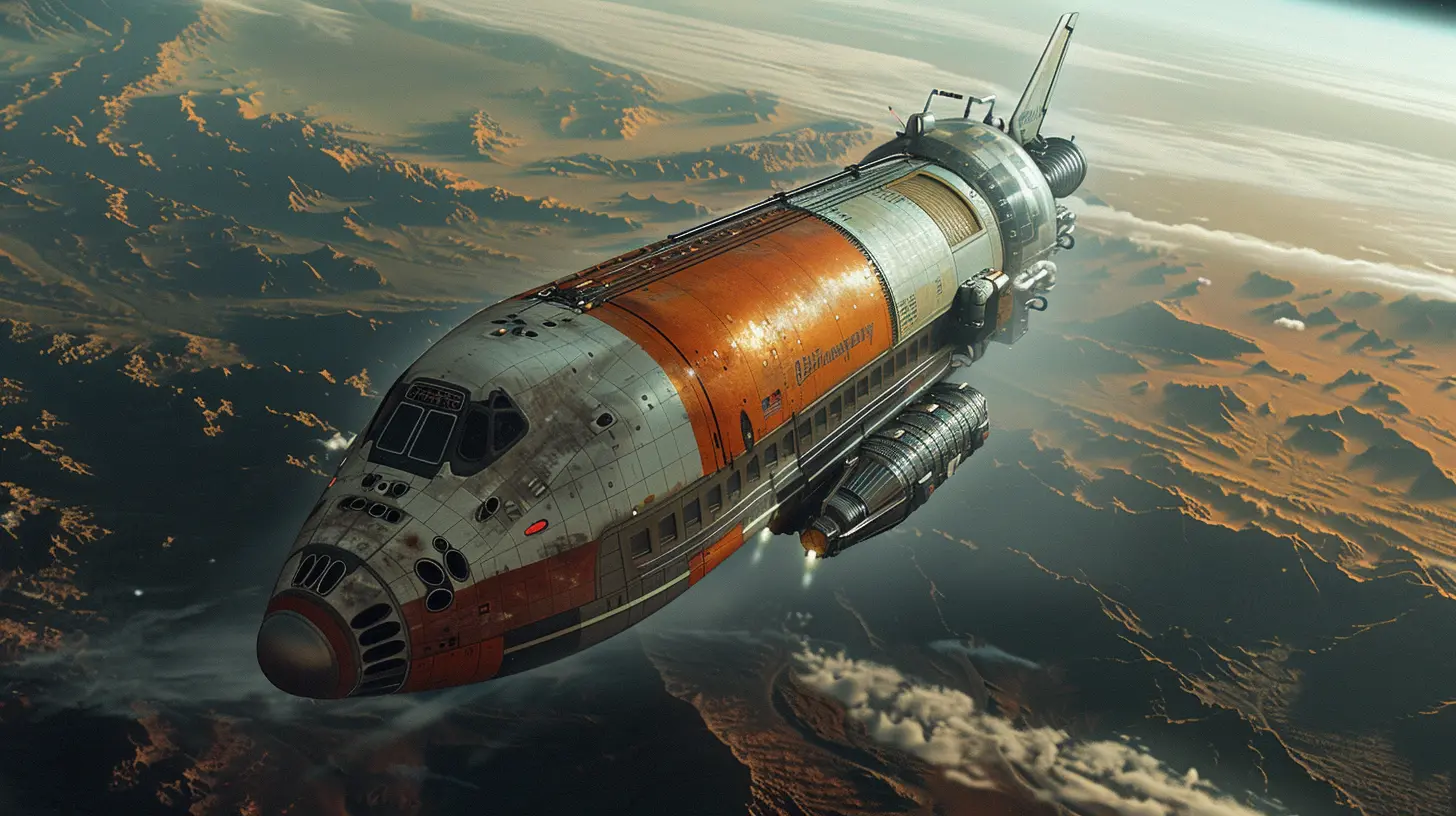
Why Titan? What Makes It Special?
When thinking about destinations for deep-space human exploration, Titan stands out for several reasons. Unlike most moons in our Solar System, Titan has a dense atmosphere—thicker than Earth’s, in fact. It’s mostly nitrogen with a touch of methane, which creates a fascinating and complex environment.1. Thick Atmosphere and Surface Conditions
Titan’s atmosphere is a blessing and a curse. On the one hand, it protects the surface from cosmic radiation, which is a big advantage over places like the Moon or Mars. On the other hand, it’s mostly methane and nitrogen, meaning humans can’t breathe it without support systems.2. Liquid Lakes and Potential for Life
Titan is the only body in our Solar System (besides Earth) with stable bodies of liquid on its surface. But instead of water, Titan's lakes and rivers are made of liquid methane and ethane. Scientists believe these could hold clues about how life might exist in extreme conditions.3. Gravity and Weather
Titan’s gravity is about 1/7th of Earth's, which is slightly stronger than the Moon’s but much weaker than Mars’. This would make movement easier for astronauts, but long-term effects on human health remain unknown. Additionally, Titan experiences methane rain and occasional storms, creating a dynamic and intriguing world.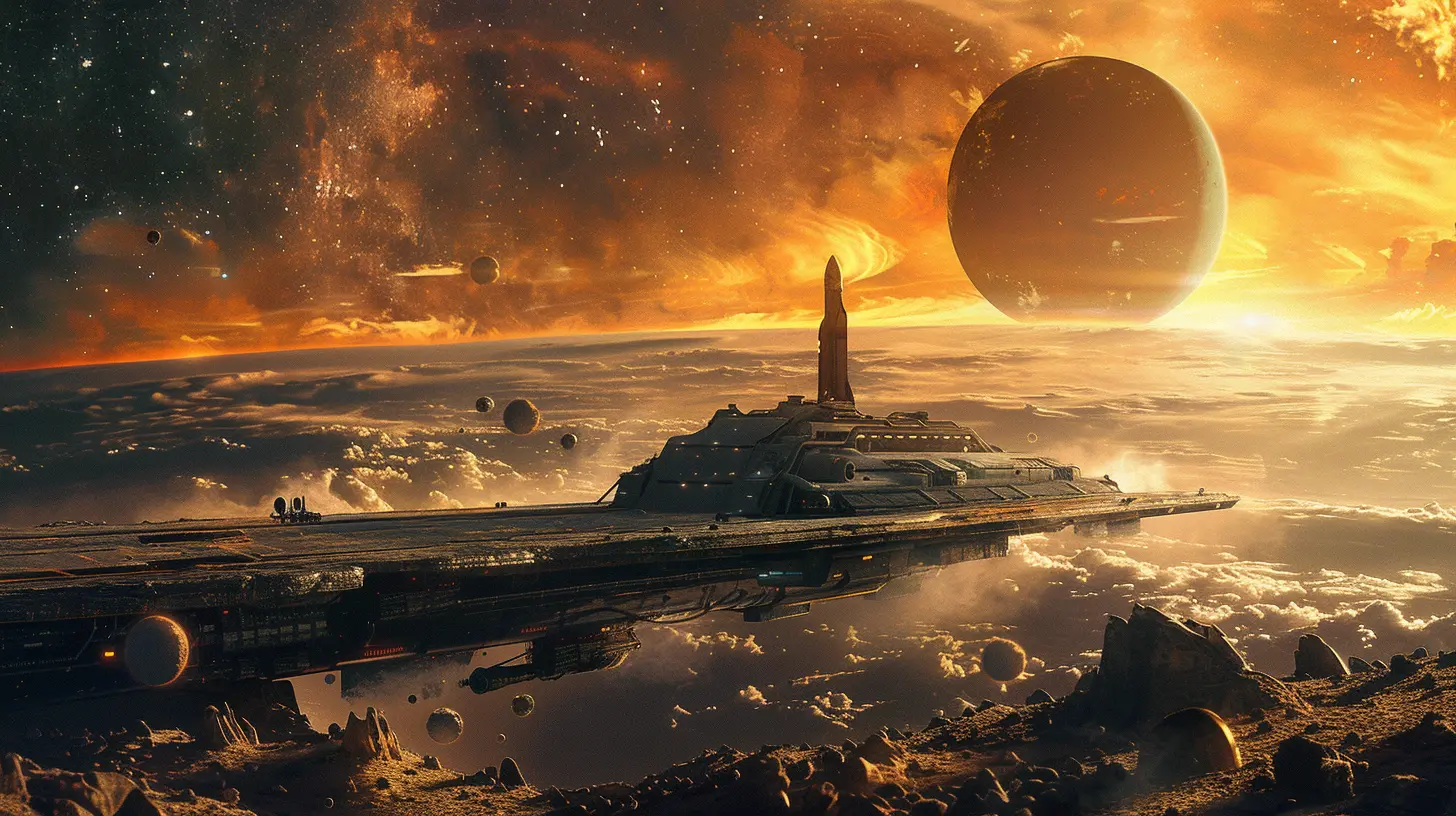
The Challenges of Sending Humans to Titan
If getting to Mars is considered difficult, sending humans to Titan is a whole new level of complicated. The journey alone is a massive undertaking, not to mention the difficulties of surviving and working on such an alien world.1. The Distance Dilemma
Mars is, on average, about 225 million kilometers from Earth. Titan? 1.4 billion kilometers away. That’s over six times farther! A mission to Mars takes around 7-9 months, while reaching Titan with current technology would take at least 7 years.Imagine astronauts spending nearly a decade just traveling to their destination. That raises serious concerns about mental health, radiation exposure, and spacecraft reliability.
2. Radiation and Deep Space Risks
Unlike Mars, which has some protection from cosmic rays due to its thin atmosphere, Titan’s dense nitrogen atmosphere does a much better job at shielding the surface. But the journey itself would expose astronauts to dangerous galactic radiation. Without proper shielding, this could cause severe health risks, such as increased cancer risks and neurological damage.3. The Landing Challenge
Landing on Titan would be both easier and harder than Mars. On the plus side, its thick atmosphere allows for a parachute-assisted descent, reducing the need for complex retro-thrusters. However, Titan’s surface is covered in a mix of frozen rock-hard ice and liquid methane lakes, making landing site selection crucial.4. Surviving in Titan’s Environment
Titan's surface temperature is a bone-chilling -179°C (-290°F). That’s colder than Antarctica at its worst! Any human habitat would need to be heavily insulated and capable of maintaining an Earth-like climate inside.Another issue? The lack of oxygen. While Titan has plenty of nitrogen, oxygen would have to be brought from Earth or generated through advanced life support systems using onboard water sources. 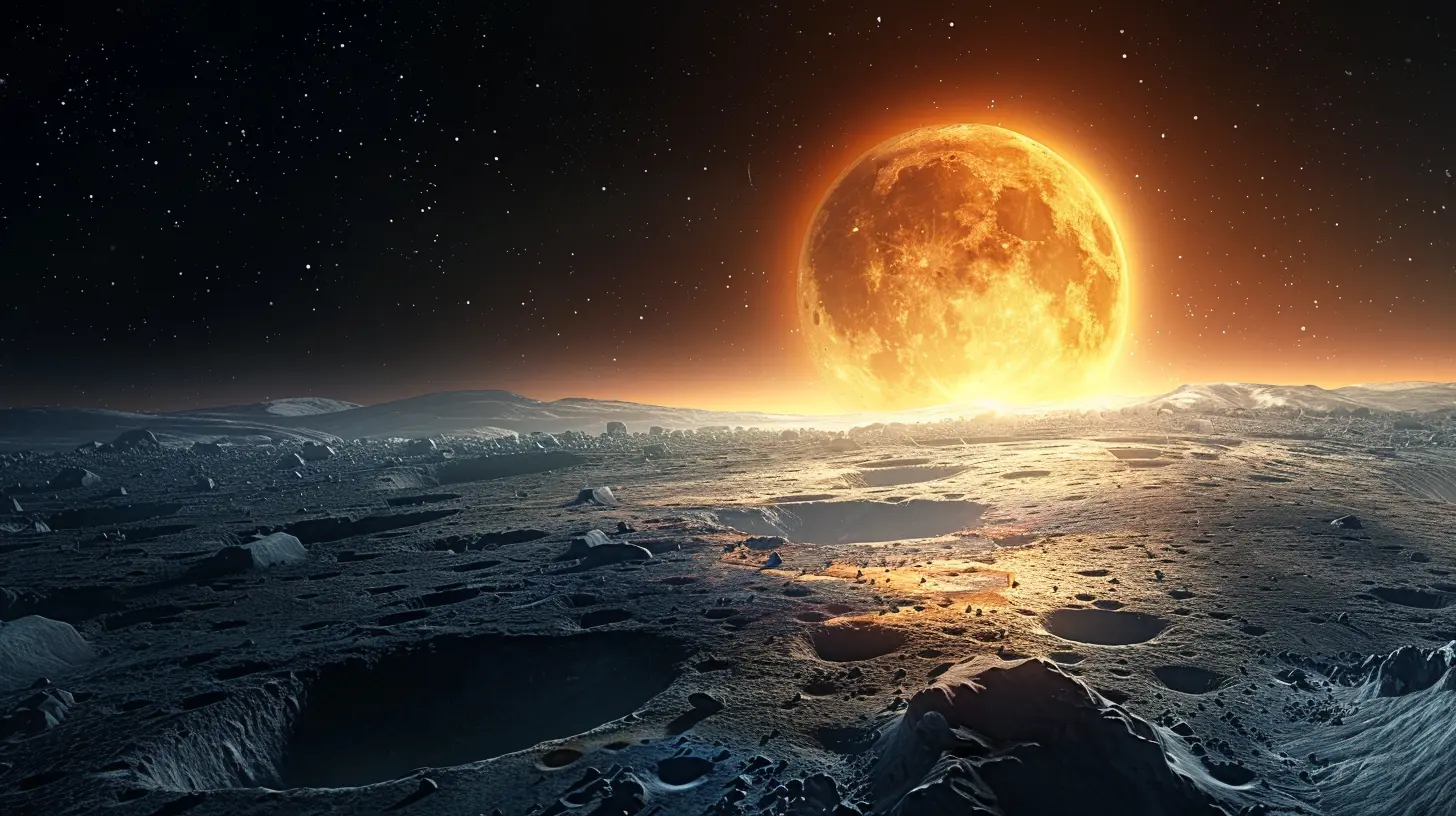
How Can We Make a Mission to Titan Possible?
Despite the challenges, Titan offers enough promise that scientists and engineers are seriously considering ways to make human missions feasible.1. Advanced Propulsion Systems
Current rocket technology is simply too slow for practical interplanetary travel beyond Mars. For Titan, we’ll need nuclear propulsion or even fusion-powered spacecraft to cut down the travel time significantly.NASA and private space companies are already working on nuclear thermal propulsion, which could get us to Mars in just 3-4 months instead of nearly a year. If we can scale this technology further, a trip to Titan could be shortened considerably.
2. Building a Self-Sustaining Base
Sending supplies from Earth is not a long-term solution—especially for such a distant mission. A Titan base would need to harness local resources to sustain itself.- Using Titan’s Atmosphere – With so much nitrogen and methane in the air, we could potentially create breathable air and rocket fuel on-site.
- Energy Sources – Solar power is weak that far from the Sun, but we could rely on compact nuclear reactors for a steady energy supply.
- Food Production – Greenhouses with artificial lighting could allow astronauts to grow food, reducing dependency on supply missions.
3. Robotics & AI Support
Before sending humans, autonomous robots would likely be deployed to scout locations, build initial infrastructure, and test survival strategies. AI-controlled drones and landers could survey the best landing spots and resource deposits.Robotic missions like NASA's Dragonfly, scheduled for the 2030s, will serve as crucial stepping stones for future manned missions. 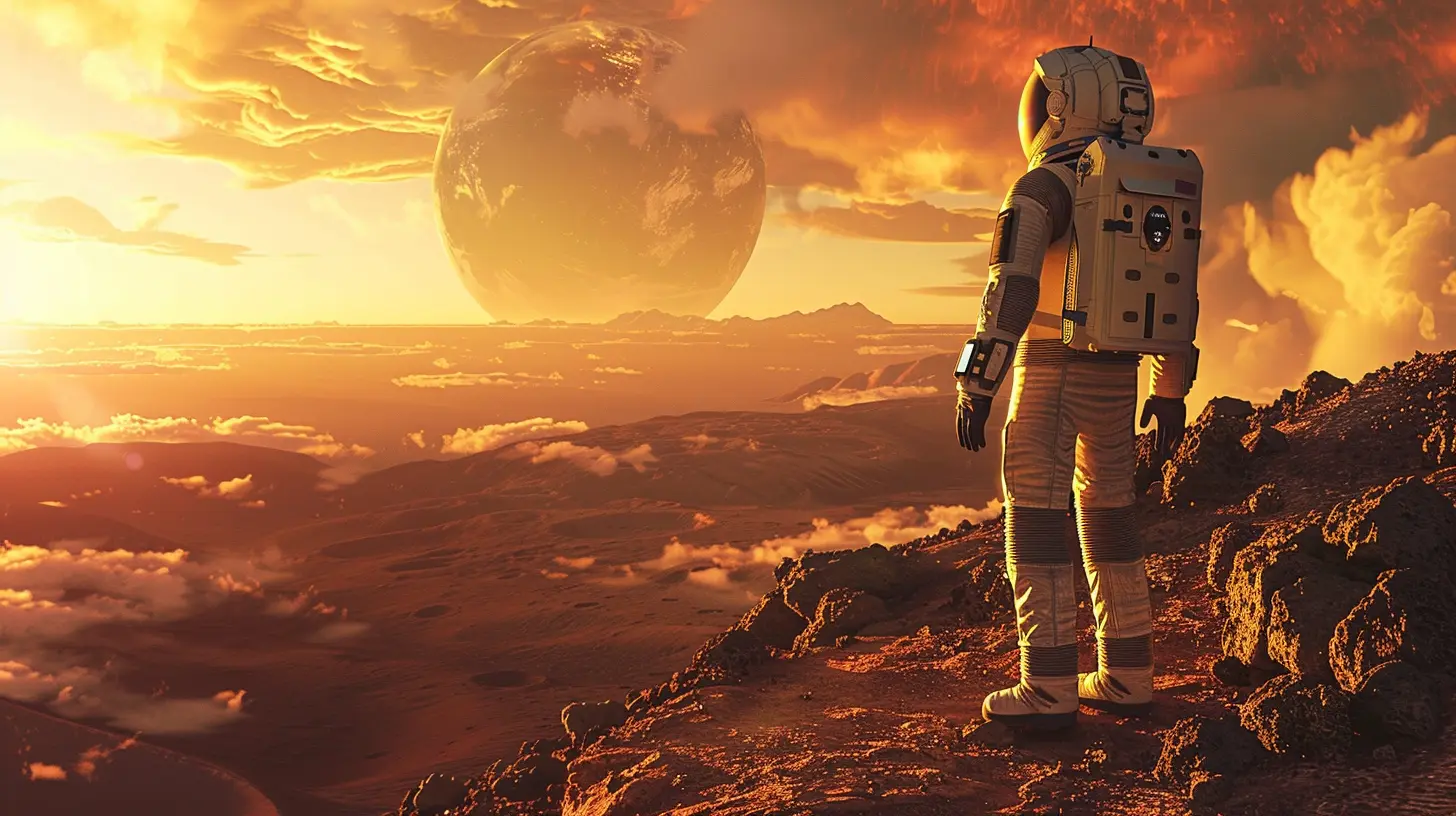
The Potential Payoff: Why Titan Is Worth It
Okay, so we now know Titan is incredibly challenging. But why go through all this effort? What’s the big reward?1. Understanding Alien Chemistry and Origins of Life
Titan's environment today may resemble Earth's early conditions billions of years ago. Studying its chemistry might help us understand the origins of life—not just on Earth, but possibly elsewhere in the universe.2. A Potential Second Home for Humanity?
While far from ideal, Titan does offer some advantages over other planets or moons. The thick atmosphere, shielding from radiation, and potential for local resource utilization make it one of our better long-term options for human habitation outside of Mars.3. Expanding Space Exploration Boundaries
Humanity's destiny lies beyond Earth. Pushing beyond Mars and reaching Titan could pave the way for the next era of deep space colonization. If we figure out how to survive there, what’s stopping us from eventually traveling even further—to Neptune’s moons or even interstellar destinations?Conclusion
Titan may not be the next stepping stone after Mars, but it represents the next major challenge in deep-space exploration. While the journey is long and the challenges are immense, the potential rewards—scientific discoveries, resource utilization, and expanding humanity’s reach—make it a tantalizing goal.Will we see humans walking on Titan in our lifetime? Possibly. But one thing is certain: if we truly want to become a multi-planetary species, we need to start thinking beyond Mars. And Titan, with all its mysteries and possibilities, is the perfect place to start dreaming big.
all images in this post were generated using AI tools
Category:
Space TechnologyAuthor:

Ugo Coleman
Discussion
rate this article
1 comments
Tilly Barron
Exploring Titan sparks imagination, reminding us of endless possibilities ahead!
June 26, 2026 at 12:58 PM
Ugo Coleman
Absolutely! Titan's unique environment opens up fascinating opportunities for future exploration and discovery.