How 6G Will Change the Telecommunications Landscape
23 March 2026
It feels like we just got cozy with 5G, right? Super-fast speeds, ultra-low latency, smarter everything—from phones to fridges. But hold up… the tech world doesn’t like to sit still. Enter 6G, the next colossal leap in mobile communication that’s expected to hit the world around 2030. And trust me, it’s going to be a game-changer.
So, what’s all the buzz about? How is 6G going to shake up the telecommunications industry, and why should you care? Good questions. Buckle up, because we’re diving deep into the future—where the digital and physical worlds blur like never before.
What Exactly Is 6G?
Before we get starry-eyed over what 6G can do, let’s break it down. 6G stands for the sixth generation of wireless communication. If 5G was revolutionary—with its promise of real-time interaction, massive IoT, and cloud gaming galore—6G is going to be evolutionary, pushing the boundaries of what we think is even possible.We’re talking data speeds potentially hitting 1 Tbps (yep, terabits), latency so low it feels like communication is happening instantly, and AI baked right into the network. It’s like upgrading from a Ferrari to a spaceship.
The Road to 6G: Why Now?
So why jump from 5G so quickly? Here’s the thing—technology moves fast because our demands move faster. Streaming 8K content, real-time translation, autonomous vehicles, virtual surgeries—current networks are already being pushed to their limits. And with the rise of the metaverse and spatial computing, we need an infrastructure that’s not just fast, but intelligent and insanely responsive.It’s not just about speed anymore. It’s about how networks think, adapt, and serve in real-time. That’s where 6G steps in like a superhero in a digital cape.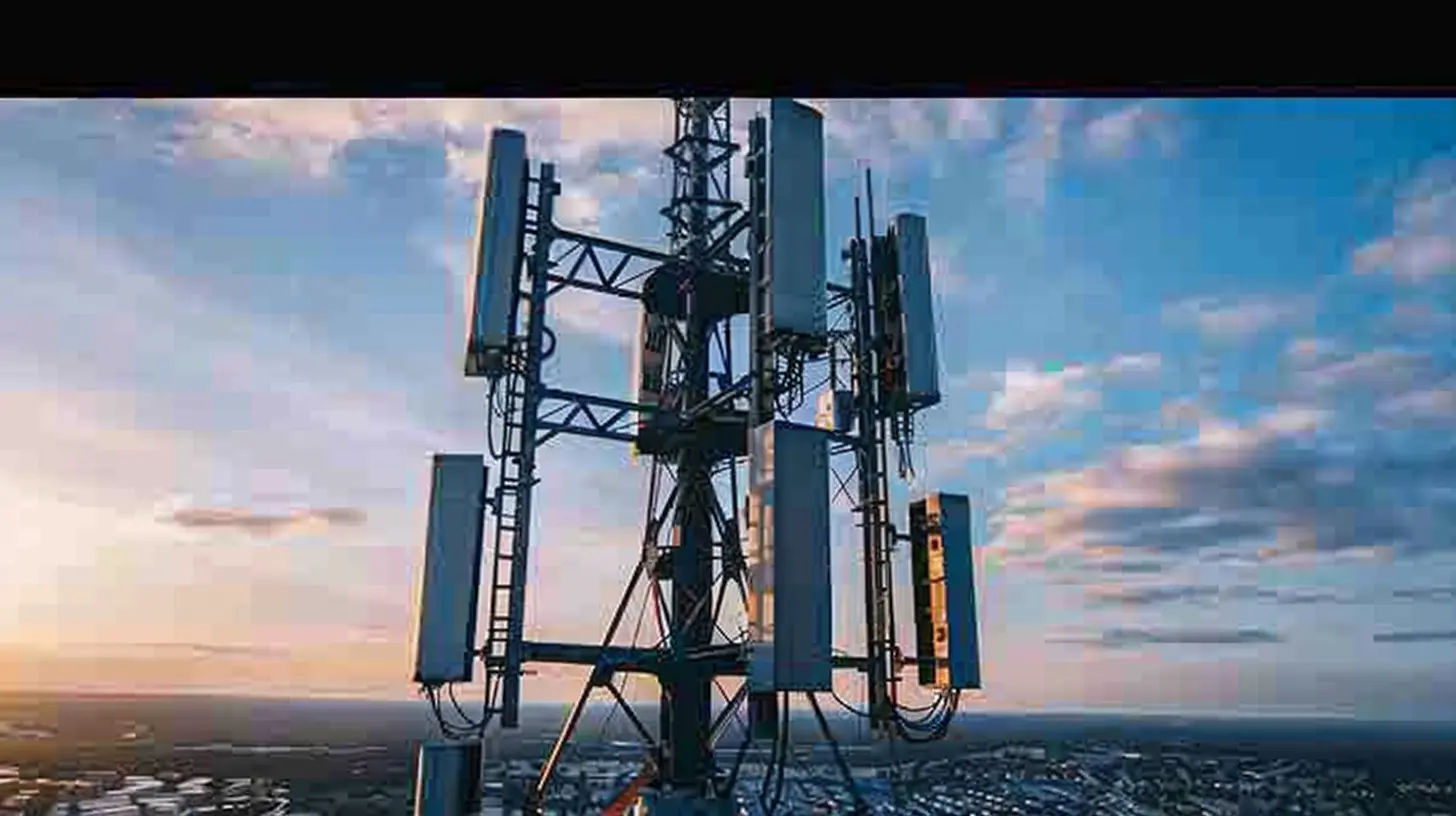
Speed Like You’ve Never Seen Before
Let’s talk numbers—because who doesn’t love jaw-dropping stats?- 5G Peak Speed: Around 10 Gbps
- 6G Projected Peak Speed: Up to 1 Tbps (that’s 100x faster!)
Imagine downloading an entire Netflix series in the blink of an eye. Or transferring huge files in milliseconds. That’s not sci-fi—that’s the projected reality of 6G.
But it’s not just about lightning-fast data. It’s about enabling entirely new kinds of applications that aren’t feasible today.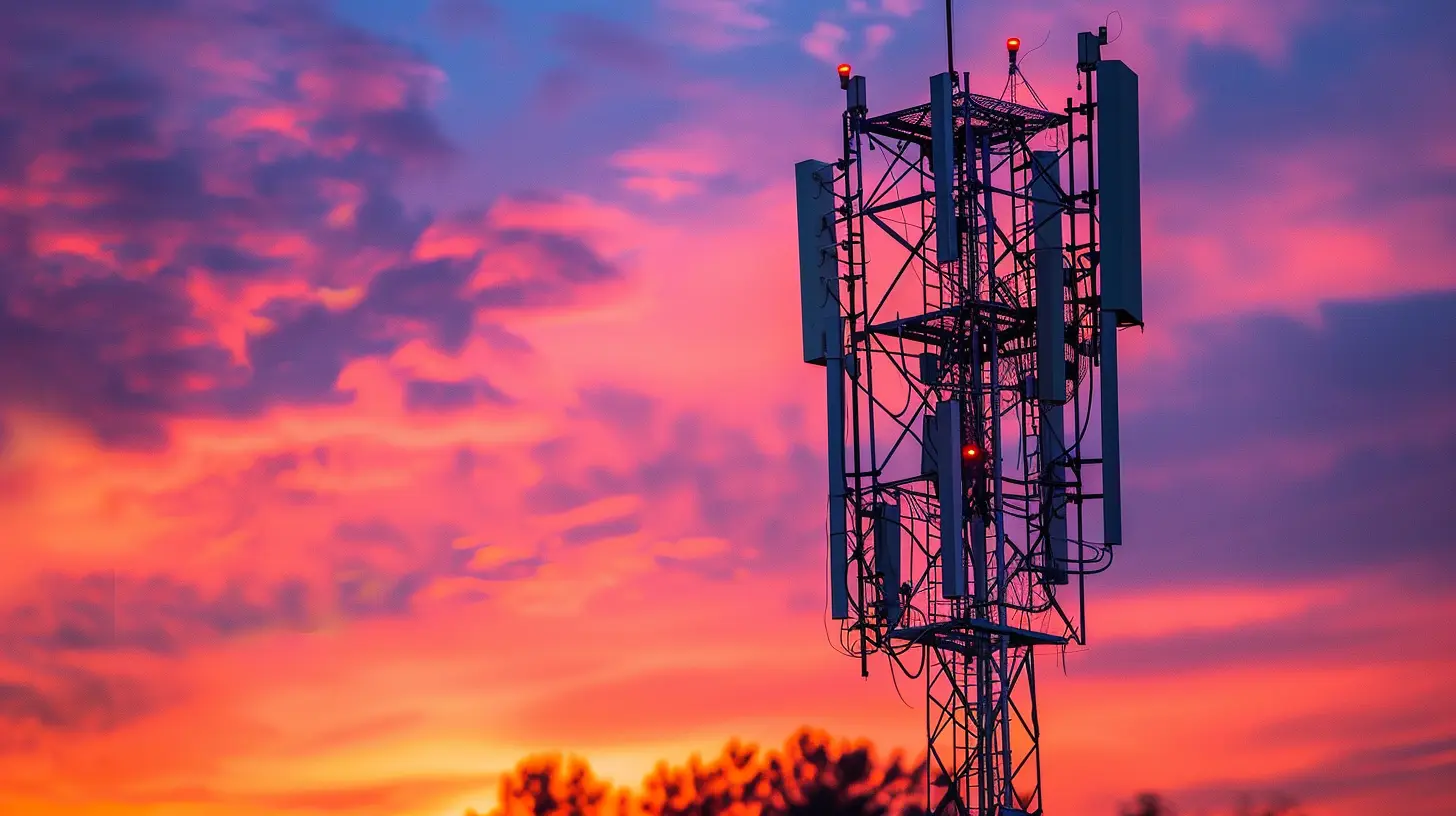
Latency? Practically Gone
If you’ve gamed online or done a video call that froze mid-smile, you know how frustrating lag can be. Latency is the villain of smooth communication.- 4G Latency: ~50 milliseconds
- 5G Latency: ~10 milliseconds
- 6G Latency: Expected to be 1 millisecond or less
That’s so fast, our brains wouldn’t even process the delay. For things like remote surgery, autonomous driving, or real-time AI decision-making—this kind of speed is absolutely vital.
AI + 6G = Smart Everything
Here’s where things get spicy. 6G networks won’t just pass data—they’ll understand it. Artificial Intelligence will be a core part of how 6G works. Think of it like giving your network a brain.- It can predict network congestion before it happens
- Automatically optimize speeds for individual users
- Secure itself against threats in real-time
We’re moving from static communication models to dynamic, learning, evolving networks. Smart cities, smart vehicles, smart homes—they all thrive on this kind of intelligence.
The Rise of Holographic Communication
Remember those cool holograms in sci-fi movies? Get ready to see them become part of your Zoom meetings. 6G is expected to support ultra-high-resolution, real-time holographic calls.Because of its ultra-fast speed and low latency, 6G will open the doors to volumetric 3D video conferencing. It’s like FaceTime, but Star Wars style. Wild, right?
Mixed Reality Meets Hyper-Reality
The metaverse is getting a massive upgrade.6G networks will have the capacity to support full-immersive experiences, blending AR, VR, and MR into one integrated world. Whether you're attending a virtual lecture or working on a holographic 3D model in mid-air, real-time responsiveness and seamless motion will be the norm—not the exception.
Virtual and augmented reality will no longer feel like clunky gadgets; they'll feel like extensions of your reality.
Energy Efficiency & Sustainability
Often overlooked, but mega important—6G aims to be greener than its predecessors. With machine learning optimizing network usage and energy-efficient hardware in development, the carbon footprint of wireless technology could see a dramatic dip.That’s a leap not just for tech but for the planet.
Telecommunication Infrastructure: A Complete Makeover
Let’s talk behind-the-scenes for a sec. To handle all these futuristic features, telecom infrastructure worldwide is getting a serious facelift.- Terahertz Frequency: 6G will use ultra-high-frequency waves (THz spectrum) which offer ultra-fast speed but have shorter range.
- Dense Network Deployments: Expect way more micro and nano-cell towers.
- Satellite Integration: 6G will likely blend earth-based and satellite networks, meaning even the remotest places could get solid internet.
Basically, the playing field is leveling up. We're not just building bigger towers—we’re building smarter, more connected ecosystems.
What About Privacy and Security?
Good question. With great speed and connectivity comes great responsibility, right?6G will be baked with enhanced security features from the get-go. Think blockchain-based identity management, AI-driven threat detection, and quantum encryption. It won’t just be faster—it’ll be safer.
But let’s be honest: we’ll also need new regulations and smart policies to govern how much access these hyper-connected networks give and get. Expect some serious conversations around data governance, privacy rights, and ethical AI.
Business and Economic Impact
Hang on—this isn’t just a geeky tech shift. The global economy is getting reshaped.- Industries like healthcare, manufacturing, and logistics will see automation and real-time control like never before.
- Remote work and education will reach an entirely new level of immersion and interactivity.
- The creative economy—from artists creating immersive NFTs to writers building AI-driven universes—will explode.
The value created by 6G could be in the trillions, much of it driven by services we can’t even imagine today.
When Will 6G Actually Arrive?
The timeline? Industry experts expect the first standards to form around 2025–2026, with commercial deployment likely by 2030. It’s not around the corner, but development is in full swing, with countries like the U.S., China, South Korea, and Finland already investing billions in 6G research.So while it may feel far off, trust me—time flies in the tech world.
Will 6G Replace Wi-Fi?
Funny you ask. It’s complicated.While 6G could make mobile broadband fast and cheap enough to challenge Wi-Fi in some spaces, Wi-Fi isn’t going anywhere. What’s more likely is a seamless interplay between 6G and Wi-Fi 7, giving users uninterrupted, high-speed connectivity whether you're indoors or out.
It’s less about one replacing the other—and more about them working together like the perfect tech tag team.
Wrapping It Up: A Brave New (Connected) World
6G isn’t just the next step for your smartphone—it’s the blueprint for our digital future. It’ll redefine how we live, work, play, and connect with each other and our environments.From autonomous everything, real-time holograms, to intelligent networks that think and adapt—6G is shaping up to be one of the most transformative technologies the world has ever seen.
So, while 5G is still showing off its talents, keep an eye on the horizon. Because 6G? It’s about to change the game entirely.
all images in this post were generated using AI tools
Category:
TelecommunicationAuthor:

Ugo Coleman
Discussion
rate this article
2 comments
Aiden McKinstry
6G is like upgrading from a potato to a hyperactive squirrel on espresso! Imagine downloading entire movies in the blink of an eye while your smart fridge argues with your toaster over the perfect breakfast. Buckle up, folks—telecommunications is about to get weirder and way more wonderful!
March 27, 2026 at 5:31 AM
Ugo Coleman
Absolutely! The leap to 6G will bring some wild innovations. Can't wait to see what our devices will do next!
Everett McKittrick
6G: the sparkly unicorn of tech! Imagine texting your toaster while streaming intergalactic cat videos—fabulous!
March 25, 2026 at 5:02 AM
Ugo Coleman
Absolutely! The visionary potential of 6G could indeed transform our connectivity and interactions in ways we can only imagine—bringing everyday appliances and entertainment to a whole new level!