How Telecom Is Driving the Future of Digital Payments
15 June 2026
It’s no secret—our world is becoming increasingly cashless. We’re shopping online, transferring money with the tap of a button, and tipping our baristas with a quick scan of a QR code. But have you ever paused to wonder who’s really paving the way for all this magic? Spoiler alert: It’s not just the banks or fintechs. Telecom companies are playing a surprisingly big role in shaping the future of digital payments.
Yeah, we know… telecom and payments don’t immediately sound like they belong in the same sentence. But stick around, because once you see how these two industries are teaming up, you’ll realize they’re the ultimate power duo in the digital economy.
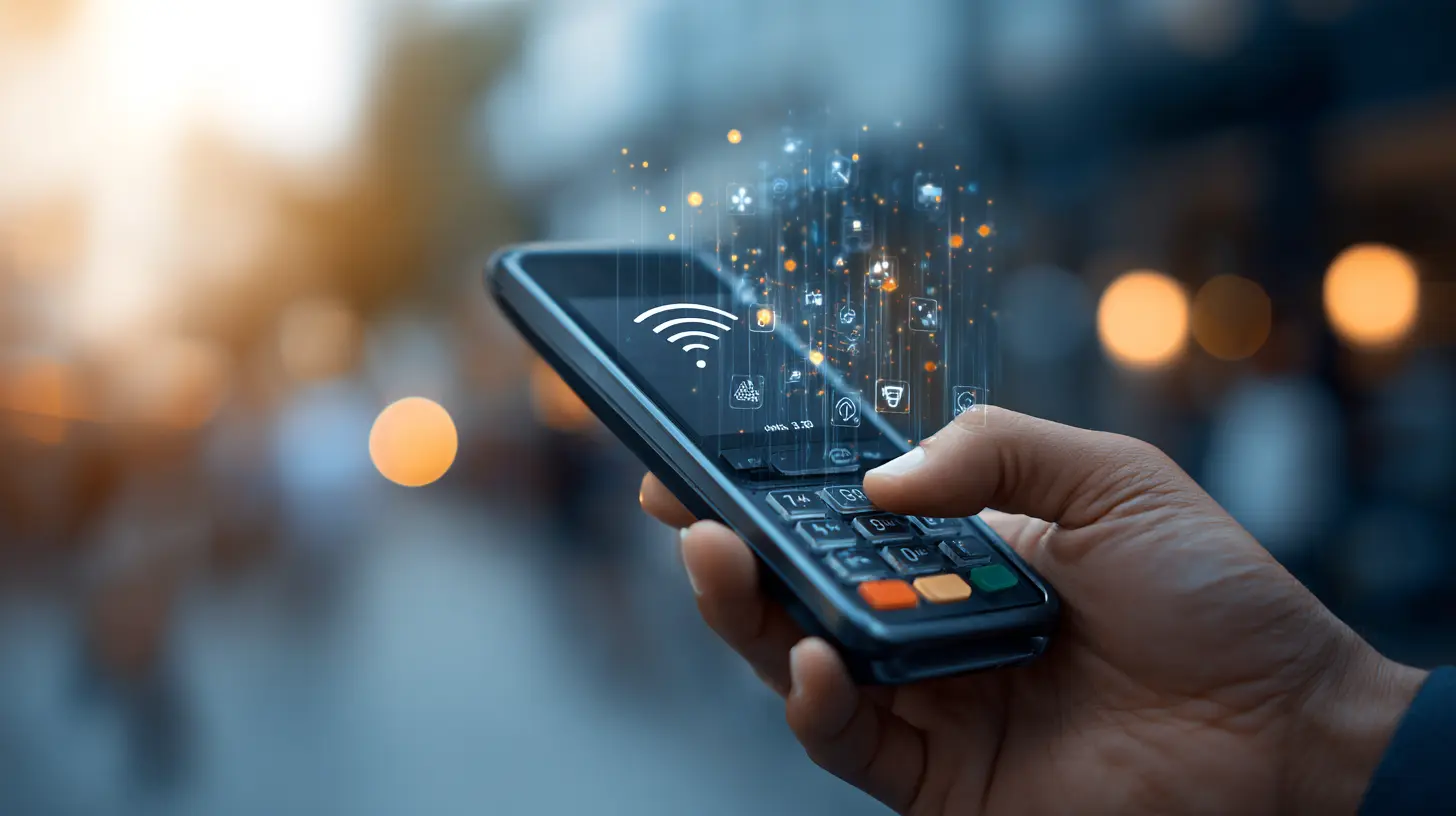
The Telecom-Payments Connection: A Match Made in Digital Heaven
Think about it—telecom companies connect people. Payments connect people to money. Combine the two, and what you get is pure synergy.Telecom providers have the infrastructure, the customer reach, and the data. With billions of users (yes, with a “B”), telcos know who their customers are, where they live, how they use services, and most importantly, how to reach them instantly. This is a goldmine for digital payment platforms looking to scale fast and securely.
Telcos Are Becoming Financial Gateways
Gone are the days when telecom companies only sold call minutes and internet data. Many are now diving headfirst into financial services. From mobile wallets and peer-to-peer transfers to full-blown digital banking, telcos are evolving.Mobile money, for example, is booming in regions like Africa, Asia, and Latin America—all thanks to telecom operators. Services like M-PESA (by Safaricom) in Kenya have revolutionized how people save, send, and spend money—all without needing a traditional bank account.
The success of such services isn’t just a fluke. It’s proof that when telecom and finance fuse, financial inclusion becomes real.
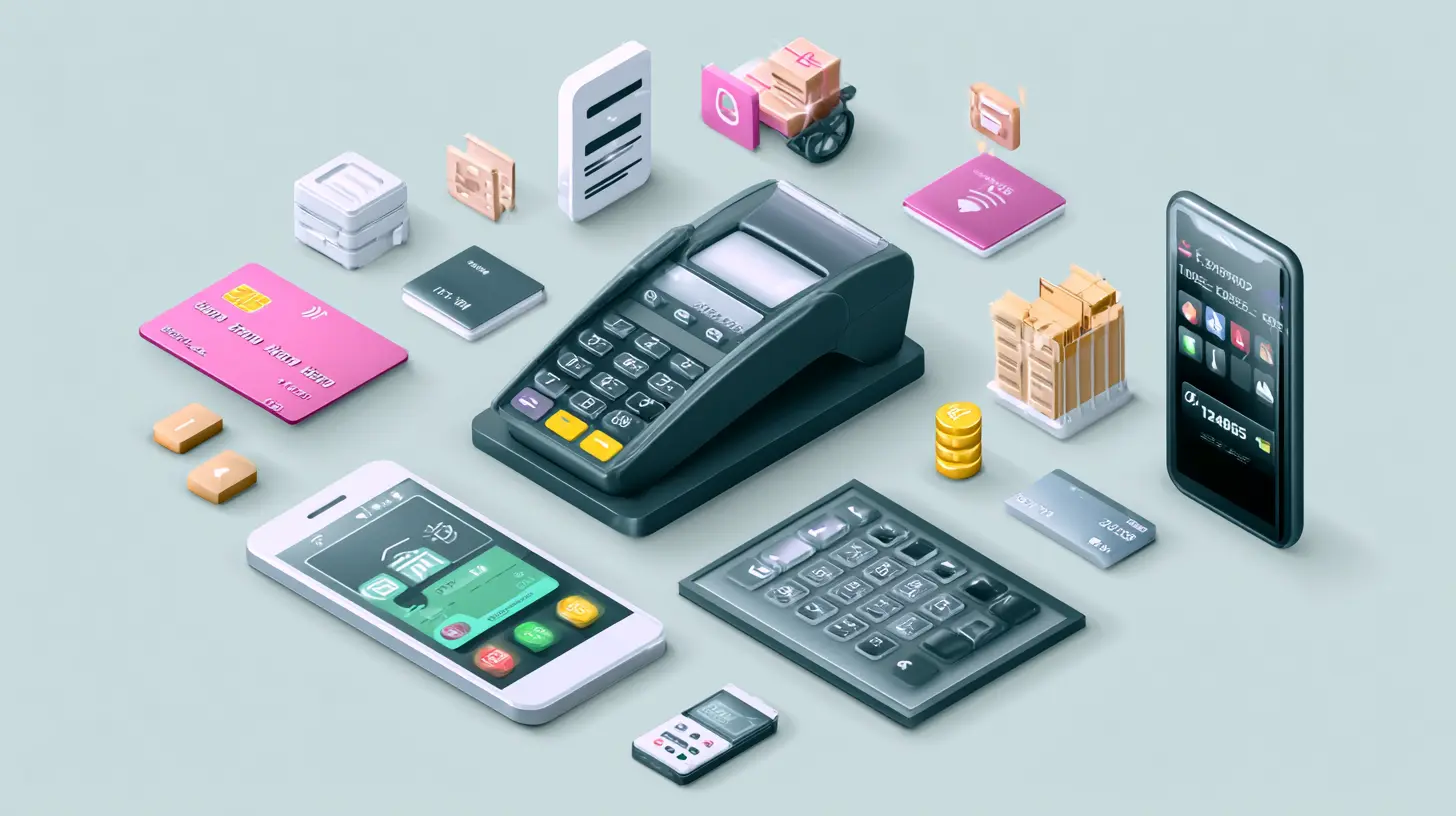
Why Telcos Have a Competitive Edge in the Payments Game
So, what makes telecoms the new unexpected heroes of digital payments? Let’s break it down.1. Massive Customer Bases
We're talking about billions of mobile subscribers worldwide. That’s a ready-made audience just waiting to go digital. Telcos already have access to user KYC (Know Your Customer) data, which is critical for any kind of financial transaction. No need to build trust from scratch—it’s already there.2. Infrastructure is Already in Place
No need to build new networks—telcos already have them. They can piggyback on existing towers, spectrum, and mobile networks to deliver payment services. This is especially useful in remote or underbanked areas where traditional banks can't (or won't) go.3. Seamless Integration with Mobile Devices
Let’s face it, we live on our phones. Telecom companies are right there in your pocket, 24/7. By embedding digital payment capabilities directly into SIM cards or apps, they make transacting as easy as texting.4. Loyalty and Billing Systems
Telecoms have been in the billing business for decades. Applying this expertise to micro-transactions, digital wallets, and subscription models is an easy transition. Plus, they can offer incentives like cashback, discounts, or reward points to drive payment adoption.
Real-World Examples of Telecoms Revolutionizing Digital Payments
Here’s where it gets really interesting. Let’s highlight a few global examples that show how telcos are crushing it in the fintech space.M-PESA: Africa's Digital Finance Legend
We can’t talk about telecom-enabled payments without giving a major shoutout to M-PESA. Launched in Kenya in 2007 by Safaricom, M-PESA allows users to pay bills, transfer money, and make purchases—all through mobile phones.Even without a bank account, people in rural areas can now fully participate in the digital economy. This has had a stunning ripple effect, lifting millions out of poverty by enabling financial inclusion where banks just couldn’t reach.
Vodafone and Paytm: Powerhouse Partnership
In India, telecom giant Vodafone partnered with digital wallet Paytm to expand cashless payments. With Paytm’s tech and Vodafone’s customer base, they pushed mobile payments forward, especially after the 2016 demonetization drive.Millions of Indians made the switch to digital, thanks in large part to how easy telcos made it to top up wallets, pay utility bills, and even shop—all from a phone.
Orange Money: The European/African Connector
France-based telecom company Orange launched Orange Money, a mobile money service that’s now available in over 17 countries across Africa and the Middle East. This service targets regions where banking infrastructure is weak but mobile penetration is high.People can use Orange Money to pay for things like transportation, groceries, and even school fees. Try doing that with a traditional bank account in a rural village!
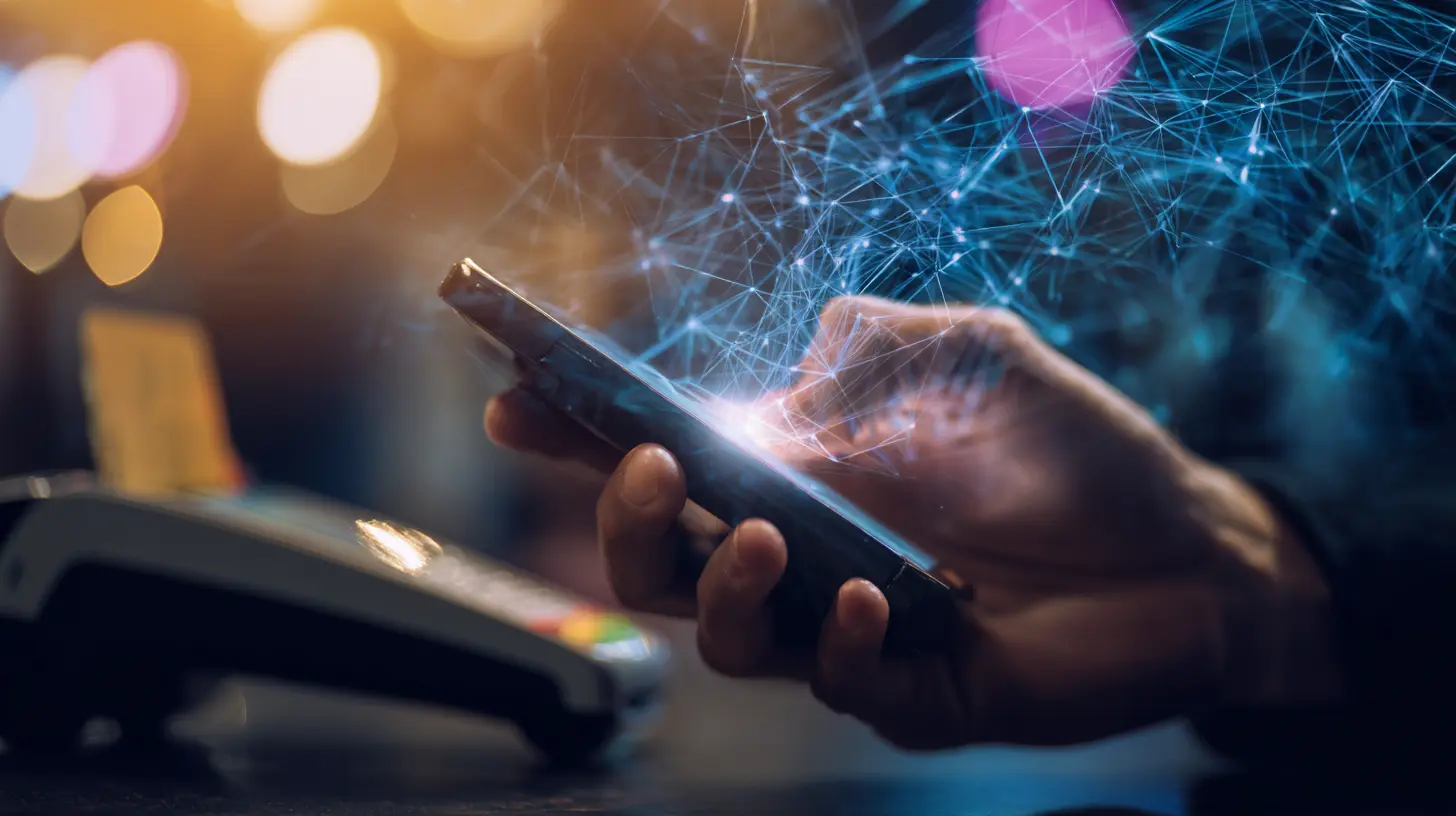
Key Technologies Empowering Telecom-Driven Payments
Without tech, none of this would be possible. So, what’s cooking under the hood?1. USSD (Unstructured Supplementary Service Data)
It’s not flashy, and it may feel a bit old-school, but USSD is a rockstar in developing economies. It allows users to interact with their telecom provider through simple codes (like *123#). This is how many people access mobile money—no smartphone or internet required.2. NFC (Near Field Communication)
This is the magic behind contactless payments. Telcos are using NFC tech in SIM-based or embedded smartphone solutions, turning phones into digital wallets. Just tap, pay, and go. No cash, no fuss.3. Blockchain & Cryptocurrencies
Some major telcos are now dipping their toes into blockchain-based ecosystems. Why? Because blockchain offers transparency, speed, and reduced transaction costs—key elements missing from old-school banking.Also, more telecoms are exploring stablecoins (crypto that's tied to real assets) as a way to offer cross-border payments without the crazy fees.
4. eSIM and IoT Integration
With the rise of eSIMs and smart devices, telcos are embedding payment functionality into wearables, cars, and even household devices. Imagine your smart fridge reordering milk and paying for it—all facilitated by your telecom provider. Wild, huh?Challenges Telcos Face in the Digital Payments Space
Of course, it’s not all sunshine and rainbows. While telecom companies are making serious moves, they’re also hitting a few speed bumps.Regulatory Hurdles
Financial services are heavily regulated, and telcos aren’t traditionally in this space. Navigating compliance, anti-money laundering (AML) laws, and cross-border regulations can be tricky.Cybersecurity Risks
Handling money means becoming a target. Telcos need top-notch security frameworks to protect against fraud, hacking, and data breaches. One wrong move can erode years of customer trust.Competitive Pressure
Fintechs and big tech players like Apple Pay, Google Pay, and Alipay aren’t sitting idle. The race is on to dominate the digital payments landscape, and telcos must innovate fast or risk losing ground.Customer Education
In many markets, customers still don't fully understand how to use mobile money safely. Telecom companies need to invest in education and support to drive adoption, especially among older and rural populations.
The Future: Where Are We Headed?
So, what’s next in this exciting intersection of telecom and digital payments? Three words: smarter, faster, everywhere.- Smarter AI integration will anticipate your payment needs.
- Faster 5G networks will make transactions instant, even in real-time augmented reality commerce.
- Everywhere payments will mean people can pay via phones, watches, cars, even vending machines with no friction.
We’re also seeing more mergers and partnerships—telcos teaming up with banks, fintechs, and retail giants to build super apps that do everything from chat to shop to pay. Think of them as the Swiss Army knife of the digital world.
Final Thoughts
Telecom companies are no longer just the guys who give us call minutes and mobile data. They’re quietly becoming the backbone of the digital payments world—especially in underserved and emerging markets.Their reach, trust, and technology make them uniquely positioned to break barriers and build inclusive financial ecosystems. As the digital economy grows, telecom’s role in powering it will only get stronger.
So next time you send money through a phone or scan a QR code to pay your cab fare, remember—you’re not just using a payment app. You’re tapping into a massive telecom-powered revolution.
all images in this post were generated using AI tools
Category:
TelecommunicationAuthor:

Ugo Coleman
Discussion
rate this article
1 comments
Runeveil McRae
Exciting times ahead! The fusion of telecom and digital payments is transforming the way we transact. It's amazing to see how technology is making life easier and more connected for everyone. Here's to the future!
June 16, 2026 at 2:58 AM
Ugo Coleman
Absolutely! The blend of telecom and digital payments is a game changer. Exciting times indeed as we move towards a more connected future.