Power Banks That Keep You Fully Charged on the Go
27 December 2025
In today’s fast-paced, technology-driven world, staying connected is not optional; it's essential. Whether you're out hiking in the wilderness, commuting, or just running errands, one thing’s for sure—your devices need juice to keep up. But let’s be real for a second, how many times have you found yourself in the middle of the day, staring at the dreaded ‘low battery’ warning? It’s like waiting for your phone to tap out of the match when you need it the most.
That’s where power banks come in. These portable lifesavers keep your devices charged, ensuring you’re not left hanging when you need them the most. But not all power banks are created equal. Some are designed for quick top-ups, others for full charges, and some even for multiple devices at once. In this article, we’ll dive into the world of power banks that keep you fully charged on the go.
Why You Need A Power Bank
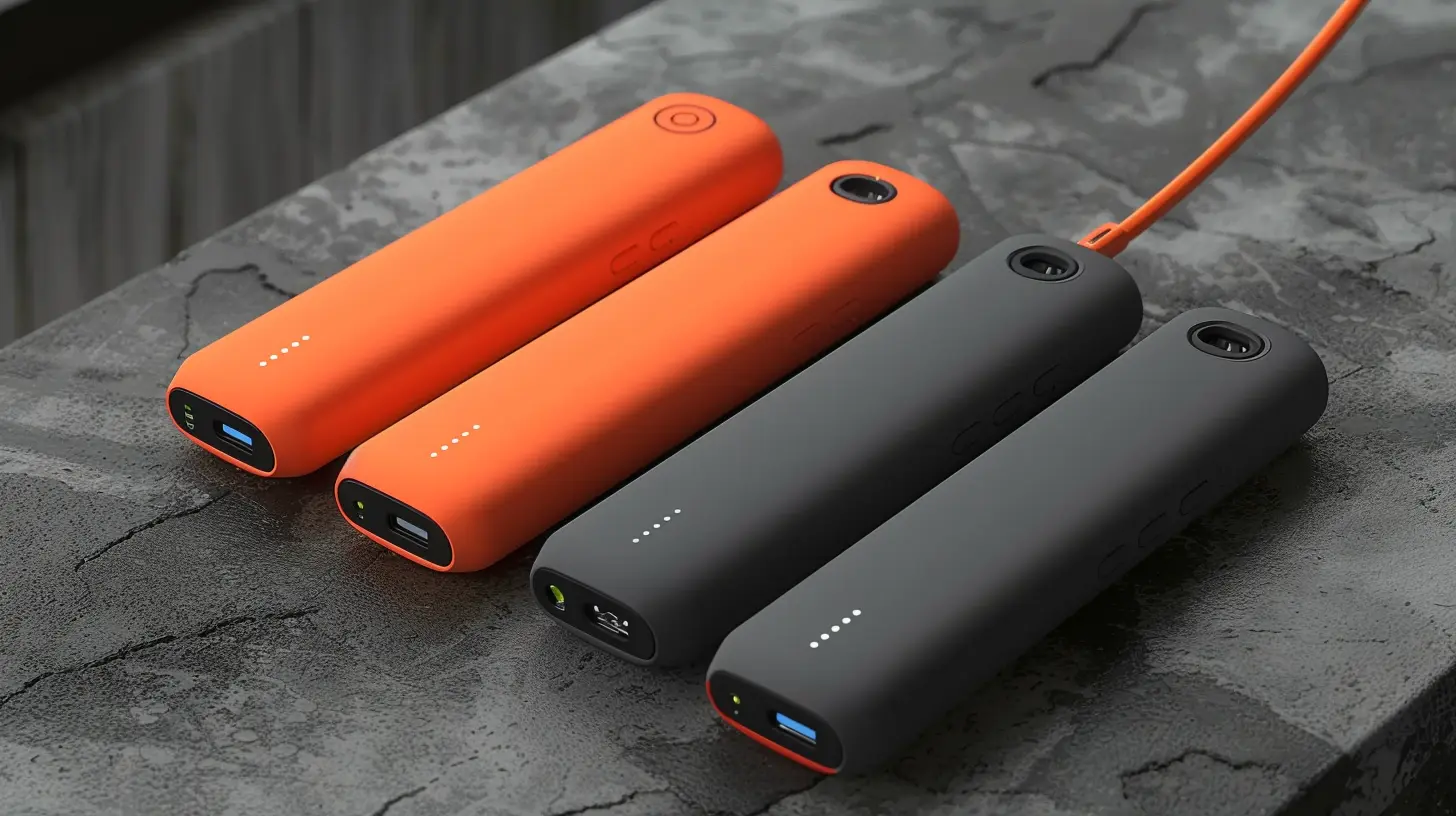
Before we dive into the specifics, let’s talk about why you need a power bank in the first place. Sure, maybe you’re thinking, “I’m never too far from an outlet.” But think again. Remember that road trip where your phone died just as you were about to change the playlist? Or that time you were in a meeting and couldn’t access an important document because your tablet went dead? Yeah, power banks have your back in situations like these.Plus, with the increasing number of devices we carry around—smartphones, tablets, smartwatches, wireless earbuds, and even laptops—keeping them all charged can feel like a juggling act. A reliable power bank is like having a safety net in your pocket or backpack that ensures you’re never caught off guard.
Key Features To Look For In A Power Bank
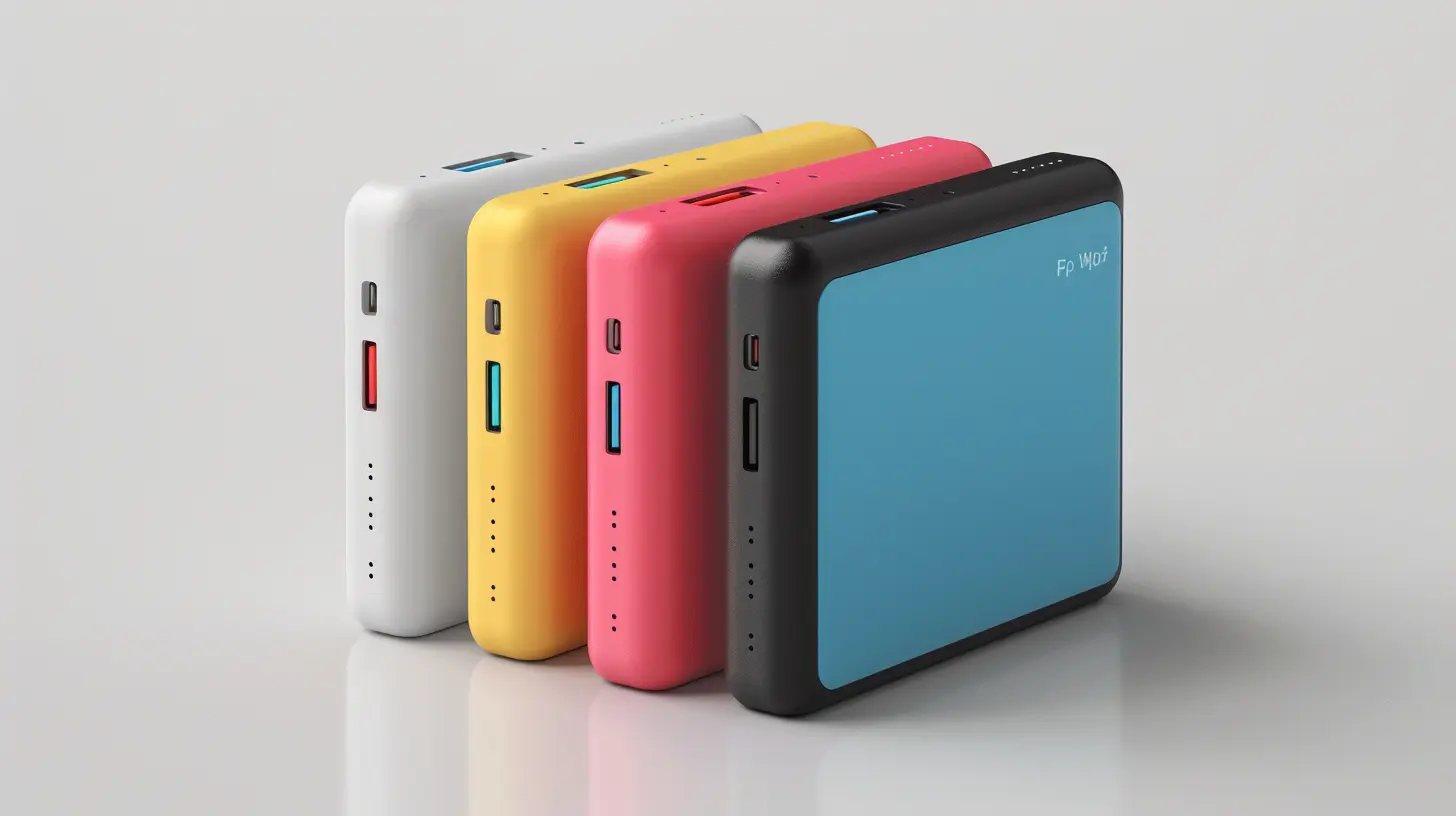
Not all power banks are created equal. Some are designed to charge small gadgets like earbuds, while others can power up a laptop. So, what should you be looking for when picking the perfect power bank? Here are some key features to keep in mind:1. Capacity (Measured in mAh)
The capacity of a power bank is measured in milliampere-hours (mAh), and this tells you how much power the bank can store. The higher the mAh, the more charge cycles you can get out of it. For example, a 10,000mAh power bank can charge a typical smartphone 2-3 times, while a 20,000mAh power bank can charge it up to five times.Tip: If you're someone who charges multiple devices, go for something with at least 15,000mAh or more.
2. Portability
Let’s face it, you want a power bank that’s easy to carry, not something that weighs you down. Slim, lightweight power banks are great for everyday use. But if you’re going on a long trip and need more power, you might have to compromise on size for better capacity.Tip: For day-to-day use, a compact power bank with a moderate capacity (around 10,000mAh) is a great balance between portability and function.
3. Charging Speed (Wattage and Output Ports)
Fast charging is a must these days. Many devices now support quick charging protocols, so it’s essential that your power bank can keep up. Look for power banks with high output wattage (at least 18W) and multiple output ports (USB-A, USB-C). Some power banks even have Power Delivery (PD), which is a game-changer for charging larger devices like tablets and laptops.Tip: If you have a modern smartphone or tablet, make sure the power bank supports fast charging standards like Quick Charge or Power Delivery.
4. Number of Ports
Most of us carry more than one device, so having a power bank with multiple ports can be a huge convenience. Some power banks have up to four output ports, so you can charge your phone, tablet, and earbuds all at once.Tip: USB-C ports are becoming the standard for most new devices, so a power bank with USB-C support is a good future-proof investment.
5. Durability and Build Quality
If you’re someone who’s always on the go, you’ll want a power bank that can handle a few bumps and bruises. Some power banks come with rugged designs, water resistance, and even shock-proof features.Tip: Look for power banks with a sturdy build and materials like aluminum or ABS plastic, especially if you plan to use them outdoors.
6. Additional Features
Some power banks come with nifty extras like built-in flashlights, wireless charging capabilities, or even solar panels for when you’re really off the grid. These features can be useful but are often reflected in the price.Tip: If you’re an outdoor enthusiast, consider a power bank with solar charging capabilities. It won’t be the fastest way to charge, but it’s great in a pinch.
The Best Power Banks For Every Need
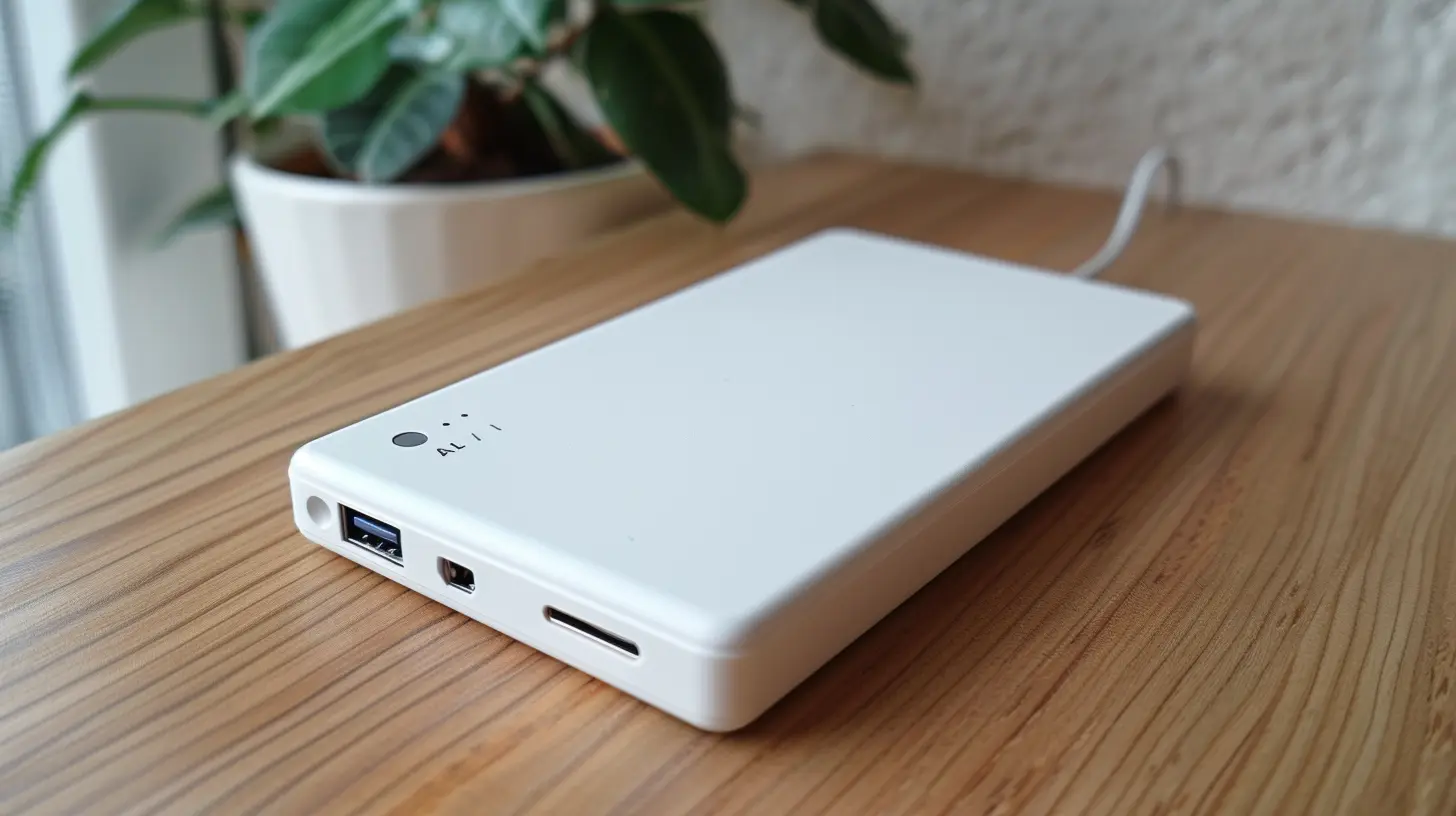
Now that you know what to look for, let’s break down some of the best power banks on the market today. Whether you need something compact for daily use or a heavy-duty option for extended trips, there’s a power bank out there for you.1. Anker PowerCore 20100mAh
Anker has long been the go-to brand for reliable power banks, and the PowerCore 20100 is no exception. With a massive 20,100mAh capacity, this bad boy can charge an iPhone 13 five times over. It’s a bit on the heftier side, but it’s still portable enough to throw in a backpack. Plus, it has two USB-A ports, allowing you to charge two devices at once.Best For: Long trips, multiple devices
Pros: High capacity, dual ports, fast charging
Cons: A bit bulky for everyday carry
2. RAVPower 16750mAh Power Bank
Slightly smaller but still packing a punch, the RAVPower 16750mAh power bank is a great mid-range option. It’s compact but still has enough juice to charge most smartphones multiple times. It comes with two USB ports, one of which supports fast charging.Best For: Everyday use, moderate power needs
Pros: Compact, fast charging, durable
Cons: Slightly slower to recharge itself
3. Zendure A3PD 10,000mAh
If you need something ultra-portable, the Zendure A3PD is one of the best compact power banks around. It’s small enough to fit in your pocket but still has a 10,000mAh capacity. The key feature here is the Power Delivery (PD) support, which means it can fast-charge your smartphone or even give a little juice to your laptop.Best For: Daily carry, fast charging
Pros: Lightweight, Power Delivery support, durable design
Cons: Limited charging capacity for larger devices
4. Aukey Basix Pro 20,000mAh Wireless Power Bank
A wireless power bank? Yes, please! The Aukey Basix Pro comes with a 20,000mAh capacity and offers both wired and wireless charging options. Imagine charging your phone just by placing it on top of the power bank—no cords required. It also includes a handy kickstand, making it perfect for streaming videos while charging.Best For: Wireless charging, hands-free use
Pros: Wireless charging, large capacity, built-in kickstand
Cons: Slower wireless charging compared to wired
5. Goal Zero Sherpa 100PD
For the more adventurous souls out there, the Goal Zero Sherpa 100PD is the ultimate power bank. It’s designed for outdoor use and comes with a massive 25,600mAh capacity. This beast can charge everything from phones to laptops, and it even has a wireless charging pad. If you’re going off the grid, this is the power bank you want in your bag.Best For: Outdoor adventures, multiple devices
Pros: Large capacity, wireless charging, rugged design
Cons: Expensive, bulky

How To Maximize Your Power Bank’s Lifespan
Picking the right power bank is only half the battle. Taking care of it is just as important if you want it to last. Here are some tips to keep your power bank in top shape:- Avoid draining it completely. Just like your phone battery, it’s best not to fully deplete your power bank. Try to top it up when it hits around 20%.
- Store it in a cool, dry place. Extreme temperatures can damage the battery cells, so avoid leaving your power bank in hot cars or freezing environments.
- Use it regularly. Don’t let your power bank sit idle for months on end. Try to use it at least once every few months to keep the battery active.
Final Thoughts
A good power bank can be a game changer, especially in a world where staying connected is more important than ever. Whether you’re looking for something compact for your daily commute or a heavy-duty option for long trips, there’s a power bank out there that perfectly fits your needs. So, the next time you’re on the go, don’t let a dead device slow you down—stay fully charged and ready for whatever life throws your way.all images in this post were generated using AI tools
Category:
Tech AccessoriesAuthor:

Ugo Coleman
Discussion
rate this article
2 comments
Diesel Williams
Great overview! Power banks are essential for staying connected; the right one can make all the difference.
January 29, 2026 at 5:16 AM
Ugo Coleman
Thank you! I completely agree—having the right power bank is key to staying connected on the go!
Arden McLaurin
In a world where staying connected is vital, these power banks promise more than just convenience—they hold secrets. What unseen technology fuels their efficiency? Are they mere gadgets, or do they hold the key to a future where power knows no bounds? The journey begins with a charge.
December 31, 2025 at 3:30 AM
Ugo Coleman
Thank you for your thought-provoking comment! Power banks are indeed more than just gadgets; they represent the evolution of portable energy solutions, leveraging advanced battery technology and smart features to enhance our connectivity and convenience on the go. The future of power is exciting and full of potential!