Smart Hubs vs. Voice Assistants: What’s Best for You in 2026
27 May 2026
Let me paint you a picture. It's 7:15 AM on a Tuesday in 2026. Your alarm didn't just scream at you from a phone. It whispered through the air, coaxing the lights to a soft amber, nudging the thermostat to a gentle warmth, and starting your coffee maker with the kind of quiet precision that feels almost human. You mumble a command from under the duvet, and the room responds. But here's the question that's been gnawing at me: was that response coming from a smart hub or a voice assistant? And does it even matter anymore?
In 2026, the line between these two has blurred like a watercolor left in the rain. But the difference still matters-more than you might think. Choosing between a smart hub and a voice assistant isn't just about specs or brand loyalty. It's about how you want your home to feel. Do you want a butler who anticipates your every whim, or a helpful friend who's always ready to fetch the weather report? Let's untangle this mess together.
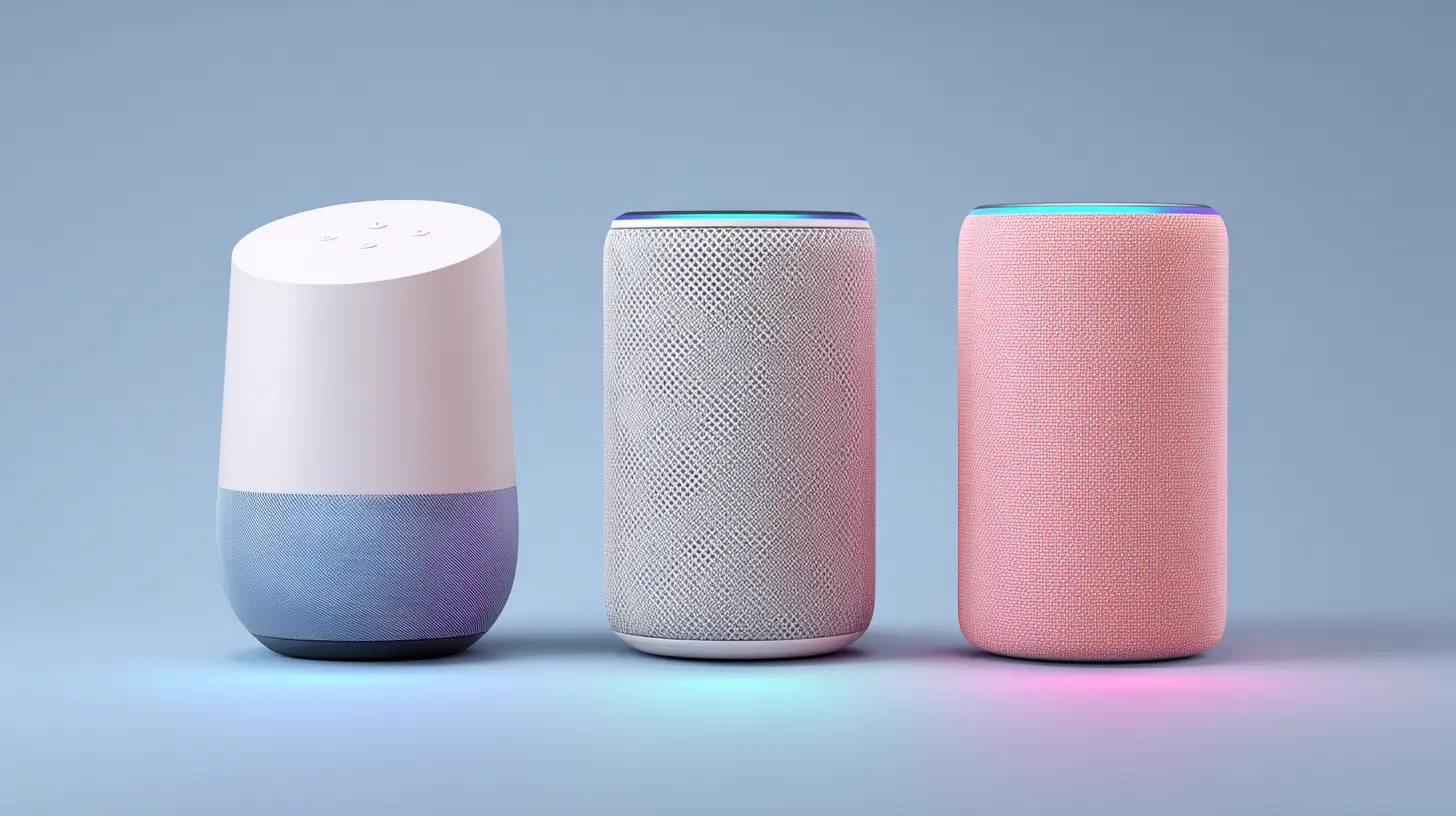
The Core Difference: Brains vs. Brawn
First, let's get the basics straight. A voice assistant is the software brain inside a device. Think of it as the personality-Alexa, Google Assistant, Siri, or the newer kids on the block like Bixby or the open-source Mycroft derivatives. It lives on your phone, your smart speaker, your laptop, and even your car. It listens, interprets, and talks back. It's the voice in the machine.A smart hub, on the other hand, is the hardware backbone. It's the physical box-or the integrated system-that speaks the language of your devices. It uses Zigbee, Z-Wave, Thread, or Matter to command your lights, locks, sensors, and shades. It doesn't have to be chatty. In fact, the best hubs are almost silent. They're the stagehands of your smart home, pulling strings behind the curtain while you take the applause.
In 2026, most voice assistants have hub-like capabilities built in. Amazon's Echo devices now ship with a built-in Zigbee radio as standard. Google's Nest Hub Max has Thread support baked into its silicon. Apple's HomePod mini acts as a Thread border router. But here's the rub: not all voice assistants are created equal when it comes to hub duties. And not all hubs have a voice you'd want to chat with.
So which one do you really need? Let's break it down by the things that actually matter in your daily life.
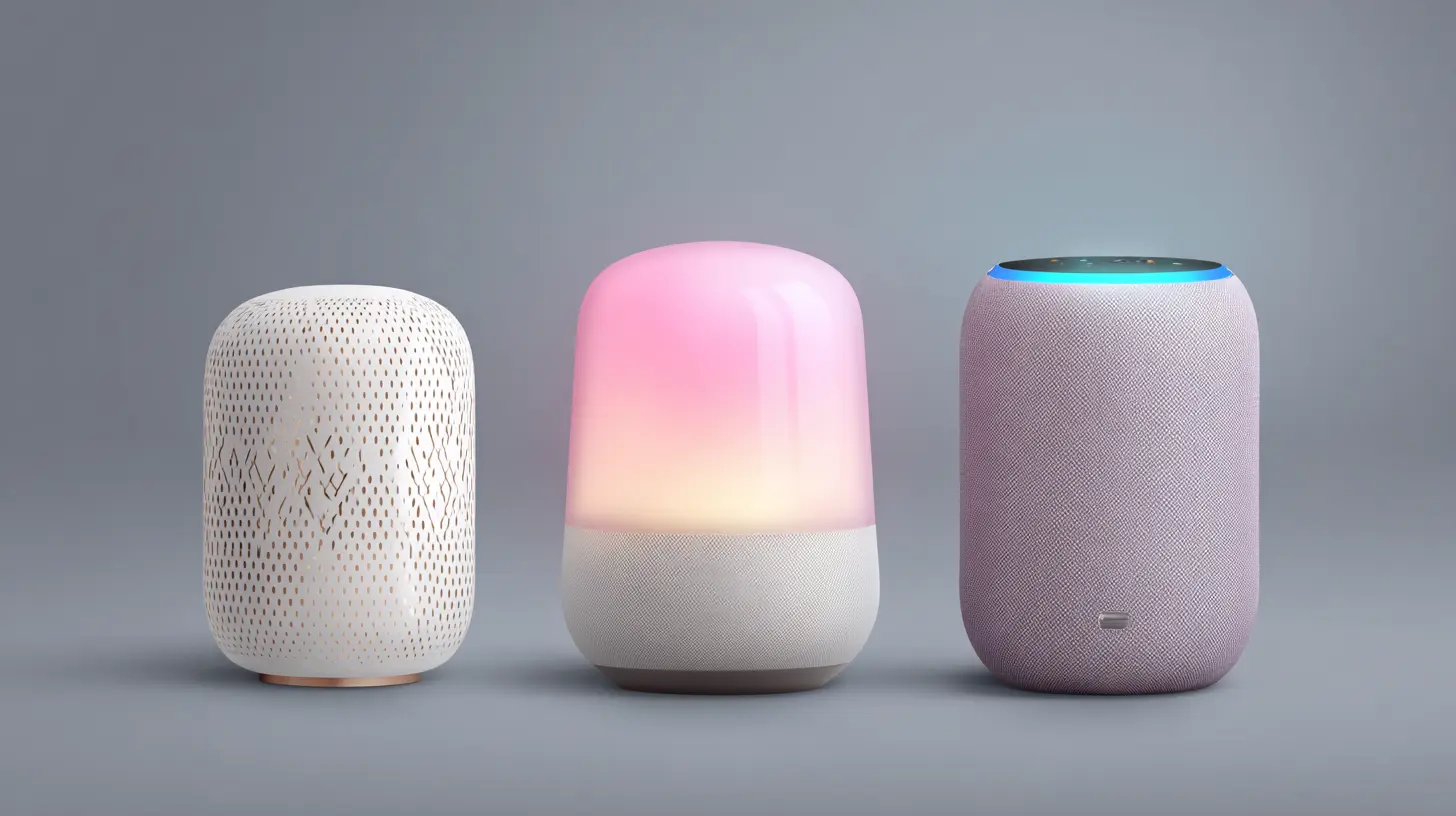
The Poetry of Presence: Where the Hub Shines
Imagine you're walking into your living room after a long day. The sun has set, and the room is dark. With a smart hub, you don't have to say a word. A motion sensor triggers the entryway light. The hub, sitting quietly in a closet, processes the signal in milliseconds. No wake word. No internet lag. No "I'm sorry, I didn't catch that." Just light.That's the magic of local control. In 2026, the smartest homes are moving away from cloud dependency. Privacy concerns, latency issues, and the occasional internet outage have pushed manufacturers to embrace Matter and Thread-protocols that let devices talk to each other directly, even when the Wi-Fi is down. A dedicated smart hub excels here. It's a traffic cop that never sleeps, never gets distracted by a conversation in the next room, and never asks you to repeat yourself.
I've got a friend who runs his entire home on a Hubitat hub. No cloud, no subscription, no voice. He walks through his house, and it just knows. The lights follow him like a loyal dog. The thermostat adjusts based on the time of day and the weather outside. It's eerie and beautiful, like living inside a well-choreographed ballet. But here's the catch: he has to program every step. There's no friendly chat. No asking for jokes or trivia. The hub is a silent genius, not a companion.
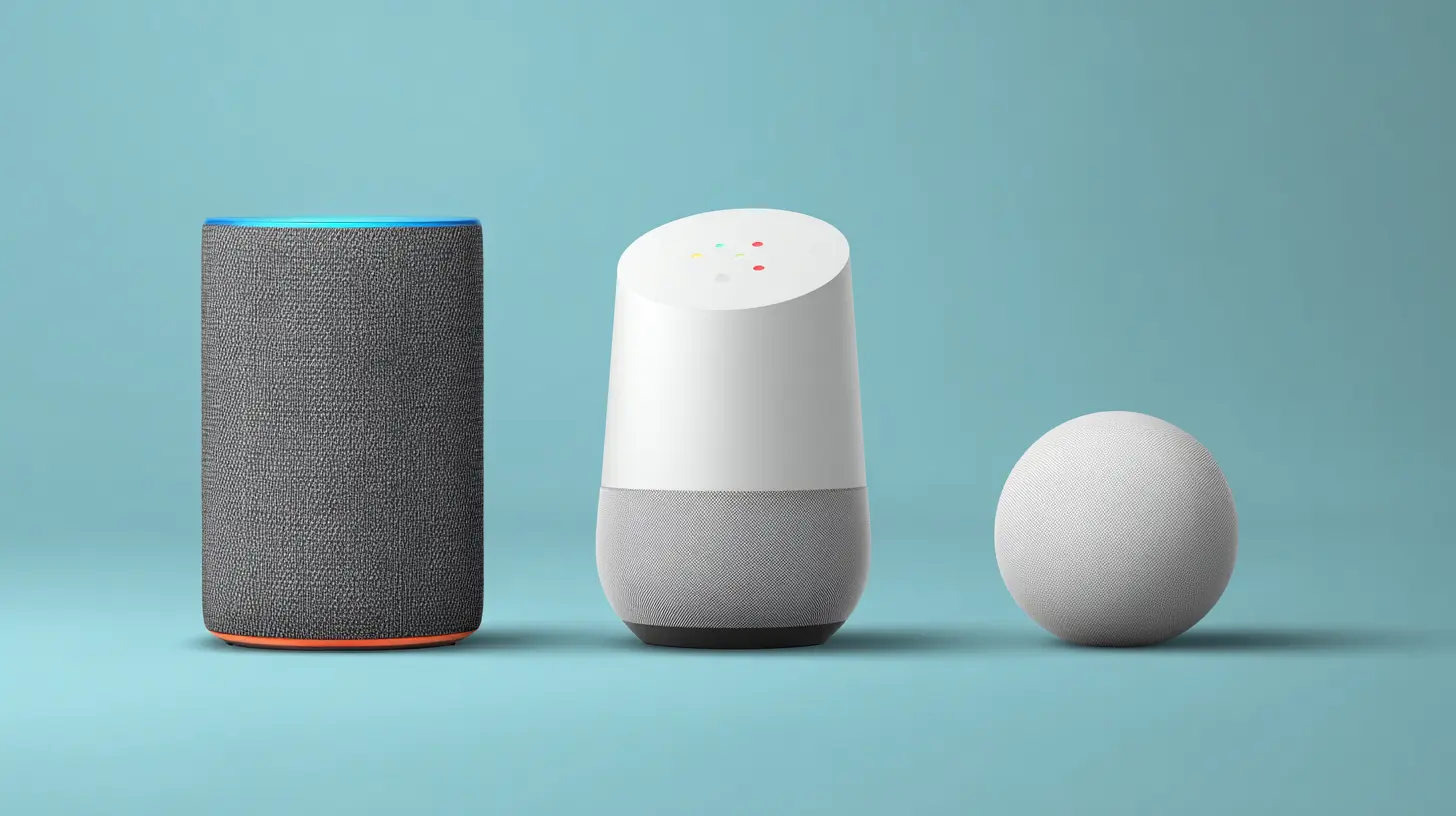
The Warmth of Conversation: Where the Voice Assistant Lives
Now flip that coin. You're in the kitchen, hands covered in dough. You need a timer, a recipe conversion, and maybe a little music to keep you company. You call out, "Hey Google, set a timer for 12 minutes and play some lo-fi beats." The voice assistant answers instantly, no fuss, no phone needed. It's like having a sous-chef who's also a DJ.Voice assistants in 2026 have gotten scarily good. They understand context better. They can distinguish between "turn off the kitchen lights" and "turn off the kitchen lights after I leave the room." They can even detect your tone-if you sound frustrated, they might offer to help calm you down with a breathing exercise or a joke. (Yes, that's real. Amazon's latest Alexa update includes emotional intelligence modules.)
But here's the shadow side. Voice assistants are chatty. They need the cloud. They process your speech on remote servers, which introduces a half-second delay that can feel like an eternity when you're in a hurry. And they can be confused by ambient noise-a barking dog, a crying baby, or your roommate yelling at a video game. In 2026, the best voice assistants are better at filtering noise, but they're not perfect.
More importantly, they're not great at managing complex automations. You can ask Alexa to turn on the living room lights, but try asking her to "turn on the living room lights at sunset only if no one is home and it's a weekday." She'll probably stare at you with a spinning blue ring. That's hub territory.
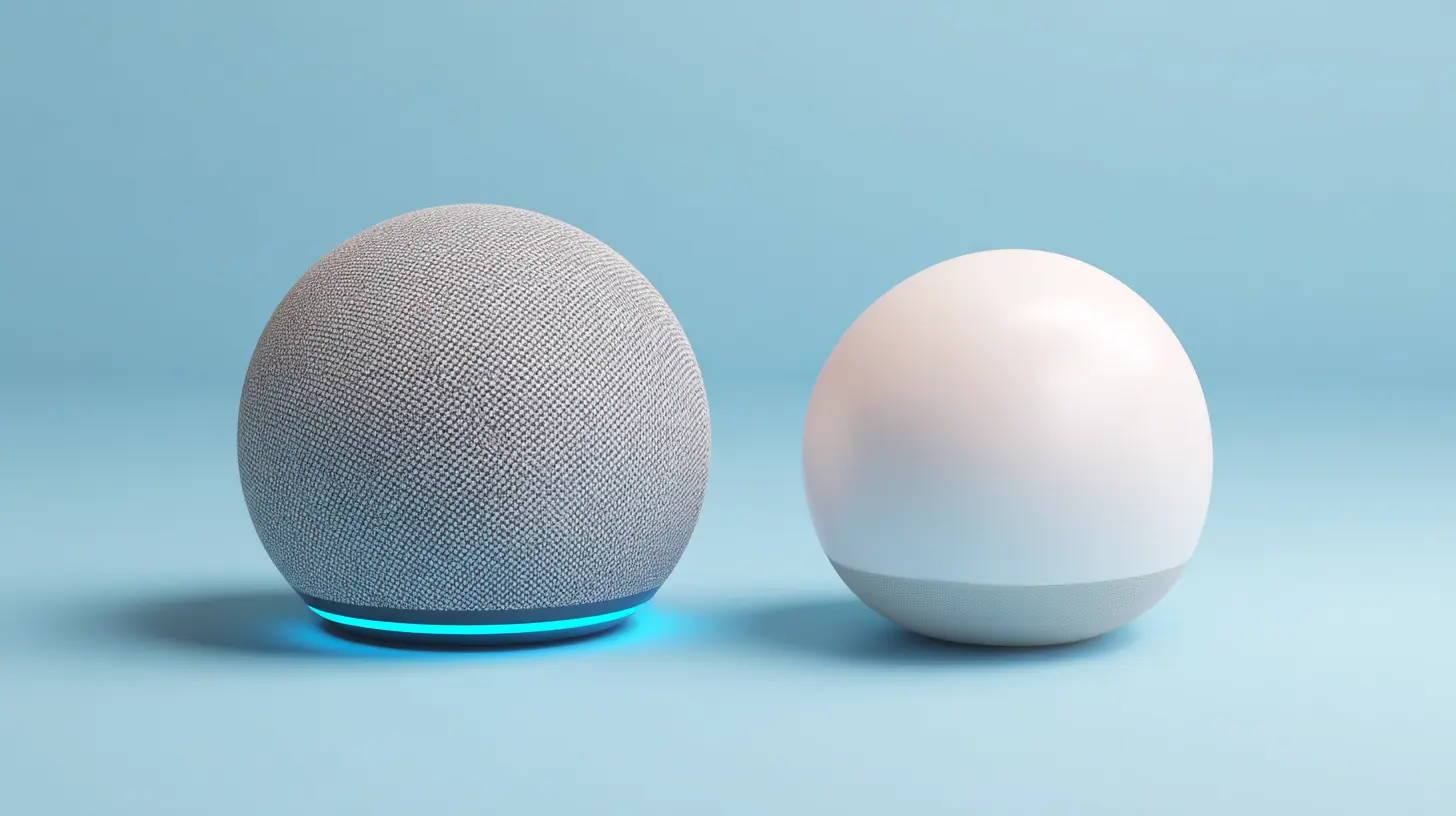
The 2026 Landscape: Matter Changes Everything
Let's talk about the elephant in the room: Matter. If you've been following smart home tech, you know Matter is the new interoperability standard backed by Apple, Google, Amazon, and Samsung. It's supposed to make every device work with every platform. In theory, you could buy a smart bulb from IKEA, a sensor from Aqara, and a lock from Yale, and they'd all talk to each other without a dedicated hub.In practice, 2026 is the year Matter actually works. The early bugs are squashed. Thread mesh networks are stable. But here's the nuance: Matter doesn't replace the hub. It replaces the need for multiple proprietary hubs. You still need a controller-a device that runs the Matter fabric. That controller can be a voice assistant speaker, a dedicated hub, or even a smart TV. The question is which one you trust to be the brain.
If you use a voice assistant as your Matter controller, you're putting the fate of your smart home in the hands of a device that's designed for conversation, not reliability. If the voice assistant's internet connection drops, your automations might fail. If the manufacturer decides to discontinue support, your home could go dumb. A dedicated hub, by contrast, is built for persistence. It runs locally. It doesn't need a subscription. It's the tortoise in the race, slow but steady.
The Use Case Test: Which One Fits Your Life?
Let's get personal. I'll walk you through a few scenarios and let you decide where you land.Scenario 1: The Busy Parent
You've got kids, a job, and about 12 minutes of free time per day. You need your home to be invisible. You want lights that turn on when you walk into the nursery at 2 AM, without fumbling for a switch. You want the thermostat to adjust automatically when the kids go to school. You want a lock that lets the dog walker in without a key. For you, a dedicated smart hub is the unsung hero. Set it up once, and it runs forever. You don't have time to talk to a voice assistant. You just need things to happen.
Scenario 2: The Tech Enthusiast
You love gadgets. You've got a shelf of smart plugs, a few sensors, and a fancy robot vacuum. You enjoy tweaking automations and experimenting with new devices. A voice assistant is your playground. You can ask it to read the news, control your music, and even control your lights. But you'll quickly hit a wall when you want to create complex routines. That's when you add a hub-maybe a Hubitat or a Home Assistant setup-and let the voice assistant be the front door while the hub is the back office.
Scenario 3: The Minimalist
You want one device that does it all. No clutter, no extra boxes. You buy a single smart speaker that promises to be both voice assistant and hub. In 2026, that's actually viable. The Amazon Echo Studio with built-in Zigbee and Thread can handle most of your needs. The Google Nest Hub Max with its Thread radio is a close second. But here's the trade-off: you're locked into one ecosystem. If you buy a device that doesn't play nice with your chosen platform, you're out of luck. And if the manufacturer pivots away from local control, your hub becomes a paperweight.
Scenario 4: The Privacy-Conscious
You don't want a microphone in every room. You don't want your conversations analyzed by a corporate server. You want a smart home that respects your silence. For you, a dedicated hub like the Homey Pro or the Hubitat Elevation is the only choice. No cloud, no voice, just local processing. You can control everything through a simple app or a physical remote. It's not as flashy, but it's yours. No one's listening.
The Emotional Component: What Feels Right?
I'll be honest with you: I've gone back and forth. For a year, I ran a voice-first setup. I had an Echo in every room. I loved the convenience of shouting commands from the couch. But I grew tired of the delays, the misunderstandings, and the eerie feeling that a corporation was learning my habits. I switched to a hub-based system with no voice at all. I felt more in control, but I missed the spontaneity of asking for a song or a fact without reaching for my phone.Now I run a hybrid. A Hubitat hub handles all the critical automations-lights, locks, climate. A single Google Nest Hub sits in the kitchen for casual interactions. They don't talk to each other directly. The hub does the heavy lifting; the voice assistant does the light work. It's not seamless, but it's honest. Each device does what it's best at.
And that's the real takeaway for 2026. The winner isn't smart hubs or voice assistants. It's the combination that respects your time, your privacy, and your sanity. Don't let marketing tell you that one size fits all. Your home is a living thing, not a spec sheet.
The Future: What's Coming in 2027 and Beyond
If you're buying in 2026, think ahead. The next wave is ambient computing-where devices disappear entirely. Sensors embedded in walls, lights that respond to your presence without a command, and AI that learns your patterns without you teaching it. The voice assistant will become a secondary interface, like a steering wheel in a self-driving car. The hub will become the silent backbone of everything.Manufacturers are already experimenting with "presence detection" using ultra-wideband radios. Imagine a hub that knows you're in the bedroom because your phone's UWB chip pings it. No voice needed. No motion sensor needed. Just a quiet awareness. That's the dream.
But for now, in this messy, beautiful moment of transition, the choice is yours. Do you want a home that listens or a home that knows? Do you want a companion or a stagehand? There's no wrong answer. Just the one that makes you feel at home.
So go ahead. Ask your assistant for the weather. Set up a motion-triggered light. Mix and match until it feels right. Your home is your canvas. Paint it with whatever tools speak to your soul.
all images in this post were generated using AI tools
Category:
Smart Home TechnologyAuthor:

Ugo Coleman
Discussion
rate this article
1 comments
Kaleb Tucker
Smart hubs offer versatility.
June 8, 2026 at 3:20 AM
Ugo Coleman
Absolutely! Smart hubs can adapt to many needs, making them a great choice for diverse setups.