Tech's Role in the Global Economy by 2027
5 May 2026
Let's cut the fluff. Everyone talks about how technology is changing the world, but most of it sounds like a press release from a company trying to sell you something. I want to talk about what's actually happening on the ground, in the numbers, and in the way we work and trade. By 2027, we're not just talking about a few cool gadgets or faster internet. We're talking about a fundamental shift in how money moves, how value is created, and who gets to sit at the table. So, grab a coffee, and let's dig into the messy, exciting, and sometimes scary reality of tech's role in the global economy three years from now.
The End of the "Digital Divide" as We Know It
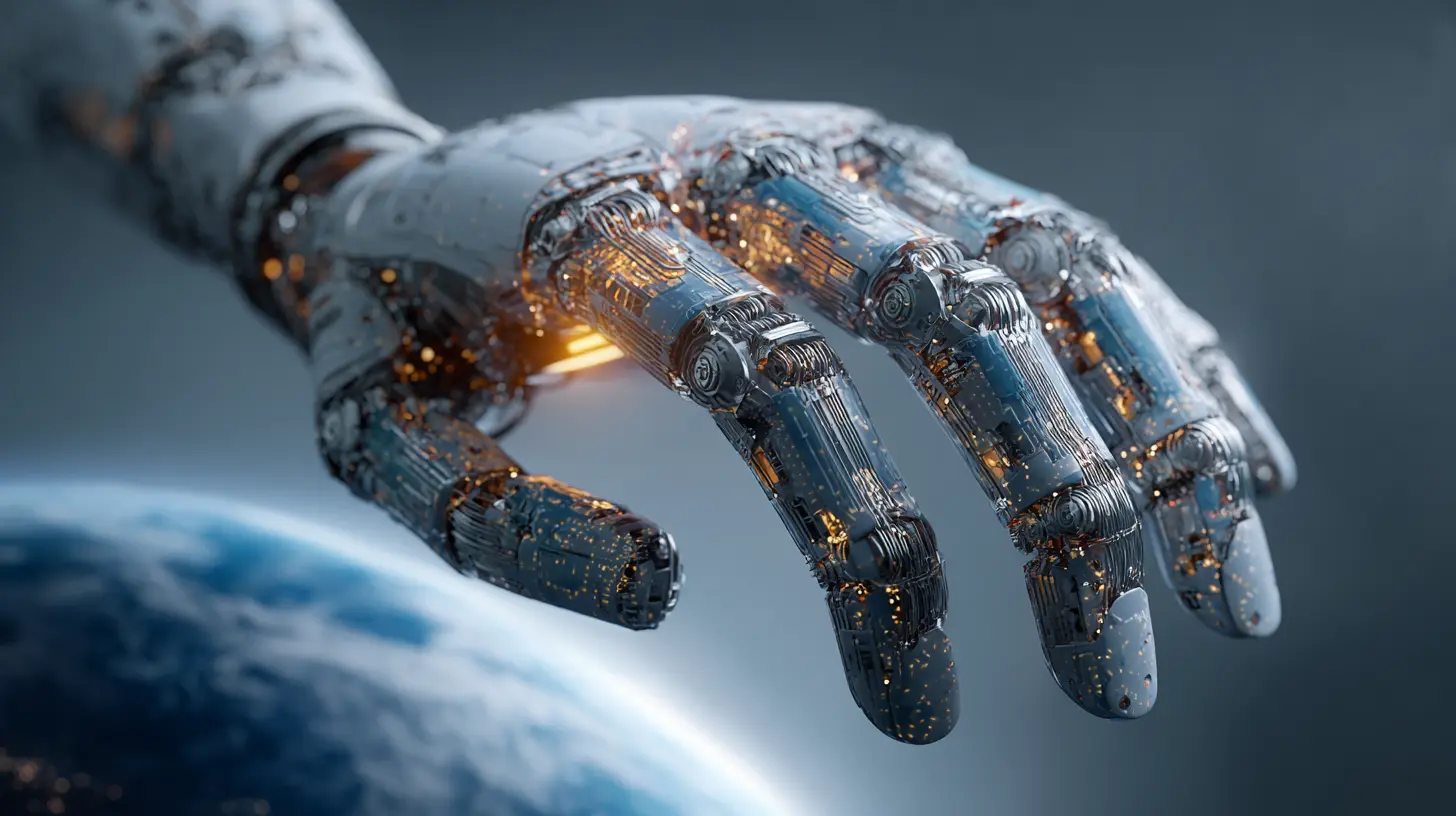
For years, we've heard about the digital divide. The idea that some people have access to the internet and modern tech, and some don't. By 2027, that divide will still exist, but it will look completely different. It won't be about whether you have a smartphone. It will be about whether you have access to the right kind of connectivity.Think of it this way. Right now, having a basic internet connection is like having a bicycle. It gets you around town. But by 2027, the global economy will move on a high-speed train. We're talking about satellite internet from Starlink and its competitors covering most of the planet. We're talking about 5G and even early 6G networks in major cities. The new divide will be between those who have low-latency, high-bandwidth connections and those stuck on old 4G or spotty DSL.
Why does this matter for the economy? Because the next wave of economic growth won't come from just selling things online. It will come from real-time collaboration, remote surgery, autonomous logistics, and AI-driven manufacturing. If your country or your community can't handle that kind of data flow, you'll be left out of the next trillion-dollar boom. Countries like Kenya, India, and Brazil are already leapfrogging the old wired infrastructure. By 2027, we'll see entire regions that skipped the copper-wire era entirely, jumping straight into a cloud-native economy. That's not just progress. That's a power shift.
AI Isn't Taking Your Job. It's Changing the Job Description.
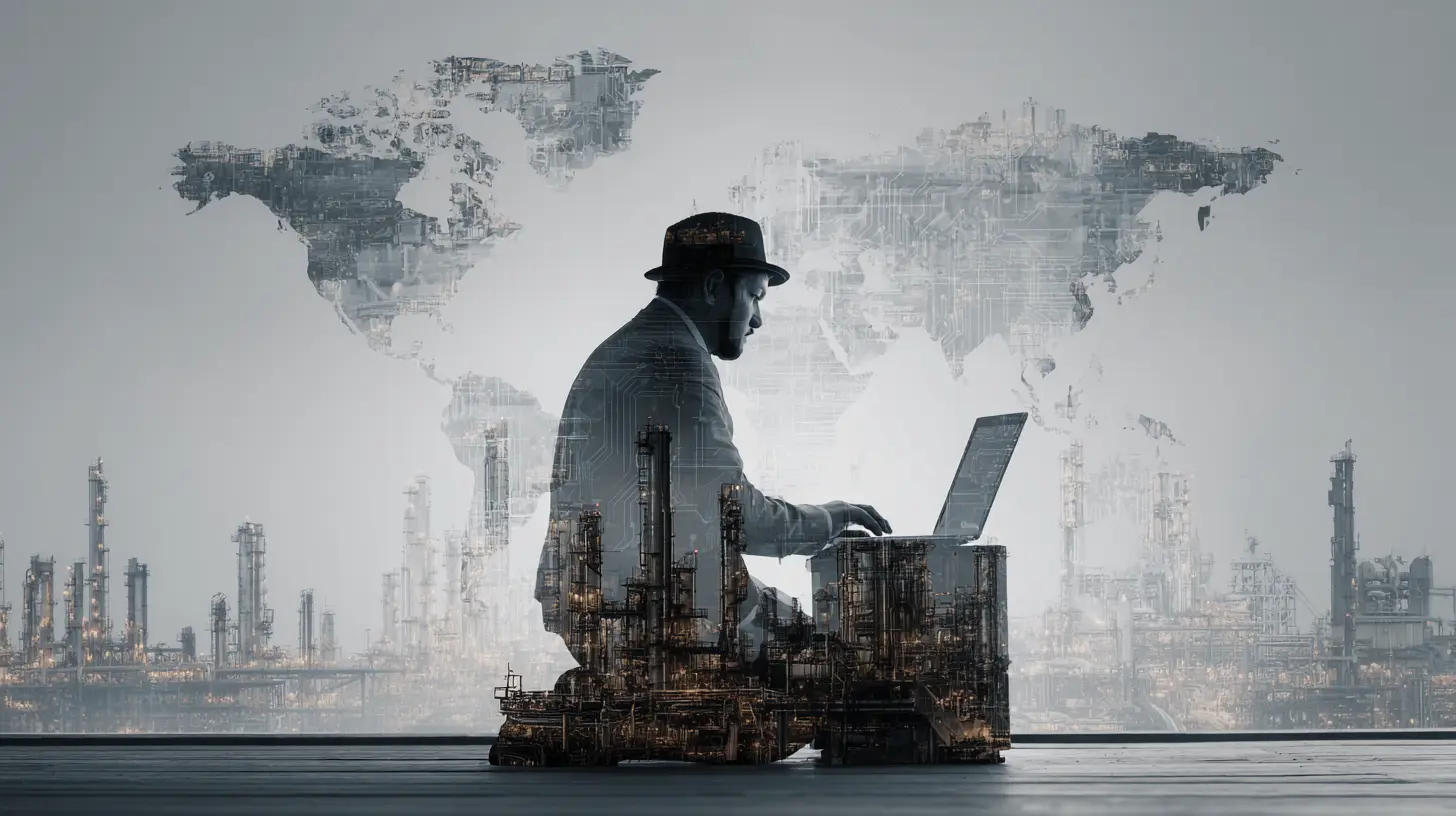
I'm going to say something that might annoy some people. The whole "AI will take all our jobs" panic is overblown. But the idea that your job will look exactly the same in 2027 is naive. Here's what's actually going to happen.By 2027, AI will be the operating system of most businesses. Not the flashy, talking robots you see in movies, but the boring stuff. The back office. The supply chain. The customer service triage. The data analysis. Think of AI as a super-efficient intern that never sleeps, never complains, and can read a million documents in a second. Your job as a human will shift from doing the work to managing the work, interpreting the results, and making the judgment calls that AI can't make.
This is going to create a new kind of economic class. You'll have the "AI orchestrators" - people who know how to prompt, guide, and validate AI outputs. Then you'll have the "AI operators" - people who just feed data into the machine without understanding the bigger picture. Guess which group gets paid more? By 2027, the global economy will reward people who can think critically about AI, not just those who can code it. Soft skills like empathy, negotiation, and creative problem-solving will become premium commodities because AI still stinks at those.
The Death of the "Middleman" (Again)
We've been predicting the death of middlemen since the internet was born. But by 2027, it's actually going to happen in a serious way. Why? Because of two things: blockchain and decentralized finance (DeFi), and AI-powered matching platforms.Think about how you buy a house today. You have a real estate agent, a bank, a title company, an inspector, and maybe a lawyer. Each one takes a cut. By 2027, smart contracts on a blockchain will handle the title transfer, the payment, and the verification automatically. AI will handle the property valuation and the matching of buyer to seller. The result? Lower fees, faster transactions, and a lot of people in the real estate industry looking for new jobs.
This isn't just about housing. It's about every industry that relies on a middleman to create trust. Insurance brokers, travel agents, stockbrokers, and even some lawyers will feel the squeeze. The global economy will become more "disintermediated." That means more value goes directly to the creator or the consumer, and less gets siphoned off by gatekeepers. For small businesses, this is a massive opportunity. For established industries, it's an existential threat. By 2027, the companies that survive will be the ones that figured out how to add real value, not just how to stand in the middle of a transaction.
Manufacturing Gets a Brain
We've been hearing about Industry 4.0 for a decade. Smart factories, IoT sensors, predictive maintenance. It's all real, but it's been slow to roll out. By 2027, it won't be slow anymore. The cost of sensors and computing power has dropped so much that even a small factory in Vietnam or Mexico can afford to digitize its entire production line.Here's the key change. Manufacturing will become "demand-driven" in a way we've never seen before. Instead of making a million widgets and hoping someone buys them, factories will use real-time data from global markets to adjust production on the fly. If a trend pops up on TikTok for a certain color of sneaker, the factory can retool within hours, not weeks. This flexibility will shorten global supply chains and reduce waste.
The economic impact is huge. Countries that invest in smart manufacturing will become magnets for investment. Countries that rely on cheap labor alone will struggle, because automation will eat into the cost advantage. By 2027, the global economy will favor "agile manufacturing" over "mass production." That's a win for customization and sustainability, but it's a challenge for any country that built its economy on low-skill assembly lines.
The Gig Economy Grows Up (Or Gets Regulated)
The gig economy right now is a mess. Drivers, delivery workers, and freelancers have little job security, no benefits, and unpredictable income. By 2027, that's going to change, but not in the way you might think.Technology will force governments to create a new worker classification. We're already seeing it in the EU and parts of the US. By 2027, most developed countries will have a "third category" of worker that's not an employee and not a contractor. It will come with portable benefits, minimum earnings guarantees, and some form of collective bargaining via apps.
Why does tech drive this? Because the platforms have the data. Uber knows exactly how much a driver can earn in a week. Upwork knows the average rate for a graphic designer in the Philippines. This data will be used to set standards. The platforms will fight it, but they'll lose because the public will demand fairness. The global economy will see a rise in "platform cooperatives" - worker-owned alternatives to the big gig platforms. By 2027, the gig economy will be safer, but it will also be more formal. That's good for workers, but it might mean slightly higher prices for consumers.
Green Tech Becomes the Default, Not the Niche
Let's be real. The global economy runs on energy. And for a long time, tech was part of the problem. Data centers consume insane amounts of electricity. Crypto mining is a disaster for the environment. But by 2027, the economics will flip.Renewable energy is now cheaper than fossil fuels in most parts of the world. By 2027, it will be significantly cheaper. Tech companies are the biggest buyers of renewable energy. Apple, Google, Microsoft, and Amazon are already building massive solar and wind farms to power their data centers. This isn't charity. It's math. Renewable energy is cheaper in the long run, and it insulates them from volatile oil and gas prices.
The global economy will see a "green premium" disappear. By 2027, an electric vehicle will be cheaper to own and operate than a gas car, even without subsidies. Solar panels on your roof will pay for themselves in under five years. Smart grids will balance energy loads automatically, reducing waste. The countries that lead in green tech manufacturing - China, the US, and the EU - will dominate the next economic cycle. Countries that cling to coal and oil will find themselves with stranded assets and shrinking tax bases. Tech is not just enabling the green transition. It is the green transition.
The Rise of the "Digital Nomad" Economy
We all got a taste of remote work during the pandemic. By 2027, that taste will have become a full meal for a significant portion of the workforce. But it won't be about working from your couch in your pajamas. It will be about a permanent, globally distributed workforce.Countries are already competing for these workers. Portugal, Costa Rica, Thailand, and Estonia have created special visas for digital nomads. By 2027, this will be a major economic strategy for smaller nations. Why? Because a digital nomad spends money locally - rent, food, coffee, coworking spaces - but earns money from a high-wage country. It's a net positive for the local economy.
This will create a new kind of economic geography. Cities like Medellin, Lisbon, and Bali will become tech hubs, not because they have a lot of local startups, but because they have a lot of remote workers. The global economy will see a "brain circulation" instead of a "brain drain." Talented people from developing countries will work remotely for US or European companies, earn good salaries, and spend that money back home. By 2027, this will be a major driver of wealth redistribution, even if it's not perfectly fair.
Cybersecurity as a National Economic Priority
Here's a grim reality. By 2027, the global economy will lose trillions of dollars to cybercrime. Ransomware attacks on hospitals, energy grids, and food supply chains will be commonplace. But the response will be something we haven't seen before.Cyber insurance will become mandatory for any business over a certain size. Governments will create "cyber national guards" - dedicated units that respond to attacks like they would to a natural disaster. The tech industry will shift from "build fast and break things" to "build secure and test constantly." This will create a massive demand for cybersecurity professionals, and it will also create a new class of "cyber diplomats" who negotiate treaties about digital attacks between nations.
The economic impact is simple. Countries that can protect their digital infrastructure will attract investment. Countries that can't will see capital flight. By 2027, a strong cybersecurity posture will be as important as a strong military for economic stability. It's not a fun topic, but it's real.
The Bottom Line
So, what does all this mean for you? By 2027, the global economy will be faster, more distributed, and more automated. The middle class will have to adapt, but there will be new opportunities for those who can learn to work with AI, leverage global networks, and think critically. The old rules of business - location, scale, and ownership - are being rewritten. Tech is not just a sector of the economy anymore. It's the engine.The countries, companies, and individuals that embrace this messy transition will thrive. Those that fight it or ignore it will be left behind. It's not about predicting the future. It's about preparing for the one that's already here. So, ask yourself: Are you ready for 2027?
all images in this post were generated using AI tools
Category:
Tech IndustryAuthor:

Ugo Coleman
Discussion
rate this article
2 comments
Elowis Chavez
This article provides insightful predictions on how technology will shape the global economy by 2027. It's fascinating to consider the potential impact of AI, automation, and digital currencies. I look forward to seeing how these trends unfold and influence industries, jobs, and economic equality worldwide.
July 17, 2026 at 11:12 AM
Ugo Coleman
I'm glad you found the predictions intriguing. It will be interesting to watch how these technologies evolve and their effects on various aspects of the economy. Let's keep an eye on these developments together.
Fern Stevens
This article offers valuable insights into the evolving role of technology in shaping the global economy. It is interesting to consider how innovations will influence industries and jobs. I look forward to seeing how these predictions unfold by 2027.
May 14, 2026 at 10:32 AM
Ugo Coleman
Thanks for your thoughts! It will be fascinating to watch how these trends develop in the coming years. Stay tuned!