The Benefits of Centralized Smart Home Control
8 November 2026
In an era where technology seamlessly integrates into our daily lives, smart home systems have gained immense popularity. Centralized smart home control offers a way to manage various devices from a single interface, simplifying the user experience and maximizing convenience. This article delves into the numerous benefits of centralized smart home control, providing insights into its functionality, advantages, and practical applications.
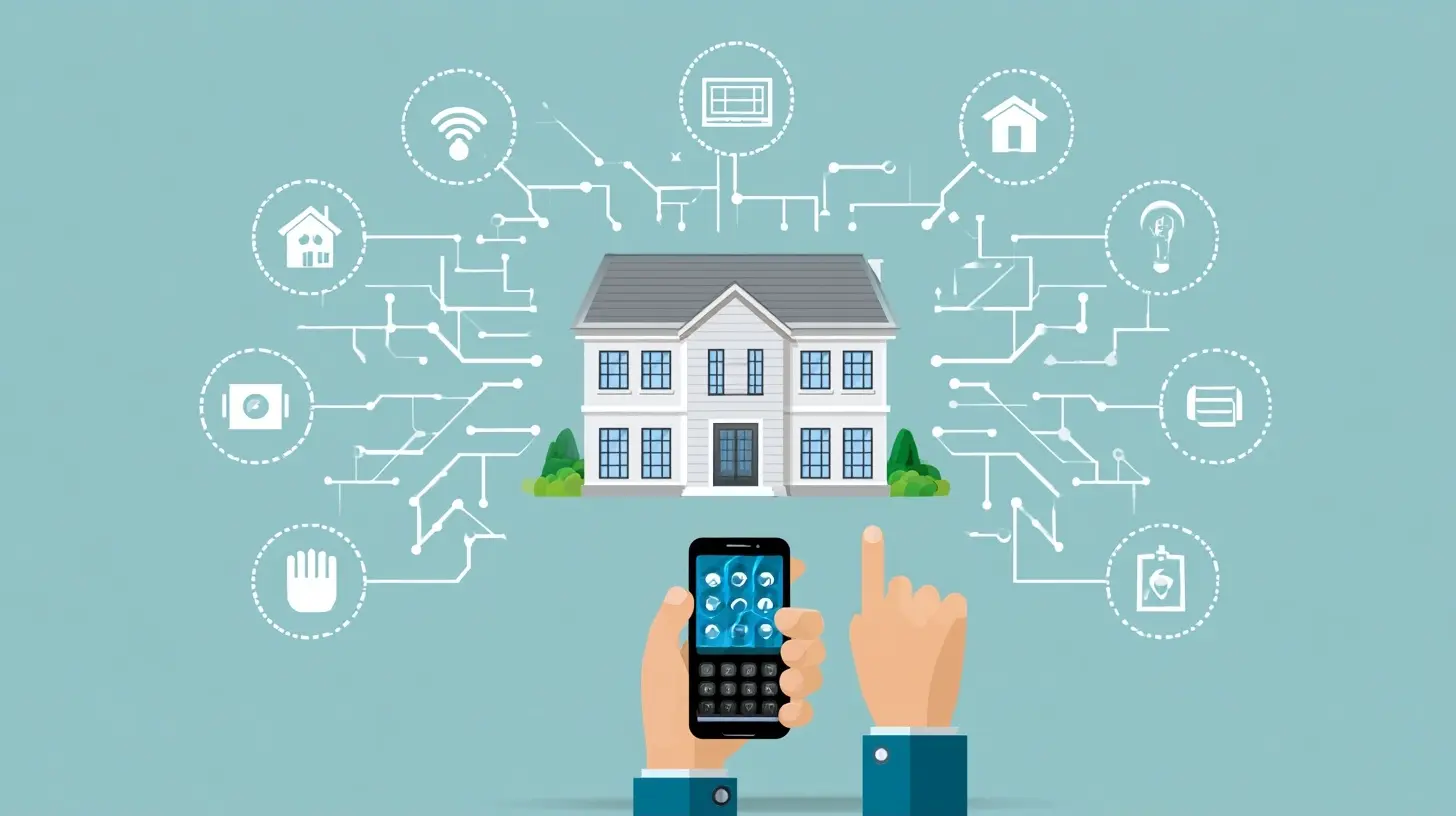
What is Centralized Smart Home Control?
Centralized smart home control refers to the ability to manage multiple smart devices-like lights, thermostats, security systems, and appliances-from one central platform. This can be achieved through dedicated apps, smart speakers, or home automation hubs. The primary goal is to streamline the management of devices, allowing users to control their home environment more efficiently and effectively.How Does It Work?
Centralized smart home systems typically integrate with various devices using Wi-Fi, Zigbee, Z-Wave, or other communication protocols. Once connected, users can control their devices through a single application or interface. For instance, a user might adjust their thermostat, turn off the lights, and check security cameras all from their smartphone or through voice commands via a smart speaker.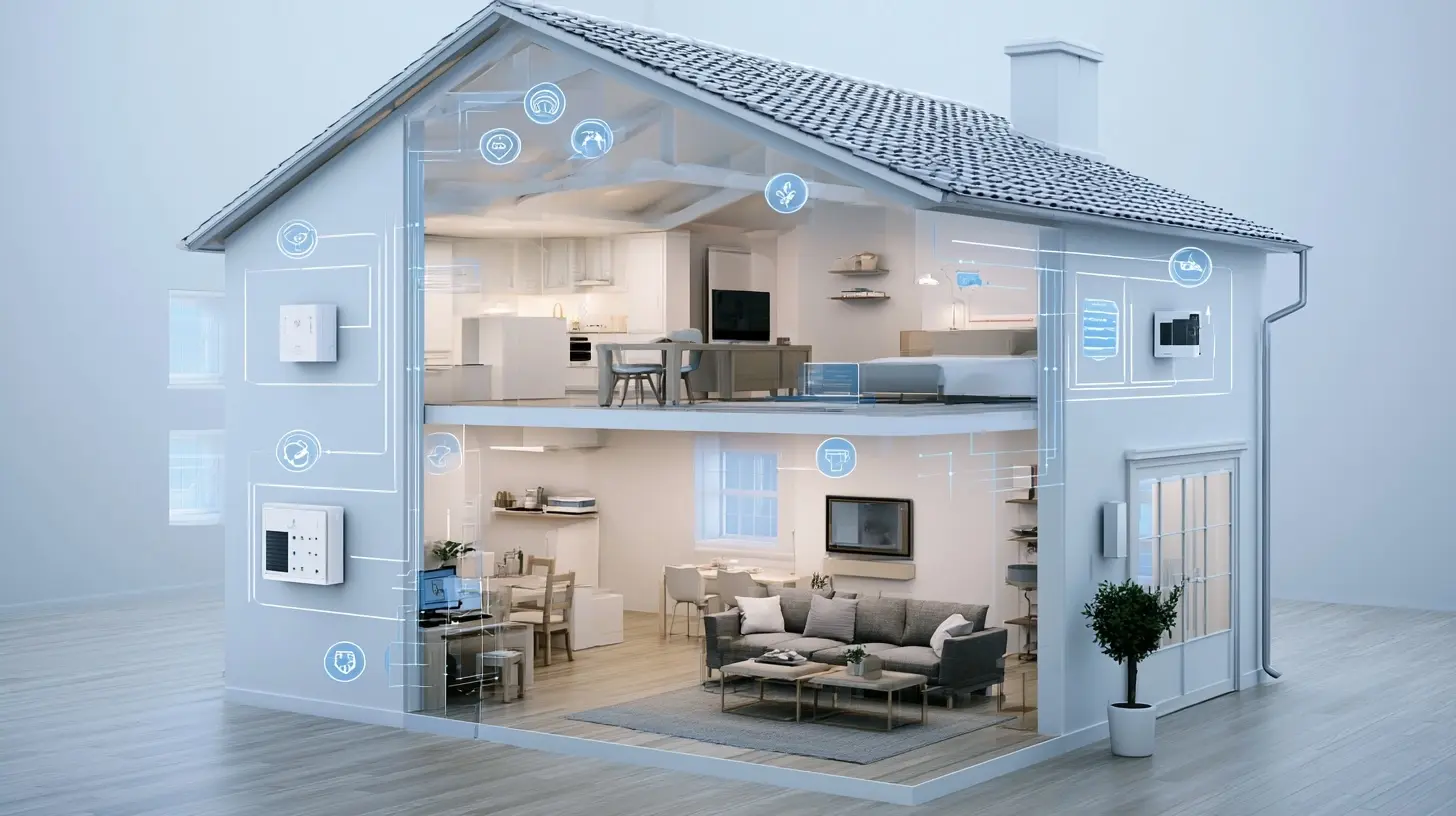
Key Benefits of Centralized Smart Home Control
1. Simplified Management
One of the most significant advantages of centralized control is the simplification of device management. Instead of juggling multiple apps for different devices, users can access everything from one interface. This not only saves time but also reduces the cognitive load associated with managing a variety of systems.Real-World Example
Consider a homeowner with smart lights, a thermostat, and a security camera system. Without centralized control, they would need to open three different apps to manage these devices. With a centralized system, they can adjust the thermostat and lights and monitor the security camera all from one app, enhancing usability.2. Enhanced Automation
Centralized systems allow for more sophisticated automation scenarios. Users can set up routines or schedules that trigger multiple devices at once. For example, a user can create a "Good Night" routine that turns off all lights, locks the doors, and sets the thermostat to a comfortable sleeping temperature with a single command.Best Practices for Automation
When setting up automation, consider the following:- Context: Ensure routines match daily patterns. For example, if you leave for work at 8 AM, set the routine to activate at that time.
- Testing: Test each automation to confirm it works as intended.
- Flexibility: Allow for adjustments. If a routine doesn't work as planned, tweak it for better performance.
3. Increased Energy Efficiency
Centralized control can lead to significant energy savings. By managing devices from one platform, users can monitor energy usage and optimize settings to reduce consumption. For instance, integrating smart thermostats with a centralized system allows users to adjust heating and cooling based on occupancy, which can lower energy bills.Considerations for Energy Management
- Real-Time Monitoring: Look for systems that provide real-time energy consumption data.- Smart Scheduling: Use scheduling features to maximize energy savings during off-peak hours.
4. Improved Security
Centralized smart home control enhances security by allowing users to monitor and manage security devices from one location. Users can receive alerts, view camera feeds, and control locks from their smartphones, providing peace of mind whether they are at home or away.Common Mistakes in Home Security
- Neglecting Updates: Failing to regularly update device firmware can leave systems vulnerable.- Weak Passwords: Use strong, unique passwords for all devices and accounts to enhance security.
5. Greater Flexibility and Scalability
Centralized smart home systems offer flexibility and scalability. Users can start with a few devices and gradually expand their system as needed. This adaptability is especially beneficial for homeowners who may want to add new devices without overhauling their entire system.Trade-offs to Consider
While scalability is a benefit, it's essential to choose a centralized system that supports a wide range of devices and protocols. Some systems may limit compatibility, so researching options before investing is crucial.6. Voice Control Integration
Many centralized smart home systems integrate with voice assistants like Amazon Alexa, Google Assistant, or Apple Siri. This feature allows users to control their devices hands-free, adding another layer of convenience.Practical Uses of Voice Control
- Accessibility: Voice control can be particularly beneficial for those with mobility challenges.- Quick Access: Use voice commands for quick adjustments, like dimming lights or adjusting the temperature without needing to interact with a screen.
7. Remote Access
Centralized smart home systems often provide remote access capabilities. This means users can manage their home devices from anywhere with an internet connection. Whether checking if the door is locked or adjusting the thermostat while on vacation, remote access enhances control and convenience.Security Considerations for Remote Access
- Two-Factor Authentication: Implement two-factor authentication for added security when accessing your system remotely.- Secure Connections: Use a secure Wi-Fi connection to prevent unauthorized access.
8. Cost-Effective Solutions
While the initial investment in smart home technology can be significant, centralized control can lead to long-term cost savings. Energy-efficient devices and automated routines can lower utility bills, and enhanced security can reduce the risk of theft and damage.Evaluating Cost vs. Benefit
Before investing, consider:- Long-Term Savings: Analyze potential energy savings over time.
- Insurance Discounts: Check if enhanced security measures can lower home insurance premiums.
Challenges and Considerations
1. Compatibility Issues
One of the primary challenges with centralized smart home control is compatibility among devices. Not all devices work seamlessly together, which can lead to frustration. Users should verify that their chosen central hub supports the devices they intend to use.2. Complexity of Setup
Setting up a centralized smart home system can be complex, particularly for those unfamiliar with technology. Users may face challenges in connecting devices or configuring automation routines.Tips for a Smooth Setup
- Follow Manufacturer Instructions: Adhere closely to setup instructions for each device.- Seek Help When Needed: Don't hesitate to consult online forums or customer support if issues arise.
3. Data Privacy Concerns
As with any connected technology, data privacy is a concern. Centralized systems often collect data on user habits and preferences, which can be a privacy issue for some.Best Practices for Data Privacy
- Review Privacy Policies: Understand how your data is used and stored.- Limit Data Sharing: Adjust settings to minimize data collection where possible.
Conclusion
Centralized smart home control offers numerous benefits, from simplified management and enhanced automation to improved energy efficiency and security. However, users must navigate challenges like compatibility and data privacy. By carefully selecting devices and following best practices, homeowners can create a smart home environment that enhances their quality of life while providing convenience and peace of mind.The key is to approach the implementation thoughtfully, ensuring that the system aligns with individual needs and preferences. Whether you are a tech enthusiast or someone looking to simplify your home management, centralized smart home control can be a valuable addition to your lifestyle.
all images in this post were generated using AI tools
Category:
Smart Home TechnologyAuthor:

Ugo Coleman