The Role of Telecom in Facilitating Global Trade and Commerce
30 July 2026
Imagine a world where businesses couldn't call, email, or video chat with partners across the globe — a world where deals hinged on snail mail and trade negotiations took months. Sounds ancient, right? Thankfully, we don’t live in that world anymore. Why? Because telecom stepped in like a silent hero, connecting continents, closing deals, and redefining how commerce flows.
In this modern digital age, telecom isn’t just about making calls or sending texts. Nope. It's the bloodstream of global trade and commerce. It’s the invisible network that lets money, ideas, and products move across borders faster than ever before.
Let’s peel back the layers and explore how telecom is doing more than just keeping us connected — it’s powering the engine of global commerce.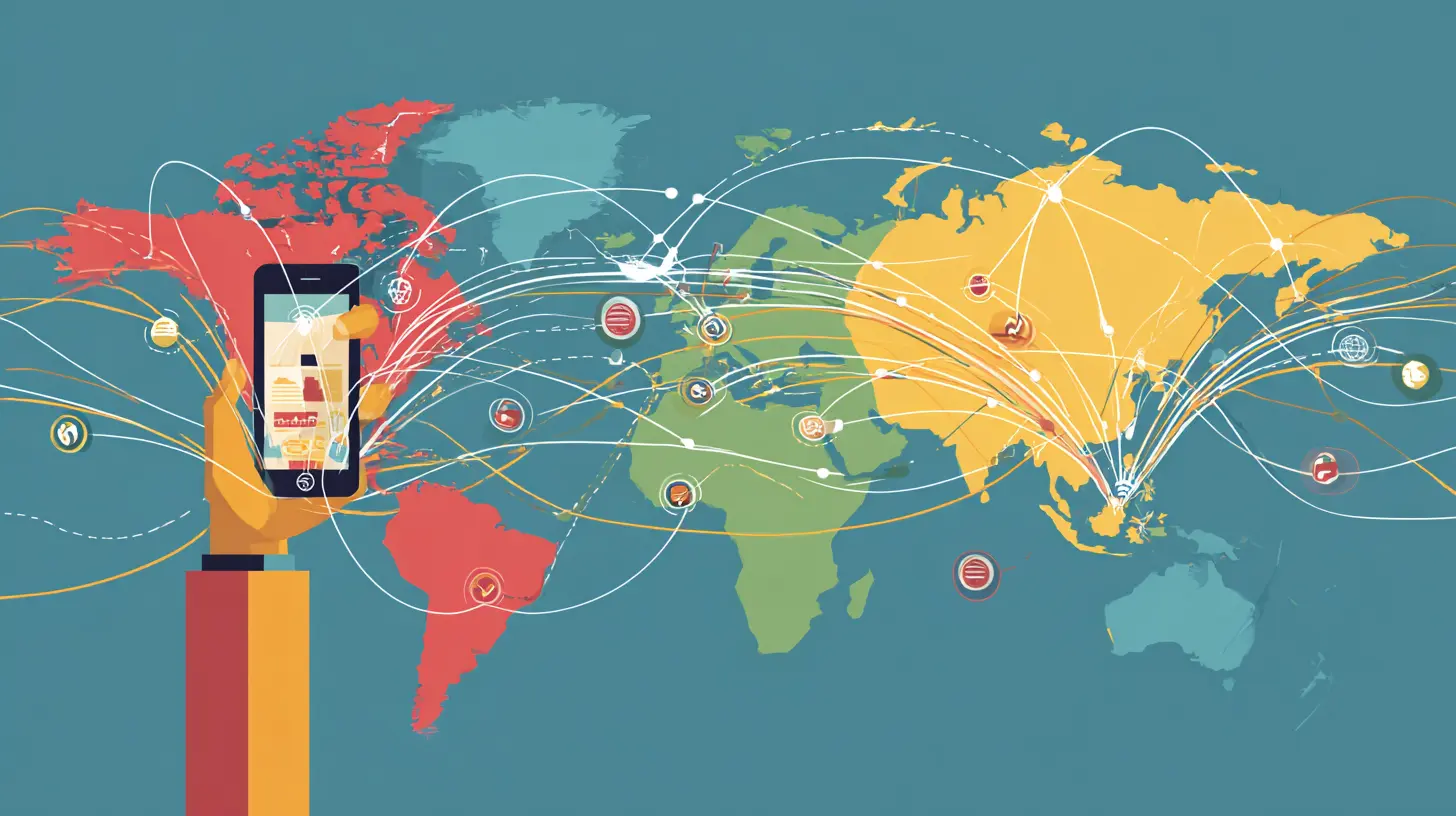
? What Is Telecom, Anyway?
Before we dive deep, let’s quickly clarify what we mean when we say "telecom." It’s short for telecommunications — the tech that makes it possible to send information over distances in real-time. We're talking about phones, the internet, satellites, fiber optics, mobile networks — all the wizardry behind your Zoom calls and online shopping sprees.But telecom is not just tech. It’s the platform where conversations become contracts, and emails become exports.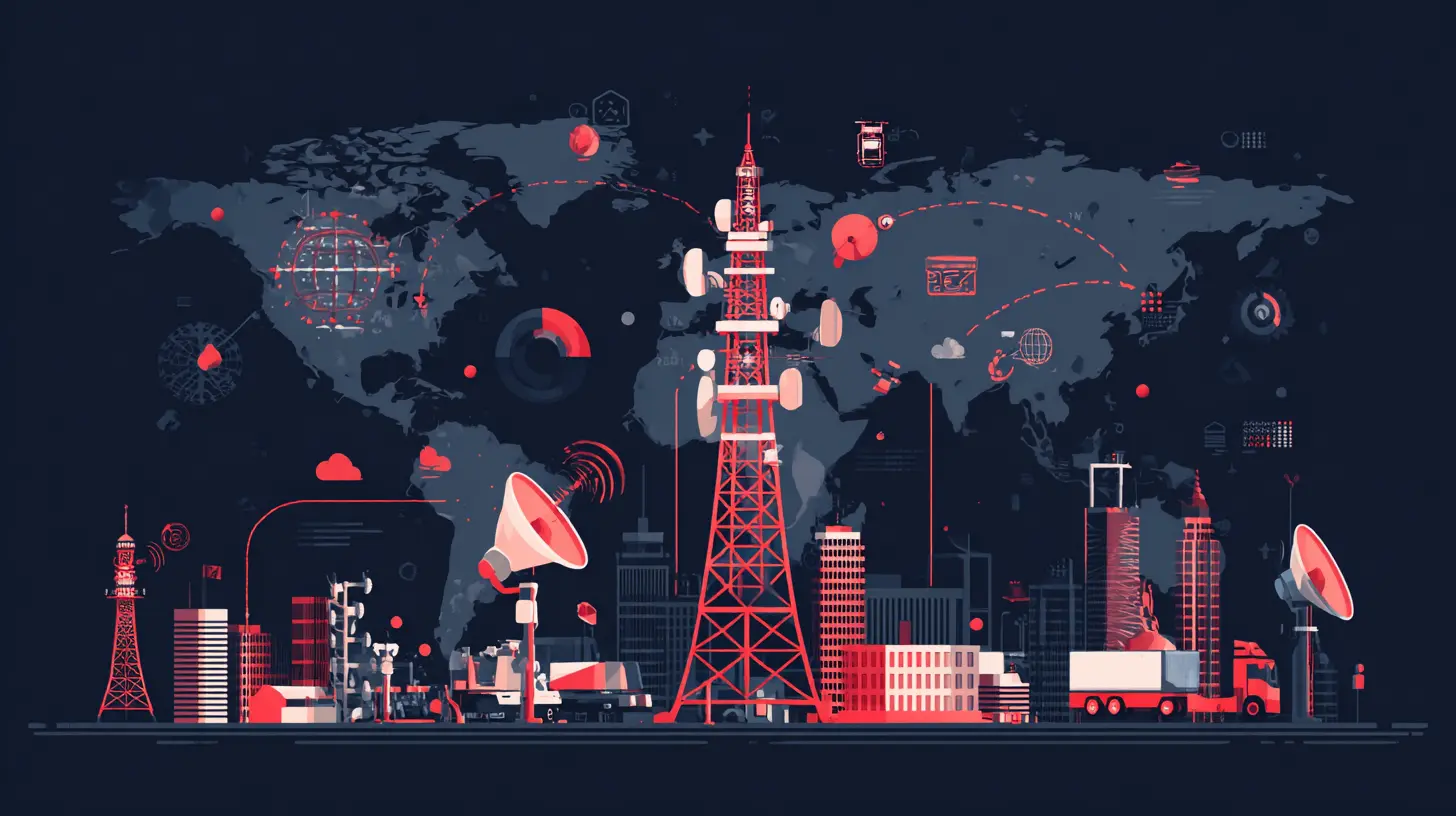
? Connecting Markets: The Magic of Global Reach
Telecom doesn’t wear a cape, but it sure deserves one. Every time a company in Tokyo closes a deal with a supplier in Brazil, and every time a startup in Nairobi pitches investors in New York over a video call — that’s telecom making global trade possible.?️ Breaking the Barriers of Distance
Distance isn't the beast it once was. Thanks to telecom, the world isn’t a big place anymore. With just a smartphone and an internet connection, businesses can reach international clients, access global markets, and manage overseas operations without setting foot on a plane.Think about it — what took days or weeks to accomplish now takes seconds. And time, in the world of commerce, is money.
? Real-Time Is the New Standard
Imagine trying to run an international business on delayed communication. Orders would lag, customers would bounce, and logistics would be a nightmare. But telecom swoops in, offering real-time communication — voice, video, chat — so decisions can be made on the fly.Speed isn’t just a perk; it’s the competitive edge in today's global marketplace.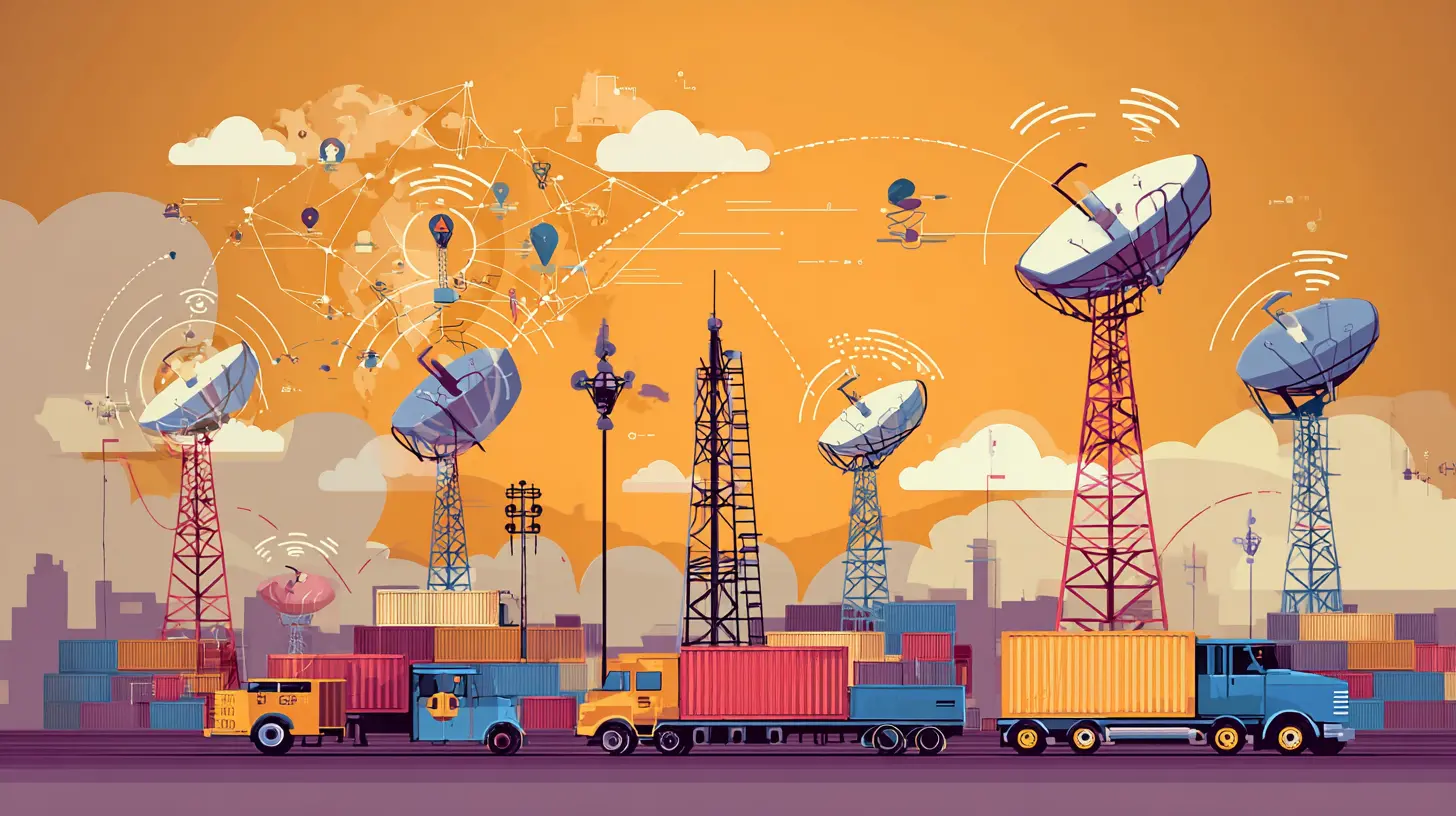
? E-Commerce & Telecom: A Match Made in Digital Heaven
Here’s some food for thought: Could Amazon exist without telecom? Or Alibaba? Or Shopify?Nope. These giants thrive because telecom provides the pipes through which data flows and customers connect.
? Powering E-Commerce Infrastructure
From inventory management platforms to payment gateways to customer support — all of it relies on advanced telecom networks. Telecom is the unseen scaffolding that holds up the digital storefronts of millions of companies.When you click “Buy Now,” you’re setting a chain of telecom-fueled actions into motion: confirming your order, alerting the warehouse, pinging payment processors, and much more.
?? Supporting Seamless Customer Experience
Have you ever reached out to customer support via live chat, voice call, or email? That’s telecom again. With omnichannel communication tools, businesses can provide support 24/7, anywhere in the world — building trust and loyalty that keeps commerce churning.
? Smart Business: Data, Analytics & IoT
Let’s flip the lens for a moment. Telecom isn’t just about talking — it’s about thinking. Thanks to high-speed connections and massive data centers, businesses can now leverage telecom for advanced analytics, forecasting, and even automation.? Telecom Meets Big Data
When data flows freely, insight follows. With robust telecom infrastructure, businesses gather and analyze real-time market data, customer behavior, and operational metrics — even from international branches.This kind of data-driven decision-making can be the difference between dominating a market and becoming obsolete.
? Industrial IoT and Global Supply Chains
And let’s not forget IoT — the Internet of Things. Devices that “talk” to each other across continents. Sensors in cargo ships, temperature monitors in storage units, GPS tracking for logistics — all of it hinges on, you guessed it, telecom.It's like having a global nervous system that helps businesses keep their finger on the pulse of international trade — from factory floor to customer's door.
? Financial Transactions & Telecom Fidelity
Let’s talk money. The global financial system is one of the most delicate and vital components of trade. And it runs on telecom.? Secure Digital Payments Across Borders
From credit card swipes to mobile wallets to crypto trades — every bit of it happens over secure telecom networks. Without reliable, fast connections, cross-border payments would crumble under delays and fraud.Telecom ensures your payment doesn’t just arrive — it arrives fast, encrypted, and traceable.
? Enabling Fintech Innovation
Ever used PayPal? Wise? Revolut? These fintech marvels are only possible because of the robust telecom infrastructure that supports millions of transactions per second.Telecom has made worldwide commerce as easy as a tap on a screen.
? Navigating the Regulatory & Compliance Landscape
Global trade isn’t just about moving products — it’s also about playing by the rules. Every country has its own regulations, import/export laws, and compliance hoops. Telecom helps businesses keep it all straight.? Real-Time Coordination with Authorities
From customs clearance to legal documentation, telecom enables real-time coordination with agencies, partners, and clients. It cuts down delays, reduces errors, and streamlines compliance.It’s like having a GPS for the legal landscape — keeping trade on track and out of trouble.
? Mobile Connectivity: Empowering Emerging Markets
Here’s something powerful — in many developing nations, businesses leapfrogged landlines and dove straight into mobile connectivity. That has revolutionized participation in global commerce.? From Remote to Ready
Farmers in rural India can now check crop prices in Europe. Artisans in Kenya can sell handmade jewelry to buyers in Los Angeles. How? Because mobile telecom has pulled remote communities into the global economy.This isn’t just connectivity; this is opportunity in your pocket.
?? Education, Training & Language Access
Telecom also opens doors to training, education, and language translation tools that help emerging market businesses compete globally. It bridges not just physical gaps but also skill gaps.With every text, every tweet, every video lesson — telecom is leveling the playing field.
? Building Stronger International Partnerships
Relationships power commerce. And relationships thrive on communication. Telecom doesn’t just wire up networks — it wires up people.? Face-to-Face Goes Virtual
Gone are the days when forging international partnerships meant flying across the world. Video conferencing tools like Zoom and Microsoft Teams let businesses build relationships virtually, saving time and resources.It’s easier to trust someone when you can look them in the eye — even if it’s through a screen.
?️ Multilingual & Multicultural Support
With translation apps, cross-cultural training, and collaborative tools powered by telecom, companies can work fluidly across cultures and languages. That creates smoother partnerships and fewer misunderstandings.It’s like having a digital translator between every business handshake.
☁️ The Cloud: Telecom’s Greatest Innovation
We can’t talk about modern commerce without talking about cloud computing. And guess where the cloud lives? In the telecom infrastructure.? Scaling Business with Cloud Tools
Whether it’s managing global teams via Slack, running CRMs like Salesforce, or analyzing massive datasets with AWS — these cloud services depend on fast, stable telecom networks.It’s what allows a small business in Peru to operate with the same tech muscle as a multinational giant in Germany.
?️ Keeping It Safe: Cybersecurity & Network Protection
With great connectivity comes great responsibility. A single breach can derail international trade. That’s why telecom providers also double as digital sentinels.? Securing the Global Trade Highways
From firewalls to encryption protocols to 24/7 surveillance, telecom companies invest heavily to secure the digital arteries of trade. This ensures that businesses can operate with confidence, knowing their data and transactions are safe.Telecom doesn’t just build roads — it patrols them.
?️ Looking Ahead: The Future of Telecom in Commerce
So what’s next on the horizon? Faster speeds. More automation. Greater inclusion.With the rise of 5G, satellite internet, AI-powered customer service, and global internet accessibility, telecom’s role in global commerce is only expanding.
One day soon, even the most remote entrepreneur will have the same tools as a Fortune 500 CEO.
? Final Thoughts: Telecom Is the Silent Backbone of Global Trade
We often overlook it, but telecom is always working behind the scenes — connecting, protecting, and powering our global economy.So the next time you send a message, hop on a Zoom call, or track your online order from Shanghai to your doorstep, take a second to appreciate the telecom networks that make it all possible.
Because in the grand symphony of global trade, telecom doesn’t just play a part — it’s the conductor.
all images in this post were generated using AI tools
Category:
TelecommunicationAuthor:

Ugo Coleman
Discussion
rate this article
1 comments
Indigo McLoughlin
Telecom is the unsung hero of global trade, connecting ideas and sparking commerce across borders!
July 31, 2026 at 3:40 AM
Ugo Coleman
Absolutely! Telecom plays a crucial role in bridging gaps and enabling seamless interactions in global trade. Its impact often goes unrecognized, but it truly fuels innovation and commerce worldwide.