Which Communication Platforms Will Lead Remote Work in 2027?
13 May 2026
Let me paint you a picture. It's 2020, and you're hunched over a laptop in your kitchen, wrestling with a laggy video call while your cat walks across the keyboard. Fast forward to 2027, and the idea of remote work has evolved from a chaotic scramble into a finely tuned orchestra. The question isn't if we'll work remotely anymore-it's how we'll communicate when we do. So, which platforms will be pulling the strings in just a few years? Grab your coffee, and let's dig in.

The Shift From Tools to Ecosystems
Remember when Slack was just a chat app and Zoom was just for virtual happy hours? Those days are gone. By 2027, remote work platforms won't just be tools you open-they'll be entire ecosystems that blend work, life, and everything in between. Think of it like moving from a single-purpose hammer to a Swiss Army knife that also builds your house, tracks your fitness, and orders dinner.The key driver here is integration. In 2024, we already saw Microsoft Teams and Slack trying to swallow everything from calendars to project management. But by 2027, the winners will be those that ditch the "app fatigue" problem entirely. You won't switch between five tabs to check messages, emails, tasks, and files. Instead, one platform will seamlessly weave them together, like a digital brain that knows what you need before you do.
Why Integration Matters More Than Features
Here's a hard truth: most remote workers are drowning in notifications. A 2023 study found the average employee toggles between 10 different apps per day. That's like trying to juggle flaming torches while riding a unicycle. By 2027, the platforms that lead will be the ones that reduce this noise, not add to it.Take Asana, for example. It's already moving beyond task lists into a full "work management" hub. But the real leap will come when your chat app, video tool, and document editor all live under one roof-with AI acting as the butler, not the boss. Imagine a platform that automatically summarizes your morning meetings, prioritizes your inbox, and even suggests when to take a break. That's not sci-fi; it's the next frontier.

The Rise of Async-First Platforms
Let's be real: synchronous communication is exhausting. Back-to-back Zoom calls leave you feeling like a squeezed lemon. By 2027, the smartest remote teams will shift to async-first platforms, where you communicate on your own time without losing momentum.Loom and the Video Revolution
Loom already showed us the power of asynchronous video. Instead of scheduling a 30-minute call, you record a quick screen share, and the other person watches it when they're ready. By 2027, this will be the default for most updates. But the platform that leads won't just be Loom-it'll be a version of it that's deeply embedded into your workflow. Imagine sending a video message that automatically transcribes, tags action items, and even suggests a follow-up task. That's the kind of frictionless communication that will win.Why Text Isn't Dead
Don't get me wrong-text isn't going anywhere. But by 2027, text-based communication will be smarter. Platforms like Twist (from Doist) already champion async messaging with threads and no "read receipts" pressure. The leader in 2027 will take this further, using AI to surface the most relevant messages and filter out the noise. You won't scroll through 200 Slack messages to find the one about the deadline-your platform will just tell you.
The AI Co-Pilot Becomes Standard
Here's where things get really interesting. AI isn't just a fancy add-on anymore; it's the engine room. By 2027, every leading remote work platform will have an AI co-pilot that doesn't just answer questions but anticipates them.Microsoft Copilot vs. Google Duet
Right now, Microsoft Copilot and Google Duet are like two kids fighting over the last cookie. But by 2027, they'll have evolved into something much more. Imagine starting a meeting, and your AI co-pilot already has the agenda, the relevant documents, and a summary of what happened last week. It's not just saving you time-it's making you smarter.The platform that wins will be the one that integrates this AI seamlessly. If you're on Google Workspace, Duet will rewrite your emails, suggest replies, and even translate in real time. If you're on Microsoft, Copilot will do the same but with a heavier focus on enterprise security. The battle isn't about who has better AI-it's about whose AI feels less like a tool and more like a teammate.
The Privacy Paradox
Of course, with great AI comes great responsibility. Remote workers are already wary of their data being used to train models. By 2027, the leading platforms will need to solve the privacy paradox: how to offer powerful AI without making users feel like lab rats. Expect to see "on-device AI" become a selling point, where your data stays local and only the smart stuff happens in the cloud. It's like having a supercomputer in your pocket without the creepy surveillance.
Virtual Reality and the New "Water Cooler"
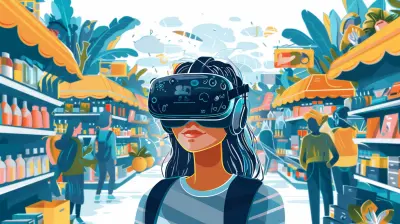
Let's talk about the elephant in the room: VR. You've probably heard about the metaverse, and maybe you've rolled your eyes. I get it-the current VR headsets are clunky, and the avatars look like rejected video game characters. But by 2027, the technology will be lighter, cheaper, and more natural.Meta Horizon Workrooms vs. Microsoft Mesh
Meta is betting big on Horizon Workrooms, where you can sit around a virtual table and whiteboard ideas. Microsoft Mesh, on the other hand, focuses on blending real and virtual worlds. The platform that leads won't be the one with the flashiest graphics-it'll be the one that makes you forget you're wearing a headset.Think about it: instead of a dull Zoom call, you could walk through a 3D model of a building with your team, pointing at things and sketching ideas in real time. For creative teams, this is a game-changer. But for most remote workers, VR will still be a niche tool in 2027. The real winner will be the platform that offers VR as an option, not a requirement.
The Social Glue
One thing remote work has always struggled with is the "water cooler" effect-those spontaneous chats that build trust and camaraderie. In 2027, the leading platforms will solve this with "ambient presence." Imagine a Slack-like sidebar that shows who's available for a quick chat, but with a twist: you can see a tiny live video of their face, like a window into their world. It's not intrusive, but it creates a sense of being in the same room. Platforms like Gather already do this with pixelated avatars and virtual rooms. The next step will be making it feel less like a game and more like an office.Security and Trust: The Unsung Hero
Let's be honest: no one gets excited about security. But by 2027, it will be the deciding factor for which platforms lead. Cyberattacks on remote workers have skyrocketed, and a single data breach can sink a company.End-to-End Encryption Becomes Table Stakes
Platforms like Signal and WhatsApp already offer end-to-end encryption, but for business use, it's been slow to adopt. By 2027, any platform worth its salt will have this built-in, not as a premium feature. If your messages, files, and calls aren't encrypted by default, you're out.Zero Trust Architecture
The concept of "zero trust" means you never assume anyone is safe-even inside the company. Leading platforms will bake this into their DNA. For example, instead of a single password, you'll use biometrics or hardware keys. And AI will monitor for unusual behavior, like a sudden login from a strange location. It's like having a security guard who never sleeps.
The Dark Horses: Niche Platforms That Could Surprise Us
While the giants like Microsoft, Google, and Meta will dominate, don't sleep on the underdogs. By 2027, we might see a platform like Notion evolve into a full communication hub, blending docs, wikis, and chat. Or maybe Basecamp will make a comeback with its "calm" approach to work.The Open-Source Movement
There's also a growing trend toward open-source platforms like Mattermost or Rocket.Chat. These give companies full control over their data, which is huge for privacy-conscious teams. In 2027, as trust in big tech wavers, open-source platforms could steal a significant slice of the pie. They won't be the flashiest, but they'll be the most reliable.What About the Human Element?
I've talked a lot about tech, but let's not forget the most important part: people. No matter how advanced the platform, it's worthless if it doesn't help us connect as humans.The Burnout Problem
Remote work has a dark side: burnout. Always-on culture means you're never truly off. By 2027, the leading platforms will actively fight this. Imagine a platform that gently nudges you to log off after 8 hours, or one that automatically blocks notifications during your "focus time." It's not about being nice-it's about productivity. Rested workers are better workers.Inclusivity and Accessibility
The best platforms will also be the most inclusive. That means real-time captioning for the hearing impaired, screen reader support for the visually impaired, and language translation that doesn't sound like a robot. In 2027, accessibility won't be a checkbox-it'll be a core feature.
My Prediction: The Winner Is...
If I had to put my money on one platform to lead in 2027, it would be a tie between Microsoft Teams and Google Workspace. But here's the twist: they'll look completely different than they do today.Teams will become a "super app" that handles everything from chat to payroll, with Copilot as your personal assistant. Google Workspace will double down on AI and collaboration, with Duet making real-time editing feel like magic.
But the dark horse? It could be a platform like Notion, if it adds robust video and voice features. Or maybe a newcomer we haven't even heard of yet.
Final Thoughts
The future of remote work isn't about the coolest gadget or the most features. It's about making communication feel effortless, secure, and human. By 2027, the platforms that lead will be the ones that vanish into the background, letting you focus on what actually matters: the work and the people.So, which platform are you betting on? The answer might surprise you-just like the next few years will.
all images in this post were generated using AI tools
Category:
Tech For Remote WorkAuthor:

Ugo Coleman
Discussion
rate this article
2 comments
Pia Mahoney
The future of remote work hinges on adaptability and integration. Platforms that seamlessly blend communication, collaboration, and project management will dominate. The key will be user experience, ensuring they meet the evolving needs of diverse teams.
August 23, 2026 at 12:29 PM
Ugo Coleman
Absolutely, user experience will be crucial. Platforms that prioritize seamless integration and adaptability will definitely lead the way. Exciting times ahead!
Caden Reed
As remote work continues to evolve, platforms that prioritize user experience, integration, and flexibility will dominate. Look for tools that enhance collaboration, support diverse workflows, and offer seamless cross-device functionality. Innovations in AI and automation will also shape how teams communicate and stay connected in the future.
May 22, 2026 at 4:02 AM
Ugo Coleman
Absolutely agree. The focus on user experience and adaptability will be key. As AI and automation advance, I can see these tools transforming collaboration in exciting ways.