Why the Metaverse Still Matters for the Tech Industry
20 November 2026
The concept of the metaverse has been a topic of intrigue, speculation, and sometimes skepticism since it first entered mainstream discussions. While some may argue that the initial hype has faded, the underlying principles and potential of the metaverse remain significant for the tech industry. This article delves into why the metaverse still matters, providing insights into its implications, applications, and future prospects.
Understanding the Metaverse
Definition and Scope
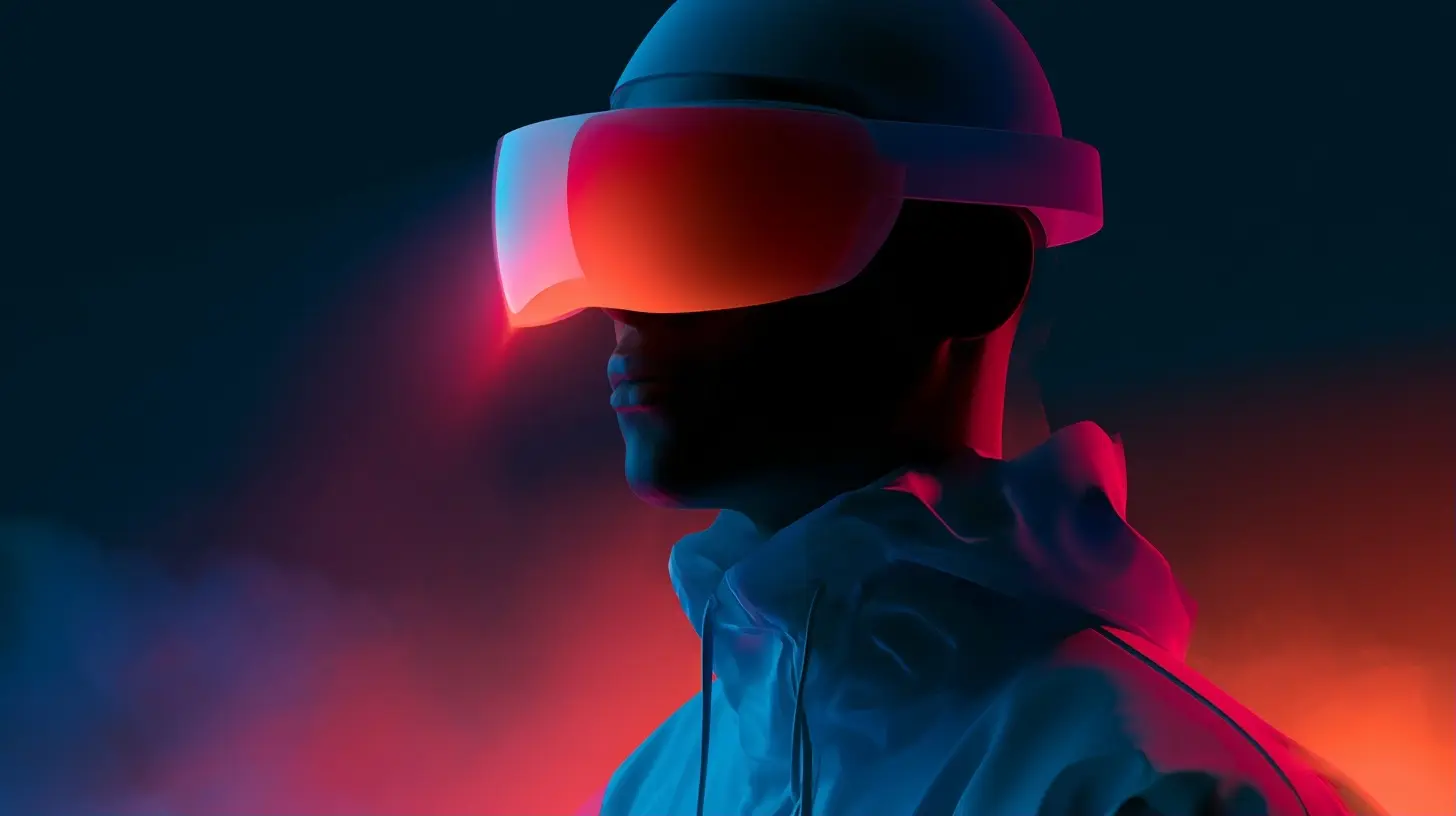
At its core, the metaverse refers to a collective virtual space that merges physical and digital realities. It encompasses various technologies, including virtual reality (VR), augmented reality (AR), and blockchain, creating immersive environments where users can interact, socialize, and conduct business. The metaverse is not a singular platform; rather, it is an interconnected ecosystem of digital experiences.Key Components
1. Virtual Reality: Immersive environments that require VR headsets, allowing users to experience a simulated reality.2. Augmented Reality: Overlays digital information onto the real world, enhancing everyday experiences through mobile devices or AR glasses.
3. Blockchain Technology: Provides a decentralized framework for transactions, ownership, and identity verification, particularly in virtual economies.
4. Social Interaction: Users engage through avatars, fostering community and collaboration across geographical boundaries.

The Importance of the Metaverse
Economic Opportunities
The metaverse presents substantial economic opportunities that can redefine industries. Virtual real estate, digital goods, and services are emerging as lucrative markets. For instance, companies like Decentraland and The Sandbox have created platforms where users can buy, sell, and develop virtual properties. This trend raises questions about the future of real estate, as more people invest in digital land.Innovation in User Experience
The metaverse pushes the boundaries of user experience. Brands can create engaging, interactive experiences that traditional media cannot match. Take Nike, for example. Their virtual store in Roblox allows users to try on digital sneakers and purchase them for their avatars, blurring the lines between physical and digital shopping experiences. This level of interactivity can lead to higher customer engagement and brand loyalty.Remote Work and Collaboration
The pandemic accelerated the adoption of remote work, and the metaverse can enhance collaboration among remote teams. Virtual meeting spaces enable employees to interact more naturally than traditional video calls. Companies like Spatial and Gather are already offering platforms where teams can collaborate in 3D environments, making discussions more dynamic and engaging.
Real-World Applications
Education and Training
The metaverse has a profound impact on education and training. Virtual classrooms can provide immersive learning experiences that cater to various learning styles. For example, medical students can practice surgeries in a risk-free virtual environment, gaining hands-on experience without endangering patients. This approach not only enhances learning outcomes but also prepares students for real-world challenges.Entertainment and Gaming
Gaming is one of the most prominent sectors within the metaverse. Titles like Fortnite and Minecraft have created vast, interactive worlds that attract millions of players. These platforms are not just games; they are social spaces where users can connect, create, and even attend concerts. The convergence of gaming and social interaction illustrates how the metaverse can redefine entertainment.Healthcare
Healthcare is another sector poised to benefit from the metaverse. Virtual reality can be used for therapeutic purposes, helping patients manage pain or anxiety through immersive experiences. remote consultations and virtual health assessments can become more effective, allowing healthcare providers to reach patients in diverse geographical locations.
Challenges and Considerations
Technical Limitations
Despite its potential, the metaverse faces technical challenges. High-quality VR and AR experiences require robust hardware and fast internet connections, which may not be accessible to everyone. interoperability between different platforms remains a significant hurdle. Users should consider these limitations when developing metaverse applications.Privacy and Security
As users engage more in the metaverse, concerns about privacy and security become paramount. Digital identities and personal data are at risk of breaches and misuse. Companies must prioritize secure systems and transparent data policies to build trust among users.Digital Divide
The metaverse risks exacerbating the digital divide. Not everyone has equal access to the technology required to participate fully. This disparity could lead to exclusion, where only those with the necessary resources can benefit from the metaverse's offerings. Addressing this issue is crucial for creating an inclusive digital future.Best Practices for Engaging in the Metaverse
Start Small and Scale
For businesses looking to enter the metaverse, starting small is advisable. Create pilot projects to test the waters before committing significant resources. This approach allows for learning and adaptation based on real-world feedback.Focus on User Experience
User experience should be at the forefront of any metaverse initiative. Engaging, intuitive interfaces can significantly enhance user interaction. Conduct user testing to gather insights and make necessary adjustments to improve the experience.Collaborate with Experts
Navigating the complexities of the metaverse may require expertise in various fields, including technology, design, and user experience. Collaborating with specialists can help ensure that projects are executed effectively and meet user expectations.Prioritize Security
As the metaverse evolves, security must remain a top priority. Invest in robust security measures to protect user data and privacy. Regular audits and updates can help mitigate risks and build user confidence.
The Future of the Metaverse
Evolving Technologies
The metaverse will continue to evolve as technologies advance. Improvements in VR and AR hardware, along with faster internet speeds through 5G, will enhance user experiences. developments in artificial intelligence will enable more sophisticated interactions within the metaverse, such as personalized content and intelligent avatars.Regulatory Landscape
As the metaverse grows, so will the need for regulations. Governments and organizations will need to establish guidelines for data protection, digital ownership, and user rights. Navigating this regulatory landscape will be crucial for businesses operating in the metaverse.Cultural Impact
The metaverse has the potential to reshape cultural norms and social interactions. It can foster global communities that transcend geographical boundaries, allowing people to connect over shared interests. However, it is essential to address the implications of this shift, including issues of identity, representation, and digital citizenship.Conclusion
The metaverse is not merely a passing trend; it represents a fundamental shift in how we interact with technology and each other. As the tech industry continues to explore its possibilities, the economic, social, and cultural implications of the metaverse will become increasingly significant. By understanding its potential and challenges, businesses and individuals can better navigate this evolving landscape and harness the opportunities it presents.
all images in this post were generated using AI tools
Category:
Tech IndustryAuthor:

Ugo Coleman