Did We Ever Really Get to Choose Our Technology?
October 20, 2026 - 21:04
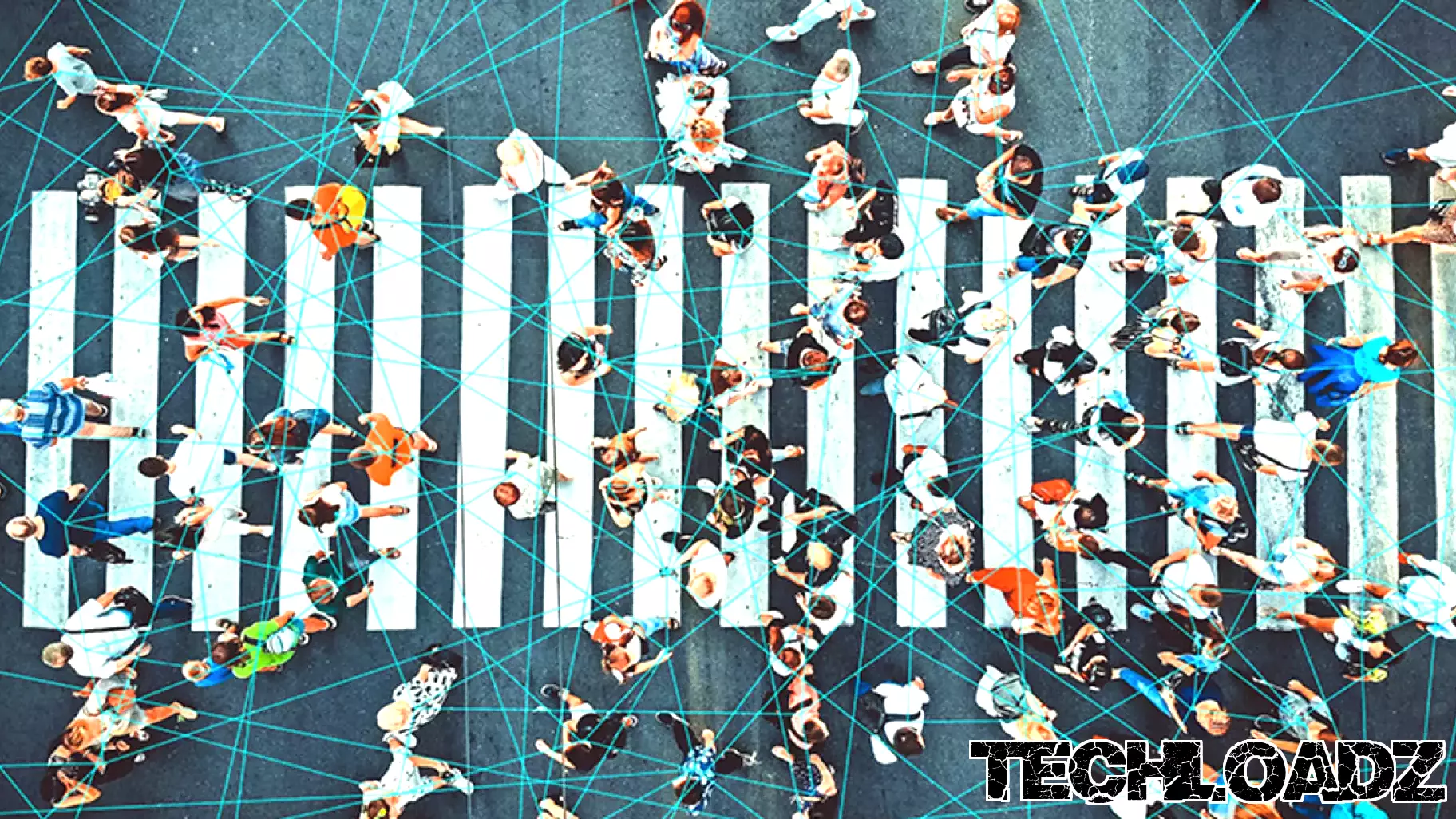
The question of technological choice is often framed as a matter of consumer preference, as if the tools we use emerge from some neutral marketplace where individuals freely pick winners. That framing obscures a more uncomfortable reality: the technologies that shape our lives are frequently chosen for us, by states, militaries, and industrial interests pursuing goals that have little to do with what ordinary people might want.
Consider the alphabet itself. Had the government not continued developing nuclear weapons, we would probably be using a Cyrillic alphabet today. The statement sounds absurd until you trace the chain of events. Nuclear weapons development drove the expansion of computing infrastructure, which in turn cemented English as the dominant language of technical systems, keyboards, and software. The QWERTY layout, the Latin character set, the programming languages we teach children, all of these became defaults not because they were superior but because of geopolitical and military momentum.
This pattern repeats across nearly every domain. The internet's architecture reflects the priorities of the defense agencies that funded it. The smartphone in your pocket carries design decisions shaped by corporate strategy and patent portfolios, not by any democratic deliberation. Even the algorithms that determine what information reaches us were built to serve advertising markets.
The illusion of choice persists because we experience technology as a series of individual decisions. We pick a phone, a browser, a social platform. But the menu itself was written long before we sat down at the table. Recognizing this does not mean rejecting technology. It means asking harder questions about who sets the defaults and whose interests those defaults serve.
MORE NEWS
October 20, 2026 - 05:21
US government bans Chinese AI company DeepSeek that had wiped more than $1 trillion from Wall Street in less than 2 hours, from all civilian agency IT systemsThe US Homeland Security Department has ordered the removal of products and third-party services from Chinese AI company DeepSeek across all civilian agency IT systems. The directive bars any use...
October 19, 2026 - 20:00
Driverless Cars Tested in Paris Roundabout ChaosNavigating the massive star-shaped junction around the Arc de Triomphe in Paris is among the most hair raising experiences in European driving. The twelve-lane intersection has no lane markings, no...

October 19, 2026 - 03:33
WORLDVUER INC. UNVEILS BREAKTHROUGH AI TECHNOLOGIES, USHERING IN A NEW ERA OF INTELLIGENT VISUALAfter more than two decades of development, WorldVuer has announced the completion of its technology ecosystem, a milestone that brings together its Peregrine 3VPU chips, AI-powered Intelligent...

October 18, 2026 - 23:17
5 technologies that could make the Tesla Roadster one of the most unusual cars ever builtThe next-generation Tesla Roadster is shaping up to be far more than a simple electric supercar. According to details surrounding the project, the vehicle will combine several unconventional...