How 3D printing, advancing technology is improving football helmet safety
September 10, 2026 - 04:41
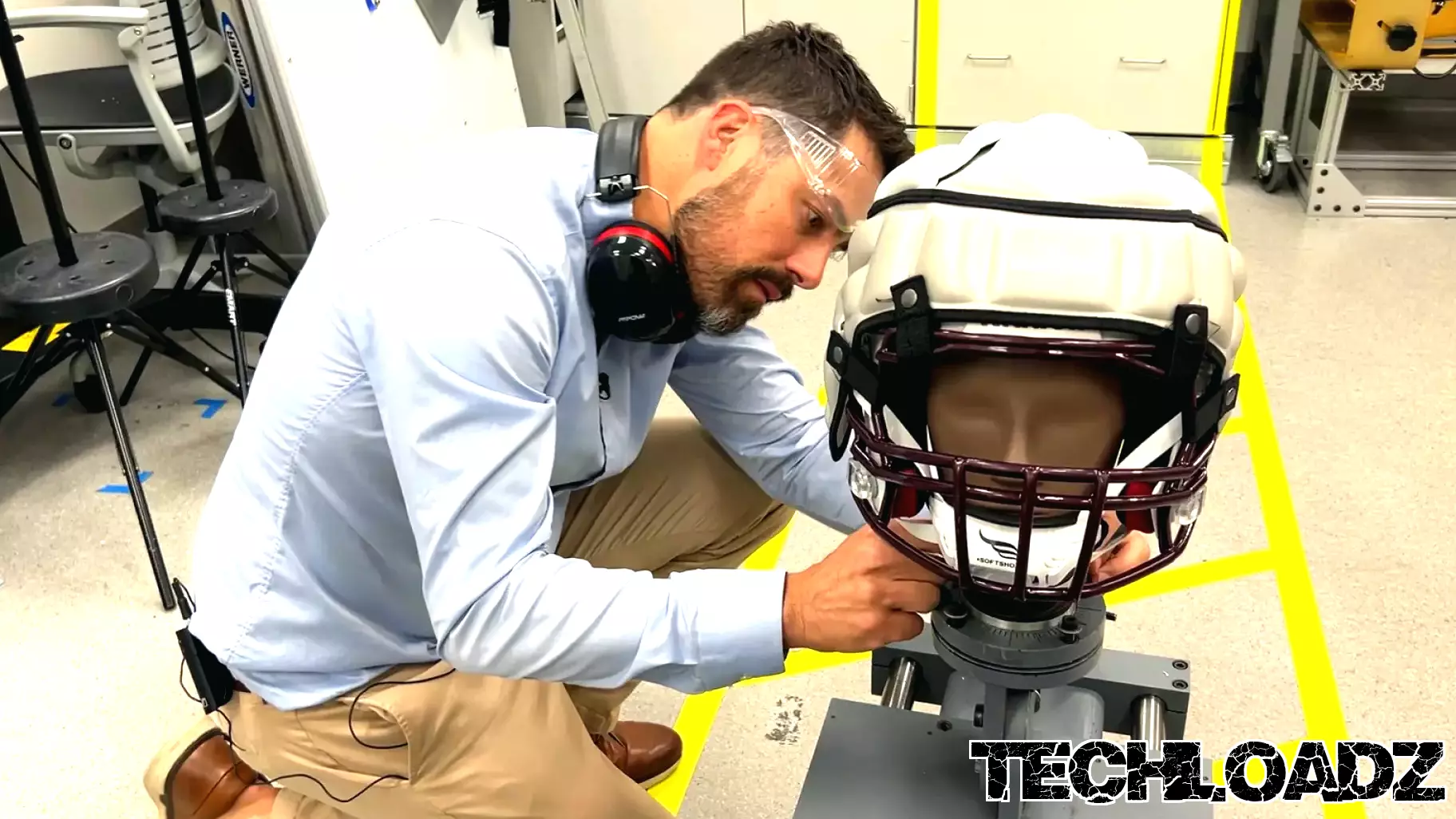
Football helmet makers are turning to 3D printing to build a new kind of inner cushioning, hoping the technology can help reduce the number of concussions players suffer on the field. The approach allows manufacturers to create complex lattice structures that are nearly impossible to produce with traditional foam molding. These printed pads can be tuned to absorb impact in specific zones of the helmet, offering better protection where hits happen most often.
The shift comes as leagues at all levels face growing pressure to make the game safer. While helmet shells have improved over the years, the real focus now is on what happens inside. With 3D printing, engineers can test dozens of cushioning patterns quickly, adjusting the density and shape of each cell to manage energy from a blow. Some designs use a honeycomb-like structure that collapses in a controlled way, spreading the force over a longer period and reducing the jolt to the brain.
Several companies have already released helmets with printed liners, and early lab tests show they outperform older models in reducing rotational acceleration, which is linked to brain injury. Players who have worn them say the fit feels different, more custom, since the pads can be shaped to match an individual skull. That is another advantage of printing: each liner can be made to order, rather than forcing players into a few standard sizes.
Cost remains a hurdle. Printed helmets are pricier than conventional ones, and many youth programs or small high schools cannot afford to replace their entire stock. But advocates argue that the long-term savings from fewer head injuries, both in medical bills and in player careers, justify the expense. As the technology matures and production scales up, prices are expected to drop.
Researchers are also looking beyond the liner itself. Some are experimenting with printing sensors directly into the padding, which could send real-time data to the sideline when a player takes a hard hit. That would give trainers a clearer picture of impact severity, helping them decide when to pull a player out for evaluation. The combination of better shock absorption and live monitoring could mark a real turning point in how the sport handles head safety. For now, the helmets are reaching the market slowly, but the direction is clear: the future of football protection is being built layer by layer, one printed cell at a time.
MORE NEWS

October 25, 2026 - 08:11
Fusion Shows Compact AI System to Nvidia's Jensen Huang at GTC BerlinFusion presented its AI In-a-Box system to Nvidia CEO Jensen Huang during GTC Berlin 2026, putting a compact, self-contained AI appliance in front of one of the industry`s most watched executives....

October 24, 2026 - 17:30
Can Peru's Supercomputer Predict El Niño Floods? Technology That Could Help Save Lives Before Disaster StrikesPeru is leaning on one of South America`s most powerful computers to get ahead of El Niño, a climate pattern that has repeatedly battered the country with floods and landslides. The machine, known...

October 24, 2026 - 01:32
Q2 earnings outperformers: Arlo Technologies (NYSE:ARLO) and the rest of the specialized technology stocksQuarterly earnings season offers a clear window into how companies are progressing relative to their industry peers. In the specialized technology sector, Arlo Technologies (NYSE:ARLO) stands out...

October 23, 2026 - 22:33
Meridian Community College Opens New Transportation Technology Training CenterMeridian Community College marked a significant milestone Wednesday afternoon with a ribbon cutting ceremony for its new Transportation Technology Training Center. The facility represents a major...