How sulfur could fix 3D printing’s waste problem
April 10, 2026 - 17:15
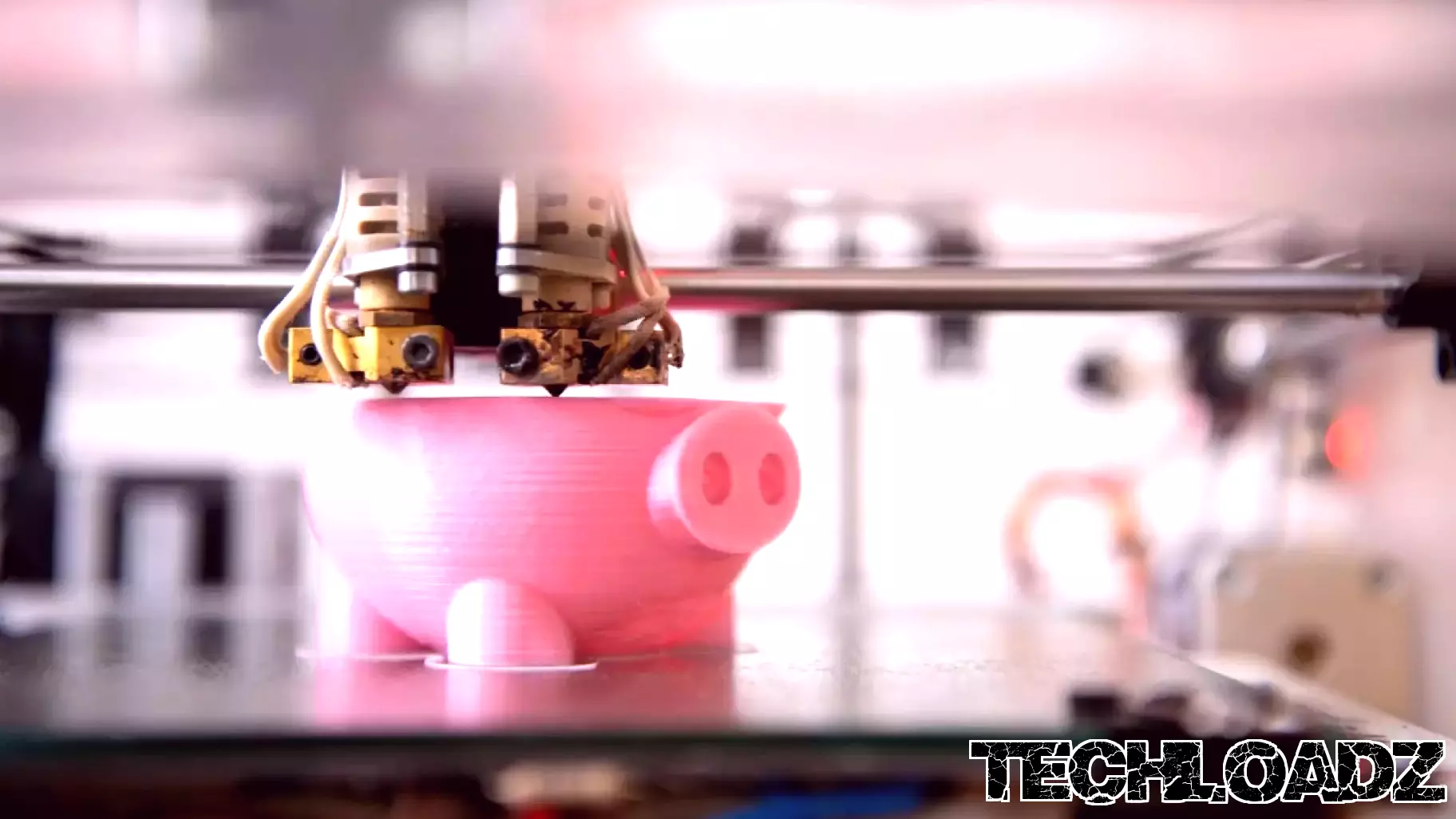
A groundbreaking advancement in materials science is turning a major industrial waste product into a valuable resource for eco-friendly manufacturing. Researchers have successfully developed a method to utilize sulfur, a plentiful byproduct of petroleum refining, as a key ingredient for 3D printing.
This innovation directly tackles the growing environmental concern of plastic waste generated by traditional 3D printing processes. By creating new, high-performance polymers from recycled sulfur, scientists are paving the way for a circular manufacturing model. These sulfur-based polymers are not only derived from waste but are themselves fully recyclable, allowing printed objects to be broken down and reprinted repeatedly without loss of quality.
The potential applications are significant, with early demonstrations including the printing of functional, recyclable robotic parts. This approach could revolutionize fields from prototyping to custom manufacturing, drastically reducing reliance on virgin plastics. By transforming an environmental liability into a versatile, sustainable material, this research represents a crucial step toward greener additive manufacturing and a more circular economy for the tech industry.
MORE NEWS

October 8, 2026 - 05:40
Did Record Earnings Just Shift Carpenter Technology (CRS) Investment Narrative?Carpenter Technology has reported record earnings for fiscal 2026, powered by sustained demand from the aerospace and defense sectors. The specialty alloys manufacturer also confirmed that its...

October 7, 2026 - 19:35
Microchip Technology (MCHP) Stock Looks Fully Valued On Cash FlowMicrochip Technology has posted a 28.6% return over the past five years, and shares now change hands near US$81.26. That combination of steady gains and a higher price has drawn fresh attention to...

October 7, 2026 - 00:52
Seagate Technology falls 9% in sector-wide declineSeagate Technology shares dropped 9 percent on Tuesday, part of a broader selloff across the data storage sector. The decline came as investors weighed two separate pressures on the hard drive...

October 6, 2026 - 01:42
“Wealth and Poverty” Class 3: Globalization, technological change, and youThe debate over widening inequality has returned to the center of economic discussion, with globalization and technological change facing new scrutiny. For decades, policymakers treated both forces...