Photon-counting CT vs. conventional detector technologies
July 23, 2026 - 23:16
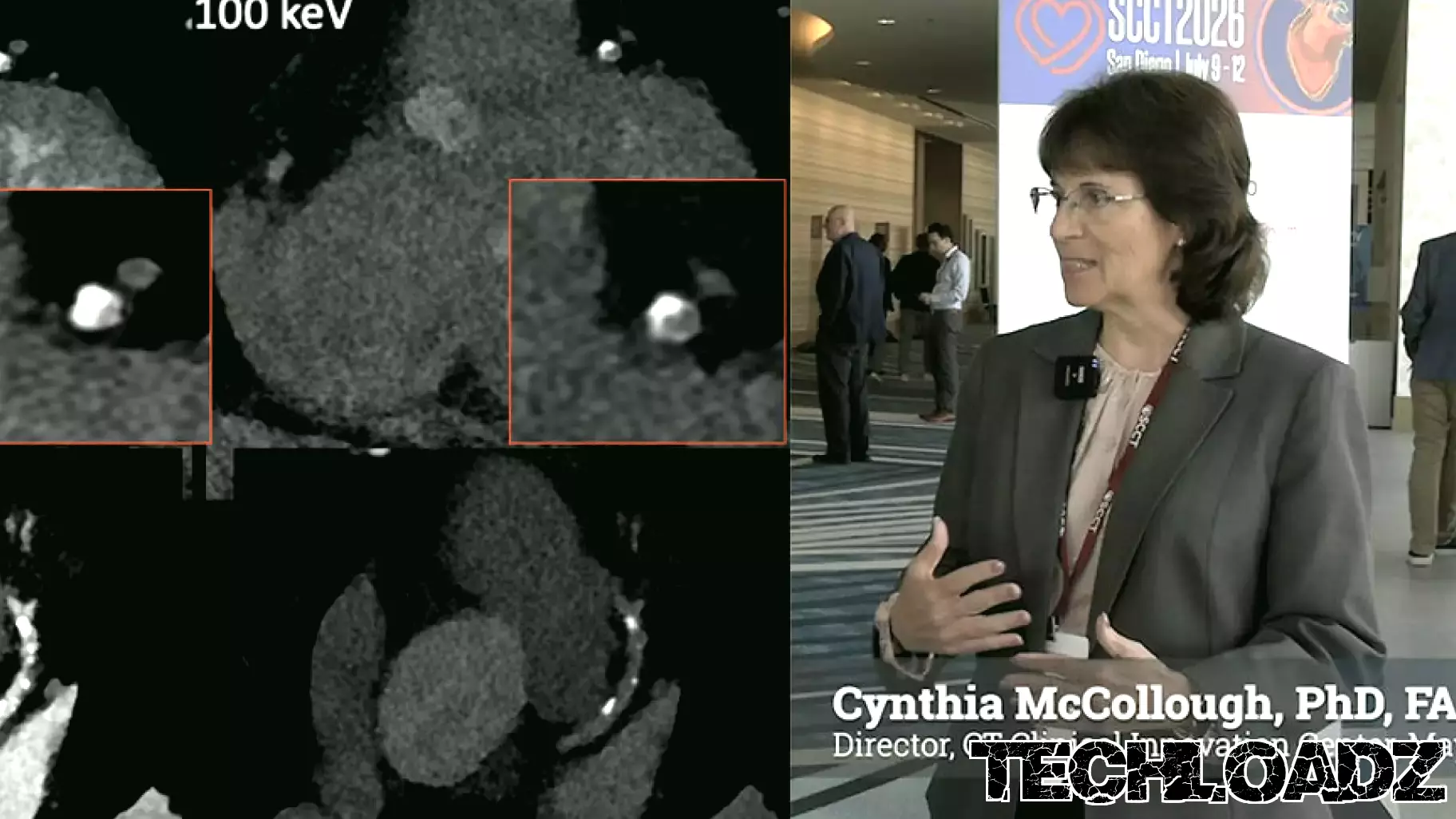
Computed tomography has seen steady improvements over the decades, but a fundamental shift in detector technology is now underway. Medical physicist Cynthia McCollough, PhD, from the Mayo Clinic, explains that photon-counting CT systems represent a major departure from the traditional energy-integrating detectors used in most scanners today.
Conventional CT detectors work by measuring the total energy deposited by X-rays over a set time period. This process averages out the information from individual photons. In contrast, photon-counting detectors register each individual X-ray photon and measure its specific energy level. This direct counting approach provides richer data with less electronic noise.
According to McCollough, the practical benefits for patients are significant. The new detectors improve spatial resolution, allowing radiologists to see finer details in blood vessels, bones, and lung tissue. The technology also reduces image artifacts from metal implants and dense calcium deposits. Because the system can differentiate photon energies, it can perform multi-energy imaging in a single scan without switching tube voltages. This capability improves tissue characterization, such as distinguishing between different types of kidney stones or detecting iodine contrast more clearly.
Another key advantage is dose efficiency. By rejecting electronic noise and using every detected photon, photon-counting CT can achieve diagnostic image quality at lower radiation doses than conventional systems. McCollough notes that this is especially valuable for pediatric patients and for routine follow-up scans where cumulative dose is a concern.
While the technology is currently more expensive and limited to newer high-end systems, early clinical results suggest it will become a new standard. The ability to see smaller structures and obtain spectral information in every scan may eventually make conventional detectors seem as outdated as film X-rays.
MORE NEWS

October 21, 2026 - 22:11
Law Firm Adds Practice Focused on AI and New TechA Southern California boutique law firm has created a dedicated practice group to help clients navigate artificial intelligence and other emerging technologies. The new Artificial Intelligence and...

October 21, 2026 - 02:51
‘It is disheartening’: How teachers say technology is destroying students’ academic abilityEducators in Connecticut are raising concerns about the impact of prolonged screen time on students` learning abilities, saying the effects are becoming impossible to ignore. With students...

October 20, 2026 - 21:04
Did We Ever Really Get to Choose Our Technology?The question of technological choice is often framed as a matter of consumer preference, as if the tools we use emerge from some neutral marketplace where individuals freely pick winners. That...

October 20, 2026 - 05:21
US government bans Chinese AI company DeepSeek that had wiped more than $1 trillion from Wall Street in less than 2 hours, from all civilian agency IT systemsThe US Homeland Security Department has ordered the removal of products and third-party services from Chinese AI company DeepSeek across all civilian agency IT systems. The directive bars any use...